
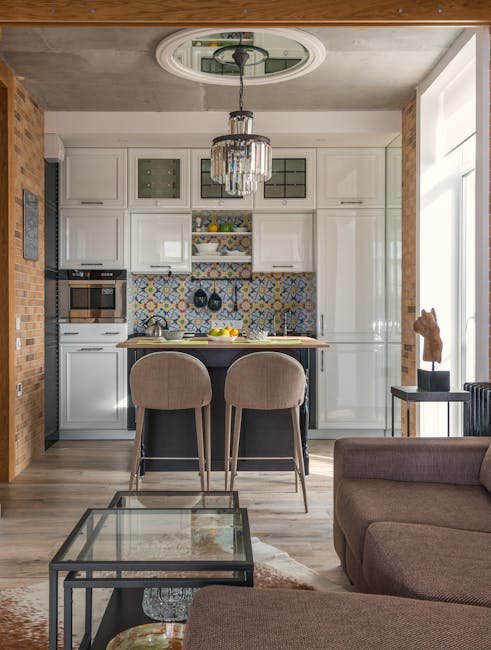
Choosing the perfect kitchen island design can transform your cooking space from ordinary to extraordinary. But with so many styles, sizes, and materials, how do you find the one that fits your kitchen and your lifestyle?
Whether you want extra storage, a place to eat, or a spot to gather with family and friends, your kitchen island should work for you. In this guide, you’ll discover simple tips and smart ideas to help you pick a design that makes your kitchen more beautiful and functional.
Ready to create a kitchen island that truly matches your needs? Let’s dive in.

Credit: www.cashandcarrykitchens.ie
Assessing Space And Layout
Choosing the right kitchen island starts with checking your kitchen space. The island should fit well without blocking movement.
Think about how you use your kitchen. The layout affects the size and shape of the island that works best.
Measure Your Kitchen Area
Measure the length and width of your kitchen. Note doors, windows, and appliances to avoid blocking them.
- Use a tape measure for accuracy
- Mark fixed features like sinks and ovens
- Allow space for walking and cabinet doors
Plan Walking Paths Around The Island
Leave enough space around the island for easy movement. This keeps your kitchen safe and comfortable.
| Area | Recommended Clearance |
| Between island and cabinets | 36 to 48 inches |
| Between island and appliances | 42 to 48 inches |
| Between island and dining table | 42 inches |
Consider Kitchen Work Zones
Think about cooking, cleaning, and storage zones. The island should fit smoothly in these areas without crowding.
Use this checklist to match your island with work zones:
- Place prep space near the sink
- Keep cooking area close to the stove
- Include storage near the fridge
- Allow seating without blocking work zones
Determining Functionality Needs
Choosing the right kitchen island design starts with understanding how you will use it. The island should fit your daily needs and lifestyle.
Think about what tasks you want the island to support. This helps you decide the best features and layout.
Cooking And Prep Space
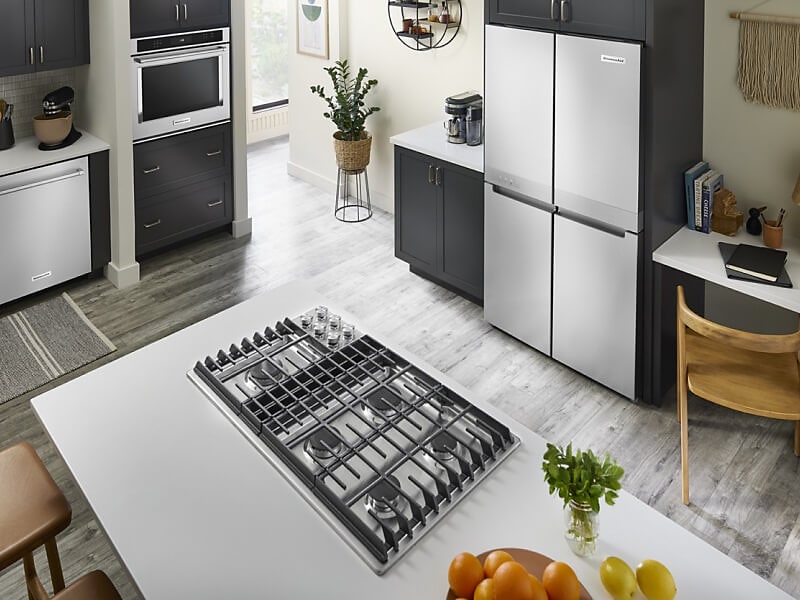
Decide if the island will be a main area for cooking and food preparation. Some islands include stovetops or sinks.
Having extra counter space helps when cutting, mixing, or plating food. A larger surface is useful for these tasks.
- Include a cooktop for easy meal preparation
- Add a sink for quick washing and cleaning
- Use durable materials for cutting and chopping
- Keep space clear for mixing and plating
Seating And Dining Options
Think about whether you want the island to serve as a dining area. Seating options vary from stools to full chairs.
The island can be a casual spot for meals or a place for guests to gather while you cook. Make sure there is enough space.
- Choose stools for a casual, space-saving option
- Allow enough legroom for comfort
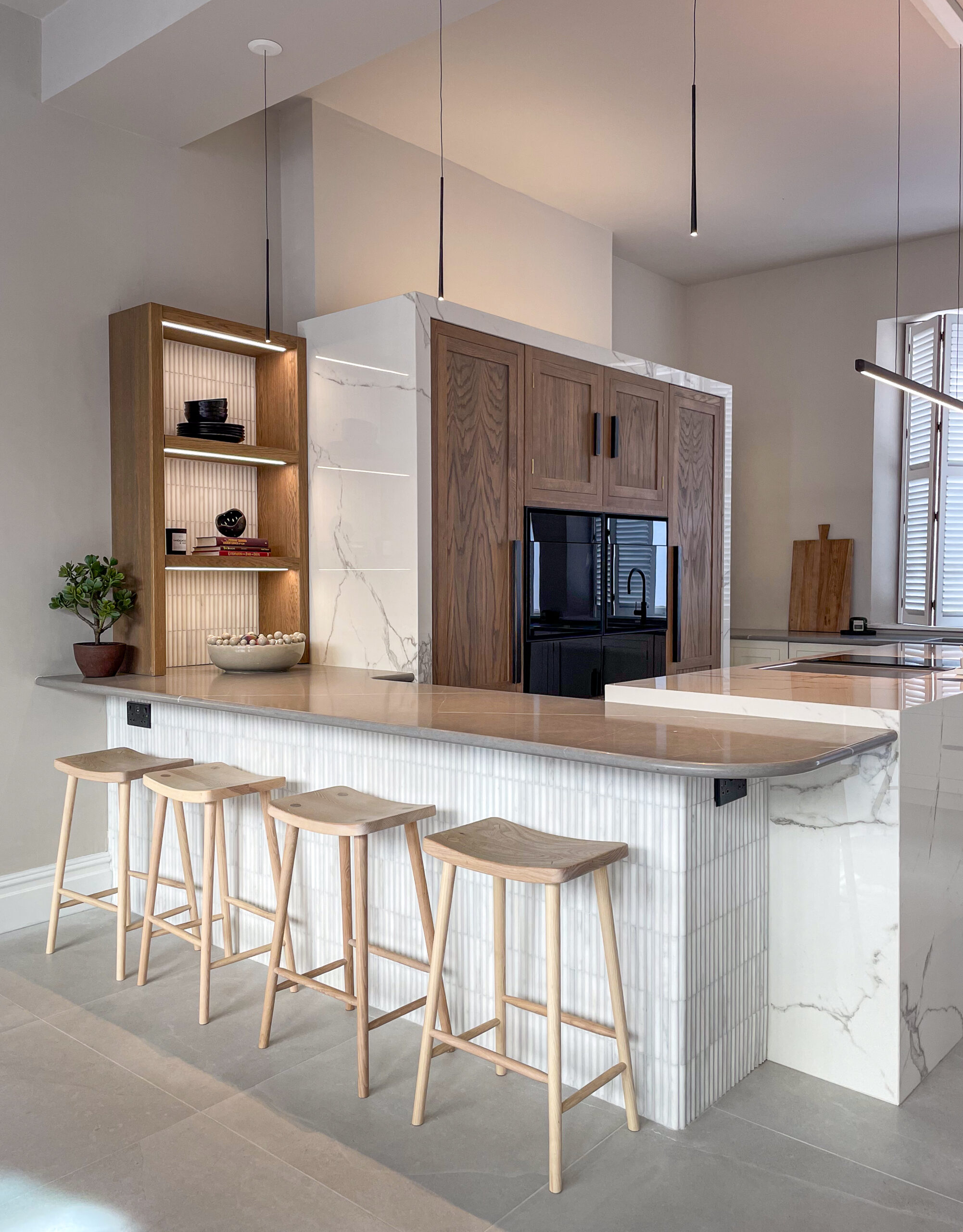
- Consider adding an overhang for more seating space
- Use durable surfaces that resist spills and stains
Storage And Organization
Storage is important to keep your kitchen tidy. The island can hold cabinets, drawers, or shelves for extra space.
Think about what items you want near the island. Organize the space to make cooking and cleaning easier.
- Use deep drawers for pots and pans
- Add shelves for cookbooks or decorative items
- Include cabinets for utensils and small appliances
- Consider pull-out baskets for recycling or trash
Selecting Materials And Finishes
Choosing the right materials and finishes is key for a kitchen island. The look and feel depend on what you select. Materials affect the style, strength, and care needed.
Think about how you will use the island. Some materials suit heavy use better. Others look great but need more care.
Countertop Materials
Countertops are the main surface on your kitchen island. They must be durable and fit your kitchen style. You can pick from many materials.
- Granite: Strong, heat-resistant, and natural stone look.
- Quartz: Durable and easy to clean with many colors.
- Marble: Elegant but softer and needs care.
- Wood: Warm and natural, needs sealing to avoid stains.
- Concrete: Modern and customizable but can crack.
- Laminate: Affordable and comes in many designs.
Cabinetry And Base Options
The base of your island holds the cabinets and supports the countertop. Choose materials that match your kitchen’s look and last long.
Wood is common for cabinetry. You can pick solid wood or plywood with veneer. Metal bases offer a modern look but may feel cold.
- Solid wood: Classic and strong but may cost more.
- Plywood with veneer: Less expensive and stable.
- Metal: Sleek and durable, fits modern kitchens.
- Painted MDF: Smooth finish and affordable.
Durability And Maintenance
Think about how much care your island materials need. Durable materials save time and money on repairs. Some finishes resist stains and scratches better.
Check if the material needs special cleaning products or sealing. Choose finishes that fit your lifestyle and cleaning habits.
- Granite and quartz: Low maintenance and very durable.
- Marble: Needs sealing and gentle cleaning.
- Wood: Requires regular sealing and careful cleaning.
- Concrete: Needs sealing and can be prone to cracks.
- Laminate: Easy to clean but can scratch or chip.
Choosing The Right Style
Choosing the right kitchen island design can change the look of your kitchen. The style you pick should fit the room’s overall feel and your daily needs.
Think about your kitchen’s current style and how the island will match. Here are some popular styles to consider.
Traditional And Classic Designs
Traditional kitchen islands often have detailed woodwork and warm colors. They bring a timeless, cozy feeling to the kitchen.
- Use rich wood tones like cherry or walnut.
- Add decorative moldings or carved legs.
- Choose classic countertop materials such as granite or marble.
- Include storage with glass-front cabinets or open shelves.
Modern And Minimalist Aesthetics
Modern kitchen islands focus on clean lines and simple shapes. They often use neutral colors and smooth surfaces.
| Feature | Description |
| Materials | Stainless steel, glass, concrete |
| Colors | White, black, gray |
| Design | Flat fronts, handleless drawers |
| Lighting | Under-counter LED strips |
Rustic And Farmhouse Appeal
Rustic islands use natural, rough textures. They create a warm and inviting kitchen space.
Key Elements of Rustic Kitchen Islands
- Reclaimed wood or distressed finishes
- Open shelving with baskets or pottery
- Chunky hardware and exposed joints
- Butcher block or stone countertops
Incorporating Lighting
Lighting plays a key role in kitchen island design. It improves both style and function.
Choosing the right lighting helps with tasks and sets the mood. Let’s explore how.
Task Lighting Essentials
Task lighting focuses on areas where you work, like chopping or cooking. It should be bright and clear.
Good task lighting reduces shadows and eye strain. Pendant lights are popular choices above kitchen islands.
- Use adjustable pendant lights for focused light
- Install under-cabinet lights if you have shelves above
- Choose LED bulbs for bright and energy-saving light
Ambient And Accent Lighting
Ambient lighting creates a soft overall glow in the kitchen. It makes the space feel warm and inviting.
Accent lighting highlights features like the island’s design or countertop details. It adds depth and style.
- Use dimmable ceiling lights for adjustable ambient light
- Add LED strips under the island for subtle accents
- Spotlights or small lamps can highlight textures and colors
Credit: www.kitchenaid.com
Considering Color Schemes
Choosing the right color scheme for your kitchen island can change the room’s mood. Colors set the tone and style for your kitchen space.
Think about how colors match your cabinets, walls, and floors. This helps create a unified look.
Neutral And Timeless Choices
Neutral colors like white, beige, and gray work well with many kitchen styles. They make the space feel calm and open.
- White adds brightness and a clean look.
- Beige creates warmth and comfort.
- Gray offers a modern and sleek feel.
- Soft browns can add natural earth tones.
These colors stay stylish for years and fit with many decor changes.
Bold And Vibrant Accents
Bright colors like red, blue, or green make your kitchen island a focal point. They add energy and personality to the room.
| Color | Effect |
| Red | Creates warmth and excitement |
| Blue | Gives calm and fresh feeling |
| Green | Brings nature and balance |
| Yellow | Adds brightness and cheerfulness |
Use bold colors in small areas or as accents. It keeps the look fun but not overwhelming.
Incorporating Smart Features
Choosing a kitchen island design is more than looks. Smart features add function and ease.
These features help save time and make cooking more fun. Think about tech for your kitchen island.
Tech-enabled Appliances
Tech-enabled appliances make your kitchen island more useful. They save space and add modern style.
Examples include built-in microwaves, induction cooktops, or smart refrigerators. They help you cook faster.
- Touch control cooktops for easy cooking
- Built-in ovens that save counter space
- Smart refrigerators that track groceries
Integrated Charging Stations
Charging stations keep devices powered while you work. They fit neatly into your kitchen island.
Include USB ports or wireless chargers. This helps keep phones and tablets ready without clutter.
- USB ports for multiple devices
- Wireless charging pads for ease
- Hidden compartments to hide cords
Credit: www.harveyjones.com
Balancing Budget And Quality
Choosing the right kitchen island design means finding a balance between cost and quality. You want a style that fits your budget but lasts a long time.
Focusing on key features helps you get the best value. This guide covers cost-effective options and features worth investing in.
Cost-effective Options
Look for materials and designs that save money but still look good. Simple shapes and basic finishes usually cost less.
Using ready-made cabinets and standard countertops can reduce prices. Avoid custom pieces if you want to stay on budget.
- Choose laminate or butcher block countertops
- Pick a basic shape like rectangular or square
- Use pre-built cabinets instead of custom ones
- Select paint or stain finishes over expensive materials
- Buy from stores with sales or discounts
Investment-worthy Features
Some features cost more but add long-term value and durability. These choices improve your kitchen’s look and function.
Focus on materials and details that last longer. These include strong countertops and quality storage options.
- Choose natural stone like granite or quartz countertops
- Include durable hardwood or high-quality plywood cabinets
- Add built-in storage like drawers and shelves
- Consider integrated lighting for better use
- Pick hardware that resists wear and tear
Expert Advice And Trends
Choosing the right kitchen island design can change how you use your kitchen. It adds style and function to your space.
This guide shares expert advice and current trends for picking a kitchen island design that fits your needs.
Current Design Trends
Kitchen islands are not just for cooking. They are now a centerpiece for socializing and storage.
Popular trends include mixed materials, smart technology, and multi-level surfaces.
- Use wood and stone together for a natural look
- Add built-in charging stations and lighting
- Create different levels for cooking and eating
- Choose bold colors like navy or forest green
- Include open shelves for easy access
Consulting With Professionals
Experts help design kitchen islands that fit your space and lifestyle. They know how to balance style and function.
Consult with designers or kitchen planners to get ideas and avoid costly mistakes.
- Discuss your cooking and storage needs
- Ask about materials that are durable and easy to clean
- Consider the flow of your kitchen space
- Check how the island fits with appliances and seating
- Get advice on lighting and electrical needs
Frequently Asked Questions
What Size Kitchen Island Fits My Space Best?
Measure your kitchen area carefully. Leave at least 36-48 inches of walking space around the island. Choose an island size proportional to your kitchen layout.
Which Materials Are Ideal For Kitchen Island Countertops?
Popular materials include granite, quartz, marble, and butcher block. Select based on durability, maintenance, and aesthetic preference. Each offers unique style and functionality.
How To Choose The Right Kitchen Island Layout?
Consider your kitchen workflow and space constraints. Common layouts are rectangular, L-shaped, or with seating. Prioritize ease of movement and usability.
Should I Add Seating To My Kitchen Island?
Seating adds social and dining space. Include stools or chairs if space permits. It enhances interaction and multifunctional use.
Conclusion
Choosing the right kitchen island design can change how you use your space. Think about your needs first: storage, seating, or extra prep area. Size matters—make sure the island fits well without crowding. Style should match your kitchen’s look and feel.
Materials and colors help set the mood. Take your time to explore options that suit your life. This way, your kitchen island becomes both useful and beautiful. Simple steps lead to great results. Your perfect kitchen island awaits.