
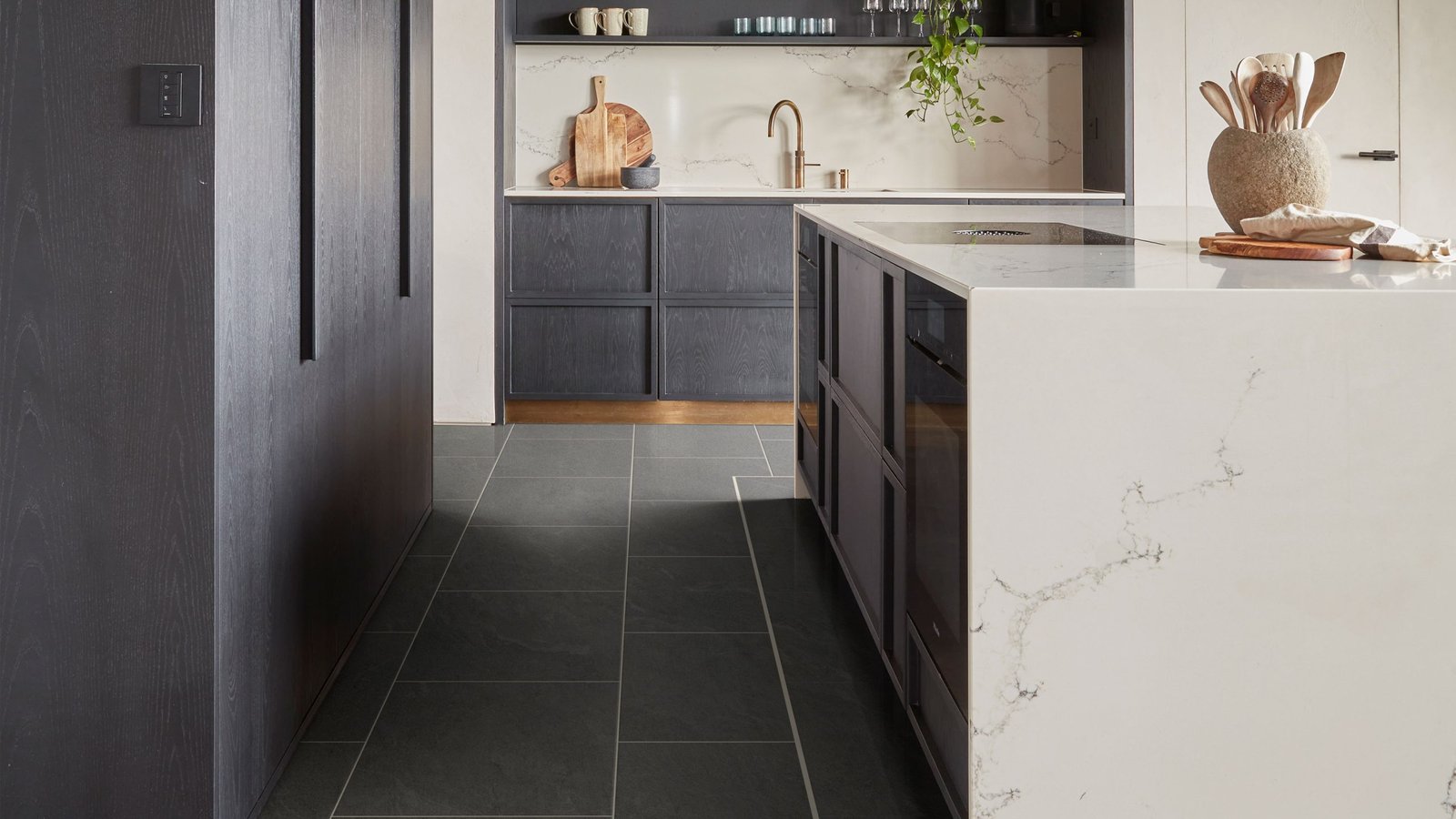
Choosing the right kitchen flooring material can feel overwhelming. You want something that looks great, lasts long, and fits your lifestyle.
But with so many options, how do you pick the perfect one? This guide will help you make a smart choice by breaking down the pros and cons of popular materials. By the end, you’ll know exactly what fits your kitchen and your life.
Keep reading to discover the secrets to flooring that works for you every day.

Credit: uchify.com
Factors Affecting Kitchen Flooring Choice
Choosing the right kitchen flooring is important for comfort and durability. Many factors affect this choice.
Consider your budget, lifestyle, and local climate before making a decision. These help find the best fit.
Budget Considerations
Cost often shapes your flooring options. Some materials cost less but wear out faster.
| Flooring Type | Average Cost per Sq Ft | Durability |
|---|---|---|
| Vinyl | $2 – $5 | Moderate |
| Ceramic Tile | $3 – $7 | High |
| Hardwood | $5 – $10 | High |
| Limestone | $6 – $12 | High |
| Laminates | $1 – $4 | Low to Moderate |
Lifestyle And Usage
Your kitchen use affects flooring choice. Busy homes need stronger floors.
- Families with kids need floors that resist scratches and spills.
- Homes with pets require stain and scratch resistance.
- Frequent cooks should choose floors that are easy to clean.
- Those standing long hours benefit from cushioned flooring.
Climate And Environment
Local weather impacts how flooring holds up. Moisture and temperature changes matter.
| Climate Factor | Recommended Flooring |
|---|---|
| High Humidity | Tile, Vinyl |
| Cold Climate | Hardwood with underfloor heating |
| Dry Climate | Limestone, Laminate |
| Frequent Spills | Non-porous materials like tile |
Material Types And Their Benefits
Choosing the right kitchen flooring is important for style and function.
Different materials offer unique benefits and suit different needs.
Hardwood Options
Hardwood floors add warmth and classic beauty to kitchens.
They are durable but can scratch and need regular care.
Tile Variations
Tile comes in many styles like ceramic, porcelain, and glass.
- Ceramic tiles are affordable and easy to clean.
- Porcelain tiles are stronger and water-resistant.
- Glass tiles add a modern look but can be slippery.
Vinyl And Laminate
Vinyl and laminate are budget-friendly and easy to install.
They mimic wood or stone but are softer underfoot.
Stone Choices
Natural stone floors include granite, marble, and slate.
| Stone Type | Benefits | Considerations |
| Granite | Very durable and heat resistant | Needs sealing to prevent stains |
| Marble | Elegant and smooth texture | Can scratch and stain easily |
| Slate | Textured and slip-resistant | Requires sealing and maintenance |
Cork And Bamboo
Cork and bamboo are eco-friendly and soft to walk on.
Cork absorbs sound; bamboo is strong and water resistant.
Assessing Durability And Maintenance
Choosing the right kitchen flooring means thinking about how tough it will be. Durability and maintenance are key. Good floors handle daily use without damage.
Understanding how to care for your flooring helps keep it looking nice. This section covers wear resistance, cleaning ease, and lifespan of materials.
Wear And Tear Resistance
Kitchen floors face heavy use from foot traffic, spills, and dropped items. Some materials resist scratches and dents better than others.
Look for flooring that can handle your kitchen’s activity level. Hardwoods may scratch easily, while tile and vinyl resist damage well.
- Tile floors resist scratches and stains
- Vinyl is flexible and less prone to cracking
- Hardwood may dent but adds warmth
- Laminates offer moderate scratch resistance
Ease Of Cleaning
Kitchen floors get dirty fast from food and liquids. Choose materials that are easy to clean and dry quickly.
Smooth surfaces like tile and vinyl wipe clean easily. Floors with grout or seams need extra attention to avoid grime build-up.
- Tile can be mopped and wiped clean
- Vinyl resists stains and cleans with mild soap
- Wood needs special cleaners and quick drying
- Laminates clean well but avoid excess water
Longevity And Lifespan
Some flooring lasts many years with care. Others wear out faster and need replacing sooner.
Consider how long you want the floor to last. Investing in durable materials can save money over time.
- Tile can last 20-30 years or more
- Vinyl typically lasts 10-20 years
- Hardwood floors last 15-25 years with maintenance
- Laminates usually last 10-15 years
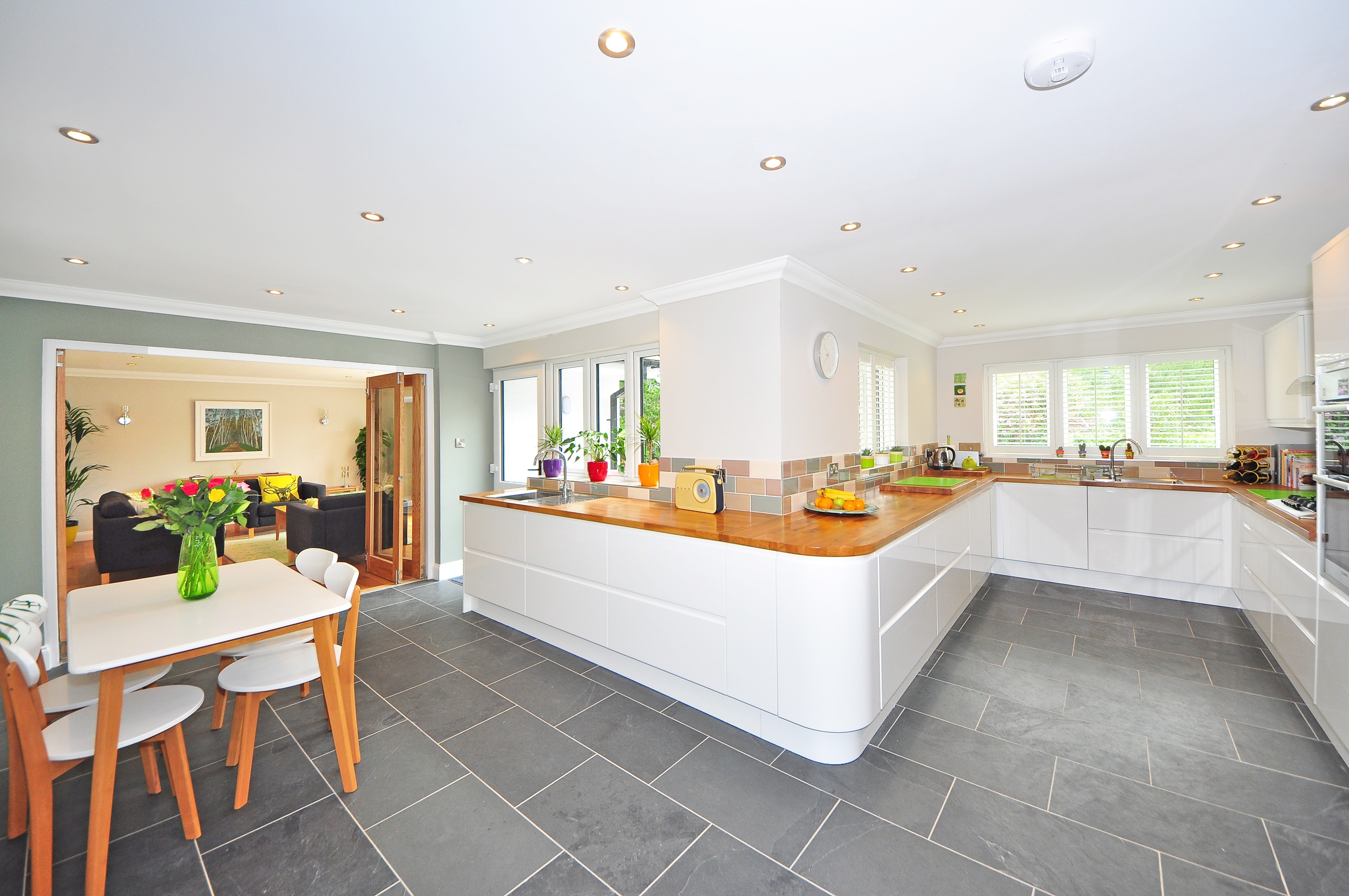
Credit: cut-price-tiles.co.uk
Aesthetic And Design Considerations
Choosing the right kitchen flooring affects the whole room’s look. It sets the tone for your kitchen’s style.
Focus on how the floor’s design fits with your kitchen’s colors and shapes. This helps create a balanced space.
Color And Texture
Floor color changes the kitchen’s mood. Light colors make the room feel open and airy. Dark colors add warmth and depth.
- Glossy textures reflect light and add brightness.
- Matte finishes reduce glare and feel cozy.
- Wood grains bring natural patterns and warmth.
- Stone or tile textures give a cool, solid feel.
Matching With Kitchen Decor
Your floor should match cabinets, walls, and countertops. Choose colors that blend well or create a nice contrast.
| Floor Type | Best Matching Decor | Effect |
| Light Wood | White cabinets, pastel walls | Fresh and bright |
| Dark Tile | Light countertops, stainless steel appliances | Modern and sleek |
| Neutral Stone | Wood cabinets, warm paint colors | Natural and cozy |
| Patterned Vinyl | Simple decor, solid colors | Bold and playful |
Trends And Styles
Current kitchen flooring trends combine style with function. Some popular styles include:
- Wide plank wood floors for a spacious look
- Geometric tiles for eye-catching patterns
- Eco-friendly materials like bamboo or cork
- Mixing textures to add depth and interest
Environmental And Health Impact
Choosing kitchen flooring affects your home’s environment and your health. Some materials are better for the planet. Others keep your kitchen safer and cleaner.
Learn how eco-friendly materials and health risks influence your flooring choice. This helps you pick flooring that is good for you and the earth.
Eco-friendly Materials
Eco-friendly kitchen floors use natural or recycled materials. These options reduce waste and pollution. They often last longer and need less energy to make.
- Bamboo: Fast-growing and renewable wood alternative.
- Cork: Made from tree bark, soft and biodegradable.
- Recycled Wood: Saves old wood from landfills.
- Linoleum: Made from natural oils and resins.
- Recycled Tile: Uses leftover materials to create new tiles.
Health And Safety Concerns
Some flooring materials release harmful chemicals. Others can be slippery or hard to clean. These factors affect your kitchen’s safety and air quality.
| Concern | Impact | Examples |
| VOC Emissions | Can cause headaches and allergies | Vinyl, some laminates |
| Slip Hazard | Risk of falls and injuries | Polished tiles, wet hardwood |
| Allergens | Can worsen asthma or allergies | Carpets, porous stones |
| Durability | Less wear means fewer replacements | Tile, bamboo |
Professional Installation Vs. Diy
Choosing kitchen flooring material is important. You must decide if you want a professional to install it or if you want to do it yourself. Both choices have their pros and cons.
This guide will help you understand the cost and the skills needed for each option. This way, you can make the best choice for your kitchen floor.
Cost Implications
Professional installation costs more upfront. It includes labor and sometimes extra materials. DIY can save money but may lead to extra costs if mistakes happen.
| Expense Type | Professional Installation | DIY Installation |
|---|---|---|
| Labor Cost | High | None |
| Tools and Equipment | Provided by installer | Must buy or rent |
| Material Waste | Low | Can be high if errors occur |
| Warranty | Often included | Usually none |
Skill And Time Requirements
Professional installers have the skills and tools to finish the job quickly and correctly. DIY installation takes time and learning new skills. Mistakes can slow the process.
- Professionals finish faster
- DIY needs careful planning
- Skill level affects quality
- Time spent can vary greatly
Making The Final Decision
Choosing the right kitchen flooring material is an important step. It affects your kitchen’s look and how it feels underfoot.
To make a good choice, focus on what matters most to you and get advice from people who know about flooring.
Prioritizing Needs
Think about your daily kitchen use and what flooring features matter. Consider durability, ease of cleaning, and comfort.
- Durability: Will the floor stand up to spills and foot traffic?
- Maintenance: How much time will you spend cleaning?
- Comfort: Will you be standing for long periods?
- Style: Does the flooring match your kitchen design?
- Budget: What is the cost range you want to stay within?
Consulting Experts
Experts can help you weigh your options. They offer advice based on experience and product knowledge.
| Expert Type | How They Help |
| Flooring Retailer | Shows samples and explains materials |
| Interior Designer | Suggests styles that fit your home |
| Contractor | Offers insight on installation and durability |
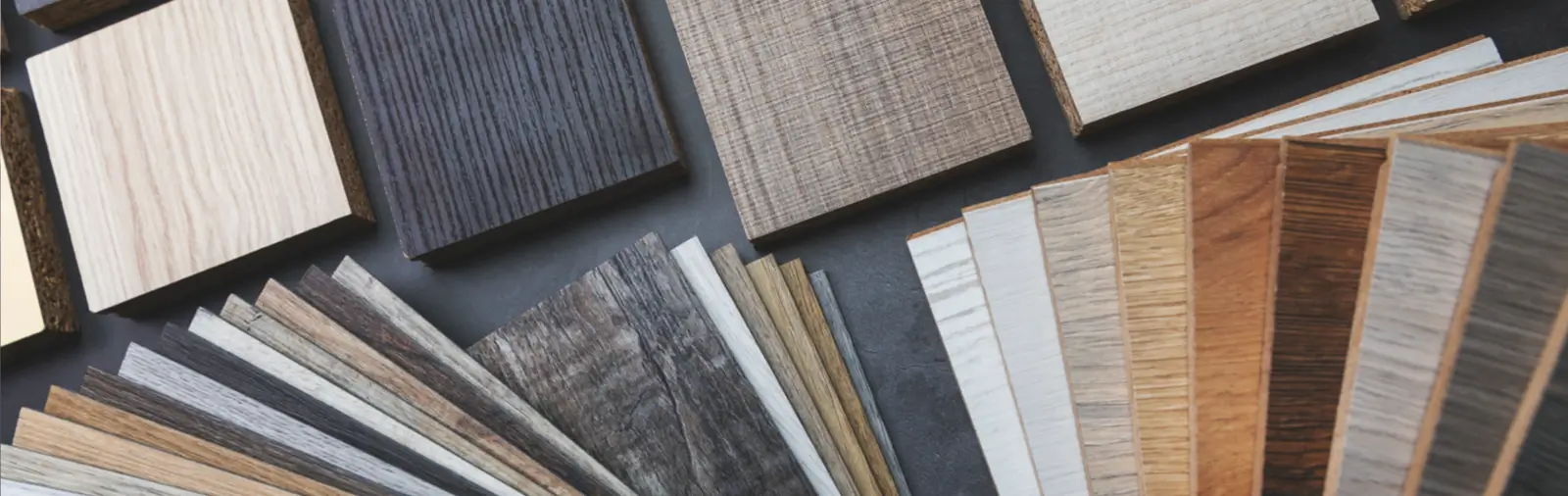
Credit: www.mrhandyman.com
Frequently Asked Questions
What Is The Best Kitchen Flooring Material For Durability?
Porcelain tile is highly durable and resistant to scratches and moisture. It withstands heavy foot traffic and spills, making it ideal for busy kitchens. Its long lifespan and easy maintenance make it a top choice for kitchen flooring.
How To Choose Kitchen Flooring That Is Easy To Clean?
Vinyl and laminate flooring are both easy to clean and maintain. They resist stains and moisture, requiring only regular sweeping and mopping. These materials are budget-friendly and offer a variety of styles suitable for kitchens.
Which Kitchen Flooring Materials Are Water-resistant?
Ceramic tile, vinyl, and sealed hardwood are water-resistant options. They prevent water damage and are suitable for areas prone to spills. Proper sealing enhances durability and keeps floors looking new longer.
What Kitchen Flooring Is Best For Comfort And Warmth?
Cork and hardwood flooring provide warmth and comfort underfoot. Cork has natural cushioning and insulation, while hardwood offers a cozy, classic look. Both materials add a comfortable feel to kitchen spaces.
Conclusion
Choosing the right kitchen flooring helps your space feel warm and practical. Think about durability, style, and budget before deciding. Easy cleaning and comfort matter a lot for daily use. Remember, your kitchen floor should match your lifestyle and taste.
Take time to compare options carefully. A good choice makes cooking and cleaning more enjoyable. Your kitchen will shine with the perfect flooring underfoot.