
Choosing the right kitchen countertops can feel overwhelming. You want surfaces that not only look great but also stand up to daily wear and tear.
Imagine spending time and money on countertops that chip, scratch, or stain easily. That’s frustrating, right? This guide will help you discover how to pick countertops built to last. By the end, you’ll know exactly what to look for to keep your kitchen beautiful and functional for years.
Keep reading to make a choice you’ll never regret.
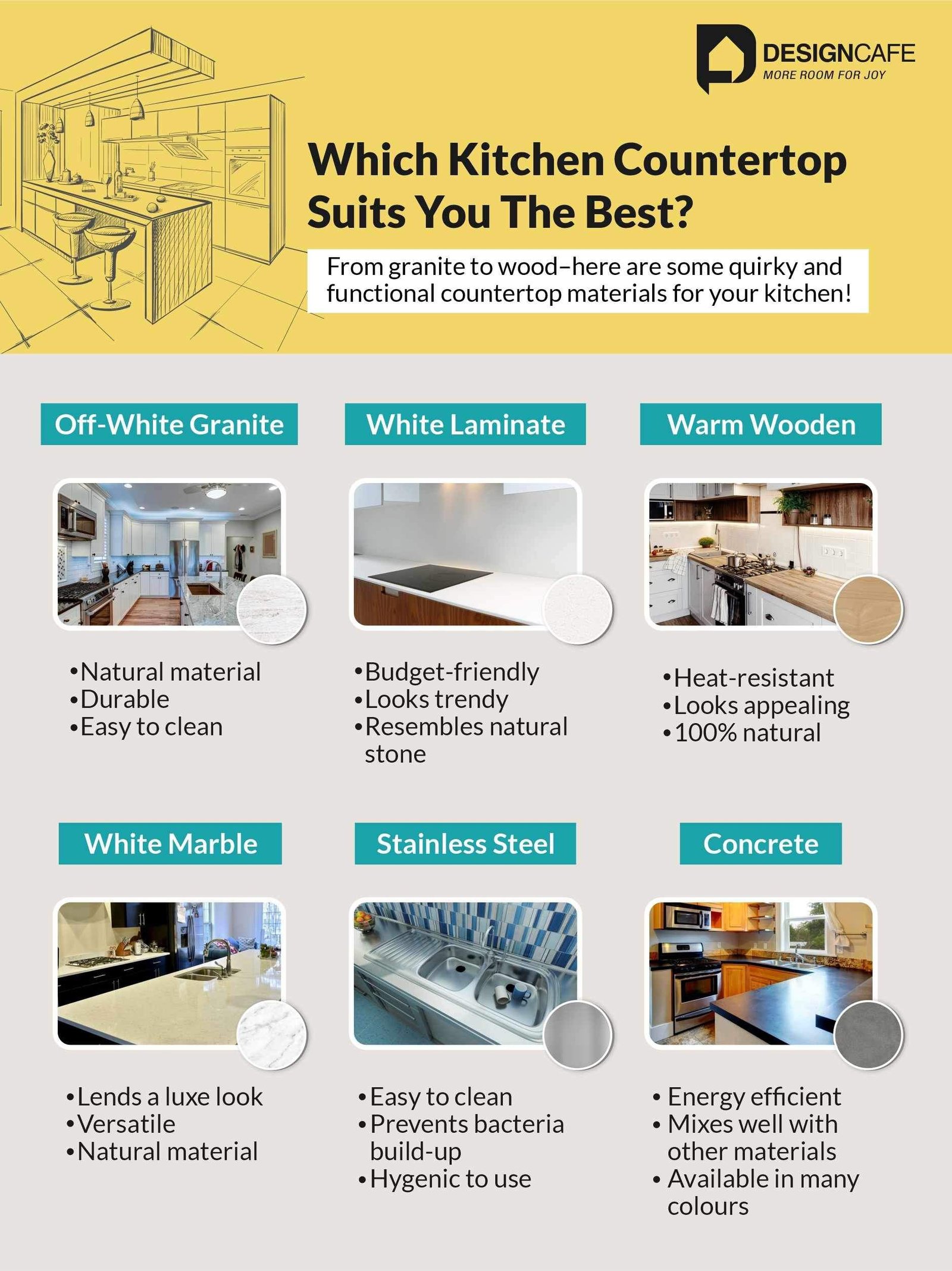
Material Options
Choosing the right kitchen countertop material affects how long it will last. Durability is important for daily use in the kitchen.
Different materials offer different strengths and care needs. Look at each option to find what fits your kitchen best.
Granite
Granite is a natural stone known for its toughness. It resists scratches and heat well, making it a good choice for kitchens.
Granite needs sealing to avoid stains. Regular sealing keeps it looking new and strong over time.
Quartz
Quartz is an engineered stone made from natural quartz and resin. It is very hard and does not need sealing.
Quartz resists stains, scratches, and heat. It offers a wide range of colors and patterns to match your style.
Marble
Marble is a beautiful natural stone but is softer than granite or quartz. It can scratch and stain more easily.
Marble needs careful maintenance and sealing. It is best for light kitchen use or areas with less traffic.
Laminate
Laminate countertops are made from layers of plastic bonded to particleboard. They are affordable and easy to clean.
Laminate can scratch and burn, so avoid cutting or placing hot pans directly on it. It is less durable than stone.
Butcher Block
Butcher block is made from wood strips glued together. It offers a warm look and can be sanded to remove damage.
Wood can scratch and stain but is repairable. Regular oiling protects it from moisture and keeps it durable.
Assessing Durability
Choosing kitchen countertops means thinking about how they hold up over time. Durability affects how long your counters will look good and work well.
Look at different factors like scratches, heat, stains, and impacts. These tell you how strong the surface is.
Scratch Resistance
Scratch resistance shows how well the countertop stops marks from knives or tools. Hard materials like granite or quartz resist scratches better.
Heat Resistance
Heat resistance means the countertop can handle hot pots or pans without damage. Some materials can burn or discolor if heat is too high.
| Material | Heat Resistance Level |
| Granite | High |
| Laminates | Low |
| Quartz | Medium |
| Marble | Low |
Stain Resistance
Stain resistance means the countertop does not absorb liquids or colors easily. Materials like quartz and granite are good at resisting stains.
- Avoid porous surfaces for easier cleaning
- Seal natural stone to improve stain resistance
- Wipe spills quickly to prevent damage
Impact Resistance
Impact resistance shows how well the surface handles drops or bumps. Durable counters do not crack or chip easily.
| Material | Impact Resistance |
|---|---|
| Concrete | High |
| Glass | Low |
| Quartz | Medium |
| Granite | High |
Maintenance Needs
Choosing kitchen countertops means thinking about how much care they need. Durable countertops still need regular maintenance. This helps keep them looking good and lasting longer.
Knowing the maintenance needs helps you pick the best countertop for your lifestyle. Some materials need more work than others. Let’s look at cleaning, sealing, and repair needs.
Cleaning Requirements
Cleaning your countertop daily keeps dirt and stains away. Use mild soap and warm water for most surfaces. Avoid harsh chemicals that can damage the finish.
Different materials have different cleaning rules. For example, granite can handle soap and water. But laminate needs gentle wiping to avoid scratches.
- Wipe spills quickly to prevent stains
- Use soft cloths or sponges
- Avoid bleach or abrasive cleaners
- Check manufacturer’s cleaning tips
Sealing Frequency
Sealing protects porous countertops from stains and damage. Some materials need sealing more often than others. Granite usually requires sealing once a year.
Quartz countertops do not need sealing because they are non-porous. Marble and natural stone may need sealing every six months or yearly. Check the type of stone before buying.
- Granite: seal once a year
- Marble: seal every 6-12 months
- Quartz: no sealing needed
- Soapstone: seal once a year or as needed
Repair And Restoration
Even durable countertops can get damaged. Small chips or scratches can often be repaired at home. Some materials need professional help for repairs.
Laminate may peel or chip and is hard to restore perfectly. Natural stone can be polished to look new again. Quartz repairs usually require a professional.
- Granite: polish and fill chips professionally
- Quartz: professional repair recommended
- Laminate: hard to fix, may need replacement
- Marble: polish to remove scratches
Budget Considerations
Choosing kitchen countertops means thinking about your budget. Costs can vary a lot depending on the material and style. Knowing what to expect helps you plan better.
It is important to look at the initial price and what you might spend later. You want something that lasts without costing too much to fix.
Initial Cost
Initial cost means the price you pay to buy and install the countertops. Some materials are cheap but others cost more. Your choice depends on your budget and needs.
- Laminate is usually the cheapest option.
- Granite and quartz are mid-range in price.
- Marble and exotic stones tend to be expensive.
- Installation charges vary by material and design.
Long-term Investment
Think about how long the countertop will last. Some materials keep their look and function for many years. This can save money over time.
| Material | Average Lifespan | Maintenance Needed |
| Laminate | 5-10 years | Low |
| Granite | 15-30 years | Medium |
| Quartz | 20-30 years | Low |
| Marble | 10-20 years | High |
Cost Of Repairs
Repairs may be needed if the countertop gets damaged. Some materials are easy and cheap to fix. Others need special care and cost more.
- Type of damage (scratch, chip, stain)
- Material used
- Availability of repair services
- Time needed for repair
Aesthetic Preferences
Choosing kitchen countertops is about more than durability. The look and feel matter a lot.
Consider your style and how the countertops match your kitchen’s vibe.
Color Options
Countertops come in many colors. Pick one that fits your kitchen’s color scheme.
- Light colors make the space feel bigger and brighter.
- Dark colors hide stains better and look modern.
- Neutral tones match most styles and are timeless.
- Bold colors add personality but can limit future changes.
Texture And Finish
The surface texture affects the look and cleaning ease. Choose a finish that fits your needs.
| Finish | Description | Benefits |
| Polished | Smooth and shiny surface | Looks elegant, easy to clean |
| Matte | Non-reflective, soft look | Hides scratches, less glare |
| Textured | Rough or patterned surface | Adds grip, unique style |
| Honed | Flat and smooth but not shiny | Modern look, hides fingerprints |
Integration With Kitchen Design
Countertops should blend with cabinets, flooring, and backsplash.
- Match countertop colors with cabinet tones for harmony.
- Use contrasting textures to add interest.
- Consider the kitchen style: modern, rustic, or classic.
- Think about lighting and how it affects color perception.

Credit: www.relaystone.com
Environmental Impact
Choosing kitchen countertops affects the environment. Durable materials help reduce waste.
Look for options that protect natural resources and lower pollution.
Sustainable Materials
Sustainable countertops come from renewable or recycled sources. They last long and need less replacement.
- Bamboo: fast-growing and renewable
- Recycled glass: made from waste glass pieces
- Reclaimed wood: reused from old buildings
- Natural stone: durable but mined carefully
Eco-friendly Manufacturing
Eco-friendly manufacturing uses less energy and water. It creates fewer harmful emissions.
| Manufacturing Factor | Eco-Friendly Practices |
| Energy Use | Solar power, energy-efficient machines |
| Water Use | Water recycling and reduced consumption |
| Emissions | Low-VOC adhesives and finishes |
| Waste | Recycling scraps and reducing waste |
Recycling And Disposal
At the end of their life, countertops should be easy to recycle or dispose of safely.
- Check if the material can be recycled locally
- Avoid materials with toxic chemicals
- Consider donating or repurposing old countertops
- Hire professionals for safe removal
Expert Recommendations
Choosing kitchen countertops for durability is important for a long-lasting kitchen. Durable surfaces save money and keep your kitchen looking good.
This guide shares expert tips on installation, design trends, and common mistakes to avoid.
Professional Installation Advice
Proper installation is key for countertop durability. Poor fitting can cause cracks or stains.
- Hire a certified installer with experience.
- Ensure the base cabinets are level and strong.
- Check for proper sealing to prevent water damage.
- Allow for expansion gaps to avoid cracks.
- Use the right adhesives and hardware for your material.
Trends In Kitchen Design
Current designs favor materials that combine style and strength. Natural stones and engineered surfaces are popular.
| Material | Durability | Style |
| Granite | High | Classic |
| Quartz | Very High | Modern |
| Concrete | High | Industrial |
| Butcher Block | Medium | Warm |
Common Mistakes To Avoid
Some errors reduce countertop life. Avoid these to keep your surface strong and beautiful.
- Choosing low-quality materials to save money.
- Ignoring proper sealing and maintenance.
- Installing without professional help.
- Using harsh cleaners that damage the surface.
- Not considering heat resistance needs.

Credit: youngstowngranitequartz.com

Credit: www.tsd.sg
Frequently Asked Questions
What Materials Make The Most Durable Kitchen Countertops?
Granite, quartz, and solid surface are top durable materials. They resist scratches, heat, and stains well, making them ideal for busy kitchens.
How To Maintain Durability Of Kitchen Countertops?
Regular cleaning with mild soap and avoiding harsh chemicals helps. Use cutting boards and trivets to prevent scratches and heat damage.
Are Quartz Countertops More Durable Than Granite?
Quartz is non-porous and resists stains better. Granite can chip but handles heat well. Both are durable with proper care.
Can Laminate Countertops Be Durable For Kitchens?
Laminate is budget-friendly but less durable than stone. It resists stains but scratches and heat can damage its surface over time.
Conclusion
Choosing durable kitchen countertops takes careful thought. Consider materials that resist scratches, stains, and heat. Think about how much use your kitchen gets daily. Balance style with strength for lasting beauty. Remember, the right countertop saves money and time. Invest in quality to avoid frequent repairs.
Durable surfaces make cooking and cleaning easier. Take your time to compare options well. Your kitchen deserves countertops that stand the test of time.