
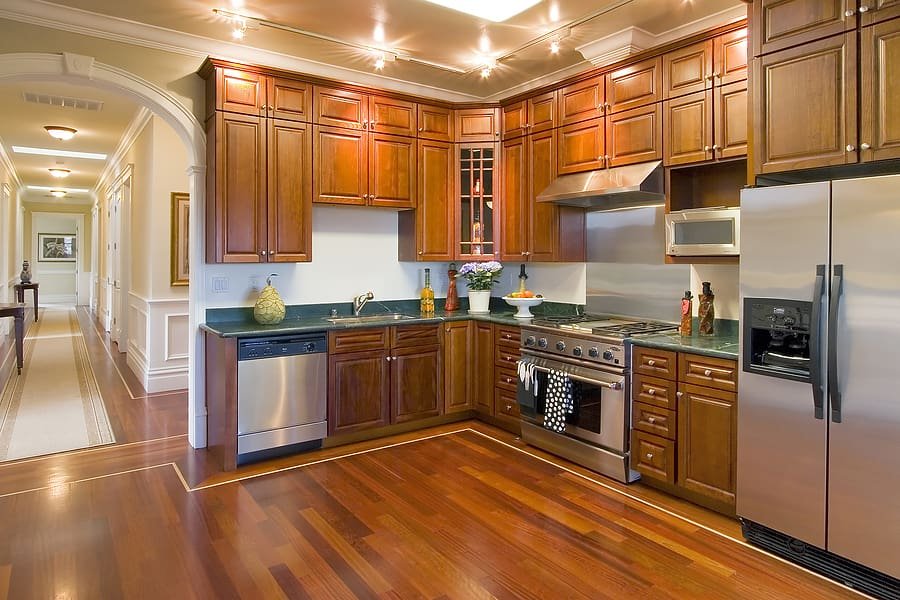
Choosing the right material for your kitchen cabinets can feel overwhelming. After all, these cabinets aren’t just storage—they shape the look and feel of your entire kitchen.
You want something durable, stylish, and easy to maintain. But with so many options, how do you pick the perfect one for your space and lifestyle? Keep reading, because we’ll break down everything you need to know to make a confident, smart choice that you’ll love for years to come.

Credit: nelsonkb.com
Factors Influencing Cabinet Material Choice
Choosing the right kitchen cabinet material is important for durability and style. Many factors affect this choice.
Knowing these factors helps you pick the best material for your needs and budget.
Budget
Your budget limits which materials you can afford. Some materials cost more than others.
Wood cabinets are usually more expensive. Laminates and MDF tend to be cheaper options.
- Wood: higher cost, classic look
- MDF: affordable, smooth finish
- Laminates: budget-friendly, easy maintenance
Durability
Durability means how well the cabinet lasts over time. Choose materials that resist wear and damage.
Solid wood is strong and long-lasting. Particleboard may not hold up well in moist areas.
- Solid wood: very durable
- MDF: good but can swell with water
- Particleboard: less durable
Appearance
The look of your cabinets sets the kitchen style. Different materials offer various finishes and colors.
Wood shows natural grain. Laminates can mimic wood or offer bright colors and patterns.
- Wood: natural and warm
- MDF: smooth and paintable
- Laminates: many colors and patterns
Maintenance
Some materials need more care to stay nice. Think about how much time you want to spend cleaning.
Laminates are easy to clean. Wood may need regular polishing or sealing.
- Wood: needs polish and sealing
- MDF: easy to clean but avoid water
- Laminates: very low maintenance
Environmental Impact
Some materials are better for the environment. Think about using eco-friendly or recycled options.
Wood from sustainable forests is good. MDF and particleboard use wood waste but may have chemicals.
- Sustainable wood: renewable and natural
- MDF: uses recycled wood fibers
- Particleboard: recycled but may emit VOCs
Moisture Resistance
Kitchens can be humid or wet. Choose materials that resist water damage in these areas.
Laminates resist moisture well. Wood and MDF can swell or warp if exposed to water often.
- Laminates: high moisture resistance
- Wood: moderate resistance, needs care
- MDF: low resistance, avoid water

Credit: impressionskitchens.com
Solid Wood Cabinets
Solid wood cabinets are popular for kitchen designs. They provide a classic and natural look.
These cabinets are made entirely from hardwood or softwood. They offer durability and style.
Pros And Cons Of Solid Wood
Solid wood cabinets have many benefits for kitchens. They also have some drawbacks to consider.
- Pros:Long-lasting and strong material
- Pros:Easy to repair and refinish
- Pros:Unique natural grain and texture
- Cons:Can be expensive compared to other materials
- Cons:May warp or crack with moisture changes
- Cons:Heavy and harder to install
Best Wood Types For Cabinets
Different woods suit kitchen cabinets. Choose wood based on durability and style.
- Oak:Very strong with a visible grain pattern
- Maple:Smooth texture and light color
- Cherry:Rich color that darkens over time
- Hickory:Hard and rustic look
- Birch:Fine grain and affordable price
Plywood Cabinet Benefits
Plywood is a popular choice for kitchen cabinets. It offers strength and looks good in many kitchens.
Many people choose plywood because it lasts long and handles daily kitchen use well.
Construction And Durability
Plywood is made by gluing thin layers of wood together. This makes it strong and stable.
It resists warping and cracking better than other materials like particleboard.
- Strong and holds screws well
- Less likely to bend or break
- Good resistance to moisture
- Lasts many years with proper care
Cost Considerations
Plywood cabinets cost more than particleboard but less than solid wood. They offer good value.
Choosing plywood means you get durable cabinets without spending too much.
- Mid-range price compared to other materials
- Long lifespan reduces need for replacements
- Good balance of cost and quality

Credit: www.designcafe.com
Medium Density Fiberboard (mdf)
Medium Density Fiberboard, or MDF, is a popular material for kitchen cabinets. It is made by compressing wood fibers with resin and wax. This process creates a smooth, flat surface that is good for painting and finishing.
MDF is often chosen for its affordability and versatility. It can mimic the look of solid wood but at a lower cost. Many homeowners consider MDF for kitchen cabinets because it balances price and appearance.
Advantages Of Mdf
MDF is strong and stable. It does not warp or crack easily like natural wood. This makes it a reliable choice for kitchen cabinets that need to last.
The smooth surface of MDF allows for easy painting. You can get a clean, modern look without the knots or grains found in wood. It also holds screws and fasteners well.
- Cost-effective compared to solid wood
- Smooth surface for painting or laminates
- Resists warping and splitting
- Easy to shape and cut
- Holds screws and nails firmly
Potential Drawbacks
MDF is sensitive to water damage. If it gets wet, it can swell and lose strength. This is a concern in kitchens where moisture is common.
MDF is heavier than plywood or particleboard. This weight can make installation harder. Also, it can produce fine dust when cut, which needs careful handling.
- Can swell if exposed to moisture
- Heavier than some other materials
- Needs careful dust control when cutting
- Not as strong as solid wood in some cases
Particle Board Options
Particle board is a common choice for kitchen cabinets. It is made by pressing wood particles with glue.
This material offers different options based on how you want your cabinets to look and last.
Affordability And Strength
Particle board is one of the cheapest materials for kitchen cabinets. It costs less than solid wood or plywood.
It is not as strong as plywood but works well for many kitchen uses. It can handle daily wear if cared for properly.
- Low cost makes it budget-friendly
- Moderate strength suits light to medium use
- Can swell if exposed to water
- Best for dry areas in the kitchen
Surface Finish Variations
Particle board cabinets come with many surface finishes. These finishes protect the material and add style.
Common finishes include laminate, melamine, and veneer. Each finish changes the look and feel of the cabinet.
- Laminate:Durable and easy to clean
- Melamine:Smooth and resistant to scratches
- Veneer:Thin wood layer for a natural look
Laminate Cabinets
Laminate cabinets use a plastic-coated surface on wood or particleboard. They are popular for kitchens because they are affordable and come in many styles.
These cabinets can look like wood, metal, or other materials. They offer a good balance of style and cost for many homes.
Design Flexibility
Laminate cabinets come in many colors and patterns. You can find matte, glossy, or textured finishes.
This material allows easy customization. It can mimic wood grain or other natural surfaces well.
- Wide range of colors
- Different textures and finishes
- Can imitate wood, stone, or metal
- Works with modern and classic styles
Maintenance Needs
Laminate cabinets are easy to clean. Most dirt and spills wipe away with a damp cloth.
They resist stains and scratches better than wood surfaces. Avoid harsh chemicals to keep the surface safe.
- Clean with mild soap and water
- Avoid abrasive cleaners
- Wipe spills quickly to prevent damage
- Regular cleaning keeps them looking new
Thermofoil Cabinets
Thermofoil cabinets have a smooth plastic finish over an MDF core. They look like painted wood but cost less.
These cabinets are popular for their clean appearance and easy cleaning. They fit many kitchen styles.
Moisture Resistance
Thermofoil cabinets resist moisture better than wood veneer. The plastic layer protects the core from water.
Still, too much water can damage the edges. Clean spills quickly to keep cabinets in good shape.
- Plastic coating blocks moisture
- Edges are vulnerable to water damage
- Wipe up spills to avoid swelling
Style And Color Choices
Thermofoil cabinets come in many colors and styles. They often have a glossy or matte finish.
You can find simple flat panels or raised designs. These cabinets suit both modern and traditional kitchens.
- Wide range of colors from white to dark
- Glossy and matte finishes available
- Flat or textured panel designs
Metal Cabinets
Metal cabinets are a popular choice for kitchen storage. They offer a sleek look and strong build.
These cabinets fit well in many kitchen styles and last a long time with proper care.
Modern Aesthetics
Metal cabinets give kitchens a clean and modern look. Their smooth surfaces reflect light well.
They come in many finishes like stainless steel, matte, or glossy paint. This variety suits different styles.
- Shiny stainless steel offers a professional feel
- Matte finishes create a soft, modern look
- Color options add personality to your kitchen
- Simple lines match minimalist designs
Durability Factors
Metal cabinets resist water and heat better than wood. This makes them good for busy kitchens.
They do not warp or crack easily. Metal also stands up to dents and scratches.
- Steel and aluminum are common metals used
- Powder coating prevents rust and corrosion
- Metal cabinets need less maintenance
- They last longer in moist environments
Eco-friendly Material Options
Choosing the right kitchen cabinet material can help protect the planet. Eco-friendly options reduce waste and save resources.
Many materials offer strength and style while being kind to the environment. Let’s explore these choices for your kitchen.
Sustainable Choices
Sustainable materials come from sources that can renew quickly. They cause less harm to nature during production.
Wood from certified forests, bamboo, and recycled wood are good examples. These materials help keep forests healthy.
- FSC-certified wood ensures responsible forest management
- Bamboo grows fast and is very strong
- Recycled wood lowers the need for new lumber
Environmental Impact
Some materials use more energy and water to make. Others give off harmful gases that pollute the air.
Choosing low-impact materials helps reduce pollution and climate change. It also keeps your indoor air cleaner.
- Low-VOC paints and finishes reduce toxic fumes
- Reclaimed wood saves trees and landfill space
- Natural materials break down easier after use
Budget Considerations
Choosing the right kitchen cabinet material depends a lot on your budget. Different materials cost different amounts.
Understanding costs helps you pick a material that fits your budget and needs.
Cost Of Solid Wood Cabinets
Solid wood cabinets are strong and look classic. They cost more than other types.
The price depends on the wood type and finish you choose.
- Oak and maple are mid-priced options
- Cherry and walnut tend to be more expensive
- Solid wood can last many years with care
Affordable Options: Mdf And Particleboard
MDF and particleboard cost less than solid wood. They are good for tight budgets.
These materials can be finished with paint or laminate for a nice look.
- MDF has a smooth surface for painting
- Particleboard is lighter but less durable
- Both options need protection from water
Benefits And Costs Of Plywood Cabinets
Plywood is stronger than particleboard but costs more. It is a good middle option.
It resists moisture better and lasts longer in kitchens.
- More durable than MDF and particleboard
- Priced between solid wood and MDF
- Good for kitchen environments with moisture
Cost Impact Of Cabinet Finishes
Finish type affects the total cost of cabinets. Paint, stain, or laminate add to prices.
Simple finishes cost less, while custom or high-gloss finishes cost more.
- Painted finishes are usually cheaper
- Stained wood shows natural grain and costs more
- Laminate finishes are affordable and come in many colors
Installation And Maintenance Costs
Installation prices vary by cabinet material and complexity. Some materials need more care.
Consider future maintenance costs when choosing materials to save money long term.
- Solid wood may need refinishing over time
- MDF and particleboard may need more repair if damaged
- Plywood cabinets require less maintenance than cheaper options
Matching Cabinets With Kitchen Style
Choosing the right cabinet material helps match your kitchen style. The material sets the tone for the whole room.
Different kitchen styles need different cabinet materials. This makes the space look balanced and beautiful.
Modern Kitchens
Modern kitchens often use sleek, smooth surfaces. Materials like laminate or high-gloss acrylic work well.
These materials reflect light and create a clean look. They also come in many colors and finishes.
- Laminate: affordable and smooth
- High-gloss acrylic: shiny and bright
- Metal: adds an industrial feel
Traditional Kitchens
Traditional kitchens look best with wood cabinets. Solid wood like oak or maple adds warmth.
Wood can be stained or painted to fit the style. It gives a timeless and classic feel.
- Oak: strong and grainy
- Maple: smooth and light
- Cherry: rich and dark
Rustic Kitchens
Rustic kitchens use natural, rough textures. Reclaimed wood or knotty pine suit this style well.
These materials show knots and grains. They create a cozy, lived-in look.
- Reclaimed wood: eco-friendly and unique
- Knotty pine: rustic and warm
- Barn wood: aged and textured
Contemporary Kitchens
Contemporary kitchens blend old and new styles. Materials like MDF with veneer or painted finishes work well.
They offer smooth surfaces and clean lines. These cabinets fit well with modern appliances and fixtures.
- MDF with wood veneer: smooth and stable
- Painted MDF: colorful and clean
- Glass inserts: add light and space
Industrial Kitchens
Industrial kitchens use raw and durable materials. Metal and plywood cabinets fit this style.
These materials look strong and simple. They often have exposed hardware for a rugged look.
- Steel: tough and modern
- Plywood: natural and simple
- Concrete-look finishes: raw and cool
Tips For Long-lasting Cabinets
Choosing the right kitchen cabinet material helps your cabinets last longer. Strong materials resist wear and damage.
This guide shares easy tips to pick durable cabinet materials for your kitchen.
Consider Solid Wood For Strength
Solid wood cabinets are tough and long-lasting. They handle daily use well and can be repaired easily.
Choose hardwoods like oak, maple, or cherry for better resistance to dents and scratches.
Look For Quality Plywood
Plywood is made from layers of wood glued together. It is strong and less likely to warp than particleboard.
High-grade plywood resists moisture and holds screws tightly for better cabinet durability.
Avoid Low-quality Particleboard
Particleboard is cheaper but less durable. It swells and breaks when wet or stressed.
Use particleboard only in low-moisture areas or with good protective finishes.
Choose Durable Finishes
Finishes protect cabinet surfaces from scratches and stains. Look for finishes like laminate or solid paint.
Good finishes make cleaning easy and keep cabinets looking new longer.
Check For Moisture Resistance
Kitchens have high humidity and spills. Choose materials that resist water damage and warping.
- Marine plywood offers strong moisture resistance
- Laminate surfaces repel water
- Seal wood with water-resistant varnish
Think About Maintenance Needs
Some materials need more care than others. Pick materials you can easily clean and maintain.
Materials like solid wood and laminate require regular cleaning but last longer with good care.
Frequently Asked Questions
What Are The Most Durable Kitchen Cabinet Materials?
Solid wood, plywood, and medium-density fiberboard (MDF) are highly durable. Solid wood offers strength but can be costly. Plywood balances durability and affordability. MDF is smooth and resistant to warping but less strong than plywood.
How To Choose Cabinet Material For Budget Kitchens?
Laminate and thermofoil cabinets are budget-friendly options. Laminate offers variety and easy cleaning. Thermofoil resists moisture and is affordable. Both materials provide decent durability for lower-cost kitchen remodels.
Which Cabinet Material Is Best For Moisture Resistance?
Thermofoil, laminate, and certain treated plywood resist moisture well. Thermofoil prevents water damage with a plastic coating. Laminate is water-resistant and easy to clean. Moisture-resistant plywood is ideal for humid kitchen environments.
Are Solid Wood Cabinets Worth The Investment?
Yes, solid wood cabinets offer excellent durability and timeless beauty. They can be refinished multiple times. Though costly, they add value to your home and last for decades.
Conclusion
Choosing the right kitchen cabinet material affects your kitchen’s look and feel. Think about durability, style, and your budget. Wood offers warmth but needs care. Laminate is easy to clean and affordable. Consider how much time you spend cooking and cleaning.
Choose a material that fits your lifestyle well. A good choice makes your kitchen both beautiful and practical. Take your time to decide what suits you best. This helps create a space you enjoy every day.