
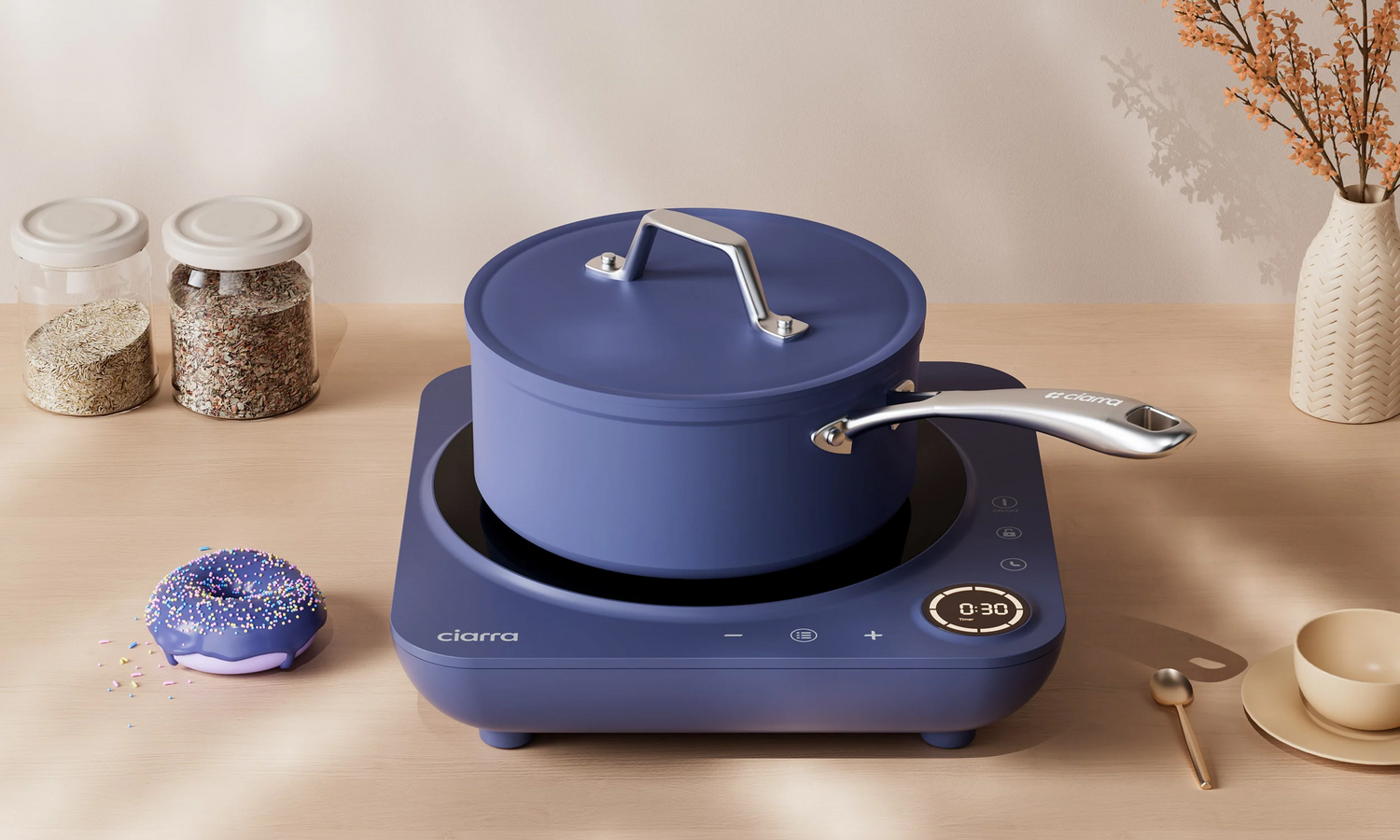
Are you tired of high energy bills and long cooking times? Choosing the right energy-saving stovetop can make a big difference in your kitchen and your wallet.
But with so many options out there, how do you pick the best one for your needs? This guide will help you understand what to look for, so you can cook smarter, save money, and enjoy a more efficient kitchen.
Keep reading—you’re about to discover simple tips that will change the way you cook forever.
Benefits Of Energy-saving Stovetops
Energy-saving stovetops help you save money. They also reduce your home’s carbon footprint. These stovetops are efficient and smart choices for cooking.
Choosing the right stovetop can impact your daily life. Let’s explore the benefits of energy-saving stovetops.
Lower Utility Bills
Energy-saving stovetops use less power. This means you spend less on electricity. Over time, savings can be significant.
Using less energy helps your budget. It also makes your home more efficient.
Environmental Impact
Energy-efficient stovetops produce fewer emissions. They help reduce air pollution and conserve resources.
Choosing such stovetops supports a healthier planet. Every small action contributes to environmental protection.
Enhanced Cooking Efficiency
Energy-saving stovetops heat quickly. This makes cooking faster and more efficient. Food cooks evenly with better temperature control.
Efficient cooking saves time. It also improves the quality of your meals.
Credit: www.popsci.com
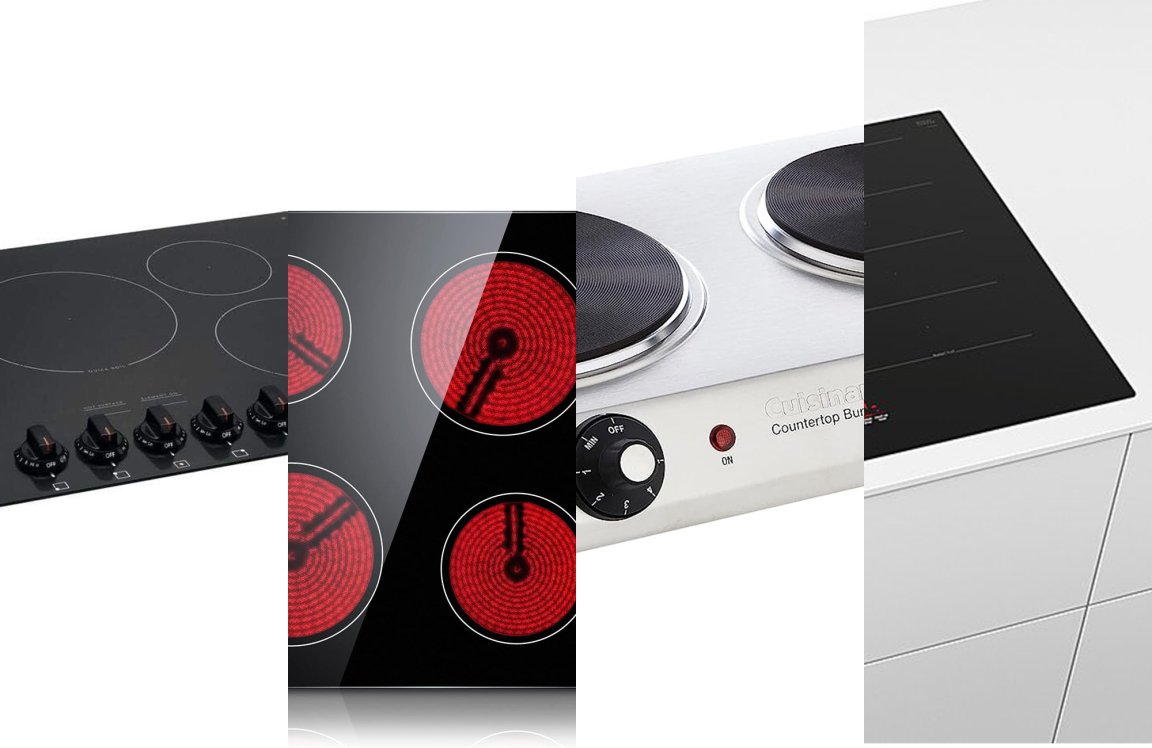
Types Of Energy-saving Stovetops
Choosing an energy-saving stovetop helps reduce electricity or gas use. It also lowers your utility bills and protects the environment.
There are different types of stovetops designed to save energy. Each type works in a unique way to cook food efficiently.
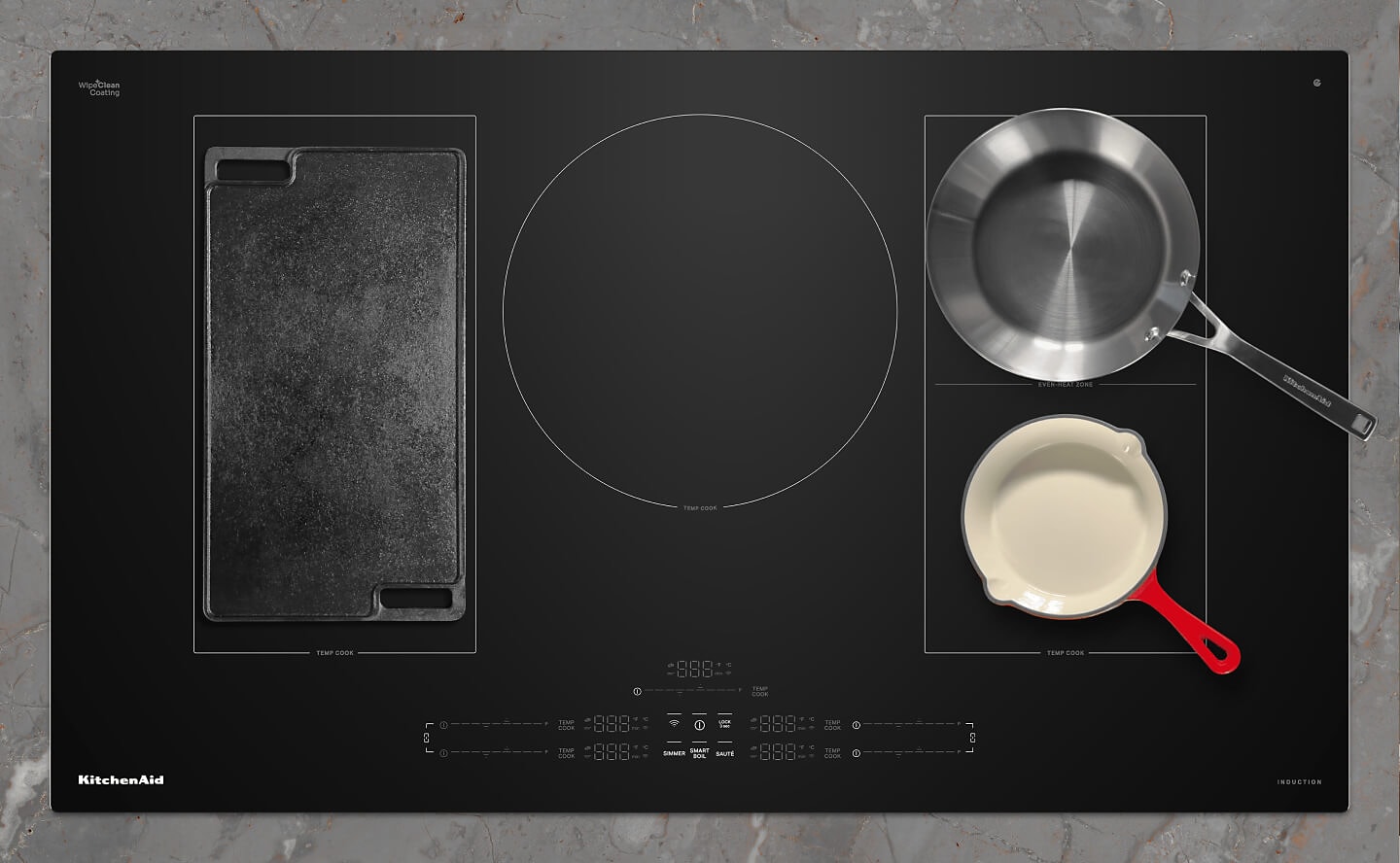
Induction Cooktops
Induction cooktops use magnetic fields to heat pots directly. This method wastes less energy than other stovetops.
They heat up quickly and cool down fast. This makes cooking faster and safer while saving power.
- Uses electromagnetic energy
- Only heats the cookware, not the surface
- Works with magnetic pots and pans
- Offers precise temperature control
Ceramic Glass Stovetops
Ceramic glass stovetops have a smooth surface made of glass and ceramic. They use electric heating elements underneath the surface.
They are easy to clean and look modern. These stovetops save energy by distributing heat evenly over the cookware.
- Flat and smooth surface
- Electric coils or halogen lamps heat under glass
- Heats cookware evenly
- Retains heat for a short time after cooking
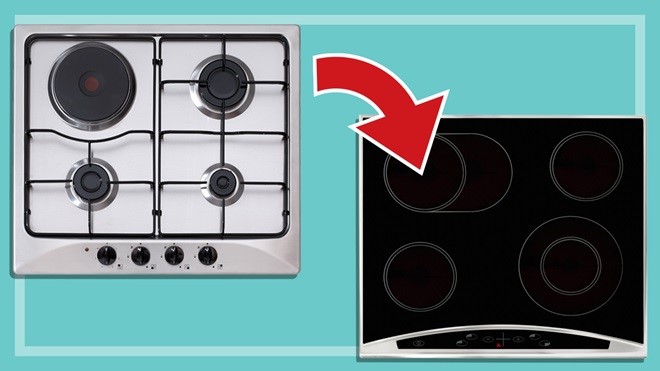
Gas Stovetops With Efficiency Features
Gas stovetops use a flame to cook food. Models with efficiency features use less gas and give better heat control.
These stovetops have sealed burners and precise flame settings. This reduces wasted heat and saves fuel.
- Sealed burners prevent heat loss
- Flame adjustment for efficient cooking
- Fast heating and cooling
- Works well with all types of cookware
Electric Coil Stovetops
Electric coil stovetops use metal coils that heat up when powered. They are common and affordable energy-saving options.
Coils heat slowly but keep heat longer. They save energy by maintaining steady cooking temperatures.
- Metal coils heat up with electricity
- Good heat retention after turning off
- Simple design and easy to use
- Works with all cookware types
Key Features To Consider
Choosing an energy-saving stovetop can help reduce your electricity bills. It also lowers your home’s carbon footprint.
Look for features that improve efficiency and safety. These features make cooking easier and safer.
Energy Efficiency Ratings
Energy efficiency ratings show how much power a stovetop uses. A higher rating means it uses less energy.
Check labels or product details for energy star certifications. These ratings help you pick a model that saves energy.
Heat Distribution And Control
Good heat distribution cooks food evenly. It stops hot spots that burn food or waste energy.
Look for stovetops with precise heat control. It lets you adjust the temperature quickly for different cooking needs.
- Even heat spread on all burners
- Easy-to-use temperature controls
- Fast heating and cooling features
Safety Mechanisms
Safety features protect you and your family in the kitchen. They prevent accidents and reduce fire risks.
Look for automatic shut-off and child lock functions. These features keep the stovetop safe to use every day.
- Auto shut-off if no pot is detected
- Child safety locks on controls
- Heat indicators to warn if surface is hot
Size And Burner Configuration
Pick a stovetop size that fits your kitchen space well. It should also match your cooking habits.
Check the number and size of burners. More burners help when cooking many dishes at once.
| Burner Size | Best For |
|---|---|
| Small | Simmering sauces and small pots |
| Medium | Everyday cooking tasks |
| Large | Boiling water quickly or big pans |
Material And Build Quality
Choosing the right material and build quality is important for energy-saving stovetops. The surface material affects durability, cleaning, and heat use. Good materials can save energy and last longer.
Understanding different materials helps you pick a stovetop that works well for your kitchen. This guide explains key features to consider.
Durability Of Surface Materials
Durable surfaces resist scratches, cracks, and stains. Stovetops with strong materials stay in good shape for years. This reduces the need to replace them often.
Common durable materials include tempered glass, ceramic, and stainless steel. Each type handles heat and wear differently. Choose one that fits your cooking style and budget.
- Tempered glass resists heat and scratches
- Ceramic surfaces offer strong heat resistance
- Stainless steel is tough and long-lasting
Ease Of Cleaning
A smooth surface makes cleaning quick and simple. Some materials collect less dirt and grease. This helps keep your stovetop energy efficient and hygienic.
Look for surfaces that wipe clean with little effort. Avoid materials that stain easily or need special cleaners.
- Tempered glass cleans easily with a damp cloth
- Ceramic resists stains but may need gentle cleaning
- Stainless steel can show smudges but cleans well with polish
Heat Retention Properties
Materials that hold heat well use energy more efficiently. Heat retention helps cook food evenly and reduces energy waste. It also keeps the stovetop warm for a while after use.
Choose materials that balance fast heating with good heat retention. This saves energy and improves cooking results.
- Ceramic keeps heat longer, reducing energy use
- Tempered glass heats quickly but cools fast
- Stainless steel transfers heat efficiently but cools slower
Compatibility With Cookware
Choosing an energy-saving stovetop means checking if your cookware works well with it. Not all pots and pans fit every stovetop type.
Cookware compatibility affects how well your stovetop saves energy and cooks food evenly.
Suitable Cookware Types
Each energy-saving stovetop has cookware types that work best. This depends on the heating method used.
Induction stovetops need magnetic cookware like cast iron or stainless steel. Gas and electric stovetops are more flexible.
- Induction: cast iron, magnetic stainless steel
- Electric coil: most pots and pans
- Gas: almost all cookware types
- Glass ceramic: flat-bottomed pots
Impact On Cooking Performance
The right cookware improves heat use and cooking speed. Poorly matched pots waste energy and cook unevenly.
Flat and smooth-bottomed cookware fits stovetop surfaces better. This improves heat transfer and saves energy.
- Flat bottoms increase surface contact
- Thick materials hold heat longer
- Magnetic bases work with induction
- Non-flat pots cause uneven cooking
Smart And Advanced Features
Energy-saving stovetops have smart features that help save power. These features make cooking easier and more efficient.
Choosing the right stovetop means looking at the technology inside. Smart controls, sensors, and connectivity are key parts.
Touch Controls And Timers
Touch controls let you change settings with a simple tap. They are easy to use and clean because they have no knobs.
Timers help you cook food perfectly. You can set a time, and the stovetop will turn off or alert you when done.
- Precise heat adjustments with touch
- Easy-to-read digital displays
- Automatic shut-off after timer ends
Temperature Sensors
Temperature sensors monitor the heat of your pots and pans. They keep the temperature steady to save energy.
Sensors prevent overheating and reduce wasted power. They also help cook food evenly and avoid burning.
- Maintains consistent cooking temperature
- Reduces energy use by avoiding extra heat
- Protects cookware from damage
Connectivity And App Integration
Some stovetops connect to your smartphone or tablet. Apps let you control cooking from anywhere in your home.
App integration offers features like remote start, cooking alerts, and energy usage tracking. This helps you save power and time.
- Remote control via phone or tablet
- Receive alerts when cooking is done
- Monitor energy use for savings
Budget And Cost Considerations
Choosing an energy-saving stovetop means thinking about your budget. It is important to balance price and savings.
Some models cost more upfront but save money over time. Understanding these costs helps you pick the right stove.
Initial Investment Vs Long-term Savings
Energy-saving stovetops may have a higher initial price. This cost covers better technology and materials.
Over time, these stoves use less electricity or gas. This leads to lower energy bills and savings.
- Higher purchase cost can mean lower running costs
- Energy-efficient models reduce monthly utility bills
- Consider how long you plan to use the stove
- Calculate break-even point for your investment
Warranty And Support
Warranty shows the manufacturer’s confidence in the stove. A good warranty covers parts and repairs.
Support helps if you have problems with your stovetop. Check if customer service is easy to reach.
- Look for at least one year warranty coverage
- Check if warranty includes labor and parts
- Find out how to contact support quickly
- Read reviews on service quality before buying
User Reviews And Brand Reputation
Choosing an energy-saving stovetop needs careful thought. User reviews and brand reputation help buyers make smart choices.
Reviews show real experiences. Brand reputation tells if a company is trustworthy and reliable.
Reliability And Customer Feedback
Reliable stovetops work well for a long time without problems. Customer feedback often points out how well the product lasts.
Look for reviews that mention energy savings and durability. These comments show if the stovetop meets expectations.
- Check for consistent positive reviews on energy efficiency
- Note any common issues reported by users
- See how the brand responds to customer complaints
Popular Brands In The Market
Some brands are known for making quality energy-saving stovetops. Their reputation helps buyers trust their products.
These brands often appear in reviews with high ratings and good customer service feedback.
- Brand A: Known for durable and efficient stovetops
- Brand B: Offers affordable and easy-to-use models
- Brand C: Focuses on advanced energy-saving technology
- Brand D: Provides excellent customer support
Installation And Maintenance Tips
Choosing an energy-saving stovetop is a smart way to save power. Proper installation and maintenance keep it working well.
Good care helps your stovetop last longer and use less energy. Below are tips on installation and cleaning.
Professional Vs Diy Installation
Installing an energy-saving stovetop can be done by a pro or yourself. Each choice has benefits and risks.
Professionals have the right tools and knowledge. They ensure the stovetop fits and works safely.
- Experts check electrical or gas connections correctly
- They follow local codes and safety rules
- They can fix problems during installation
DIY installation can save money but requires care. Read the manual and have tools ready.
- Turn off power or gas before starting
- Follow step-by-step instructions carefully
- Check connections for leaks or faults
- Ask for help if unsure about any step
Cleaning And Upkeep For Efficiency
Cleaning your stovetop often keeps it working well. Dirt and grease can slow down heating.
Regular upkeep helps save energy and prevents damage to parts.
- Wipe spills quickly to avoid buildup
- Use soft cloths and mild cleaners
- Clean burner parts and grates regularly
- Check for clogged gas ports or electric coils
- Inspect cords and plugs for wear or damage
Schedule a deeper cleaning and checkup every few months. This keeps your stovetop safe and efficient.
Credit: asthma.org.au
Credit: www.kitchenaid.com
Frequently Asked Questions
What Factors Affect Energy Efficiency In Stovetops?
Energy efficiency depends on stovetop type, burner size, and heat control. Induction stovetops are the most efficient. Proper matching of pan size to burner size also saves energy by reducing heat loss.
How Do Induction Stovetops Save Energy?
Induction stovetops use magnetic fields to heat pans directly. This reduces heat waste and cooks food faster. They are up to 90% energy efficient compared to traditional gas or electric stovetops.
Are Ceramic Stovetops Energy-saving Options?
Ceramic stovetops offer moderate energy efficiency. They heat evenly but retain heat longer. This can waste energy if not turned off promptly. They are less efficient than induction but more efficient than coil electric models.
Can Stovetop Design Impact Cooking Energy Use?
Yes, stovetop design affects heat distribution and retention. Flat, smooth surfaces improve pan contact, reducing energy loss. Efficient burner arrangement also helps by providing the right heat for different cooking needs.
Conclusion
Choosing the right energy-saving stovetop saves money and energy. Think about your cooking style and kitchen size first. Check the stovetop’s energy rating and features carefully. Pick a model that fits your budget and needs well. Simple habits also help reduce energy use while cooking.
Small changes make a big difference over time. Use this guide to find a stovetop that works best for you. Save energy, cook smart, and enjoy your meals.