
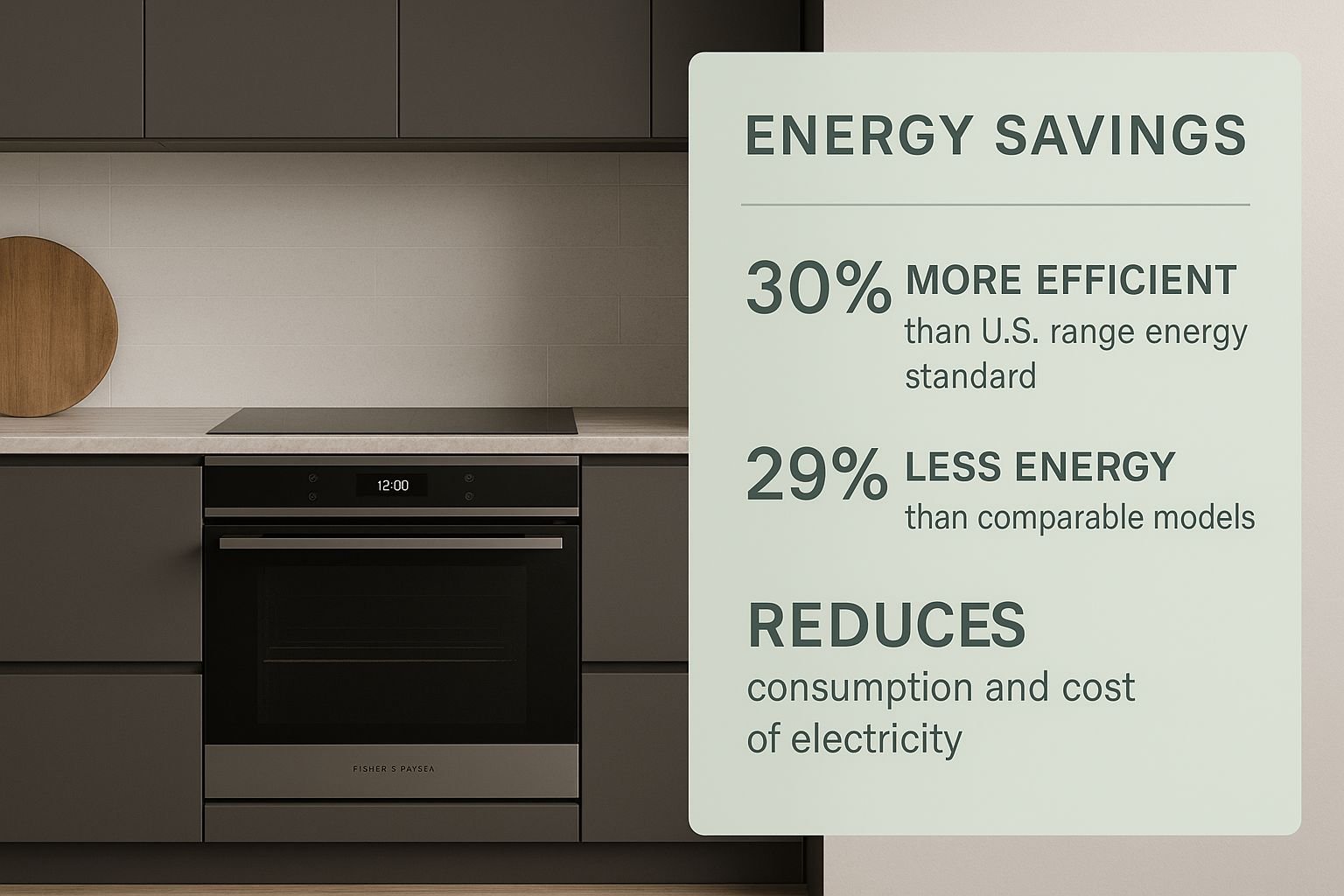
Choosing the right oven can make a big difference in your kitchen and your energy bills. You want an oven that cooks well but doesn’t waste electricity or gas.
But with so many options out there, how do you pick the most energy-efficient one? This guide will help you understand what features to look for and how to spot an oven that saves you money and helps the environment.
Keep reading to make a smart choice that fits your needs and lifestyle.

Credit: www.consumerreports.org
Benefits Of Energy-efficient Ovens
Energy-efficient ovens save money and help the environment. They are designed to use less energy while cooking your meals perfectly.
These ovens come with features that improve performance. They also have a positive impact on your utility bills and the planet.
Lower Utility Bills
Energy-efficient ovens reduce the amount of energy used. This leads to smaller utility bills every month.
Less energy consumption means you spend less on electricity. This helps save money for other important needs.
- Use less electricity
- Reduce monthly costs
- Free up budget for other expenses
Environmental Impact
These ovens help the planet by using less energy. They contribute to reducing carbon footprints.
Less energy use means fewer greenhouse gases. This helps in the fight against climate change.
- Lower energy consumption
- Reduce carbon emissions
- Support a healthier planet
Improved Cooking Performance
Energy-efficient ovens cook food evenly and quickly. They maintain the right temperature for better results.
These ovens often have advanced features. They ensure your food is cooked perfectly every time.
| Feature | Benefit |
| Even cooking | Better-tasting meals |
| Advanced controls | Precise temperature settings |
| Quick heating | Reduced cooking time |
Types Of Energy-efficient Ovens
Energy-efficient ovens save electricity and reduce bills. They cook food well while using less power.
Different ovens use energy in unique ways. Knowing the types helps you pick the best one.
Convection Ovens
Convection ovens have fans that move hot air. This cooks food faster and more evenly.
Because they cook faster, they use less energy than regular ovens. They are good for baking and roasting.
Microwave Ovens
Microwave ovens use microwaves to heat food quickly. They use less energy than traditional ovens.
They are best for reheating or cooking small meals. Using a microwave saves time and power.
Steam Ovens
Steam ovens cook food with steam instead of dry heat. This method uses less energy.
Steam ovens keep food moist and healthy. They are good for vegetables, fish, and bread.
Combination Ovens
Combination ovens mix convection heat and steam. This helps cook food quickly and evenly.
They use energy smartly by combining methods. These ovens suit many types of cooking styles.
Key Features To Look For
Choosing an energy-efficient oven helps save electricity and lowers bills. Look for ovens with features that use less energy.
Understanding key features helps you pick the best oven for your kitchen and budget. Focus on these important parts.
Energy Star Ratings
Energy Star ratings show how much energy an oven uses. Ovens with this label use less energy than standard models.
Choosing an Energy Star oven means your appliance meets strict energy-saving rules. This reduces power use and costs.
- Look for the Energy Star label on the oven
- Check the estimated yearly energy use
- Compare ratings to find the most efficient model
Insulation Quality
Good insulation keeps heat inside the oven. It uses less energy to keep a steady temperature.
Ovens with thick insulation reduce heat loss. This helps cook food faster and saves electricity.
- Check if the oven door has a tight seal
- Look for multi-layer glass doors
- Ask about the insulation material used
Temperature Controls
Precise temperature controls help keep the oven at the right heat. This stops energy waste from overheating.
Digital controls and timers allow you to set exact cooking times and temperatures. This improves energy use.
- Look for ovens with digital temperature displays
- Choose models with programmable timers
- Check if the oven has automatic shutoff features
Self-cleaning Functions
Self-cleaning ovens use high heat to burn off food residue. This saves time and energy on manual cleaning.
Choose ovens with efficient self-cleaning cycles. They use less electricity and keep the oven in good condition.
- Look for pyrolytic or steam cleaning options
- Check the duration of cleaning cycles
- Consider energy use during cleaning
:max_bytes(150000):strip_icc()/ses-anova-precision-oven-2-0-donna-currie-02-cc563620c6a2475ebdb81687ef919bbc.jpeg)
Credit: www.thespruceeats.com
Size And Capacity Considerations
Choosing an energy-efficient oven means thinking about its size and capacity. The right size helps save energy and fits your cooking needs.
Oven size affects how much power it uses and how well it cooks your food. Picking the correct size can lower energy waste.
Choosing The Right Size
Select an oven size that fits your kitchen space. A big oven uses more energy even if you cook small meals.
Measure your kitchen area before buying. Choose a size that allows easy movement and ventilation.
- Small ovens save energy for small kitchens
- Medium ovens fit most family needs
- Large ovens suit big families or frequent cooking
Matching Oven Capacity To Needs
Pick an oven capacity based on how much food you cook. Using a large oven for small meals wastes energy.
Think about the number of people you cook for and the types of meals you prepare.
- Small capacity (1-2 cubic feet) is good for singles or couples
- Medium capacity (2-4 cubic feet) suits families of 3-5
- Large capacity (4+ cubic feet) works for big families or entertaining
Smart Technologies And Connectivity
Energy-efficient ovens now use smart technology to save power. These ovens connect to your home network and apps. This helps you control the oven easily and reduce energy waste.
Smart ovens make cooking more convenient. You can adjust settings from your phone. This way, the oven only uses energy when needed.
Wi-fi And App Controls
Wi-Fi lets you control the oven from anywhere. You can start, stop, or change cooking modes using an app. This avoids preheating for too long, saving energy.
Apps also send alerts when food is done. This stops the oven from running unnecessarily. Some apps include recipes and cooking tips.
- Turn the oven on or off remotely
- Adjust temperature and timer from your phone
- Receive cooking notifications
Programmable Settings
Programmable settings help the oven use the right energy. You can set specific cooking modes for different foods. This controls heat and time precisely.
Using these settings reduces extra energy use. You avoid overheating or cooking longer than needed. This makes your oven more efficient.
- Preset modes for baking, roasting, and grilling
- Auto shut-off after cooking finishes
- Custom timers for each meal type
Energy Usage Monitoring
Some ovens track how much energy they use. This data shows which settings save the most power. You can change your habits to lower energy bills.
Energy monitoring helps spot waste. For example, leaving the oven on too long uses more electricity. Knowing this helps you cook smarter.
- View real-time energy consumption
- Get tips for reducing energy use
- Compare energy use between cooking modes
Tips For Maximizing Oven Efficiency
Choosing an energy-efficient oven saves power and lowers bills. Using it smartly helps you cook well and waste less energy.
Follow simple tips to get the best from your oven. These ideas make cooking faster and more eco-friendly.
Proper Preheating
Preheat your oven only when needed. Some dishes do not require full preheating. This saves energy and time.
Check your recipe to see if preheating is necessary. Avoid opening the oven door often while preheating.
- Turn on the oven just before placing food inside
- Use an oven thermometer to check temperature
- Keep the oven door closed during preheating
Using The Right Cookware
Cookware affects how heat moves inside the oven. Use pans that conduct heat well for faster cooking.
Glass and metal pans work best. Avoid using oversized pans that block heat circulation.
- Choose flat-bottomed pans for even heat
- Use light-colored cookware to avoid extra heat absorption
- Select the right size to fit your oven racks
Maintaining Oven Seals
Check the oven door seals regularly. Good seals keep heat inside and reduce energy loss.
Replace worn or broken seals quickly. Clean seals gently to keep them flexible and tight.
- Inspect seals for cracks or gaps monthly
- Use warm, soapy water to clean seals
- Replace damaged seals with manufacturer-approved parts
Budgeting And Long-term Savings
Choosing an energy-efficient oven helps save money over time. It may cost more at first but lowers your energy bills.
Understanding the costs and savings can help you pick the best oven for your budget and needs.
Upfront Costs Vs. Savings
Energy-efficient ovens often have higher upfront prices. You pay more when buying but spend less on electricity later.
Think about how long you plan to use the oven. Savings add up over years and can cover the initial cost.
- Higher purchase price means better energy use
- Lower energy bills save money over time
- Longer oven life adds value to your investment
- Compare energy ratings to estimate savings
Incentives And Rebates
Some places offer rebates or discounts for buying energy-efficient ovens. These reduce your upfront cost.
Check local programs or utility companies to find available incentives. They make energy-saving ovens easier to afford.
- Government rebates lower purchase price
- Utility company discounts reward energy efficiency
- Tax credits may apply in some areas
- Programs change often, so check current offers

Credit: www.goodhousekeeping.com
Frequently Asked Questions
What Features Make An Oven Energy-efficient?
Energy-efficient ovens have good insulation, convection technology, and precise temperature control. They use less energy by cooking faster and retaining heat better.
How To Compare Energy Ratings Of Different Ovens?
Look for the Energy Star label or energy consumption info. Compare kilowatt-hour usage and efficiency scores to find the best energy-saving model.
Are Convection Ovens More Energy-saving Than Traditional Ones?
Yes, convection ovens circulate hot air evenly. They cook food faster and at lower temperatures, reducing overall energy use compared to traditional ovens.
Does Oven Size Affect Its Energy Efficiency?
Yes, larger ovens consume more energy. Choose an oven size that fits your cooking needs to avoid wasting energy on heating unused space.
Conclusion
Choosing the right energy-efficient oven saves money and helps the environment. Check energy ratings and size for your cooking needs. Think about features that make cooking easier and faster. A good oven uses less power but cooks well. Take time to compare options before buying.
This way, you get a reliable oven that fits your home. Small steps like these make a big difference over time. Enjoy cooking with less worry about high bills or waste. Energy efficiency matters for your wallet and the planet.