
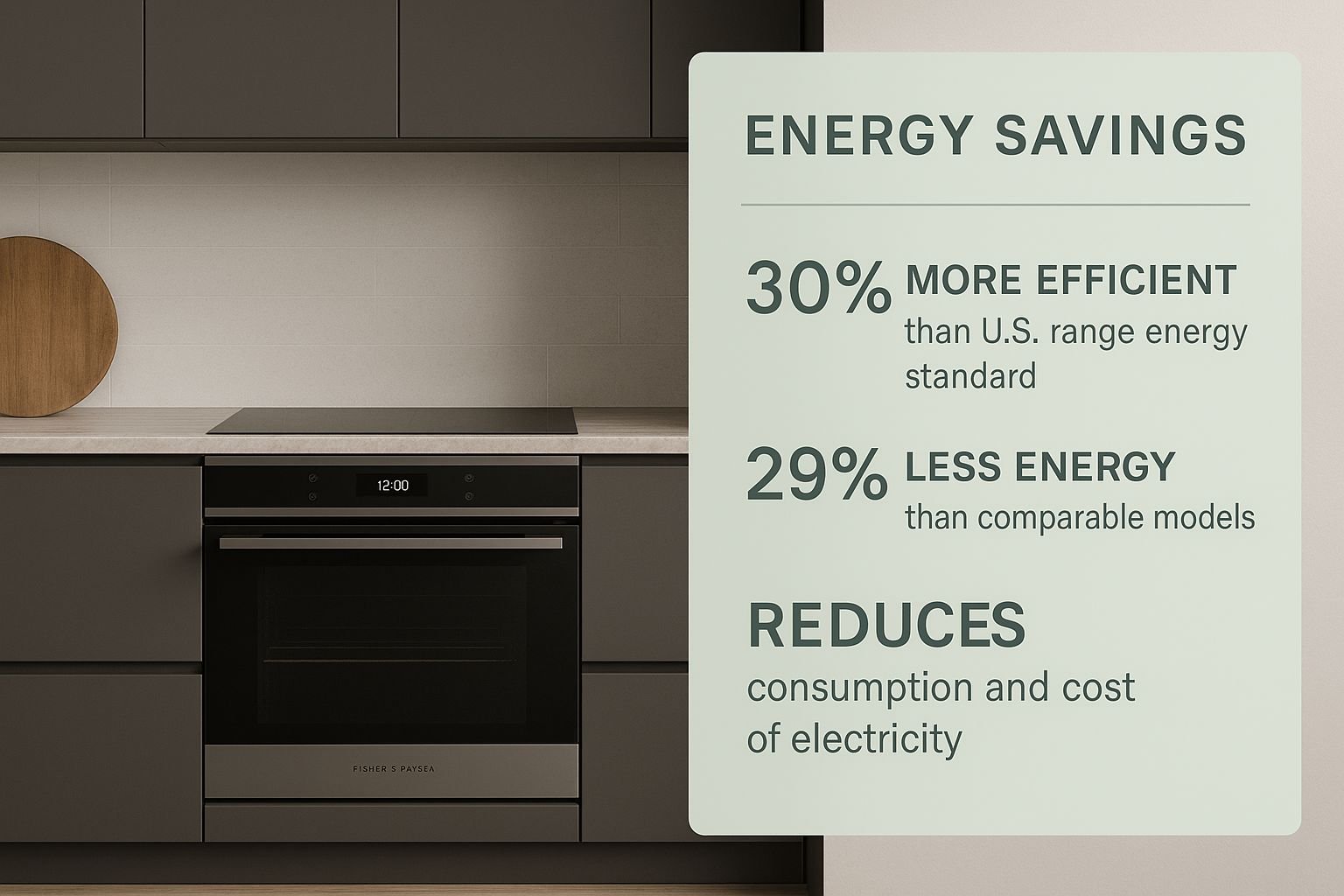
Choosing the right oven can save you a lot of money and energy in the long run. But with so many options out there, how do you find an oven that is truly energy-efficient?
You want something that heats up quickly, cooks evenly, and uses less power without sacrificing performance. You’ll discover simple tips and smart tricks to pick the best energy-efficient oven for your kitchen. Keep reading to learn how your next oven can help you cut bills, reduce waste, and make cooking easier than ever.
Benefits Of Energy-efficient Ovens
Energy-efficient ovens save money and help the environment. They also improve cooking results and make kitchen tasks easier.
Choosing an energy-efficient oven is a smart choice for everyone. It offers many benefits that go beyond just cooking food.
Lower Utility Bills
Energy-efficient ovens use less power. This means you pay less for electricity each month. Saving energy is good for your wallet.
You can cook the same meals with less energy. This makes energy-efficient ovens a cost-effective choice for families.
Reduced Environmental Impact
Using less energy helps the planet. Energy-efficient ovens produce fewer emissions. This is better for the environment.
Every small change can lead to a big impact. Choosing an energy-efficient oven is a step towards a greener future.
Improved Cooking Performance
Energy-efficient ovens heat evenly. This means your food cooks better and tastes great. Consistent temperatures ensure perfect meals.
They often come with advanced features. These features help you cook faster and more precisely, enhancing your cooking experience.
Key Features To Look For
Choosing an energy-efficient oven saves money and helps the environment. Look for features that reduce energy use while cooking.
These features improve oven performance and lower electricity bills. Learn what to check before buying your oven.
Energy Star Certification
Energy Star certification means the oven meets strict energy-saving rules. It uses less electricity than standard ovens.
Buying an Energy Star oven guarantees lower energy costs and less impact on the planet.
Convection Technology
Convection ovens have fans that spread hot air evenly. This cooks food faster and at lower temperatures.
Using less heat saves energy and keeps your food tasty and well cooked.
Smart Controls
Smart controls let you adjust oven settings with a phone or voice commands. They help you cook with precision.
These controls reduce energy waste by avoiding overcooking and keeping track of cooking times.
Insulation Quality
Good insulation keeps heat inside the oven. This means the oven uses less energy to stay hot.
Check for thick walls and high-quality seals to ensure your oven keeps heat well.
- Better insulation lowers energy bills
- Improves cooking consistency
- Reduces heat loss to the kitchen
Types Of Energy-efficient Ovens
Choosing an energy-efficient oven helps save electricity and reduce bills. Different types of ovens use energy in unique ways.
Understanding each oven type can guide you to the best choice for your kitchen and energy needs.
Electric Ovens
Electric ovens use electricity to heat elements inside the oven. They provide even heat and good temperature control.
Many electric ovens have energy-saving features like better insulation and quick preheat modes.
- Consistent temperature for baking and roasting
- Often include convection fans to save cooking time
- Some models have energy-saving power modes
Gas Ovens
Gas ovens use natural gas or propane for heat. They heat up quickly and cool down faster than electric ovens.
Gas ovens tend to use less energy during cooking but may lose more heat when opened.
- Fast heat-up and cool-down times
- Lower energy use during cooking
- Good for high-heat cooking like broiling
Microwave Ovens
Microwave ovens cook food by using waves that heat water molecules. This method uses less energy than traditional ovens.
They are best for quick cooking or reheating small portions. They do not brown or crisp food like other ovens.
- Fast cooking with low energy use
- Ideal for reheating and defrosting
- Not suitable for baking or roasting
Combination Ovens
Combination ovens use two or more cooking methods, such as microwave and convection heat. This saves energy and cooks food evenly.
They offer flexibility and faster cooking times with less energy than using separate appliances.
- Mix of microwave and convection heating
- Energy-efficient and versatile
- Good for baking, roasting, and reheating
:max_bytes(150000):strip_icc()/ses-anova-precision-oven-2-0-donna-currie-02-cc563620c6a2475ebdb81687ef919bbc.jpeg)
Credit: www.thespruceeats.com
Tips For Comparing Oven Models
Choosing an energy-efficient oven can save you money and help the environment. It is important to compare different oven models before buying.
Look at several factors to find the best oven for your needs. These tips will guide you in making a smart choice.
Check Energy Consumption Ratings
Energy ratings show how much electricity an oven uses. Look for ovens with high energy efficiency labels.
Lower energy use means lower bills and less harm to the planet. Compare ratings to find the most efficient model.
- Check the Energy Star label or similar certifications
- Look for oven models with low kWh usage per cycle
- Compare standby power consumption as well
Evaluate Oven Capacity
Oven capacity affects how much food you can cook at once. Choose a size that fits your cooking habits.
Too large an oven wastes energy, while too small one may not meet your needs. Think about family size and meal types.
- Small ovens suit singles or couples
- Medium ovens fit small families
- Large ovens work well for big families or frequent cooking
Read Customer Reviews
Customer reviews give real opinions on oven performance and energy use. Read many reviews to get a clear picture.
Look for comments about energy savings, durability, and ease of use. Reviews highlight problems you might not see in specs.
- Check for consistent energy efficiency feedback
- Note any frequent issues or repairs mentioned
- See if customers recommend the model for long-term use
Consider Warranty And Support
A good warranty shows the manufacturer trusts their oven. It protects you from defects and costly repairs.
Also, check if customer support is easy to reach. Reliable help saves time and trouble if problems arise.
- Look for at least one-year warranty coverage
- Check what parts and services are included
- Find out if support is available by phone or online
Installation And Maintenance For Efficiency
Choosing an energy-efficient oven is only part of saving energy. Proper installation and upkeep keep your oven running well. This helps reduce energy waste and lowers utility bills.
Small habits during installation and maintenance can make a big difference. Follow these tips to get the most from your oven’s energy efficiency.
Proper Oven Placement
Place your oven away from heat sources like direct sunlight or heating vents. Heat can make the oven work harder, using more energy. Also, give it space for air to circulate around it.
Keep the oven away from cabinets or walls to avoid heat damage. A well-ventilated area helps the oven cool down efficiently after use.
Regular Cleaning
Clean your oven often to keep it working efficiently. Food spills and grease build-up reduce heat flow inside the oven. This makes it use more energy to cook food.
Wipe spills quickly and clean the oven interior regularly. Clean the oven door glass and seals too. This keeps heat inside and saves energy.
- Use mild cleaners to avoid damage
- Remove food debris from racks and trays
- Check door seals for dirt and clean gently
- Clean the oven fan and vents if possible
Timely Repairs
Fix oven problems right away to keep energy use low. Broken parts like door seals or heating elements cause heat loss. This wastes energy and raises bills.
Watch for signs like uneven cooking or longer cooking times. Call a professional if you see these. Regular checks prevent small issues from growing.
- Inspect door seals regularly for cracks
- Listen for unusual noises from the oven
- Check heating elements for damage
- Schedule professional maintenance yearly

Credit: www.consumerreports.org
Additional Ways To Save Energy While Cooking
Saving energy in the kitchen helps reduce bills and protects the environment. Simple habits can make your cooking more energy efficient.
Using your oven smartly saves power without changing your meals. Here are some easy tips to save energy while cooking.
Use Oven Timers And Settings Wisely
Set your oven timer to avoid cooking longer than needed. Turn off the oven as soon as food is done to save energy.
Choose the right cooking setting, like convection mode. It cooks food faster and uses less electricity than regular baking.
- Use timers to prevent overcooking
- Turn off oven early to use residual heat
- Choose convection or eco settings if available
Cook Multiple Dishes Simultaneously
Place several dishes in the oven at once to use heat efficiently. Make sure dishes fit without blocking airflow.
This saves energy by reducing the total cooking time. Plan meals that can cook at similar temperatures.
- Use oven racks to fit multiple trays
- Choose dishes with similar cooking times
- Avoid opening the door often to keep heat inside
Avoid Preheating When Possible
Skip preheating for recipes that cook long or at low temperatures. This saves energy and time.
For foods like casseroles or stews, place them in a cold oven and start cooking. Only preheat for baking or roasting when needed.
- Skip preheating for slow cooking dishes
- Preheat only for baking or roasting
- Check recipe instructions for preheating advice

Credit: www.angi.com
Frequently Asked Questions
What Features Define An Energy-efficient Oven?
Energy-efficient ovens have good insulation, precise temperature controls, and convection settings. They use less electricity and cook food faster, reducing energy waste.
How Does Convection Improve Oven Energy Efficiency?
Convection ovens circulate hot air evenly, cooking food quicker. This lowers cooking time and energy use compared to traditional ovens.
Are Electric Or Gas Ovens More Energy Efficient?
Electric ovens generally convert energy more efficiently into heat. However, gas ovens can be cost-effective depending on local fuel prices and usage.
How To Check An Oven’s Energy Rating?
Look for the ENERGY STAR label or energy consumption info on the oven. Higher ratings mean better energy efficiency and savings.
Conclusion
Choosing an energy-efficient oven saves money and helps the environment. Check the oven’s energy rating before buying. Think about the oven size that fits your needs. Look for features that reduce energy use. Small changes can cut electricity bills a lot.
Energy-efficient ovens cook food faster and use less power. Your choice makes a difference at home and beyond. Start today to enjoy better cooking and lower bills.