
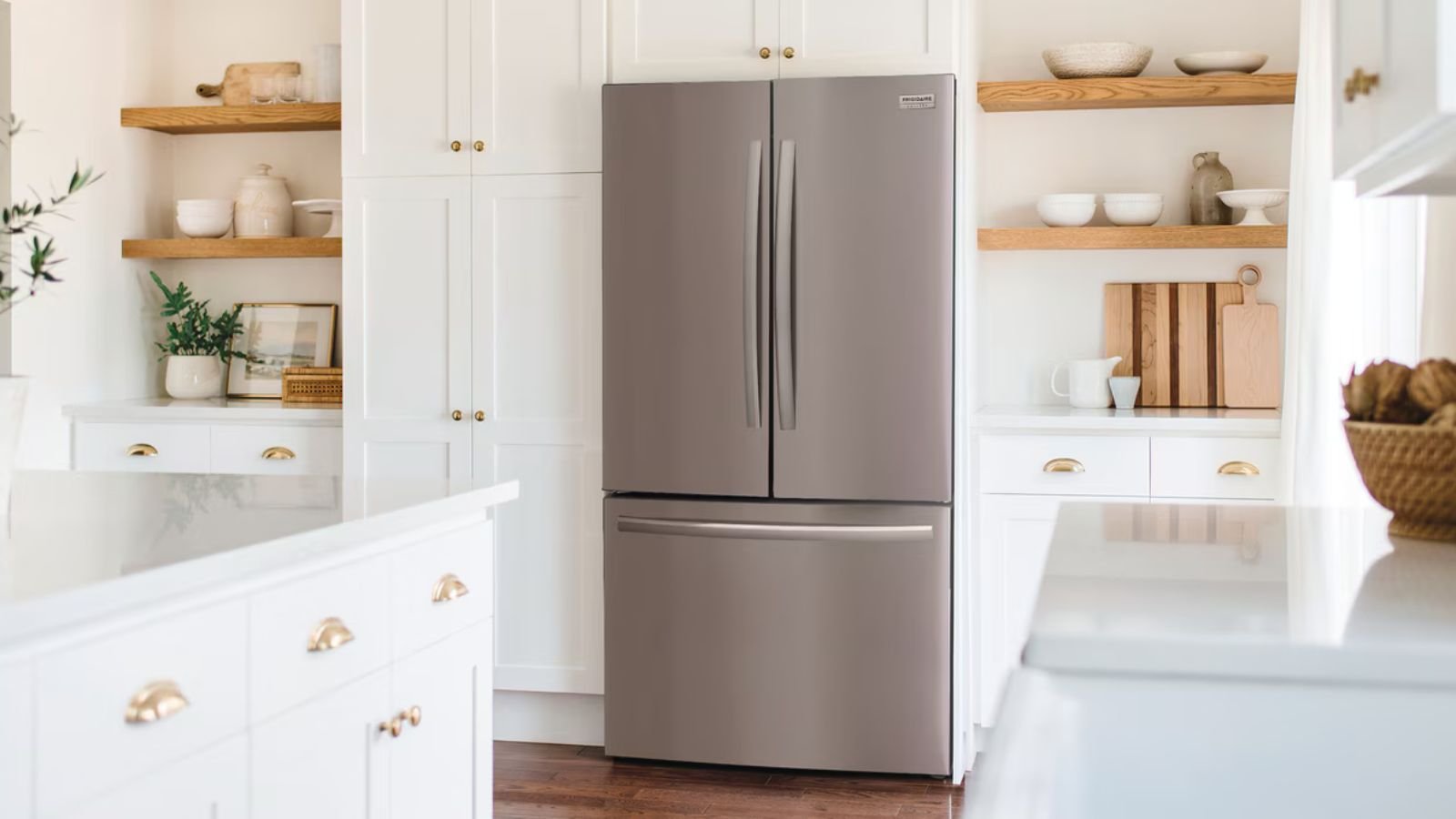
Choosing the right kitchen appliances can save you a lot of money and help the environment at the same time. But with so many options out there, how do you know which ones are truly energy-efficient?
If you want to cut down on your electricity bills without sacrificing performance, this guide is for you. Keep reading, and you’ll discover simple tips that make picking the best appliances easy and smart. Your kitchen—and your wallet—will thank you.
Benefits Of Energy-efficient Appliances
Energy-efficient kitchen appliances help save money and protect the environment. They use less energy and work better.
These appliances are a smart choice for any home. They bring many benefits that improve daily life.
Lower Utility Bills
Energy-efficient appliances use less electricity. This means you pay less on your utility bills each month.
By choosing these appliances, families can save a lot of money over time.
- Less energy use reduces monthly costs
- Extra savings can be used for other needs
- Better control over household budget
Reduced Environmental Impact
Using energy-efficient appliances helps the planet. They use fewer resources and create less pollution.
This choice supports a healthier environment for everyone, now and in the future.
- Less carbon footprint
- Conserves natural resources
- Supports sustainable living
Enhanced Appliance Performance
Energy-efficient appliances often work better than older models. They are designed to be more effective and reliable.
These appliances can handle everyday tasks with ease, making life more convenient.
- Quieter operation
- Longer-lasting performance
- Advanced features and settings

Credit: www.youtube.com
Key Features To Look For
Choosing energy-efficient kitchen appliances saves money and helps the environment. Look for certain features to find the best appliances.
These features include certifications, smart technology, and how much power the appliance uses. Knowing these can guide your choice.
Energy Star Certification
Energy Star is a label that shows an appliance uses less energy. It meets strict energy-saving rules. Appliances with this label cost less to run.
Choosing Energy Star appliances helps lower your electricity bills and reduces pollution. Many kitchen appliances have this certification.
- Refrigerators with Energy Star use 15% less energy
- Dishwashers save water and power
- Ovens and microwaves have better insulation and controls
Smart Technology Integration
Smart technology lets you control appliances with apps or voice commands. This can help save energy by setting timers and adjusting settings remotely.
Some smart appliances learn your habits and run at the best times. This reduces wasted energy and makes cooking easier.
- Remote control via smartphone
- Energy usage reports
- Automatic power-off features
- Scheduling cooking times
Efficient Power Consumption
Look at the power rating of appliances to find how much electricity they use. Lower wattage means less energy use but still good performance.
Compare labels and manuals to check power consumption. Choose appliances that balance efficiency and your cooking needs.
| Appliance | Typical Power Use (Watts) | Energy-Saving Tip |
|---|---|---|
| Refrigerator | 100-800 | Set temperature to recommended levels |
| Dishwasher | 1200-1500 | Run full loads only |
| Microwave | 600-1200 | Use for short cooking times |
| Electric Oven | 2000-5000 | Preheat only when needed |
Types Of Kitchen Appliances To Consider
Choosing energy-efficient kitchen appliances saves money and helps the environment. It is important to know which appliances use the most energy.
This guide covers common kitchen appliances and what to look for to save energy.
Refrigerators
Refrigerators run all day and use a lot of energy. Energy-efficient models keep food cold using less power.
Look for refrigerators with good insulation and energy-saving compressors. Size matters; choose one that fits your needs without being too large.
- Check for Energy Star certification
- Choose models with adjustable thermostats
- Look for LED lighting inside
- Consider refrigerators with a freezer on the bottom
Dishwashers
Dishwashers use water and electricity to clean dishes. Energy-efficient models use less water and heat.
Choose dishwashers with soil sensors and eco modes. These features adjust water and energy use based on how dirty the dishes are.
- Look for Energy Star rated dishwashers
- Check for eco-friendly wash cycles
- Choose models with good water filtration
- Look for delayed start options to run at off-peak times
Ovens And Stoves
Ovens and stoves use a lot of energy during cooking. Energy-efficient models heat faster and keep heat inside.
Gas stoves often use less energy than electric ones. Convection ovens cook food faster and use less energy.
- Choose convection ovens over traditional ovens
- Look for induction cooktops for electric stoves
- Check for good oven insulation
- Use stovetop burners that match pot size
Microwaves
Microwaves use less energy than ovens for small cooking tasks. They heat food quickly and save electricity.
Pick microwaves with good power settings and sensor cooking. These adjust cooking time for energy savings.
- Choose microwaves with energy-saving modes
- Look for sensor cooking features
- Use the right power level for your food
- Consider size to match your typical cooking needs

Credit: rotimatic.com
Comparing Energy Ratings
Choosing energy-efficient kitchen appliances helps reduce electricity bills. Energy ratings show how much power appliances use.
Knowing how to compare these ratings makes it easier to pick the best appliance for your home.
Reading Energy Labels
Energy labels provide important information about an appliance’s power use. They usually have a rating scale from A to G or numbers.
The higher the rating, the less energy the appliance uses. Look for labels that show annual energy consumption in kilowatt-hours (kWh).
- Check the energy class (A+++, A++, A, etc.)
- Look for yearly energy use in kWh
- Compare labels of similar appliances
Understanding Energy Consumption Metrics
Energy consumption metrics help you see how much power an appliance uses over time. They show if the appliance saves energy or uses more.
Some key metrics include power usage in watts, annual energy consumption, and standby power use.
| Metric | Meaning |
|---|---|
| Watts (W) | Energy used when appliance runs |
| Annual Energy Consumption (kWh) | Energy used in one year |
| Standby Power (W) | Energy used when appliance is off |
Budgeting For Energy Efficiency
Choosing energy-efficient kitchen appliances helps save money over time. It can lower your electricity bills.
Planning your budget carefully makes it easier to invest in efficient appliances. This guide helps you understand key points.
Balancing Initial Cost And Long-term Savings
Energy-efficient appliances often cost more at first. The higher price pays off with lower energy bills later.
Think about how long you will use the appliance. Compare the initial cost with the money saved on energy.
- Look for Energy Star or similar labels
- Calculate yearly energy savings
- Estimate payback time for the extra cost
- Consider appliance lifespan before buying
Available Rebates And Incentives
Many governments and utilities offer rebates for energy-efficient appliances. These can reduce your upfront cost.
Check local programs before buying. Rebates and tax credits help make efficient appliances more affordable.
- Federal or state energy rebate programs
- Local utility company discounts
- Tax credits for certain appliance types
- Seasonal sales or special offers

Credit: malaysia.news.yahoo.com
Maintenance Tips For Efficiency
Keeping kitchen appliances in good shape helps save energy. Proper maintenance keeps them working well and lowers bills.
Simple care routines can extend appliance life and keep energy use low. Follow these tips for best results.
Regular Cleaning
Clean appliances often to remove dust, grease, and dirt. Clean parts work better and use less energy.
Check vents, filters, and coils for buildup. Wipe surfaces and clean inside parts as the manual says.
- Clean refrigerator coils every 6 months
- Remove crumbs from toasters and ovens
- Wash dishwasher filters regularly
- Keep microwave interior free of splashes
Timely Repairs
Fix problems quickly to avoid extra energy use. Small faults can cause appliances to work harder than needed.
Check for strange noises, leaks, or weak performance. Call a technician if you see signs of trouble early.
- Repair door seals on refrigerators
- Replace faulty heating elements in ovens
- Fix leaks in dishwashers promptly
- Address strange sounds from appliances
Proper Usage Habits
Use appliances as the instructions say. Proper use helps them run efficiently and last longer.
Avoid overloading or running appliances unnecessarily. Turn off devices when not in use to save energy.
- Run dishwashers with full loads only
- Set refrigerators to recommended temperatures
- Do not block vents or air flow
- Unplug small appliances when idle
Frequently Asked Questions
What Defines An Energy-efficient Kitchen Appliance?
Energy-efficient appliances use less electricity or water while performing well. They reduce utility bills and environmental impact, often labeled with ENERGY STAR or similar certifications. Choosing such appliances helps save energy without sacrificing functionality.
How To Identify Energy Ratings On Kitchen Appliances?
Look for ENERGY STAR labels or energy guide stickers on appliances. These labels show energy consumption and efficiency levels, guiding you to select models that save more power and reduce costs over time.
Are Energy-efficient Appliances More Expensive Initially?
Energy-efficient appliances may have a higher upfront cost but save money long-term. Reduced utility bills and possible rebates offset initial expenses, making them cost-effective and environmentally friendly choices over time.
Which Kitchen Appliances Consume The Most Energy?
Refrigerators, ovens, and dishwashers typically use the most kitchen energy. Selecting energy-efficient models for these appliances can significantly reduce overall household energy consumption and lower monthly utility bills.
Conclusion
Choosing energy-efficient kitchen appliances saves money and helps the environment. Check the energy label and compare different models before buying. Smaller appliances with good ratings use less power. Think about how often you will use each appliance. Simple choices add up to big savings over time.
Make your kitchen smarter and greener with careful selection. Energy-efficient appliances work well and lower your bills. Keep these tips in mind for a better kitchen setup. Your wallet and the planet will thank you.