
Choosing the right mixing bowls might seem simple, but when you want to be eco-friendly, it’s a bit more important than just picking any bowl. You probably want something safe for your family, good for the planet, and that lasts a long time.
But with so many options out there, how do you know which ones truly fit the bill? This guide will help you discover exactly what to look for, so your kitchen stays green without sacrificing quality or style. Keep reading, and you’ll soon find the perfect eco-friendly mixing bowls that match your values and needs.
Benefits Of Eco-friendly Bowls
Eco-friendly mixing bowls are great for the planet and for you. They help reduce waste and are safe for your family.
Choosing these bowls means supporting sustainable practices. It’s a simple way to make a big difference.
Environmental Impact
Eco-friendly bowls are made from sustainable materials. They often use bamboo, recycled glass, or stainless steel.
- Reduce plastic waste
- Lower carbon footprint
- Support renewable resources
Health Advantages
These bowls are free from harmful chemicals. They don’t contain BPA or phthalates, which are found in some plastics.
Your food stays safe and healthy. No toxins will leach into your meals.
Durability And Longevity
Eco-friendly bowls are built to last. Materials like bamboo and stainless steel are very strong.
They withstand daily use without breaking easily. This means you won’t need to replace them often.
- Long-lasting materials
- Cost-effective over time
- Less frequent replacements

Credit: www.amazon.com
Materials To Look For
Choosing eco-friendly mixing bowls means picking materials that harm the planet less. Some materials last longer and break down naturally.
Look for materials that are renewable, recyclable, or made from waste products. These help reduce waste and pollution.
Bamboo And Wood
Bamboo and wood are natural materials that grow back quickly. They do not need much water or chemicals to grow.
Bowls made from bamboo or wood are lightweight and strong. They can last a long time if you take care of them.
- Bamboo grows fast and absorbs carbon dioxide
- Wood is biodegradable and compostable
- Both need gentle washing, not harsh detergents
Recycled Glass And Metal
Recycled glass and metal help reduce waste in landfills. They use old materials to make new bowls.
These bowls are sturdy and can last for years. They also avoid the need to mine or produce new raw materials.
- Recycled glass is safe and non-toxic
- Metal bowls can be recycled again
- Both materials resist stains and odors
Silicone Alternatives
Silicone is flexible and durable but comes from non-renewable sources. Look for silicone made from plant-based or recycled materials.
Some newer silicone alternatives use natural rubber or biodegradable plastics. These reduce plastic waste and last long.
- Plant-based silicone lowers fossil fuel use
- Natural rubber breaks down faster in nature
- Check for food-safe and BPA-free labels
Certifications And Labels
Choosing eco-friendly mixing bowls means looking at their certifications and labels. These marks show if the product is safe for you and the environment. They also help you trust the brand.
Labels can tell you if the bowl is made from natural materials, if workers were treated fairly, and if the product can be recycled. This guide explains key labels to watch for.
Organic And Non-toxic Marks
Organic labels mean the materials come from natural sources without harmful chemicals. Non-toxic marks show the bowl is safe to use with food and won’t release dangerous substances.
Look for certifications like USDA Organic or labels from trusted non-toxic organizations. These signs prove the bowl is safer for your health and the planet.
- USDA Organic
- BPA-Free
- Phthalate-Free
- LFGB (Food Safety Certification)
Fair Trade And Ethical Sourcing
Fair Trade labels mean workers making the bowls get fair pay and work in good conditions. Ethical sourcing shows the materials were collected responsibly without harming people or nature.
Choosing bowls with these labels supports better lives for workers and protects the environment. It encourages companies to be honest and fair.
- Fair Trade Certified
- Ethical Trading Initiative (ETI)
- SA8000 Social Accountability
Recyclability Indicators
Recyclability labels show if the bowl can be recycled after use. This helps reduce waste and saves resources. Check for symbols that tell you how to recycle the bowl properly.
Some common recycling codes are numbers inside a triangle. These codes help recycling centers sort materials correctly.
- Recycling Triangle with numbers 1 to 7
- Mobius Loop (three chasing arrows)
- Resin Identification Code
Design And Functionality
Choosing eco-friendly mixing bowls means thinking about how they look and work. A good design makes cooking easier and more fun.
Bowls should fit your kitchen style and help you prepare food well. Focus on size, shape, and how easy they are to use.
Size And Shape Options
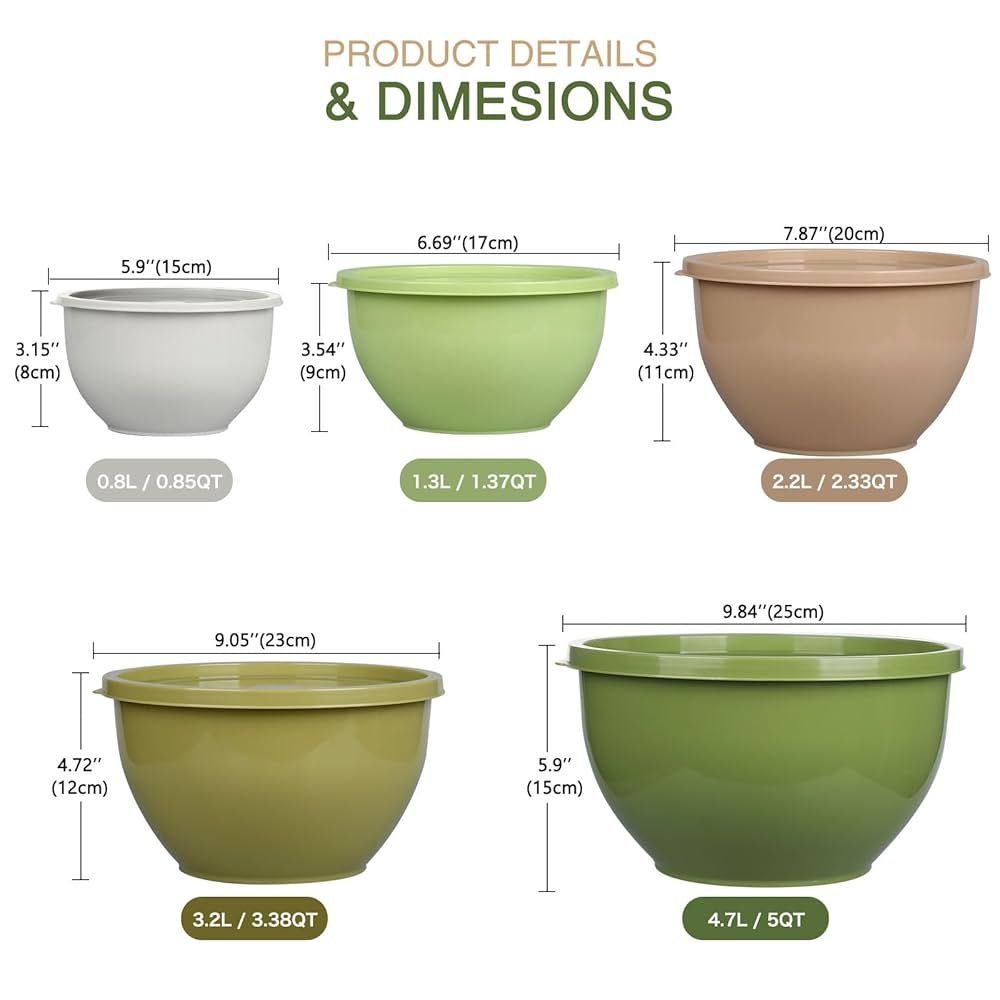
Mixing bowls come in many sizes and shapes. Pick sizes that match your cooking needs. Small bowls work for sauces and dressings.
Bigger bowls are good for mixing dough or salads. Round shapes help ingredients mix smoothly. Some bowls have wide rims for easy pouring.
- Small bowls: good for small tasks
- Medium bowls: ideal for most mixing
- Large bowls: needed for big recipes
- Round shapes mix ingredients well
- Wide rims help pouring liquids
Stackability And Storage
Eco-friendly bowls should save space in your kitchen. Stackable bowls fit inside each other for easy storage.
Look for bowls with stable bases so they do not tip when stacked. This keeps your kitchen neat and organized.
- Choose bowls that nest inside each other
- Check that bowls stack without tipping
- Think about how much shelf space you have
- Compact storage saves kitchen room
Ease Of Cleaning
Cleaning bowls should be quick and simple. Smooth surfaces and non-porous materials help prevent food from sticking.
Dishwasher-safe bowls save time. Avoid bowls with many grooves or textures that trap dirt.
- Look for smooth, easy-to-clean surfaces
- Choose dishwasher-safe materials
- Avoid bowls with hard-to-reach corners
- Non-porous materials resist stains and odors
Budget-friendly Choices
Choosing eco-friendly mixing bowls does not have to be costly. You can find many affordable options that help the environment. This guide shows how to pick green bowls without spending too much.
Eco-friendly bowls come in many materials and styles. Focus on durable, reusable, and safe options to save money and reduce waste.
Affordable Brands
Some brands offer eco-friendly mixing bowls at low prices. These bowls use safe materials like bamboo, recycled glass, or stainless steel. They last long and are better for the planet.
- Bamboo bowls are light and biodegradable.
- Recycled glass bowls add color and style.
- Stainless steel bowls are durable and easy to clean.
- Look for brands that use recycled packaging.
- Check for non-toxic finishes on the bowls.
Diy And Upcycled Ideas
You can create eco-friendly mixing bowls at home. Use old containers or materials you already have. This saves money and reduces waste.
Upcycling means turning old items into new, useful products. You can make bowls from wood scraps or clean, large jars. These bowls work well and keep items out of landfills.
- Use large glass jars for mixing small amounts.
- Sand and seal wooden bowls from scrap wood.
- Recycle old ceramic bowls by painting or repairing chips.
- Use silicone molds to shape bowls from safe materials.
- Always clean and sanitize DIY bowls before use.

Credit: www.walmart.com
Where To Buy Eco Bowls
Eco-friendly mixing bowls are a great choice for your kitchen. They help reduce waste and protect the environment. Knowing where to buy them makes your search easier.
You can find eco bowls at many places. Some options are online stores, local green shops, and markets with handmade goods.
Online Marketplaces
Online marketplaces offer many eco bowls. You can compare materials, sizes, and prices in one place. Look for bowls made from bamboo, recycled glass, or stainless steel.
Check product details to ensure they are eco-friendly. Read reviews to see if others like them. Shopping online gives you many options and easy delivery.
Local Green Stores
Local green stores sell eco-friendly kitchenware. These stores focus on sustainable and natural products. Buying here supports small businesses in your community.
You can touch and feel the bowls before buying. Staff can help you choose the best eco-friendly option. These shops often carry unique and handcrafted items.
Farmer’s Markets And Artisan Shops
Farmer’s markets and artisan shops often have eco bowls made by local makers. These bowls are usually made with natural materials and care. You find one-of-a-kind designs here.
Talking to artisans helps you learn how the bowls are made. This supports local crafts and reduces shipping impact. It is a good way to find eco bowls with a story.

Credit: dmgbottle1998.en.made-in-china.com
Frequently Asked Questions
What Materials Are Best For Eco-friendly Mixing Bowls?
Bamboo, stainless steel, and recycled glass are top eco-friendly materials. These options are durable, sustainable, and non-toxic. Avoid plastic to reduce environmental impact. Choose bowls made from renewable or recycled resources for greener kitchenware.
How To Identify Truly Sustainable Mixing Bowls?
Look for certifications like FSC for bamboo or recycled content labels. Check if the manufacturer uses eco-friendly processes. Avoid products with harmful chemicals or excessive packaging. Transparent brand practices indicate genuine sustainability.
Are Eco-friendly Mixing Bowls Safe For Food Use?
Yes, most eco-friendly bowls are non-toxic and food-safe. Materials like stainless steel and bamboo do not leach harmful substances. Always confirm FDA or food safety certifications to ensure safe usage.
Can Eco-friendly Mixing Bowls Withstand Heat And Wear?
Many eco-friendly bowls, especially stainless steel and bamboo, resist heat and last long. Avoid extreme temperatures with some materials like glass. Proper care extends bowl life and maintains eco benefits.
Conclusion
Choosing eco-friendly mixing bowls helps protect the planet. These bowls use safe, natural materials that last long. They reduce waste and avoid harmful chemicals. Think about size, material, and how easy they clean. Picking the right bowl saves money and the environment.
Small changes in the kitchen make a big difference. Start with simple choices for a greener home. Every eco-friendly bowl counts toward a better future.