
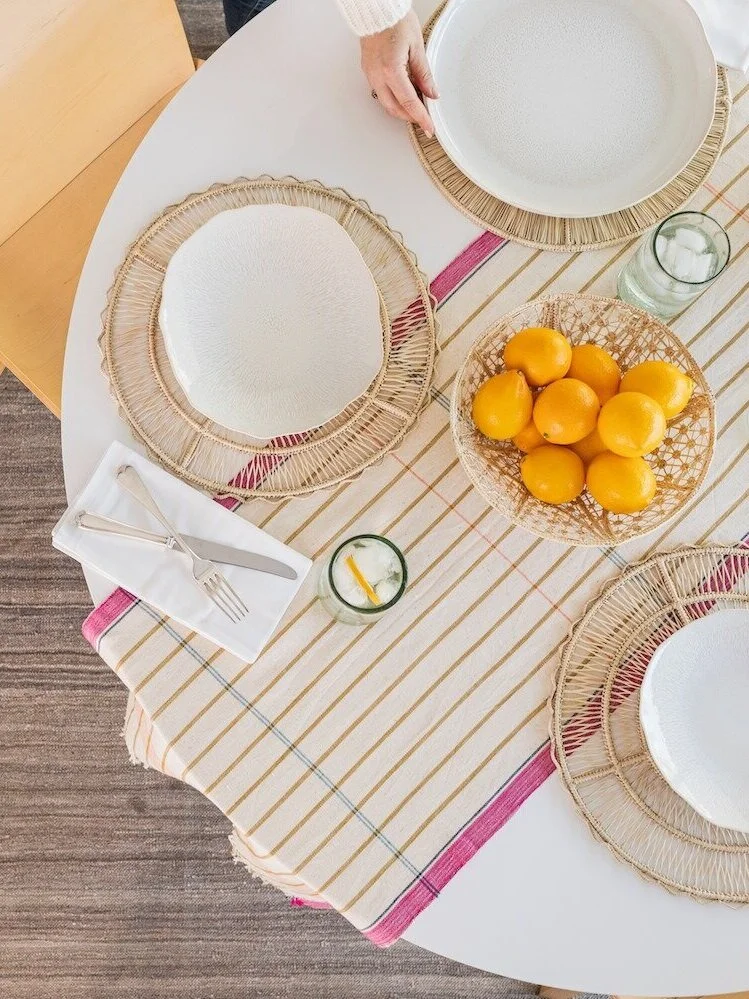
Choosing the right dishware can make a bigger impact on the planet than you might think. If you want to reduce waste and keep your kitchen stylish, eco-friendly dishware is the way to go.
But with so many options out there, how do you pick the best one for your home and lifestyle? This guide will help you understand what to look for, so you can make choices that are good for you and good for the Earth.
Ready to find dishware that matches your values without sacrificing style or convenience? Keep reading—you’re about to discover simple tips that make a big difference.
Benefits Of Eco-friendly Dishware
Eco-friendly dishware is made from materials that are better for our planet. Choosing these products helps reduce waste and pollution.
Using eco-friendly dishware also supports a healthier lifestyle and can save money over time. Let’s explore these benefits in detail.
Environmental Impact
Eco-friendly dishware breaks down faster in nature. It reduces landfill waste and lowers pollution. These products often use less energy to make.
- Made from renewable materials
- Biodegradable or compostable
- Lower carbon footprint during production
- Less plastic waste in oceans and landfills
Health Advantages
Eco-friendly dishware usually contains no harmful chemicals. This reduces the risk of toxins leaching into food and drinks.
Using these products can help protect your family from allergies and chemical exposure.
Cost Savings Over Time
| Type of Dishware | Initial Cost | Durability | Long-Term Cost |
| Eco-Friendly (Bamboo, Ceramic) | Medium | High | Low |
| Disposable Plastic | Low | Low | High |
| Regular Ceramic | Medium | Medium | Medium |
Materials To Look For
Choosing eco-friendly dishware helps reduce waste and protect nature. It is important to pick materials that break down safely or can be reused many times.
Look for natural, recycled, or durable materials that have a low impact on the environment. Here are some good options to consider.
Bamboo And Wood
Bamboo and wood are renewable resources that grow quickly. They are biodegradable and compostable, making them a smart choice for dishware.
- Bamboo is strong and lightweight.
- Wood can be treated without harmful chemicals.
- Both materials add a natural look to your table.
Recycled Glass And Ceramics
Recycled glass and ceramics reuse materials that would otherwise go to landfills. They are durable and safe for everyday use.
| Material | Key Benefit | Care Tips |
| Recycled Glass | Reduces waste | Handle gently to avoid chips |
| Ceramics | Long-lasting | Avoid sudden temperature changes |
Biodegradable Plastics
Biodegradable plastics break down faster than regular plastics. They come from natural sources like corn or sugarcane.
- Look for items labeled compostable.
- They should break down in industrial composting facilities.
- Not all biodegradable plastics degrade in home composts.
Stainless Steel And Silicone
Stainless steel and silicone are durable and reusable. These materials do not break down easily, but they last a long time, reducing waste.
- Stainless steel resists rust and stains.
- Silicone is flexible and heat resistant.
- Both materials are easy to clean and safe for food.
Avoiding Harmful Substances
Choosing eco-friendly dishware means avoiding harmful chemicals. Some dishware contains toxins that can hurt your health and the environment.
Knowing what to avoid helps you pick safe, green alternatives for your kitchen.
Toxins In Conventional Dishware
Many regular dishware products contain harmful substances. These toxins can leach into your food or drink.
Common toxins include lead, cadmium, BPA, and phthalates. These can cause health problems over time.
- Lead:Found in some ceramics and glazes, it can damage the brain and nerves.
- Cadmium:Used in color pigments, it can harm kidneys and bones.
- BPA:Present in some plastics, it can disrupt hormones.
- Phthalates:Added to plastics, they may cause reproductive issues.
Safe Certifications To Check
Look for dishware with safety certifications. These show the product meets health and environmental standards.
Certifications help you trust the dishware is free from harmful chemicals.
- FDA Approved:Safe for food contact and free from toxic substances.
- BPA Free:Ensures no bisphenol A in plastics.
- LFGB Certified:German standard for food safety in dishware.
- Green Seal:Eco-friendly products with low toxicity.
- OEKO-TEX Standard 100:Tests for harmful chemicals in textiles and some dishware.

Credit: www.joyye.com
Durability And Maintenance
Choosing eco-friendly dishware means thinking about how long it lasts. Durable dishware saves money and reduces waste.
Good maintenance helps keep your dishware safe and clean. It also protects the environment.
Cleaning Tips
Clean your eco-friendly dishware gently. Avoid harsh chemicals that can damage materials.
Use mild soap and warm water. Hand washing often works best for delicate items.
- Use soft sponges to avoid scratches
- Rinse well to remove soap residue
- Air dry or use a soft cloth
- Avoid dishwasher if not recommended
Storage And Longevity
Store your dishware in a dry, cool place. This prevents damage from moisture and heat.
Stack dishes carefully to avoid chips or cracks. Use padding if needed between plates.
- Keep away from direct sunlight
- Use shelf liners for extra protection
- Check regularly for any signs of wear
- Replace damaged pieces to keep safety
Design And Aesthetic Choices
Choosing eco-friendly dishware means thinking about design that fits your style. The look of your dishware can add charm to your dining space.
Design and aesthetics also influence how often you use your dishware. Pick styles that feel right for your home and daily life.
Matching Your Home Style
Eco-friendly dishware comes in many designs. It can match modern, rustic, or classic homes. Think about your room colors and furniture style.
- For modern homes, choose simple shapes and neutral colors.
- Rustic styles pair well with natural textures and earthy tones.
- Classic homes look good with elegant patterns and soft colors.
- Bohemian spaces suit colorful and artistic dishware.
Versatility For Different Occasions
Eco-friendly dishware should fit many events. Think about casual meals and special celebrations. Versatile pieces save space and money.
| Occasion | Recommended Dishware Style |
| Everyday Use | Simple and durable |
| Formal Dinner | Elegant with subtle details |
| Outdoor Picnic | Lightweight and sturdy |
| Holiday Feast | Decorative with seasonal colors |

Credit: www.joyye.com
Budget-friendly Options
Choosing eco-friendly dishware can be affordable. Many options fit different budgets.
You can find sustainable dishware without spending too much money.
Affordable Brands
Some brands offer eco-friendly dishware at low prices. They use recycled or natural materials.
Look for brands that focus on quality and sustainability but keep costs low.
- Brands using bamboo or wheat straw materials
- Companies with recycled glass or ceramic dishware
- Producers offering dishwasher-safe reusable plates
Diy Eco-friendly Dishware Ideas
You can make eco-friendly dishware at home with simple tools. This saves money and waste.
Use natural materials or upcycle old dishes for a fresh look.
- Paint old ceramic plates with non-toxic paint
- Create coasters from cork or reclaimed wood
- Use fallen leaves as disposable plates for outdoor meals
- Make bowls from coconut shells or bamboo
Where To Buy Eco-friendly Dishware
Choosing eco-friendly dishware helps reduce waste and protect nature. Knowing where to buy these items makes it easier to live sustainably.
This guide shows you three good places to find eco-friendly dishware. Each option fits different needs and budgets.
Online Marketplaces
Online shops offer many types of eco-friendly dishware. You can compare prices and styles from home. Many sellers provide details about materials and care.
- Look for bamboo, recycled glass, or ceramic sets
- Check for biodegradable or compostable labels
- Read reviews to confirm quality and durability
- Choose sellers who use minimal packaging
Local Eco Stores
Local eco stores sell dishware made with natural or recycled materials. Visiting these stores lets you see and touch products before buying. Staff can help you pick items that last long and are safe.
| Store Type | Advantages | Considerations |
| Zero-waste shops | Plastic-free and reusable items | Limited variety |
| Fair trade stores | Support small artisans | Higher prices |
| Farmers markets | Locally made products | Seasonal availability |
Secondhand And Upcycled Options
Buying secondhand or upcycled dishware reduces waste and saves money. Vintage shops, thrift stores, and online resale sites offer unique pieces. Upcycled dishware uses old materials in new ways.
Tips for buying secondhand eco dishware:
- Check for cracks or chips before buying
- Clean items thoroughly before use
- Ask about the material and origin
- Support local artisans who upcycle
Credit: www.tasteliving2019.com
Frequently Asked Questions
What Makes Dishware Eco-friendly?
Eco-friendly dishware is made from sustainable materials like bamboo or recycled glass. It avoids harmful chemicals and is biodegradable or recyclable. Choosing durable and long-lasting dishware also reduces waste. Look for certifications like BPA-free or compostable to ensure you’re making a green choice.
How Do I Identify Sustainable Dishware?
Look for dishware made from renewable resources such as bamboo or recycled glass. Check for certifications like FSC or BPA-free. Consider the manufacturing process and whether the product is biodegradable or recyclable. Prioritize durability to ensure long-lasting use and reduce waste.
Are Bamboo Dishes Truly Eco-friendly?
Yes, bamboo dishes are sustainable because bamboo grows quickly and requires minimal resources. They’re biodegradable and often free from harmful chemicals. Ensure they’re free from plastic coatings. Bamboo is a renewable resource, making it a popular choice for eco-friendly dishware.
Is Recycled Glass A Good Choice For Dishware?
Recycled glass is an excellent eco-friendly option. It reduces landfill waste and conserves resources. It’s durable, non-toxic, and can be recycled repeatedly. Opt for dishware made from post-consumer recycled glass for maximum environmental benefits. It’s a stylish and sustainable choice for any kitchen.
Conclusion
Choosing eco-friendly dishware helps protect our planet and health. Simple steps make a big difference. Pick materials like bamboo, glass, or recycled plastic. Avoid harmful chemicals and single-use items. Think about durability and ease of cleaning. Small changes in your kitchen add up over time.
Your choices inspire others to care for Earth. Start today and enjoy a greener lifestyle. Every eco-friendly dish counts.