
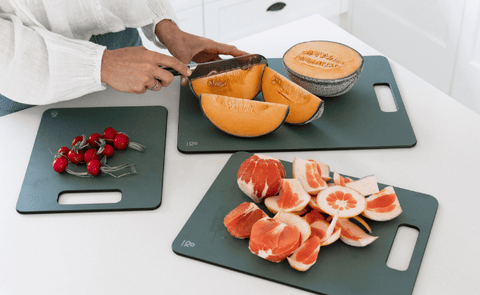
Choosing the right chopping board may seem simple, but have you ever stopped to think about how it affects your health and the environment? Your kitchen tools play a bigger role than you realize.
If you want to make a positive change without sacrificing quality or style, selecting an eco-friendly chopping board is a smart move. You’ll discover easy tips to pick a chopping board that’s safe for you, lasts longer, and helps protect the planet.
Keep reading—you’re about to find the perfect match for your kitchen and values.
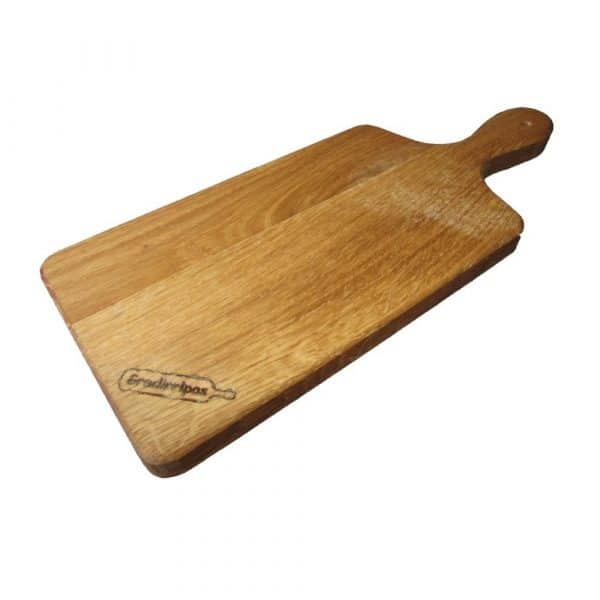
Credit: www.ekohunters.com
Benefits Of Eco-friendly Boards
Eco-friendly chopping boards are great for the environment and your health. They are made from sustainable materials and are safe to use in your kitchen.
Choosing the right chopping board helps you reduce waste and supports green practices. It is important to know why these boards are better for you and the planet.
Health And Safety Advantages
Eco-friendly boards are made from natural materials. They do not contain harmful chemicals like some plastic boards do. This makes them safer for preparing food.
These boards are often easier to clean and do not harbor bacteria. This helps keep your kitchen hygienic and your family healthy.
Environmental Impact
Eco-friendly boards are made from renewable resources. This means they do not deplete natural resources or harm the environment.
Choosing these boards helps reduce plastic waste. It also supports companies that care about sustainability and the earth.
Durability And Longevity
Eco-friendly chopping boards are often very durable. They can last longer than regular plastic boards, saving you money in the long run.
These boards resist wear and tear, which makes them a good investment. They maintain their quality over time, even with regular use.
Popular Materials
Choosing the right eco-friendly chopping board helps reduce waste. Many materials are good for the environment.
Each material has its own strengths and care tips. Knowing them makes your choice easier.
Bamboo Boards
Bamboo grows fast and needs little water. This makes bamboo boards very eco-friendly.
Bamboo boards are hard and resist knife marks well. They dry quickly and do not absorb much water.
- Renewable and sustainable resource
- Lightweight and durable
- Resistant to bacteria
- Requires hand washing to last longer
Wooden Boards
Wooden boards come from hardwood trees like maple or walnut. They are strong and long-lasting.
These boards need regular oiling to stay smooth. They are gentle on knives and easy to clean.
- Biodegradable and natural
- Can self-heal small cuts
- Needs proper drying to avoid warping
- May require more care than bamboo
Recycled Plastic Boards
Recycled plastic boards reuse old plastic materials. This reduces landfill waste and plastic pollution.
They are easy to clean and dishwasher safe. These boards come in many colors and sizes.
- Made from recycled plastics
- Non-porous and stain resistant
- Long-lasting and low maintenance
- Not biodegradable but recyclable
Composite Materials
Composite boards mix wood fibers with resin or recycled materials. They offer durability and eco benefits.
These boards resist water and do not crack easily. They need less oiling and are dishwasher safe.
- Made from natural fibers and resin
- Durable and easy to clean
- Low water absorption
- Good balance of eco-friendliness and strength
Material Comparison
Choosing an eco-friendly chopping board means looking at the materials. Different materials have different effects on the environment and your kitchen.
Wood, bamboo, plastic, and glass are common materials. Each has pros and cons for eco-friendliness and use.
Sustainability Factors
Look at how the material is made and how it breaks down after use. Some materials come from fast-growing plants. Others use fewer chemicals.
Wood and bamboo are natural and can be composted. Plastic lasts long but can pollute if not recycled.
- Wood comes from trees and is biodegradable
- Bamboo grows fast and is renewable
- Plastic uses oil and may not break down easily
- Glass is recyclable but energy-intensive to make
Maintenance Needs
Some boards need more care to last long. Wood and bamboo need oiling to stay strong. Plastic and glass are easier to clean.
Proper care helps prevent bacteria and keeps your board safe for food. Check if the material resists stains and cuts.
- Wood: requires regular oiling and hand washing
- Bamboo: needs occasional oiling and gentle cleaning
- Plastic: dishwasher safe but can get scratched
- Glass: easy to clean but can dull knives
Cost Considerations
Prices vary by material and quality. Wood and bamboo boards can cost more but last longer. Plastic boards are cheaper but may need replacing.
Think about how much you want to spend and how often you want to buy a new board.
| Material | Price Range | Durability |
|---|---|---|
| Wood | Medium to High | High with care |
| Bamboo | Medium | Good |
| Plastic | Low | Moderate |
| Glass | Medium | High but can damage knives |
Size And Thickness Options
Choosing the right size and thickness for your eco-friendly chopping board is important. These features affect how easy and safe it is to use.
Consider your kitchen space and the types of food you prepare often. This helps you pick a board that fits your needs well.
Choosing The Right Size
Select a chopping board size based on your kitchen space and cooking habits. Small boards work for light tasks. Large boards handle big jobs.
Keep in mind the storage space for your board. A board too big can be hard to store and clean.
- Small boards: great for quick chopping
- Medium boards: fit most kitchen needs
- Large boards: best for big meals or multiple ingredients
Thickness And Stability
Thickness affects how steady and durable the board feels. Thicker boards last longer and resist warping. Thin boards are lighter but can slip more.
Look for boards with enough thickness to stay firm during chopping. A stable board keeps you safe and makes cutting easier.
- Thick boards: stable and durable
- Thin boards: easy to handle but less stable
- Non-slip features improve safety
Multi-board Sets
Multi-board sets offer different sizes and thicknesses for varied tasks. Using separate boards can prevent cross-contamination.
Sets usually include small, medium, and large boards. This variety helps with cutting fruits, vegetables, and meats safely and comfortably.
- Small board for fruits and herbs
- Medium board for vegetables
- Large board for meats and bread
- Helps keep food preparation clean and organized
Care And Maintenance Tips
Choosing an eco-friendly chopping board is a smart choice for your kitchen and the planet. To keep your board in good shape, you need to care for it properly. Good care will keep it safe and last longer.
This guide shares simple tips on cleaning, avoiding damage, and extending the life of your eco-friendly chopping board.
Cleaning Techniques
Clean your chopping board after each use to stop germs. Use warm water and mild soap for washing. Avoid soaking the board in water as it may cause swelling.
Dry the board with a clean cloth or let it air dry standing up. This helps prevent moisture build-up that can cause damage.
- Wash with warm water and mild soap
- Do not soak the board in water
- Dry immediately with a towel or air dry upright
- Use a soft sponge or cloth to clean
Avoiding Damage
Do not put your eco-friendly chopping board in the dishwasher. High heat and water pressure can crack or warp it. Avoid using harsh chemicals or bleach as they can harm the wood or bamboo.
Use the board only for cutting. Avoid using it as a trivet or chopping very hard items like bones, which can cause deep cuts or chips.
- Keep away from dishwasher and high heat
- Avoid bleach and strong cleaners
- Do not use as a hot trivet
- Cut soft foods, avoid bones or hard materials
Extending Board Life
Apply food-safe oil to your chopping board every few weeks. This keeps the board from drying out and cracking. Use oils like mineral oil or beeswax polish for best results.
Store the board in a dry place with good air flow. Avoid stacking heavy items on top to keep its shape intact.
- Oil the board regularly with food-safe oil
- Keep in a dry, well-ventilated area
- Do not stack heavy items on the board
- Check for cracks and repair if needed

Credit: www.norwex.com
Certifications And Labels
Choosing eco-friendly chopping boards means checking their certifications and labels. These marks show if the product meets environmental standards.
Certifications help you pick boards made from safe, sustainable materials. They also ensure fair production practices.
What To Look For
Look for clear labels that state the board’s material and source. Check if the board is made from renewable or recycled materials.
Also, find labels about chemical safety. Avoid boards with harmful finishes or treatments.
- Material type (bamboo, wood, recycled plastic)
- Source of materials (forest or factory)
- Chemical safety or non-toxic finishes
- Recyclability or biodegradability info
Trusted Eco-certifications
Some certifications show that chopping boards meet high eco standards. These marks are from trusted organizations.
- FSC (Forest Stewardship Council):Ensures wood comes from well-managed forests.
- PEFC (Programme for the Endorsement of Forest Certification):Supports sustainable forest management worldwide.
- GREENGUARD:Confirms products have low chemical emissions for healthier air.
- EU Ecolabel:Shows products meet strict environmental and health criteria in Europe.
Choosing boards with these labels means less harm to forests and your health.
Avoiding Greenwashing
Greenwashing means a product looks eco-friendly but is not. Watch out for vague or fake claims.
Check if the label is from a known group. Avoid boards with unclear or too good to be true claims.
- Look for official certification logos
- Read what the label specifically guarantees
- Research the certifying organization
- Avoid boards with only terms like “green” or “natural” without proof
Buying Tips For 2025
Choosing an eco-friendly chopping board helps reduce waste. It also protects your kitchen and the environment.
Look for materials that last long and are safe to use. Think about where you buy and how much you spend.
Where To Shop
Buy from stores that focus on sustainability. Many local shops and online stores offer green kitchen products.
Check if the seller shares clear information about the board’s material and origin. This helps you choose better.
- Specialty eco-friendly kitchen stores
- Farmers markets with handmade goods
- Online shops with user reviews
- Stores with certifications for green products
Budget-friendly Options
You can find eco-friendly boards that fit your budget. Some natural woods and bamboo options cost less.
Look for sales or bundles to save money. Recycled plastic boards also offer affordable choices.
- Bamboo boards are usually cheaper and durable
- Wooden boards made from reclaimed wood
- Recycled plastic boards for easy cleaning
- Check secondhand shops for quality used boards
Trends And Innovations
New eco-friendly chopping boards use safe finishes and materials. Some use natural oils to protect the wood.
Innovations include boards with built-in juice grooves and multiple surfaces. These improve usability and hygiene.
- Boards treated with food-safe natural oils
- Multi-surface boards for different food types
- Biodegradable or compostable materials
- Recycled material boards with modern designs
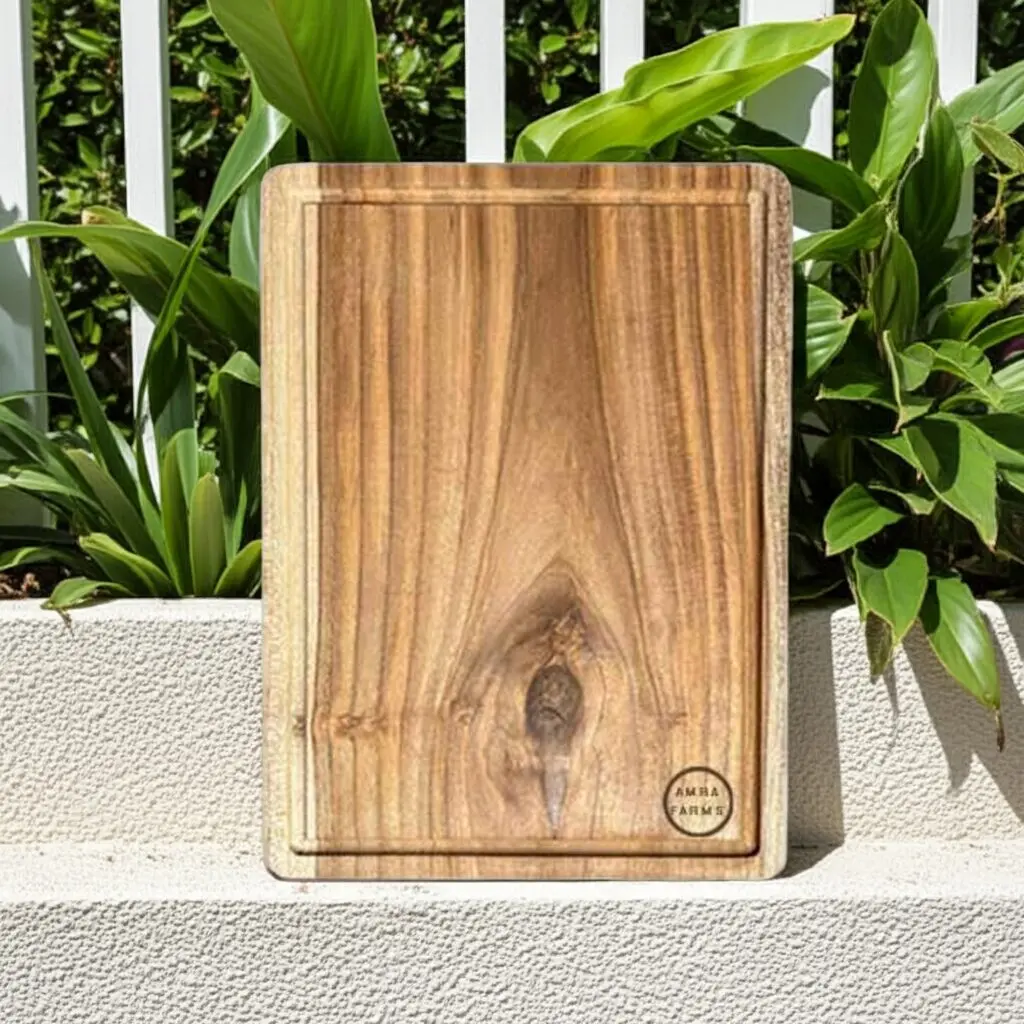
Credit: choppingboards.in
Frequently Asked Questions
What Materials Make Chopping Boards Eco-friendly?
Eco-friendly chopping boards are made from sustainable materials like bamboo, recycled wood, or biodegradable composites. These options reduce environmental impact by using renewable resources and minimizing waste.
How To Maintain An Eco-friendly Chopping Board?
Clean your eco-friendly board with mild soap and warm water. Avoid soaking or harsh chemicals to preserve its natural qualities and extend its lifespan.
Are Bamboo Chopping Boards Better For The Environment?
Yes, bamboo grows quickly and requires less water than hardwood. This makes bamboo boards a sustainable and renewable choice for eco-friendly kitchens.
Can Eco-friendly Boards Resist Bacteria Effectively?
Eco-friendly boards like bamboo naturally resist bacteria due to their dense fibers. Regular cleaning and drying help keep them hygienic and safe for food preparation.
Conclusion
Choosing eco-friendly chopping boards helps protect the planet. Wood and bamboo are good natural options. They last long and are easy to clean. Avoid plastic boards that harm the environment. Think about your kitchen needs and budget too. Small changes can make a big difference.
Start with one board and add more later. Caring for these boards keeps them safe to use. A simple choice today supports a greener tomorrow.