
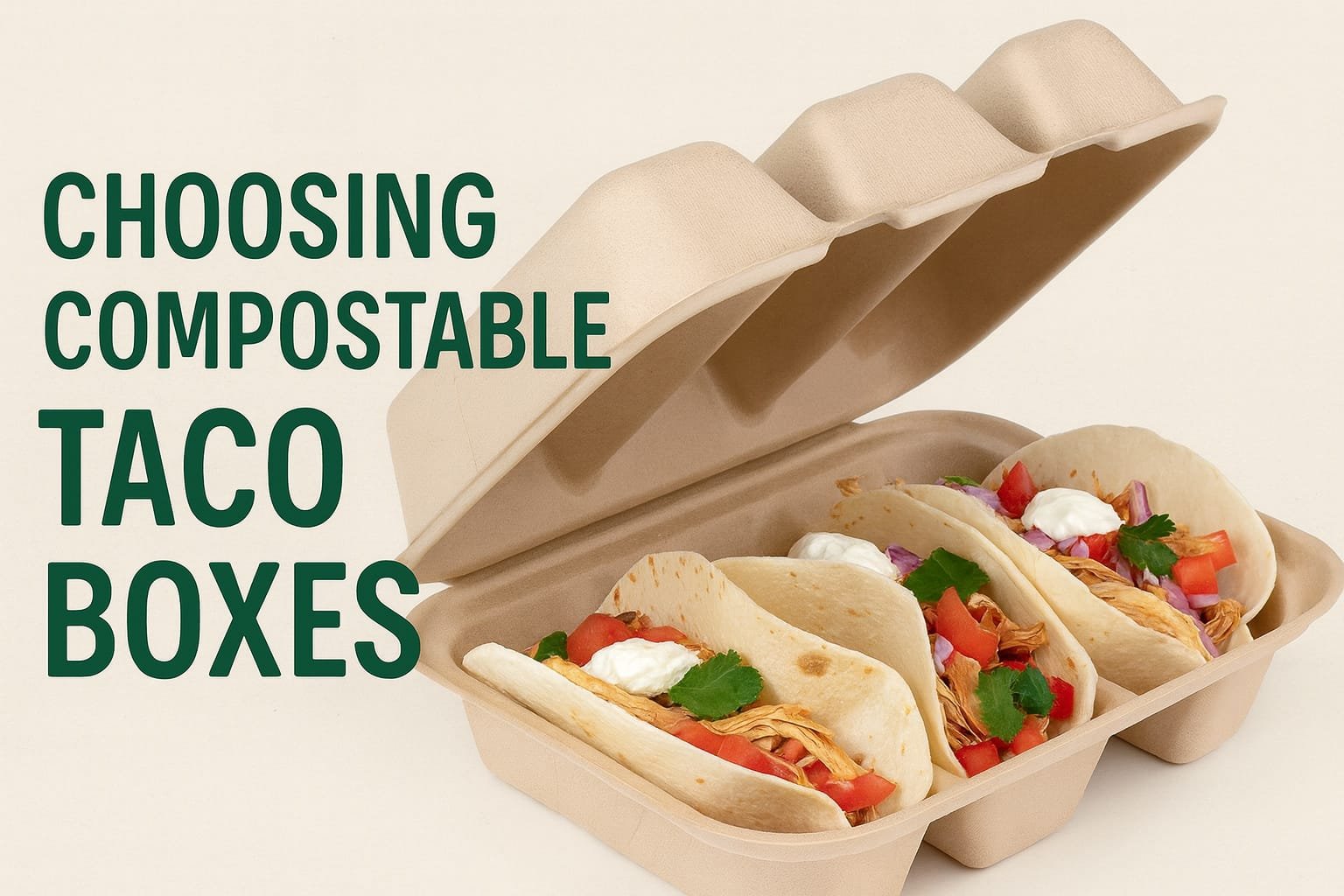
Are you looking for the best way to serve food while caring for the planet? Choosing the right compostable food trays can make a huge difference for your business or event.
But with so many options out there, how do you know which one fits your needs? This guide will help you understand what to look for, so you can make a smart, eco-friendly choice that works for you. Keep reading to discover simple tips that will save you time, money, and the environment.
Benefits Of Compostable Food Trays
Compostable food trays are a great choice for the environment. They break down naturally and are safe for our planet.
These trays help reduce waste and are safer for our health. Let’s explore their benefits in detail.
Environmental Impact
Compostable trays are made from natural materials. They decompose without harming the earth.
This reduces the need for plastic and lowers pollution. Composting helps enrich soil and supports plant growth.
- Less plastic waste
- Supports soil health
- Reduces landfill use
Waste Reduction
Using compostable trays means less trash in landfills. They break down quickly compared to plastic trays.
This helps cities manage waste better and keeps the environment clean. Everyone benefits from reduced garbage.
- Decomposes faster than plastic
- Lowers trash in landfills
- Supports cleaner cities
Health And Safety
Compostable trays are made from safe, natural materials. They do not release harmful chemicals into food.
This makes them a healthier choice for serving meals. They are safe for both people and the planet.
- Non-toxic materials
- Safe for food contact
- Better for human health
Credit: www.bioleaderpack.com
Materials Used In Compostable Trays
Compostable food trays are made from materials that break down naturally. These materials help reduce waste and protect the environment.
Choosing the right material is important. It affects how the tray composts and how strong it is for holding food.
Plant-based Fibers
Plant-based fibers come from natural sources like plants and trees. They are strong and break down easily in compost.
Common fibers include bagasse, bamboo, and wheat straw. These fibers are renewable and do not harm the soil when composted.
- Bagasse is made from sugarcane waste
- Bamboo grows quickly and is very durable
- Wheat straw is leftover stalks from wheat plants
Biodegradable Plastics
Biodegradable plastics come from plant materials like corn or potatoes. They break down faster than regular plastic.
These plastics help reduce plastic waste in landfills. They work well for trays that need to hold liquids or oily foods.
- Polylactic acid (PLA) is made from corn starch
- PHA is produced by bacteria using plant sugars
- Both types compost in industrial facilities
Other Sustainable Options
Some trays use a mix of materials to improve strength and composting. These can include recycled paper or natural wax coatings.
These options balance durability and eco-friendliness. They suit different types of food and composting needs.
- Recycled paper adds strength and texture
- Natural wax coatings help resist moisture
- Some trays use molded pulp from old paper
Key Features To Consider
Choosing the right compostable food tray is important for your needs. It helps reduce waste and protect food properly.
Look at key features before buying. These features affect the tray’s use and how well it performs.
Durability And Strength
Durability means how long the tray lasts without breaking. Strength means how much weight it can hold.
Choose trays made from strong materials. They should hold food without bending or tearing.
- Look for thick, sturdy materials
- Check if trays can hold heavy foods
- Test if trays resist bending or cracking
Heat And Moisture Resistance
Trays must handle heat from hot foods without warping. They should also resist moisture from wet foods.
Good resistance keeps trays strong and safe. It also stops leaks and spills.
- Check if trays are microwave safe
- Look for water-resistant or waterproof coatings
- Ensure trays keep their shape with hot food
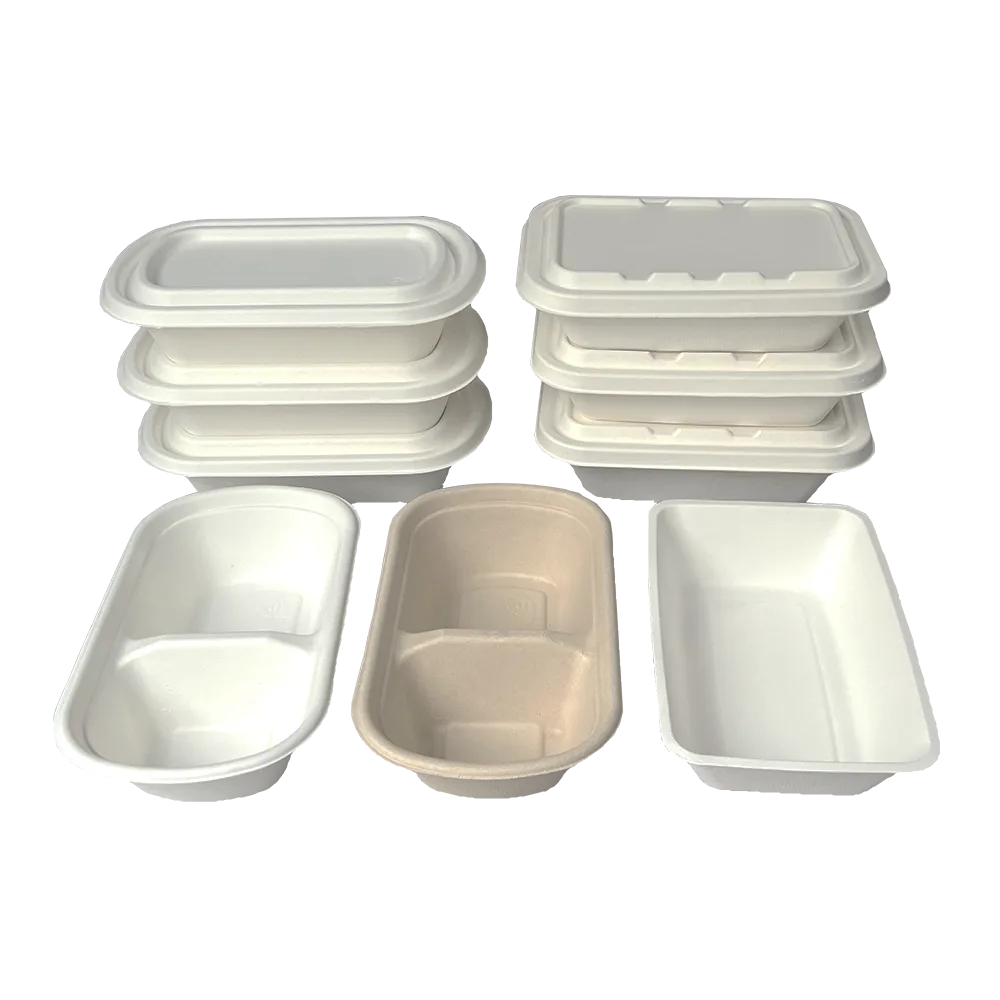
Size And Shape Variations
Trays come in many sizes and shapes. Choose one that fits your food portion and presentation style.
Right size and shape help reduce waste and make food look good.
- Pick small trays for snacks and desserts
- Use larger trays for meals and combos
- Consider trays with compartments to separate foods

Credit: ecotact.co.uk
Certifications And Labels To Trust
Choosing compostable food trays means checking their certifications. These labels show if trays meet environmental rules.
Trustworthy certifications help you pick trays that break down safely. They protect the planet and your health.
Compostability Standards
Compostability standards set rules for how trays must break down. They show if trays are safe for composting.
Look for standards like ASTM D6400 or EN 13432. They test trays for biodegradability and eco-friendliness.
- ASTM D6400: US standard for industrial composting
- EN 13432: European standard for compostable packaging
- ISO 17088: International standard for compostability
Eco-certifications
Eco-certifications show if trays meet high environmental standards. They focus on safety and sustainability.
Labels like the Biodegradable Products Institute (BPI) or TUV Austria confirm the tray’s green claims.
- BPI Certified: Validates compostability in North America
- TUV Austria OK Compost: Ensures industrial or home composting
- Seedling Logo: Shows product meets European composting laws
Third-party Testing
Third-party testing means an independent group checks the trays. This adds trust and reduces false claims.
Testing covers breakdown time, chemical safety, and impact on soil health. It ensures trays are truly compostable.
- Check for a test report or certification number
- Look for lab results on biodegradation and toxicity
- Choose trays tested by recognized labs or organizations
Comparing Costs And Availability
Choosing the right compostable food trays depends on their price and how easy they are to get. Knowing these details helps you pick the best trays for your needs.
Costs can vary by material and supplier. Availability depends on where you buy and the quantity you need. Let’s look at important factors to consider.
Price Factors
Prices of compostable food trays depend on the type of material used. Some materials cost more because they are stronger or break down faster.
Other things that affect price include tray size and design. Larger trays usually cost more. Custom shapes or printing add to the cost.
- Material type (bagasse, PLA, paper, etc.)
- Tray size and thickness
- Custom designs or prints
- Environmental certifications
Bulk Buying Options
Buying trays in large amounts often lowers the price per unit. Suppliers usually offer discounts for bulk orders.
Bulk buying can save money but needs good storage space. Check if you can store trays without damage or moisture problems.
- Discounts for larger orders
- Minimum order quantities
- Storage needs for bulk trays
- Delivery options for big shipments
Supplier Reliability
Choose suppliers who deliver on time and provide quality trays. Reliable suppliers help avoid delays and product shortages.
Check if the supplier has good reviews and clear return policies. Also, make sure they can supply trays consistently to meet your demand.
- On-time delivery record
- Quality assurance
- Clear return and refund policies
- Consistent stock availability
Proper Disposal And Composting Tips
Choosing compostable food trays is good for the environment. Proper disposal helps them break down correctly.
Understanding how to compost these trays ensures they return to the soil safely.
Home Vs Industrial Composting
Home composting uses small bins in your yard or kitchen. It works well for some compostable trays.
Industrial composting uses large machines and high heat. It breaks down trays faster and fully.
- Home composting may take weeks or months.
- Industrial composting completes in days.
- Not all trays are safe for home compost.
- Check product labels for compost type.
Contamination Avoidance
Food trays must be clean before composting. Leftover food can cause problems in compost piles.
Avoid mixing plastic or metal with compostable trays. Contamination stops composting and harms the soil.
- Rinse trays to remove food scraps.
- Do not compost trays with plastic linings.
- Keep compost free of non-compostable items.
- Separate recycling and compost bins clearly.
Local Composting Programs
Many towns have composting programs for food waste. These programs accept compostable trays.
Check local rules before disposing of trays. Some programs have specific requirements for compostable items.
- Find if your town collects compostable trays.
- Follow sorting rules carefully.
- Use community compost drop-off sites if available.
- Ask local waste services for guidance.

Credit: www.bioleaderpack.com
Frequently Asked Questions
What Materials Are Best For Compostable Food Trays?
Compostable trays made from sugarcane, bamboo, or cornstarch are eco-friendly. These materials break down quickly and enrich soil, reducing landfill waste effectively.
How To Identify Truly Compostable Food Trays?
Look for certifications like ASTM D6400 or EN 13432. These labels ensure trays meet compostable standards and safely degrade in industrial composting facilities.
Can Compostable Trays Handle Hot Food Safely?
Yes, most compostable trays withstand hot food without leaking or warping. Check product specifications to confirm heat resistance before purchase.
Are Compostable Food Trays Cost-effective Compared To Plastic?
Initially, compostable trays may cost more but save money by reducing waste disposal fees and supporting sustainable practices, benefiting long-term budgets.
Conclusion
Choosing the right compostable food trays helps reduce waste and protect nature. Focus on materials, size, and durability to match your needs. Check if trays break down quickly and safely in compost settings. Think about your budget but don’t sacrifice quality or eco-friendliness.
Small changes add up to a big impact. Making smart choices supports a cleaner planet for everyone. Keep these tips in mind for your next purchase. Easy steps. Better future.