
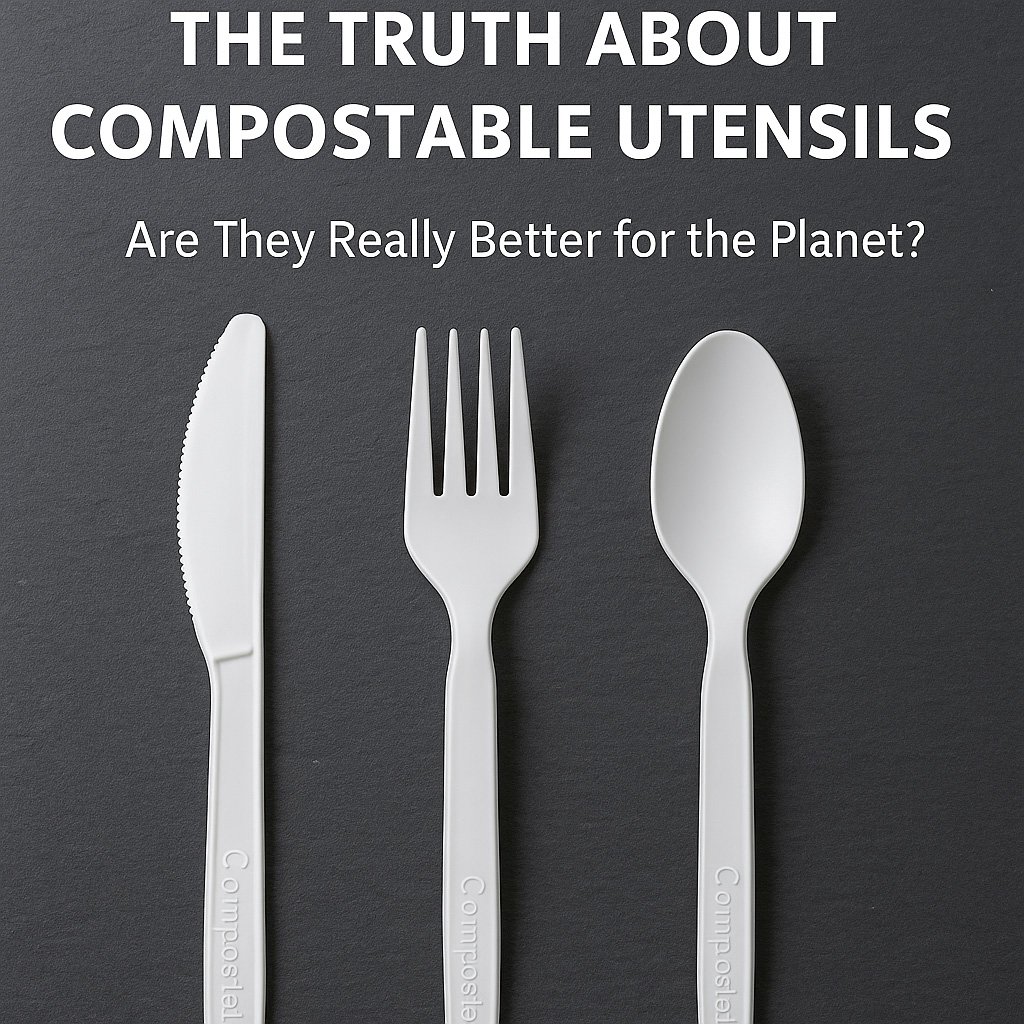
Choosing the right compostable cutlery can feel confusing with so many options out there. But making the right choice matters—not just for your meals, but for the planet too.
You want cutlery that works well, feels good in your hand, and breaks down without harming the environment. In this guide, you’ll discover simple tips to pick compostable cutlery that fits your needs perfectly. Keep reading, and you’ll find out how to make smart, eco-friendly choices that you’ll feel proud of every time you eat.
Benefits Of Compostable Cutlery
Compostable cutlery offers a green alternative to plastic utensils. It helps reduce waste and supports a healthier planet.
Choosing compostable cutlery can improve safety and simplify waste management. Understanding its benefits helps you make better choices.
Environmental Impact
Compostable cutlery breaks down naturally and reduces plastic pollution. It lowers the amount of waste sent to landfills.
- Made from plant-based materials
- Biodegrades quickly in composting conditions
- Reduces carbon footprint compared to plastic
- Does not release harmful toxins
- Supports soil health when composted
Health And Safety
Compostable cutlery is safer for human health than plastic. It does not contain harmful chemicals like BPA or phthalates.
It is strong enough for everyday use and does not melt or release toxins when in contact with hot foods.
Composting Process
Compostable cutlery breaks down in industrial composting facilities. It turns into nutrient-rich compost that benefits plants.
| Stage | Description |
|---|---|
| Collection | Used cutlery is gathered with other compostables. |
| Processing | Materials are shredded and heated in composting units. |
| Decomposition | Microorganisms break down cutlery into organic matter. |
| Final Product | Rich compost is produced for agricultural or garden use. |

Credit: www.amazon.com
Materials Used In Compostable Cutlery
Compostable cutlery is made from materials that break down naturally. These materials help reduce waste and pollution.
Understanding the materials used can help you choose the right compostable cutlery for your needs.
Plant-based Plastics
Plant-based plastics are made from natural sources like corn and sugarcane. They look and feel like regular plastic.
These plastics break down faster than traditional plastics when composted in the right conditions.
Biodegradable Polymers
Biodegradable polymers are special materials that decompose with the help of microbes. They do not leave harmful residues.
- Polylactic Acid (PLA) comes from fermented plant starch.
- Polyhydroxyalkanoates (PHA) are made by bacteria using plant sugars.
- Starch blends mix natural starch with other biodegradable materials.
Natural Fibers
Natural fibers come from plants like bamboo, wheat, and sugarcane. They add strength and texture to cutlery.
| Fiber Type | Source | Benefits |
| Bamboo | Bamboo plant | Strong and fast-growing |
| Wheat Straw | Wheat stalks | Lightweight and biodegradable |
| Sugarcane Bagasse | Sugarcane residue | Renewable and compostable |
Key Features To Look For
Choosing the right compostable cutlery helps reduce plastic waste. It also ensures the utensils meet your needs.
Look for features like strength, biodegradability, and design. These affect how well the cutlery works and breaks down.
Durability And Strength
Compostable cutlery should be strong enough to use without breaking. It needs to hold up to different foods and pressures.
- Check if the cutlery can handle hot and cold foods
- Look for materials that resist bending or snapping
- Test cutlery thickness and weight for better grip
- Choose cutlery that feels sturdy in your hand
Biodegradability Standards
Standards show if cutlery breaks down safely in nature. These rules help avoid harmful residues and long-lasting waste.
| Standard | What It Means | Example Certification |
| Compostability | Breaks down in compost in 90 days | ASTM D6400 |
| Biodegradability | Decomposes into natural elements | EN 13432 |
| Industrial Composting | Needs special facilities to compost | OK Compost Industrial |
| Home Composting | Breaks down in home compost bins | OK Compost Home |
Design And Functionality
Good design means cutlery is easy to use and comfortable. Functionality includes size, shape, and style for different foods.
- Look for ergonomic handles for better grip
- Choose cutlery sized for your meals
- Consider forks, spoons, and knives that match your needs
- Check if cutlery stacks or fits in holders for storage
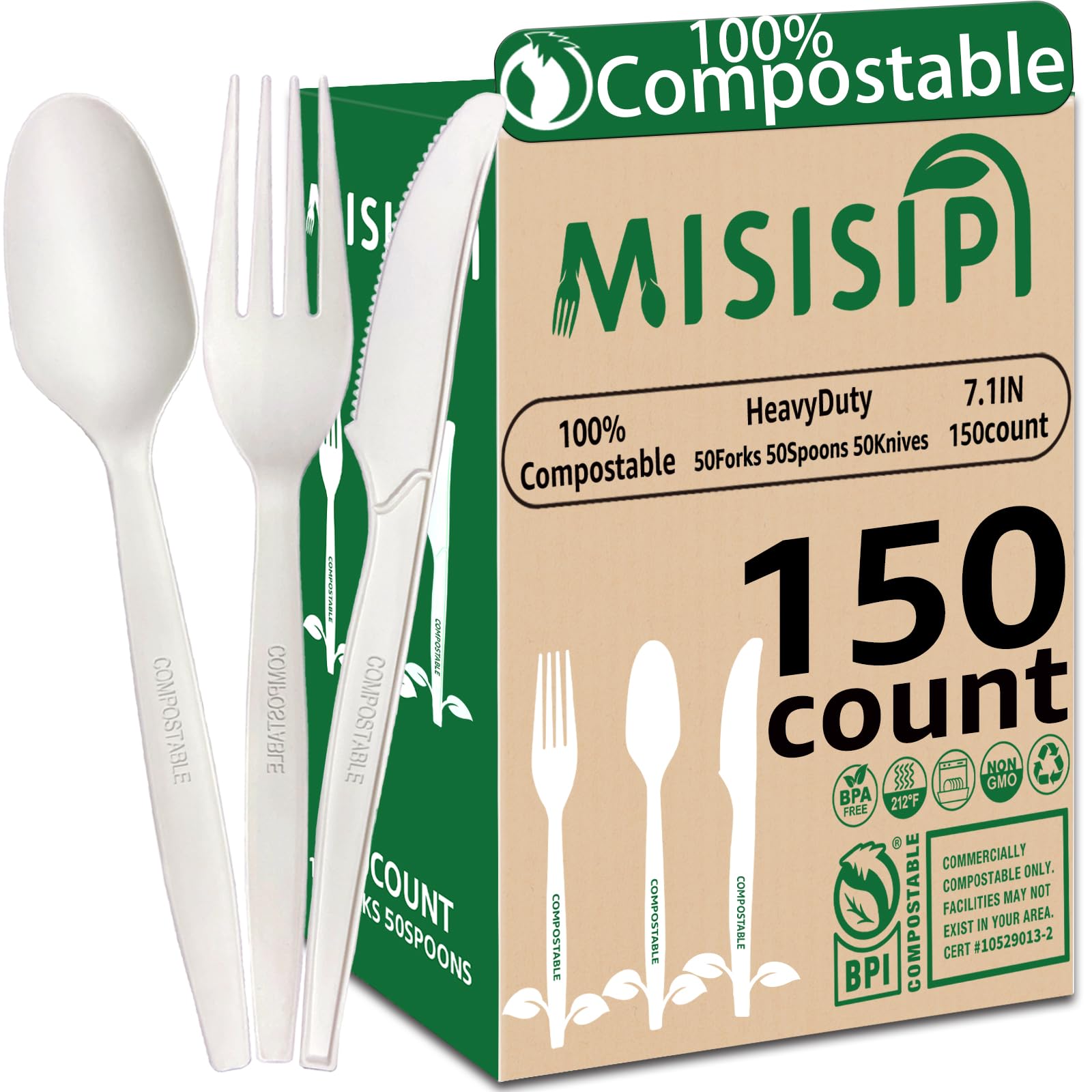
Credit: www.amazon.com
Certifications And Labels
Choosing compostable cutlery means checking for proper certifications. These labels show if the product breaks down safely.
Certifications and eco-labels help you find trustworthy compostable cutlery. They also protect the environment.
Compostability Certifications
Compostability certifications prove that cutlery meets industry standards. These tests check how fast and safe the product breaks down.
Look for certifications from well-known organizations. They test products in industrial or home composting conditions.
- EN 13432: European standard for industrial composting
- ASTM D6400: American standard for compostable plastics
- OK Compost: Certification for home and industrial composting
- BPI Certified Compostable: Verified by the Biodegradable Products Institute
Eco-labels To Trust
Eco-labels show environmental benefits beyond compostability. They often include sustainable materials and low impact production.
Choose labels that are clear and backed by real standards. They help you pick cutlery that supports eco-friendly goals.
- USDA BioPreferred: Products made from renewable materials
- Green Seal: Products meeting strict environmental criteria
- Cradle to Cradle Certified: Products designed for safe reuse or composting
- Made Safe: Products free of harmful chemicals
Avoiding Greenwashing
Greenwashing is when products claim to be eco-friendly without proof. Watch out for vague or fake claims on packaging.
Check labels carefully and research brands if needed. Genuine compostable cutlery will have clear, verified certifications.
- Ignore claims like “eco-friendly” without certifications
- Verify certification logos on official websites
- Look for detailed composting instructions
- Avoid products with confusing or missing information
Where To Buy Compostable Cutlery
Choosing compostable cutlery helps reduce plastic waste. Knowing where to buy it makes the process easier.
There are several places to find compostable cutlery. Each option has benefits for different needs.
Online Retailers
Online stores offer a wide variety of compostable cutlery. You can compare brands and prices easily.
Shopping online saves time and delivers products to your door. Many sites provide detailed product information.
- Amazon
- Eco-friendly specialty shops
- Zero waste online stores
- Manufacturer websites
Local Eco Stores
Local eco stores often stock compostable cutlery. You can see and feel the products before buying.
Shopping locally supports small businesses. Staff can also answer your questions about materials and use.
- Health food stores
- Zero waste shops
- Farmers markets
- Green living stores
Bulk Purchasing Options
Buying compostable cutlery in bulk saves money. It is ideal for events or businesses.
Wholesale suppliers offer large quantities. Some online stores and local distributors provide bulk deals.
- Wholesale eco product suppliers
- Restaurant supply stores
- Online bulk marketplaces
- Direct from manufacturers

Credit: www.bioleaderpack.com
Tips For Using And Disposing
Choosing compostable cutlery helps reduce plastic waste. Using and disposing of it correctly ensures it breaks down properly.
Follow simple tips to get the most benefit from compostable cutlery. Learn how to compost without causing problems.
Proper Composting Methods
Compostable cutlery needs the right environment to break down. Industrial composting is best for fast results.
Home composting works but takes longer and needs warm, moist conditions. Keep cutlery in a compost pile that heats up.
- Check if your local compost center accepts compostable cutlery
- Use commercial composting bins if available
- Keep compost moist and turn it often
Avoiding Contamination
Do not mix compostable cutlery with regular plastic or trash. Contamination makes composting harder or impossible.
Clean cutlery before composting to remove food scraps. Avoid plastic wrappers or coatings on the cutlery.
- Sort waste carefully to separate compostable items
- Rinse cutlery to remove leftover food
- Do not compost items with plastic or metal parts
Maximizing Environmental Benefits
Use compostable cutlery only when needed to reduce waste. Choose cutlery made from natural materials like cornstarch or bamboo.
Encourage composting in your community to reduce landfill waste. Proper use and disposal help protect the environment.
- Buy cutlery certified as compostable
- Support local composting programs
- Educate others about composting rules
Frequently Asked Questions
What Are Compostable Cutlery Made Of?
Compostable cutlery is made from natural materials like cornstarch, sugarcane, or bamboo. These materials break down quickly in composting environments. They are designed to reduce waste and are eco-friendly alternatives to plastic. Always check the packaging for certification to ensure they are truly compostable.
How Long Does Compostable Cutlery Take To Decompose?
Compostable cutlery typically decomposes within 90 to 180 days under proper composting conditions. Factors like temperature, moisture, and microbial activity can affect this timeline. Industrial composting facilities speed up the process. Home composting might take a little longer. Proper disposal ensures they break down efficiently.
Are Compostable Cutlery Safe For Hot Foods?
Yes, compostable cutlery is generally safe for hot foods. They are designed to withstand heat without melting or releasing toxins. However, extreme temperatures might affect their durability. Always check the product specifications for heat resistance details to ensure safe use with hot meals.
Where Can I Buy Compostable Cutlery?
You can buy compostable cutlery online or in eco-friendly stores. Many retailers offer them, including Amazon, Walmart, and specialty green product stores. Look for certified products to ensure quality. Buying in bulk often saves money and reduces packaging waste.
Conclusion
Choosing the right compostable cutlery helps protect the planet. Think about materials that break down quickly. Check if they fit your budget and needs. Using compostable cutlery reduces plastic waste. Small changes make a big difference over time. Everyone can help by choosing eco-friendly options.
Start with simple steps today for a greener tomorrow.