
Are you thinking about switching to bamboo utensils but don’t know where to start? Choosing the right bamboo utensils can feel overwhelming with so many options out there.
But what if you could pick the perfect set that’s safe, durable, and eco-friendly without the guesswork? You’ll discover simple tips that make your choice easy and stress-free. By the end, you’ll know exactly what to look for to enjoy beautiful, healthy, and long-lasting bamboo utensils every day.
Keep reading—your kitchen deserves it!
Credit: goldengrains.ca
Benefits Of Bamboo Utensils
Bamboo utensils are becoming popular in kitchens around the world. They offer many benefits that make them a great choice for cooking and dining.
These utensils are made from natural bamboo, a renewable resource. They are not only eco-friendly but also have other advantages.
Eco-friendly Advantages
Bamboo grows quickly, making it a sustainable resource. It does not require pesticides or fertilizers.
Bamboo utensils are biodegradable. They break down easily without harming the environment.
- Renewable resource
- Biodegradable
- Requires no chemicals to grow
Durability And Strength
Bamboo utensils are strong and durable. They can withstand daily use without breaking or wearing out.
They are less likely to crack or split compared to wooden utensils. Bamboo is a tough material.
- Long-lasting
- Resistant to cracking
- Handles frequent use
Health And Safety
Bamboo utensils do not leach harmful chemicals into food. They are safe for cooking and eating.
They are naturally antimicrobial. This helps reduce bacteria growth on the utensils.
- Non-toxic
- Antimicrobial properties
- Safe for all ages
Credit: www.bambuhome.com
Types Of Bamboo Utensils
Bamboo utensils are a great choice for kitchens. They are strong, light, and eco-friendly.
There are different types of bamboo utensils. Each type has its own use in cooking and serving.
Cutlery Sets
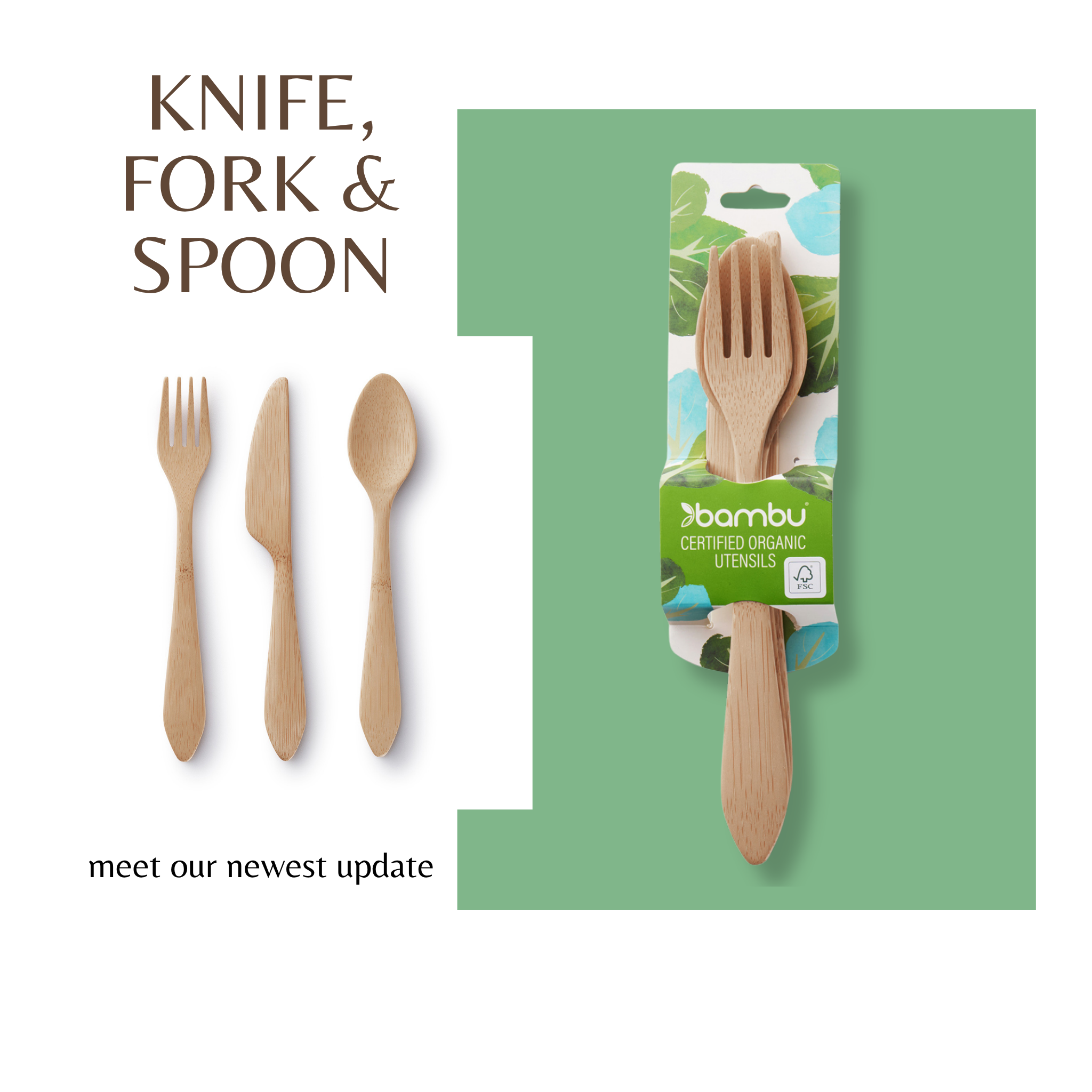
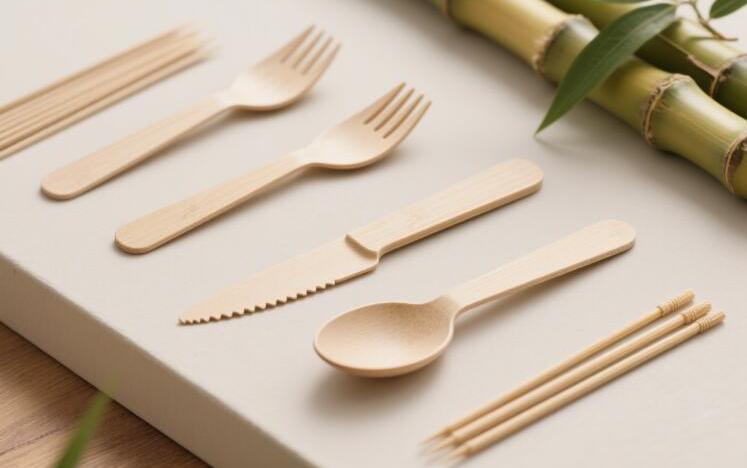
Cutlery sets include forks, knives, and spoons made from bamboo. They are perfect for meals at home or outside.
These sets are lightweight and easy to carry. They do not rust and are safe for all types of food.
- Bamboo forks with smooth edges
- Knives sharp enough for cutting soft foods
- Spoons with deep bowls for soups and cereals
Cooking Tools
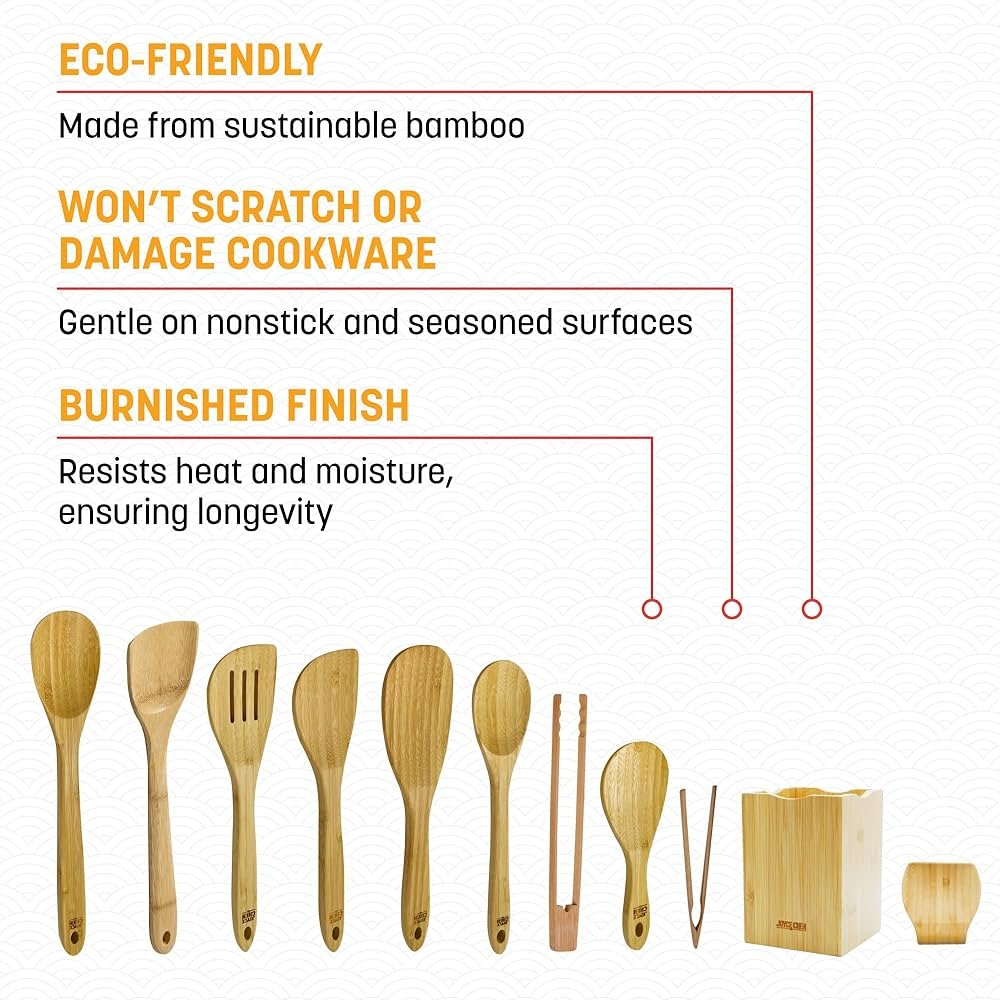
Cooking tools made of bamboo include spatulas, spoons, and tongs. They help with stirring, flipping, and serving hot food.
These tools are gentle on pots and pans. They do not scratch non-stick surfaces and stay cool to the touch.
- Bamboo spatulas for flipping and stirring
- Spoons for mixing sauces and soups
- Tongs for turning food on grills or pans
Serving Pieces
Serving pieces include bamboo salad servers, trays, and bowls. They add a natural look to your table.
Bamboo serving utensils are sturdy and easy to clean. They are good for both hot and cold dishes.
- Salad forks and spoons for tossing greens
- Trays for serving snacks or drinks
- Bamboo bowls for soups or fruits
Key Features To Consider
Choosing the right bamboo utensils can make cooking more enjoyable. Look at the key features to find the best utensils.
These features help you pick utensils that last longer and feel comfortable to use.
Material Quality
High-quality bamboo is strong and safe for cooking. Check if the bamboo is natural and untreated.
A good bamboo utensil does not have cracks or splinters. It should feel solid and well-made.
- Look for 100% natural bamboo
- Avoid treated or painted bamboo
- Check for smooth, unbroken surfaces
Finish And Texture
The finish affects how the utensil feels in your hand. A smooth finish is easier to clean and use.
Some utensils have a matte or natural texture that helps grip. Avoid rough or splintery surfaces.
- Choose smooth, polished finishes
- Natural texture can improve grip
- Steer clear of rough or splintered surfaces
Size And Shape
Pick utensils that fit your cooking needs. Different sizes and shapes work better for different tasks.
Make sure the handles feel comfortable and the heads of spoons or spatulas match your pots and pans.
- Small spoons for stirring sauces
- Wide spatulas for flipping food
- Long handles for deep pots
- Comfortable grip for easy use
Credit: www.sanyangwood.com
Sourcing And Sustainability
Bamboo utensils are popular because bamboo grows fast and is strong. Choosing the right bamboo helps the planet.
Look for products made from well-sourced bamboo. This protects forests and helps local communities.
Certified Bamboo Products
Certified bamboo means it meets strict environmental and social rules. Certifications show the bamboo is from legal sources.
Popular certificates include FSC and PEFC. These labels prove the bamboo is grown and harvested responsibly.
- FSC ensures forest protection and fair work
- PEFC supports sustainable forest management
- Check for certificates on the product label
Ethical Manufacturing
Ethical manufacturing means workers are treated fairly. They get safe work conditions and fair pay.
Choose brands that support local communities. This helps keep traditions and improves lives.
- Look for fair labor practices
- Support companies with transparent supply chains
- Choose bamboo utensils made with care
Carbon Footprint
Bamboo has a low carbon footprint because it grows fast. It absorbs more carbon dioxide than many trees.
Check if the product is made near you. This lowers pollution from shipping and transport.
- Fast growth means less CO2 in the air
- Local products reduce transport emissions
- Choose reusable bamboo utensils over plastic
Care And Maintenance Tips
Bamboo utensils are eco-friendly and durable. Proper care helps keep them safe and looking good.
Simple cleaning and storage steps extend the life of your bamboo kitchen tools.
Cleaning Methods
Wash bamboo utensils by hand using warm water and mild soap. Avoid soaking them for long periods.
Dry them quickly with a towel to stop water damage and prevent cracks.
- Use a soft sponge or cloth to clean
- Do not use harsh chemicals or bleach
- Never put bamboo utensils in a dishwasher
Storage Recommendations
Store bamboo utensils in a dry place. Avoid humid or wet areas to prevent mold growth.
Keep them separated or in a holder to avoid scratches and warping.
- Use a utensil holder with good airflow
- Do not store in airtight containers
- Keep away from direct sunlight or heat
Longevity Practices
Apply food-safe mineral oil to bamboo utensils regularly. This keeps them from drying out.
Inspect for cracks or rough spots. Sand lightly if needed to keep surfaces smooth.
- Oil utensils once a month or after cleaning
- Use fine sandpaper for minor repairs
- Replace utensils if deeply cracked or damaged
Comparing Bamboo With Other Materials
Bamboo utensils are popular because they are natural and eco-friendly. Many people wonder how bamboo compares to other materials used for utensils.
This guide looks at the differences between bamboo, plastic, metal, and wood utensils. It helps you choose the best option for your needs.
Bamboo Vs Plastic
Bamboo utensils are made from natural plant fibers. Plastic utensils are made from synthetic materials. Bamboo is biodegradable, but plastic takes hundreds of years to break down.
Bamboo does not contain harmful chemicals like some plastics. Plastic utensils can release toxins when heated. Bamboo is safer for hot food and drinks.
- Bamboo is eco-friendly and compostable
- Plastic is lightweight and cheap
- Bamboo is heat resistant and non-toxic
- Plastic can release harmful chemicals
Bamboo Vs Metal
Metal utensils are strong and long-lasting. Bamboo is lighter and softer than metal. Metal can scratch non-stick pans, but bamboo does not.
Bamboo does not get hot quickly, so it feels comfortable to hold. Metal can become hot and burn your hand. Bamboo is also less noisy when cooking.
- Metal is durable and dishwasher safe
- Bamboo is lightweight and gentle on cookware
- Metal heats up fast and can burn hands
- Bamboo stays cool and quiet during use
Bamboo Vs Wood
Wood and bamboo are both natural materials. Bamboo grows faster than most trees. Bamboo utensils are often harder and more water-resistant than wood ones.
Wood can absorb stains and smells more easily. Bamboo cleans up better and dries faster. Both need careful washing to avoid damage.
- Bamboo grows quickly and is sustainable
- Wood has a classic look and feel
- Bamboo resists water and stains better
- Wood may absorb odors and liquids
Where To Buy Bamboo Utensils
Bamboo utensils are eco-friendly and durable kitchen tools. Finding the right place to buy them matters.
Different sellers offer various options. Knowing where to shop helps you get quality bamboo utensils.
Online Stores
Online stores provide a wide range of bamboo utensils. You can shop from home and compare many products.
Look for websites that show clear pictures and detailed descriptions. Read customer reviews before buying.
- Amazon
- Etsy
- Specialty eco-friendly shops
- Kitchenware online retailers
Local Shops
Local shops let you see and touch bamboo utensils before buying. This helps check the quality and size.
Visit kitchenware stores, eco-friendly shops, or farmers’ markets. Staff can answer questions and offer advice.
- Kitchen supply stores
- Health and eco stores
- Farmers’ markets and fairs
- Gift shops with natural products
Bulk Purchase Options
Buying bamboo utensils in bulk is good for businesses or large families. Bulk options often lower the price per item.
Look for wholesalers or manufacturers that sell directly. Some online stores also offer bulk deals with discounts.
- Wholesale kitchen supply companies
- Direct bamboo utensil manufacturers
- Online bulk retailers like Alibaba
- Eco product wholesalers
Budgeting For Bamboo Utensils
Choosing bamboo utensils means thinking about your budget. You want to find items that fit your price range. Budgeting helps you buy utensils you can afford and enjoy.
Knowing prices and quality helps you make smart choices. This guide covers price ranges, value for money, and investing in quality.
Price Ranges
Bamboo utensils come in many price ranges. Low-cost sets are good for simple use. Mid-range options offer better design and durability. High-end utensils last longer and look nicer.
- Low range: $5 to $15 for basic sets
- Mid range: $15 to $30 for better quality
- High range: $30 and above for premium items
Value For Money
Getting value means more than just low price. Look for utensils that last and feel comfortable to use. Check if the bamboo is smooth and well finished.
Some cheaper utensils may break quickly. Spending a little more can save money in the long run. Think about how often you will use them.
Investing In Quality
Quality bamboo utensils cost more but offer many benefits. They resist cracks and stains. Good quality utensils also feel better in your hand.
Investing in quality helps reduce waste. You replace utensils less often. Look for utensils made from natural bamboo without harmful chemicals.
Frequently Asked Questions
What Are The Benefits Of Choosing Bamboo Utensils?
Bamboo utensils are eco-friendly, durable, and lightweight. They resist stains and odors naturally. Bamboo is renewable, making it a sustainable choice for your kitchen. These utensils are also safe for non-stick cookware and easy to clean.
How To Identify High-quality Bamboo Utensils?
High-quality bamboo utensils have smooth finishes and no splinters. They feel sturdy and well-crafted. Look for utensils made from mature bamboo and free of chemical treatments. Quality products often mention food safety certifications on packaging.
Are Bamboo Utensils Safe For Cooking?
Yes, bamboo utensils are safe for cooking. They don’t leach harmful chemicals or scratch cookware. Bamboo is naturally antibacterial and heat-resistant up to moderate temperatures. Always hand wash them to maintain safety and durability.
How To Maintain And Clean Bamboo Utensils?
Clean bamboo utensils with mild soap and warm water. Avoid soaking them to prevent warping or cracking. Dry immediately after washing. Occasionally, apply mineral oil to keep them smooth and prevent drying out.
Conclusion
Choosing the right bamboo utensils makes cooking safer and eco-friendly. Focus on quality, size, and design for best results. Bamboo lasts long and cleans easily with gentle care. Avoid utensils with cracks or rough edges to protect food. Simple steps lead to smarter, greener kitchen choices.
Enjoy cooking with natural, sustainable tools every day.