
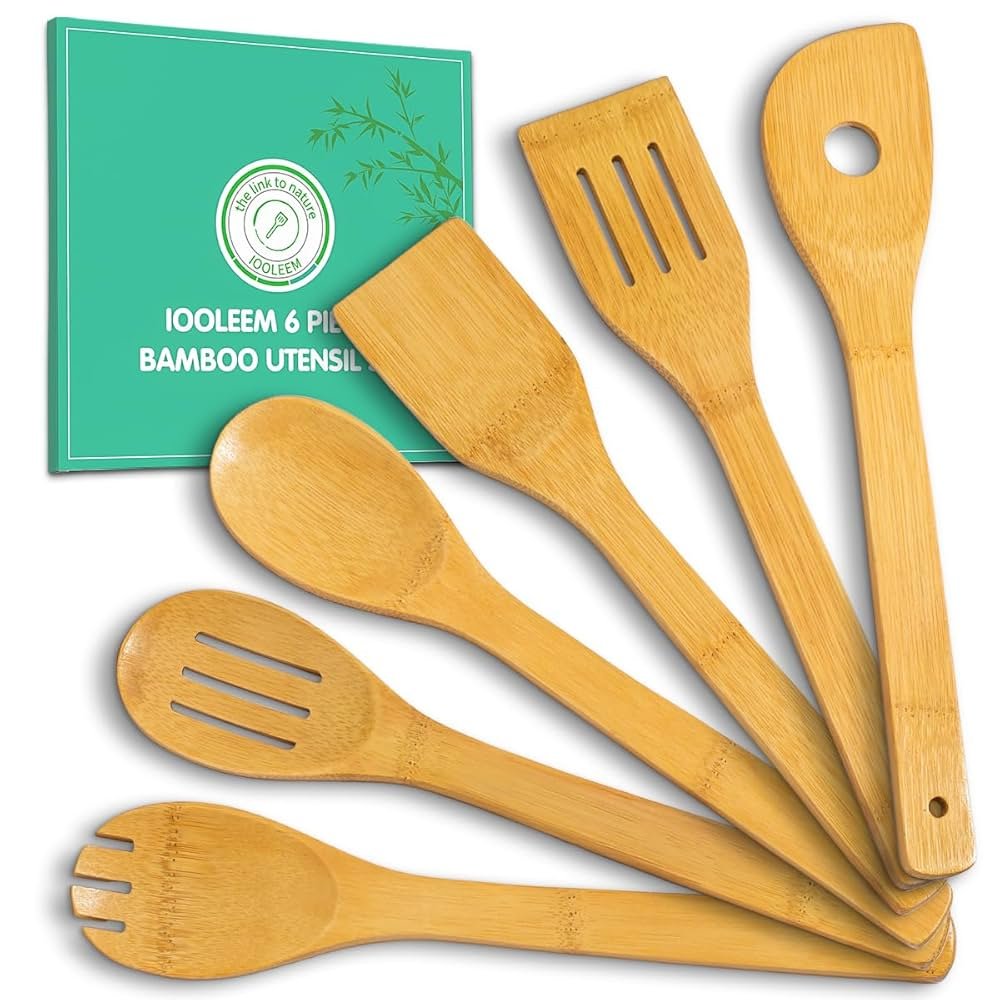
Choosing the right utensils for your kitchen might seem simple, but it can actually make a big difference in your cooking and health. When it comes to bamboo or wooden utensils, you probably wonder which one is better for you.
Are you looking for durability, eco-friendliness, or something that feels just right in your hand? This guide will help you make a smart choice by breaking down the key points you need to know. Keep reading, and by the end, you’ll feel confident picking the perfect utensils that match your style and needs.

Credit: thegreenjarshop.com
Benefits Of Bamboo Utensils
Bamboo utensils are a great choice for your kitchen. They offer many benefits over other materials.
Understanding these benefits can help you make a better decision when choosing utensils.
Eco-friendly And Sustainable
Bamboo is a renewable resource. It grows quickly and does not need pesticides or fertilizers.
Choosing bamboo utensils helps reduce deforestation. It supports a cleaner planet.
Lightweight And Durable
Bamboo utensils are light and easy to handle. They are strong and last a long time.
These utensils do not easily break or warp. They can withstand regular use in the kitchen.
Natural Antibacterial Properties
Bamboo has natural antibacterial properties. This makes it a hygienic choice for cooking.
These properties help keep your food safe. Bamboo utensils reduce the risk of germs.
Benefits Of Wooden Utensils
Wooden utensils offer many benefits for cooking and serving food. They are gentle on cookware and add a natural touch to your kitchen.
Choosing wooden utensils can improve your cooking experience. They last long and handle heat well.
Classic Aesthetic Appeal
Wooden utensils have a warm, natural look. They fit well in any kitchen style, from rustic to modern.
Their unique grains and colors make each utensil special. This adds charm and character to your kitchen tools.
Heat Resistance
Wood does not conduct heat like metal. This means wooden utensils stay cool to the touch while cooking.
You can stir hot food safely without burning your hands. They also do not melt or warp from heat.
Long-lasting With Proper Care
Wooden utensils can last many years if you care for them well. Cleaning and drying them properly helps prevent cracks.
Oiling wooden utensils occasionally keeps the wood smooth and strong. This prevents drying and splitting.
- Wash with mild soap and water
- Dry completely before storing
- Apply food-safe oil every few weeks
- Avoid soaking in water for long
Key Differences Between Bamboo And Wood
Bamboo and wood are popular materials for kitchen utensils. Both have unique traits that affect their use and care.
Knowing their differences helps you pick the right utensils for your needs.
Material Source And Growth
Bamboo is a fast-growing grass. It can grow up to several feet in a few weeks. This makes it very renewable.
Wood comes from trees. Trees take years to mature before they can be used. This makes wood less renewable than bamboo.
- Bamboo regenerates quickly after harvest.
- Wood growth depends on tree species and climate.
- Bamboo harvesting has less impact on forests.
Texture And Weight
Bamboo utensils usually feel smooth and light. Their texture is often uniform and less porous.
Wood utensils can have varied textures. They may feel heavier and more solid. Some woods show natural grain patterns.
- Bamboo is lighter and less dense.
- Wood can be heavier but offers a sturdy feel.
- Wood may have unique grain that adds beauty.
Maintenance Requirements
Bamboo utensils need regular oiling to prevent cracking. They dry quickly and resist water damage well.
Wood utensils also need oiling but can absorb more water. They may need extra care to avoid warping or splitting.
- Bamboo dries faster and resists stains.
- Wood requires careful drying to last longer.
- Both need hand washing, not dishwasher safe.
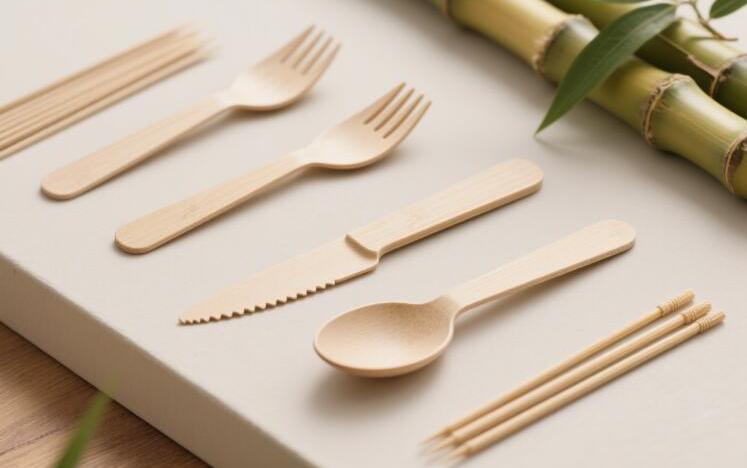
Credit: www.sanyangwood.com
Factors To Consider When Buying
Choosing between bamboo and wooden utensils needs some thought. Picking the right one makes cooking easier and safer.
Look at key factors to find utensils that fit your needs and style.
Purpose And Usage
Think about what you will use the utensils for. Some are better for stirring, others for serving or cutting.
Consider the cooking style and types of food you prepare often. This helps pick the right material and shape.
- Bamboo utensils are lightweight and great for light cooking.
- Wooden utensils are sturdy and good for heavy stirring or scraping.
- Choose spoon shapes that fit your cooking habits.
Safety And Non-toxic Finishes
Safety matters a lot when using utensils with food. Check if the utensils are free from harmful chemicals.
Look for non-toxic finishes that protect the utensil but keep it safe for cooking and eating.
- Choose utensils with natural or food-safe oil finishes.
- Avoid utensils with plastic coatings or synthetic paints.
- Check if the product mentions food-grade certification.
Design And Comfort
Good design makes utensils easy to hold and use. Comfort reduces hand strain during cooking.
Look for smooth handles and balanced weight. The utensil should feel good in your hand.
- Test grip size and shape before buying if possible.
- Check for smooth edges to avoid splinters.
- Choose a design that fits your kitchen style and personal taste.
How To Identify Quality Utensils
Choosing bamboo or wooden utensils is a good choice for your kitchen. Quality utensils last longer and are safer to use. Learn how to spot good utensils before buying.
Look closely at the feel and finish of the utensil. Check for any damage or signs of poor work. Trust brands that follow safety and quality rules.
Smoothness And Craftsmanship
Good utensils have a smooth surface without rough spots. The craftsmanship should show careful shaping and polishing. This makes utensils comfortable to hold and use.
Check if the utensil feels even and well-made. Poorly crafted items may have uneven edges or rough patches that can hurt your hands.
Absence Of Cracks And Splinters
Look closely for cracks or splinters on the utensil surface. These defects reduce strength and can cause injury. Quality utensils are free from these flaws.
- Inspect all sides carefully
- Run your fingers to feel for splinters
- Avoid utensils with visible cracks
Certifications And Brand Reputation
Check if the utensil has safety or quality certifications. These show the product meets health and material standards. Trusted brands often provide these certificates.
Research brands known for good quality. Reviews and ratings help find reliable makers. Buying from well-known brands reduces the risk of poor products.
Care Tips For Bamboo And Wooden Utensils
Bamboo and wooden utensils are great for cooking. They are gentle on pots and pans. To keep them lasting longer, proper care is important.
This guide will show you how to clean, oil, and store these utensils the right way. Good care keeps them safe and looking nice.
Cleaning Methods
Wash bamboo and wooden utensils by hand. Use warm water and mild soap. Avoid soaking them in water for a long time.
Do not put these utensils in a dishwasher. The heat and water can cause cracks and warping. Dry them well with a clean cloth after washing.
- Use a soft sponge or cloth to clean
- Rinse with warm water immediately after use
- Never soak for hours
- Avoid dishwasher and harsh detergents
- Dry completely before storing
Oiling And Conditioning
Oiling wooden and bamboo utensils helps keep them strong and smooth. It stops the wood from drying out and cracking.
Use food-safe oils like mineral oil or coconut oil. Apply a small amount with a soft cloth. Let the oil soak in before wiping off the extra.
- Apply oil once a month or when dry
- Use a clean cloth for applying oil
- Let oil soak for a few hours or overnight
- Wipe off excess oil to avoid stickiness
- Do not use cooking oils that can go rancid
Storage Suggestions
Store bamboo and wooden utensils in a dry place. Avoid damp areas to prevent mold and mildew. Make sure they are fully dry before storing.
Keep utensils in a drawer or container with good air flow. Avoid stacking them tightly to prevent damage. Hang them if possible for better air circulation.
- Dry utensils completely before storing
- Store in a cool, dry place
- Avoid airtight containers that trap moisture
- Hang utensils to improve air flow
- Keep away from direct sunlight to prevent fading
Common Mistakes To Avoid
Choosing bamboo or wooden utensils is great for the environment and your kitchen. You must care for them properly to last long. Avoid these common mistakes to keep your utensils safe and useful.
Using Harsh Detergents
Harsh detergents can damage bamboo and wooden utensils. They strip away natural oils and cause the wood to dry out. This makes utensils crack or warp over time.
Use mild dish soap instead. This cleans without harming the wood. Rinse well to remove all soap residue after washing.
Soaking In Water For Long Periods
Leaving bamboo or wooden utensils in water for a long time is bad. Water soaks into the wood and causes swelling or splitting. It also invites mold and bacteria growth.
Wash utensils quickly and dry them right away. Do not leave them soaking in the sink or dishwasher.
- Soaking weakens the wood fibers
- Leads to cracking and warping
- Can cause unpleasant odors
Ignoring Regular Maintenance
Wood and bamboo need regular care to stay strong. Ignoring maintenance lets the wood dry out and crack. It reduces the lifespan of your utensils.
Apply food-safe mineral oil or beeswax every few weeks. This keeps the wood moist and protected from damage.
- Oil prevents drying and cracking
- Makes utensils last longer
- Maintains smooth surface for easy cleaning
Where To Buy Bamboo And Wooden Utensils
Bamboo and wooden utensils are eco-friendly choices for your kitchen. Finding the right place to buy them helps you get quality items.
There are different places to shop for these utensils. Each offers unique options and styles.
Specialty Kitchen Stores
Specialty kitchen stores focus on cooking tools and accessories. They often carry bamboo and wooden utensils.
These stores provide high-quality items with detailed product information. Staff can help you choose the right utensils.
- Look for stores with eco-friendly product sections
- Visit stores known for natural or handcrafted items
- Ask about care instructions for wooden utensils
Online Marketplaces
Online marketplaces offer a wide range of bamboo and wooden utensils. You can compare prices and styles easily.
Many sellers provide customer reviews to help you decide. Check product details and shipping policies before buying.
- Search for trusted sellers with good ratings
- Read product descriptions carefully
- Look for sets that suit your cooking needs
Local Artisans And Markets
Local artisans often create unique bamboo and wooden utensils by hand. Buying from them supports small businesses.
Farmers markets and craft fairs are great places to find these utensils. You can see the quality up close and ask questions.
- Visit craft fairs in your area
- Check farmers markets for handmade kitchen tools
- Talk to artisans about their materials and processes
:max_bytes(150000):strip_icc()/wooden-spoons-for-cooking-7-piece-7f588bd1f8864d0c94f3d5735798d7f7.jpg)
Credit: www.allrecipes.com
Frequently Asked Questions
What Are The Benefits Of Bamboo Utensils Over Wooden Ones?
Bamboo utensils are lightweight, eco-friendly, and naturally antibacterial. They resist stains and odors better than wooden utensils. Bamboo grows faster, making it a more sustainable choice. Wooden utensils offer durability but require more maintenance to prevent cracking and warping.
How To Maintain Bamboo And Wooden Utensils Properly?
Clean utensils with mild soap and warm water immediately after use. Avoid soaking them to prevent warping. Oil them regularly with food-safe mineral oil to maintain moisture. Store in a dry place away from direct sunlight for longevity and hygiene.
Are Bamboo Utensils Safer For Cooking Than Wooden Utensils?
Yes, bamboo utensils are generally safer due to their natural antimicrobial properties. They don’t absorb liquids or bacteria easily. Wooden utensils can harbor bacteria if not cleaned and dried properly. Both are safe when maintained well and used correctly in the kitchen.
Which Utensil Type Is More Durable: Bamboo Or Wood?
Wooden utensils tend to be more durable and resistant to heat. Bamboo is strong but can be more brittle and prone to cracking under heavy use. Proper care extends the lifespan of both. Choose based on your cooking style and maintenance preference.
Conclusion
Choosing between bamboo and wooden utensils depends on your needs and style. Bamboo is light and dries quickly. Wooden utensils feel sturdy and last long with care. Both options are eco-friendly and safe for cooking. Think about how you use utensils daily.
Consider cleaning and maintenance too. Pick utensils that match your kitchen and habits. Small choices make a big difference in your cooking experience. Trust your gut and enjoy your new utensils!