
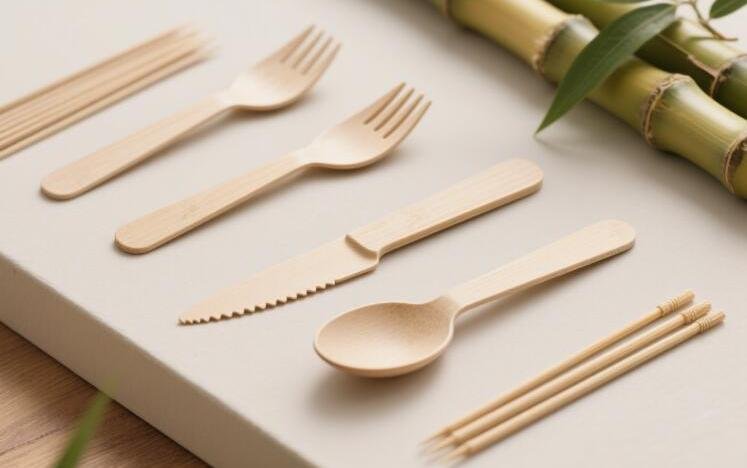
Choosing the right utensils for your kitchen can feel overwhelming, especially when deciding between bamboo and wood. You want something that feels good in your hand, lasts long, and is safe for your family.
But how do you know which material suits your needs best? This guide will help you understand the key differences and benefits, so you can make a confident choice that fits your cooking style and values. Keep reading to discover how to pick the perfect bamboo or wood utensils for your home.
Benefits Of Bamboo Utensils
Bamboo utensils are popular in kitchens today. They offer many benefits that make them a great choice.
Choosing bamboo over other materials can help you enjoy cooking more. Let’s explore why bamboo utensils are a smart choice.
Eco-friendly Qualities
Bamboo grows quickly and needs less water. It is a renewable resource, making it eco-friendly.
Using bamboo utensils helps reduce the use of plastic. This is better for the environment.
- Biodegradable and compostable
- Low carbon footprint
- No harmful chemicals
Durability And Strength
Bamboo utensils are strong and last a long time. They do not break easily under pressure.
They can handle hot and cold temperatures without damage. This makes them reliable for many uses.
- Resistant to scratches
- Does not warp or crack
- Suitable for high heat cooking
Lightweight And Easy To Handle
Bamboo utensils are light, making them easy to use. This is especially helpful when cooking for a long time.
Their smooth texture makes them comfortable to hold. They are great for both adults and kids.
- Easy to grip
- Gentle on pots and pans
- Perfect for everyday use
Advantages Of Wooden Utensils
Wooden utensils have been used for centuries in kitchens worldwide. They offer many benefits that make them a great choice over other materials.
Choosing wooden utensils adds value to your cooking experience. They are safe, durable, and look beautiful.
Natural Aesthetic Appeal
Wooden utensils have a warm and natural look. They bring charm and a rustic feel to your kitchen.
Each piece has unique patterns and colors. This adds character and beauty to your cooking tools.
Heat Resistance
Wood does not conduct heat like metal. This means wooden utensils stay cool when stirring hot foods.
They are safe to use on all cookware types. Wooden utensils will not scratch non-stick surfaces.
Longevity With Proper Care
Wooden utensils can last many years if taken care of. Regular cleaning and oiling keep them strong.
They resist cracking and warping when dried properly. Avoid soaking them in water for long periods.
- Wash by hand with mild soap
- Dry immediately after washing
- Apply food-safe oil monthly
- Store in a dry place
Material Differences
Bamboo and wood utensils look similar but have key differences. These affect how they feel, last, and taste with food.
Understanding these differences helps you pick the best utensils for your kitchen needs.
Texture And Finish
Bamboo utensils often have a smooth, fine texture. They feel lighter and less rough in your hand.
Wood utensils can be rougher or more grainy. Their finish varies depending on the type of wood and polishing.
- Bamboo is usually polished to a silky finish
- Wood can have natural knots and grain patterns
- Bamboo’s tight fibers make it less porous
- Wood may absorb more moisture due to open grain
Maintenance Requirements
Bamboo utensils need less oiling to stay smooth. They dry quickly after washing.
Wood utensils require regular oiling to prevent cracking and warping. They take longer to dry.
- Bamboo is resistant to water damage
- Wood can swell or crack if not cared for
- Both should be hand washed and dried well
- Avoid soaking either material in water
Impact On Food Taste
Bamboo utensils have a neutral taste and do not affect food flavor. They do not absorb strong smells.
Wood utensils sometimes add a mild woody aroma. This can change food taste slightly, especially with oily foods.
- Bamboo keeps food flavors pure
- Wood may retain flavors from previous meals
- Both are safe for cooking and serving
- Choose based on your taste sensitivity

Credit: www.amazon.ca
Health And Safety Factors
Choosing the right utensils is important for your health and safety. Bamboo and wood are popular choices for kitchen tools.
Understanding their health benefits helps you pick utensils that are safe to use daily.
Non-toxic Properties
Bamboo and wood utensils are natural and usually free from harmful chemicals. They do not release toxins when heated or used with food.
Look for utensils made without synthetic coatings or paints to avoid exposure to toxins.
- Bamboo grows quickly and is eco-friendly
- Wood utensils come from various tree types
- Both avoid plastic chemicals like BPA
- Natural oils in wood can protect the surface
Resistance To Bacteria
Bamboo and wood have natural properties that help resist bacteria. Their surfaces do not hold moisture easily, which reduces germs.
It is important to clean and dry utensils well to keep them safe and hygienic.
- Bamboo has tight fibers that block bacteria
- Wood can absorb moisture but dries quickly
- Avoid deep cracks where bacteria can hide
- Regular oiling helps keep utensils smooth
Allergy Considerations
Some people may be allergic to certain woods or bamboo. Knowing your allergies helps you choose safe utensils.
Test new utensils carefully if you have sensitive skin or food allergies.
- Wood types like teak or oak can cause reactions
- Bamboo is less likely to cause allergies
- Check for finishes or coatings that may irritate
- Use gloves if you are unsure about sensitivity
Sustainability And Environmental Impact
Choosing bamboo or wood utensils affects the environment in different ways. Understanding sustainability helps you make better choices.
We look at how they are harvested, how they break down, and their carbon footprint.
Harvesting Practices
Bamboo grows fast and can be harvested often without killing the plant. This makes it a renewable resource. Wood comes from trees that take many years to grow.
Cutting down trees can harm forests if done unsustainably. Bamboo farms usually need less water and no pesticides.
- Bamboo regrows in 3-5 years
- Trees can take decades to mature
- Unsustainable logging harms wildlife
- Bamboo farming uses less water
Biodegradability
Both bamboo and wood utensils break down naturally after use. They do not add plastic waste to landfills.
Bamboo often decomposes faster because it is less dense. Wood can last longer but still returns to the earth without pollution.
- Bamboo breaks down in months
- Wood takes longer but is natural
- No toxic chemicals released
- Both reduce plastic waste
Carbon Footprint
Bamboo absorbs more carbon dioxide while growing than most trees. This helps reduce greenhouse gases.
Wood utensils have a carbon cost from tree growth and processing. Bamboo’s quick growth lowers its overall impact.
- Bamboo absorbs carbon quickly
- Wood stores carbon for many years
- Bamboo processing uses less energy
- Both can be made locally to cut transport emissions

Credit: thegreenjarshop.com
Price And Value Comparison
Choosing between bamboo and wood utensils depends on price and value. This guide helps you understand costs and quality.
We compare price ranges, long-term investment, and quality versus price for both types of utensils.
Cost Range
Bamboo utensils usually cost less than wood utensils. They are often cheaper to produce and buy.
Wood utensils come in a wider price range. Some types, like hardwood, are more expensive.
- Bamboo utensils: $5 to $15 per set
- Wood utensils: $10 to $30 per set
- High-end wood (like teak): $25 to $50 per set
Long-term Investment
Wood utensils can last longer if cared for well. They resist damage better than bamboo.
Bamboo utensils wear out faster but are easy to replace because of their low cost.
- Wood utensils need regular oiling to stay strong.
- Bamboo utensils may crack or splinter over time.
- Choosing durable wood can save money in the long run.
Quality Vs. Price
Price does not always show true quality. Both bamboo and wood have good and poor types.
Some bamboo utensils are smooth and well-made. Some wood utensils may be rough or cheap.
| Material | Price | Quality |
| Bamboo | Low to Medium | Good for light use |
| Softwood Utensils | Low to Medium | Less durable |
| Hardwood Utensils | Medium to High | Strong and durable |
Choosing Based On Usage
Selecting between bamboo and wood utensils depends on how you will use them. Different tasks need different materials.
Think about what you cook, how often you use utensils, and cleaning needs before choosing.
Cooking Types
Some utensils work better with certain cooking styles. Bamboo is light and smooth, good for gentle stirring.
Wood utensils are stronger and can handle heavy mixing or scraping without breaking.
- Bamboo: Best for light cooking and serving
- Wood: Great for frying, stirring thick mixtures
- Both: Safe for non-stick pans, won’t scratch surfaces
Frequency Of Use
How often you cook affects which utensil lasts longer. Bamboo is fast-growing but can wear out faster.
Wood utensils tend to be more durable with heavy daily use but need more care.
- Bamboo: Good for occasional use and light tasks
- Wood: Better for daily, heavy-duty cooking
- Consider replacing bamboo utensils more often for hygiene
Dishwasher Compatibility
Cleaning method matters. Bamboo utensils can crack or warp in dishwashers.
Wood utensils also risk damage but sometimes hold up better if hand-washed after.
- Bamboo: Hand wash recommended to keep shape
- Wood: Hand wash best, avoid soaking too long
- Both: Avoid dishwasher to extend life and safety
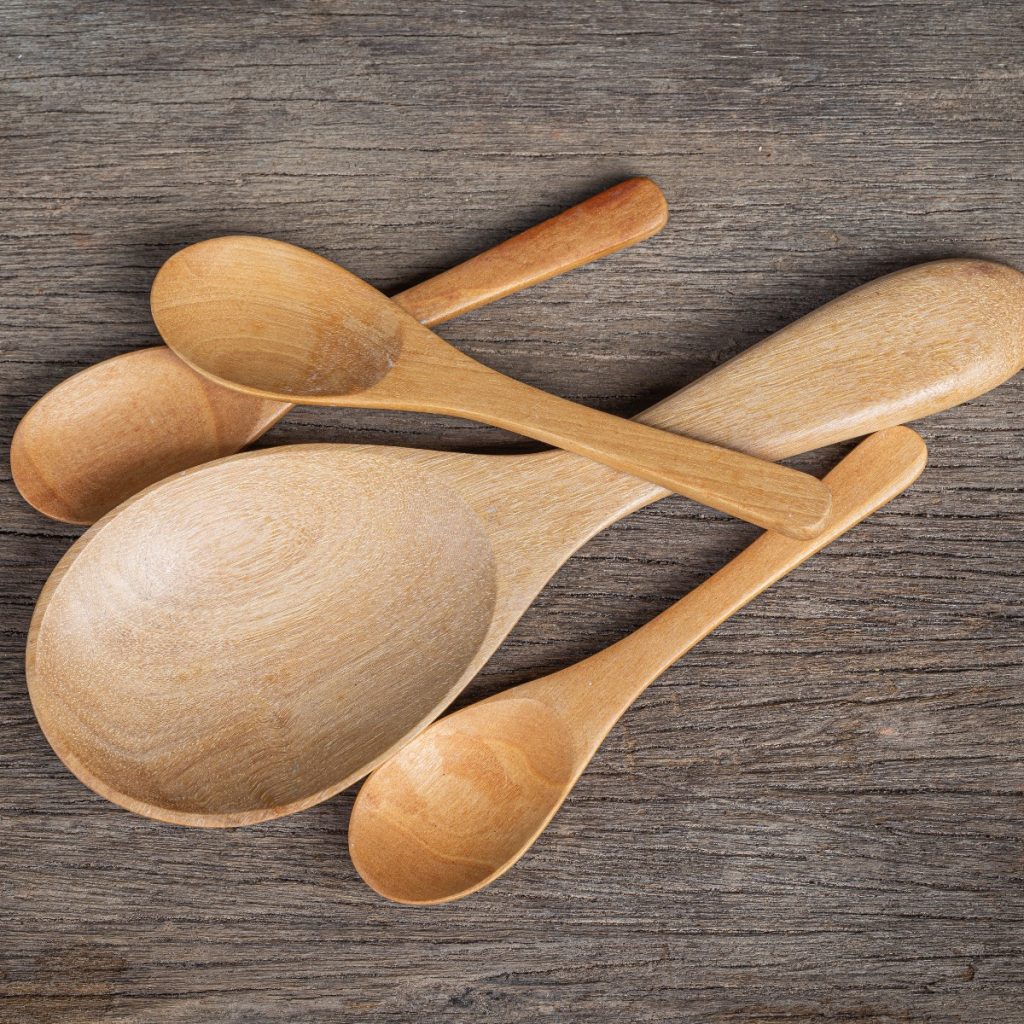
Credit: www.reluctantgourmet.com
Tips For Buying Bamboo And Wooden Utensils
Bamboo and wooden utensils are eco-friendly and durable. They add a natural touch to your kitchen.
Choosing the right utensils helps you cook safely and enjoy your meals. Look for quality and safety.
Checking For Quality
Check if the utensils feel strong and smooth. Rough or cracked wood can break easily.
Look for utensils made with dense wood or bamboo. They last longer and resist water well.
- Inspect for smooth, splinter-free surfaces
- Choose utensils with a solid, heavy feel
- Avoid thin or cracked pieces
- Prefer utensils made from hardwood or thick bamboo
Avoiding Harmful Coatings
Some utensils have paints or varnishes that can be unsafe. Choose natural or food-safe finishes.
Check labels for non-toxic, BPA-free, or food-grade coatings. Avoid shiny or plastic-like surfaces.
- Avoid utensils with strong chemical smells
- Look for natural oil or wax finishes
- Choose products labeled food-safe or non-toxic
- Stay away from glossy or brightly colored coatings
Trusted Brands And Sellers
Buy from brands known for quality and safety. Check reviews to see what others say.
Trusted sellers offer clear product details. They provide customer support and good return policies.
- Choose brands with good customer feedback
- Look for clear ingredient and material info
- Buy from stores with easy returns and support
- Prefer sellers who specialize in kitchen tools
Care And Maintenance Tips
Bamboo and wood utensils need proper care to last long. Good care keeps them clean and safe to use.
Follow simple steps to keep your utensils in great shape every day.
Cleaning Techniques
Clean bamboo and wood utensils right after use. Avoid soaking them in water for a long time.
Use mild soap and warm water. Gently scrub with a soft cloth or sponge to remove food.
- Do not use harsh detergents or bleach
- Rinse thoroughly to remove soap
- Dry utensils immediately with a towel
Storage Advice
Store utensils in a dry place. Avoid keeping them in damp or humid areas.
Keep utensils separated to prevent scratches and damage. Use utensil holders or drawers.
- Do not store utensils in airtight containers
- Keep away from direct sunlight
- Allow air circulation to prevent mold
Extending Utensil Lifespan
Apply food-safe oil to your utensils once in a while. This keeps the wood or bamboo from drying out.
Avoid using utensils for tasks that can cause damage, like cutting on hard surfaces.
- Use mineral oil or beeswax for treatment
- Keep utensils away from extreme heat
- Check regularly for cracks or splits
Frequently Asked Questions
What Are The Benefits Of Bamboo Utensils Over Wood?
Bamboo utensils are lightweight, eco-friendly, and highly durable. They resist water better and dry faster than wood. Bamboo also grows quickly, making it a sustainable choice for kitchen tools.
How To Maintain Bamboo And Wood Utensils Properly?
Clean utensils with mild soap and warm water. Avoid soaking or dishwasher use to prevent cracking. Regularly oil them with food-safe mineral oil to maintain moisture and extend lifespan.
Are Bamboo And Wood Utensils Safe For Cooking?
Yes, both are non-toxic and safe for cooking. They do not react with acidic foods or release harmful chemicals. Choose utensils made from untreated, natural materials for best safety.
Which Utensil Type Is Best For Non-stick Cookware?
Wood and bamboo utensils are ideal for non-stick cookware. They prevent scratches and preserve the coating. Bamboo’s smooth texture adds extra protection against damage.
Conclusion
Choosing between bamboo and wood utensils depends on your needs. Bamboo is light and dries quickly, making it easy to clean. Wood offers a classic look and feels sturdy in your hand. Both materials are eco-friendly and safe for cooking.
Think about how you cook and clean before deciding. Quality matters, so pick utensils that last long. Care for them well to keep their beauty and strength. Your kitchen will benefit from natural, reliable tools. Simple choices bring great results.