
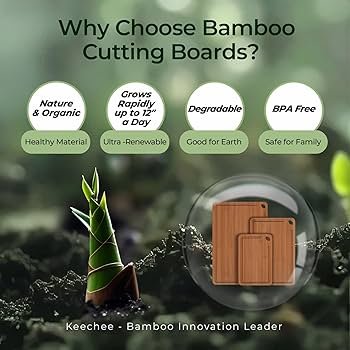
Choosing the right bamboo cutting board can make a big difference in your kitchen. You want something that’s durable, easy to clean, and safe for your knives.
But with so many options out there, how do you pick the perfect one? This guide will help you understand what to look for, so you can make a choice that feels right every time you cook. Keep reading to find out how to get the best bamboo cutting board for your needs.
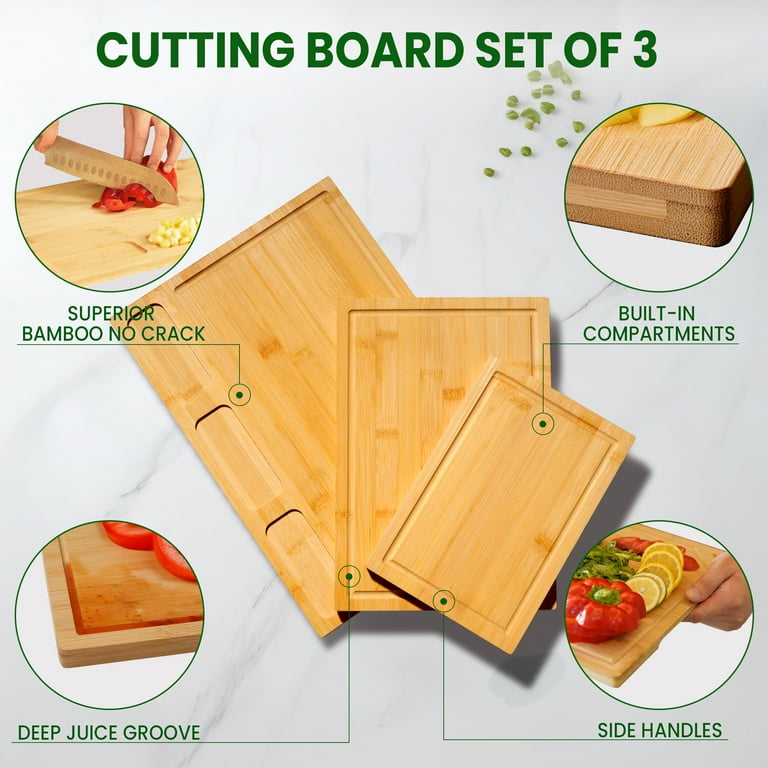
Credit: www.walmart.com
Benefits Of Bamboo Cutting Boards
Bamboo cutting boards are a great choice for your kitchen. They offer many benefits that make them popular among cooks.
These boards are not only functional but also help the environment. Let’s look at why bamboo cutting boards are a smart pick.
Eco-friendly Material
Bamboo is a sustainable resource. It grows quickly and needs little water, making it eco-friendly.
Choosing bamboo helps reduce deforestation. It’s a great way to care for our planet while cooking.
- Bamboo grows faster than trees
- Requires less water
- Reduces deforestation
Natural Antibacterial Properties
Bamboo has natural antibacterial properties. This means it’s less likely to harbor harmful germs.
Keeping your food safe is important. A bamboo cutting board can help prevent bacteria growth.
- Lessens bacteria growth
- Helps keep food safe
- Easy to clean
Durability Compared To Wood And Plastic
Bamboo cutting boards are strong and durable. They last longer than plastic and many wood boards.
They resist knife scars and won’t crack easily. This makes them a reliable choice for daily use.
- Lasts longer than plastic
- Resists knife marks
- Won’t crack easily
Key Factors For Durability
Bamboo cutting boards are strong and eco-friendly. Choosing a durable one saves money and effort.
Focus on the board’s grain orientation, thickness, weight, finish, and coating. These factors affect how long it lasts.
Grain Orientation
Grain orientation means how bamboo strips are joined. It changes the board’s strength and how it cuts.
There are three types: edge grain, flat grain, and end grain. Each type has different durability and care needs.
- Edge grain:Strips are glued side by side. It is strong and resists warping.
- Flat grain:Strips are laid flat. It shows more grain but can be softer.
- End grain:Strips are glued vertically. It is gentle on knives and very durable.
Thickness And Weight
Thicker cutting boards tend to last longer. They resist cracks and warping better than thin boards.
Weight relates to thickness and density. A heavier board often means it is solid and durable.
- At least 1 inch thick is good for durability
- Heavy boards stay stable on counters
- Lighter boards may be easier to move but less sturdy
Finish And Coating
The finish protects the bamboo from water and stains. A good coating keeps the board strong and clean.
Natural oils or food-safe sealants work best. Avoid finishes with harmful chemicals or plastics.
- Look for boards with mineral oil or beeswax finish
- A smooth finish prevents bacteria buildup
- Reapply oil regularly to keep the board protected
Types Of Bamboo Cutting Boards
Bamboo cutting boards are popular for their strength and eco-friendliness. They come in different types, each with unique features.
Knowing the types helps you pick the best board for your kitchen needs. Here are the common types of bamboo cutting boards.
Edge-grain Boards
Edge-grain boards are made by gluing bamboo strips side by side. The strips show the narrow edge of the bamboo stalks.
These boards are smooth and less expensive. They are good for everyday use but may show knife marks faster.
End-grain Boards
End-grain boards are made by gluing bamboo pieces with the ends facing up. This pattern shows the bamboo’s rings and fibers.
These boards are tougher and gentler on knives. They last longer and resist cuts better than edge-grain boards.
Strand-woven Boards
Strand-woven boards are made by compressing bamboo fibers under high pressure. This process creates a very hard and dense board.
These boards are strong and durable. They resist water and stains well but can be harder on knives than other types.
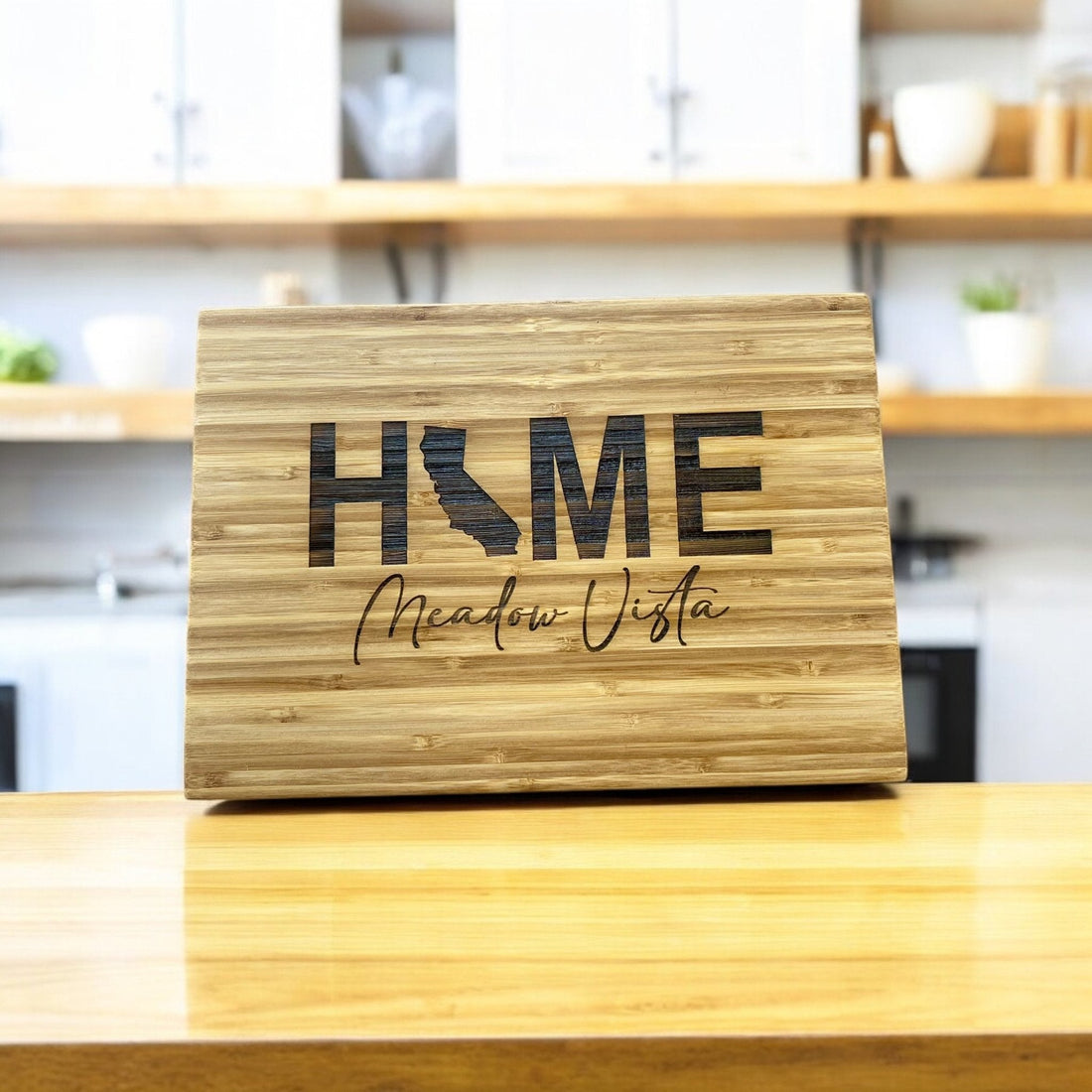
Credit: sierraheirloom.com
Maintenance Tips To Extend Lifespan
Bamboo cutting boards are strong and eco-friendly. Taking care of them right helps them last longer.
Good maintenance stops cracks and keeps the board safe for food. Learn simple ways to care for bamboo boards.
Cleaning And Drying
Clean your bamboo board after each use. Use warm water and mild soap to wash it by hand.
Never soak the board in water. Rinse quickly and dry it right away with a clean towel.
- Use a soft sponge or cloth to avoid scratches
- Do not put the board in the dishwasher
- Dry the board standing up for air circulation
Oiling And Conditioning
Oiling your bamboo board keeps it from drying out and cracking. Use food-safe mineral oil or bamboo oil.
Apply oil once a month or when the board looks dry. Rub the oil in with a soft cloth and let it soak overnight.
- Use enough oil to cover the whole surface
- Wipe off extra oil after letting it soak
- Conditioning keeps the bamboo smooth and strong
Avoiding Excessive Moisture
Too much water can cause bamboo boards to warp or split. Keep them dry between uses.
Store your cutting board in a dry place. Avoid leaving it near sinks or damp counters.
- Do not soak or leave the board in water
- Keep the board away from heat sources
- Dry the board quickly after washing
Common Mistakes To Avoid
Choosing a bamboo cutting board is smart, but using it wrong can cause damage. Avoid simple mistakes to keep your board strong and safe.
Learn the common errors people make with bamboo cutting boards. Fix these to get the best use and long life.
Using Harsh Detergents
Harsh detergents can harm bamboo cutting boards. These soaps dry out the wood and cause cracks.
Use mild dish soap and warm water instead. This keeps the bamboo smooth and healthy.
Cutting On Both Sides
Cutting on both sides of the board wears it out fast. It can cause warping and splits.
Always use one side for cutting. Keep the other side clean or use it for serving.
Neglecting Regular Care
Ignoring regular care leads to dry, cracked bamboo boards. Proper care keeps the board strong and safe.
Oil your board often with food-safe mineral oil. Wipe it dry after washing to avoid water damage.
Price Vs. Quality Considerations
Choosing a bamboo cutting board means thinking about price and quality. Some boards cost less but may not last long.
Higher quality boards often cost more but offer better durability and features. Balancing these helps you pick the right board.
Budget Options
Budget bamboo cutting boards are good for light kitchen use. They usually have simpler designs and fewer features.
These boards can be thinner and may wear out faster. They work well if you cook occasionally or need a spare board.
- Basic shape and size
- Less thick, lighter weight
- May not resist stains or cuts well
- Affordable and easy to replace
Premium Features Worth Investing In
Premium bamboo cutting boards offer stronger build and better finish. They last longer and resist knife marks well.
These boards may have extra features like juice grooves or non-slip feet. These add convenience and safety in the kitchen.
- Thicker and heavier for stability
- Smooth, sealed surface to prevent stains
- Built-in handles or juice grooves
- Non-slip pads for safety

Credit: www.listful.com
Frequently Asked Questions
What Makes Bamboo Cutting Boards Better Than Wood?
Bamboo boards are eco-friendly, durable, and naturally antimicrobial. They resist knife marks and are lighter than hardwood boards. Bamboo grows fast, making it a sustainable choice for cutting boards. This makes them ideal for a hygienic and long-lasting kitchen tool.
How To Maintain Bamboo Cutting Boards Properly?
Clean bamboo boards with mild soap and warm water. Avoid soaking or placing them in dishwashers. Regularly oil them with food-grade mineral oil to prevent drying and cracking. Proper care ensures longevity and keeps the surface smooth and safe for food preparation.
Are Bamboo Cutting Boards Safe For All Foods?
Yes, bamboo cutting boards are safe for fruits, vegetables, meats, and bread. Their dense surface prevents deep cuts where bacteria can hide. However, always clean thoroughly after cutting raw meat to avoid cross-contamination and maintain hygiene.
Can Bamboo Cutting Boards Dull Knives Quickly?
No, bamboo is harder than many woods but gentle on knives. It provides a firm cutting surface without excessively dulling blades. Regularly sharpening your knives will keep them effective, regardless of the cutting board material used.
Conclusion
Choosing the right bamboo cutting board helps keep your kitchen safe and clean. Think about size, thickness, and how easy it is to clean. A good board lasts longer and feels comfortable to use. Bamboo is strong and gentle on knives.
Taking time to pick the best one saves money and effort. Now, you can cook with confidence and enjoy your meals more. Simple steps lead to smart choices. Your kitchen deserves the best tools.