
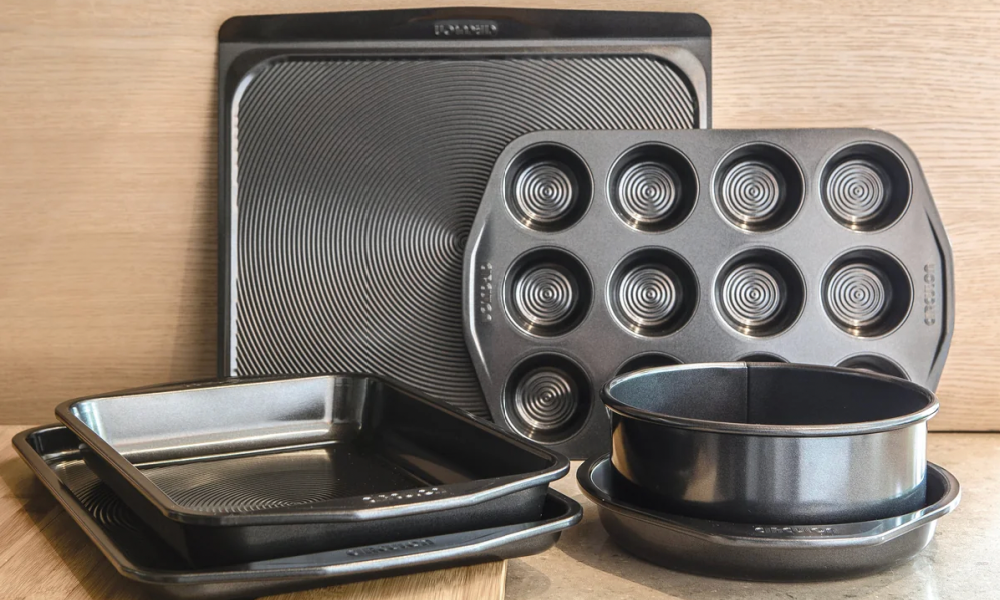
Choosing the right bakeware for roasting meats can make all the difference between a juicy, flavorful meal and a dry, unevenly cooked one. You want your roast to come out perfect every time, but with so many options available, picking the best bakeware can feel confusing.
You’ll discover simple tips that help you select bakeware designed to lock in flavor, cook evenly, and make cleanup easier. Keep reading to find out how the right tools can transform your roasting experience and impress everyone at your table.
Types Of Bakeware
Choosing the right bakeware helps cook meat evenly and well. Different types suit different roasting needs.
Knowing the common types of bakeware makes your cooking easier and better.
Roasting Pans
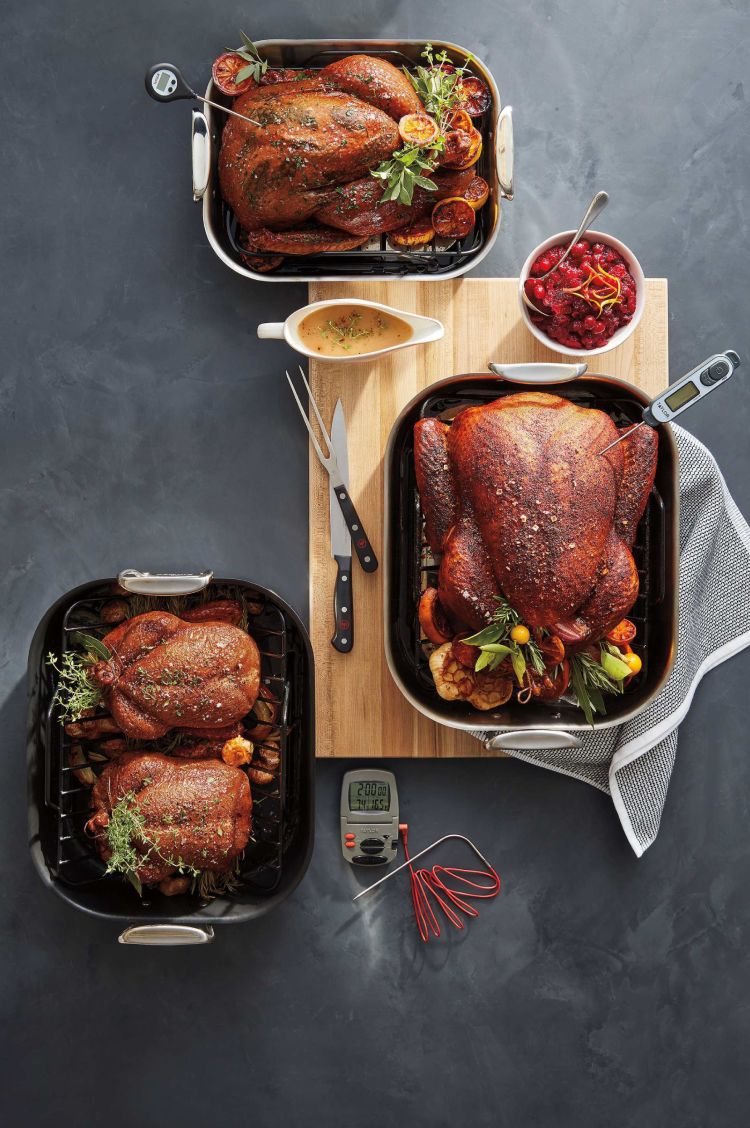
Roasting pans are large and deep. They hold big cuts of meat like turkey or roast beef.
Most roasting pans come with a rack. The rack lifts meat so heat can cook it evenly.
- Usually made of metal for strong heat conduction
- Deep sides prevent juices from spilling
- Racks help fat drip away from meat
Sheet Pans
Sheet pans are flat with low sides. They work well for smaller meat cuts and vegetables.
These pans heat quickly and are easy to clean. You can use them for roasting chicken pieces or pork chops.
- Usually made from aluminum or stainless steel
- Low sides allow easy access to food
- Good for high-heat roasting and crisping
Dutch Ovens
Dutch ovens are heavy pots with lids. They keep heat and moisture inside for tender meat.
They are great for slow cooking, braising, and roasting tougher meat cuts.
- Made from cast iron or ceramic
- Good heat retention and even cooking
- Lids keep moisture for juicy results
Casserole Dishes
Casserole dishes are usually ceramic or glass. They work well for roasting small to medium meat cuts.
These dishes are good for oven-to-table serving and keep food warm longer.
- Often have handles for easy carrying
- Provide even cooking with moderate heat
- Work well with covered or uncovered roasting
Credit: www.crateandbarrel.com
Material Considerations
Choosing the right bakeware affects how your meat cooks. Different materials heat up and hold heat in various ways.
Pick a material that fits your cooking style and budget. Knowing the basics helps you make a better choice.
Stainless Steel
Stainless steel is strong and does not rust. It heats evenly but can have hot spots if it is thin. It is easy to clean and looks good.
It works well for roasting meats that need a steady temperature. Look for stainless steel with an aluminum base for better heat.
Cast Iron
Cast iron holds heat very well. It can give a nice crust on roasted meats. It is heavy and needs care to prevent rust.
- Heats slowly but keeps heat long
- Good for high-temperature roasting
- Needs seasoning to stay non-stick
- Very durable and lasts for years
Non-stick Coatings
Non-stick bakeware helps food release easily. It cleans up fast and needs less oil. Avoid metal utensils to keep the coating safe.
| Pros | Cons |
| Easy to clean | Coating can wear off |
| Requires less oil | Not good for very high heat |
| Lightweight | Can scratch easily |
Ceramic
Ceramic bakeware looks nice and cooks evenly. It is safe for oven and microwave use. The surface is usually non-stick but can chip if dropped.
Ceramic is good for slow roasting. It retains moisture well, keeping meat tender.
Size And Shape
Choosing the right size and shape of bakeware is important for roasting meats. It helps cook the meat evenly and fits your oven well.
The wrong size or shape can cause uneven cooking or make it hard to handle the meat.
Capacity Needs
Think about how much meat you want to roast at once. Buy bakeware that fits your usual cooking amount.
Too small bakeware can crowd the meat. Too big bakeware wastes heat and space.
- Small roasts need smaller pans
- Large roasts need bigger pans
- Consider family size or guests
Depth And Width
Depth is how tall the sides of the pan are. Width is the space across the pan.
Choose a pan deep enough to hold juices and fat. Width should give meat room to brown well.
- Deeper pans hold more juices
- Wide pans allow air to circulate
- Shallow pans may cause spills
Handles And Lids
Handles make it easier to move the bakeware in and out of the oven. Lids help keep moisture in.
Look for sturdy handles that stay cool. A well-fitting lid can speed cooking and keep meat juicy.
- Strong handles improve safety
- Lids trap steam for moist meat
- Some lids also work as roasting racks

Credit: food52.com
Heat Conduction And Retention
Choosing the right bakeware affects how well your meat roasts. Heat conduction and retention are key factors. They help cook meat evenly and keep it juicy.
This guide explains how these factors influence your bakeware choice. You will learn about even cooking, energy efficiency, and temperature range.
Even Cooking
Good bakeware spreads heat across its surface without hot spots. This helps roast meat evenly. Metals like cast iron and stainless steel conduct heat well. Glass and ceramic hold heat but heat slowly.
- Metal pans heat quickly and cook meat evenly.
- Cast iron holds heat longer for steady cooking.
- Glass and ceramic keep heat but may cook unevenly at first.
- Nonstick coatings can affect heat flow.
Energy Efficiency
Energy-efficient bakeware saves heat and reduces cooking time. Materials that keep heat help ovens use less power. Cast iron is energy efficient because it keeps heat for a long time. Thin metal pans lose heat quickly.
| Material | Heat Retention | Energy Use |
|---|---|---|
| Cast Iron | High | Low |
| Stainless Steel | Medium | Medium |
| Aluminum | Low | High |
| Glass | High | Low |
| Ceramic | High | Low |
Temperature Range
Choose bakeware that works at your oven’s temperature. Some materials can crack or warp at high heat. Cast iron and stainless steel handle high temperatures well. Glass and ceramic may break if heated too fast.
Tips for temperature safety:
- Check the manufacturer’s max heat limit.
- Avoid sudden temperature changes.
- Use metal pans for broiling or very high heat.
- Preheat glass or ceramic slowly.
Durability And Maintenance
Choosing the right bakeware for roasting meats means thinking about how long it will last. Durable bakeware holds up well to heat and frequent use. It also needs simple care to keep working well.
Good maintenance helps your bakeware look new and perform better. This saves money by avoiding replacements and keeps cooking safe and easy.
Ease Of Cleaning
Easy-to-clean bakeware saves time and effort after cooking. Nonstick surfaces help remove food without scrubbing hard. Some materials are dishwasher safe, which adds convenience.
Look for bakeware with smooth surfaces and rounded corners. These features stop food from getting stuck. Avoid rough or textured finishes that trap grease and bits.
Scratch And Stain Resistance
Bakeware that resists scratches and stains stays looking good longer. Metals like stainless steel and anodized aluminum handle scratches better. Nonstick coatings can be delicate, so use soft tools.
Stain resistance stops discoloration from meat juices and oils. Darker colors hide stains well, but smooth surfaces are easier to clean thoroughly.
- Use silicone or wooden utensils to avoid scratches
- Clean spills quickly to prevent stains
- Avoid harsh scrubbers that damage surfaces
Longevity
Long-lasting bakeware saves money and reduces waste. Heavy-duty materials like cast iron and stainless steel offer great lifespan. Avoid cheap metals that warp or rust quickly.
Proper care extends your bakeware’s life. Dry it well to stop rust. Store it in a dry place. Regularly check for damage and replace worn pieces.
Price And Budget
Choosing the right bakeware for roasting meats depends a lot on your budget. You want something that works well without costing too much.
Balancing price with quality can help you find bakeware that lasts and cooks evenly. Let’s look at some ways to manage costs.
Balancing Quality And Cost
Good bakeware should heat evenly and last long. Cheap options might save money now but wear out fast. Expensive ones often offer better materials and durability.
- Choose materials like stainless steel or cast iron for durability.
- Avoid very thin metal that bends easily.
- Read reviews to check how well bakeware performs over time.
- Consider if non-stick coatings are worth the extra cost.
Long-term Investment
Buying quality bakeware may cost more upfront. It can save money in the long run by lasting many years. Well-made bakeware also helps cook meat better.
| Type | Price Range | Durability | Cooking Performance |
|---|---|---|---|
| Cast Iron | High | Very High | Excellent heat retention |
| Stainless Steel | Medium to High | High | Even cooking |
| Aluminum | Low to Medium | Medium | Good heat conduction |
| Non-stick | Medium | Medium | Easy cleaning |
Budget-friendly Options
You can find bakeware that fits a tight budget but still works well. Look for sales or consider simpler designs without extra features.
- Check discount stores and online deals.
- Buy smaller pans if you cook less often.
- Choose basic metal pans without coatings.
- Reuse or repurpose old bakeware safely.
Special Features
Choosing the right bakeware is important for roasting meats. Special features make cooking easier and improve results.
Look for bakeware that fits your cooking style and needs. Some features help with cleaning, cooking, and serving.
Non-stick Surfaces
Non-stick surfaces help meat release easily from the pan. They reduce the need for extra oil or butter.
This feature also makes cleaning faster and simpler. It stops meat from sticking and burning.
- Prevents food from sticking
- Requires less oil or fat
- Makes cleanup easier
- Can be metal utensil safe or not
Rack Inclusions
A rack lets heat circulate under the meat. This helps cook the meat evenly on all sides.
Racks also keep meat out of fat and juices. This creates a better roast and less greasy result.
- Improves air flow around meat
- Allows fat to drip away
- Helps meat cook evenly
- Some racks are removable for easy cleaning
Oven To Table
Bakeware that goes from oven to table saves time and effort. It is designed to look good when serving.
This feature often means the pan is sturdy and heat resistant. It can also have handles for easy carrying.
- Durable materials that withstand heat
- Attractive design for serving
- Handles for safe transport
- Saves washing extra dishes

Credit: www.amazon.ca
Brand Recommendations
Choosing the right bakeware for roasting meats can affect your cooking results. Good brands offer durable and reliable products. This guide helps you find trusted bakeware brands.
We look at top choices in the market, user reviews, and expert endorsements. These factors show which brands perform well for roasting meats.
Top Choices In The Market
Several brands stand out for quality and design. They offer different materials like cast iron, stainless steel, and non-stick surfaces. These choices suit various cooking styles.
- Lodge – Known for sturdy cast iron pans
- Calphalon – Offers heavy-duty non-stick roasting pans
- All-Clad – High-quality stainless steel options
- USA Pan – Durable aluminized steel bakeware
- Le Creuset – Combines style with enamel-coated cast iron
User Reviews
Users often share their experiences with these brands. Reviews highlight ease of cleaning, heat distribution, and durability. These insights help in making a smart choice.
| Brand | Average Rating | Common Positive Point |
| Lodge | 4.7/5 | Excellent heat retention |
| Calphalon | 4.5/5 | Non-stick coating lasts long |
| All-Clad | 4.6/5 | Even cooking throughout |
| USA Pan | 4.4/5 | Strong build quality |
| Le Creuset | 4.8/5 | Beautiful and durable |
Expert Endorsements
Chefs and cooking experts recommend brands based on performance and safety. They value materials that do not react with food and pans that hold heat well.
- Lodge is praised for its traditional cast iron quality
- Calphalon receives credit for advanced non-stick technology
- All-Clad is noted for professional-grade stainless steel
- USA Pan is favored for its heavy-duty construction
- Le Creuset is admired for its stylish enamel finish
Frequently Asked Questions
What Materials Are Best For Roasting Meat Bakeware?
Stainless steel and cast iron are top choices. They distribute heat evenly and withstand high temperatures. Non-stick surfaces ease cleanup but may wear out faster. Choose based on durability, heat conduction, and maintenance preferences for best results.
How Does Bakeware Size Affect Meat Roasting?
Bakeware size should fit the meat snugly without crowding. Proper size ensures even heat circulation and thorough cooking. Too large pans may dry meat; too small pans can cause uneven cooking. Select size based on meat type and quantity for optimal roasting.
Can I Use Glass Bakeware For Roasting Meats?
Yes, glass bakeware works well for roasting meats. It heats evenly and allows visual monitoring. However, glass handles temperature changes poorly and can break. Use tempered glass and avoid sudden temperature shifts for safe roasting.
Is Non-stick Bakeware Safe For High-heat Roasting?
Non-stick bakeware can handle moderate heat but may degrade at very high temperatures. Check manufacturer guidelines to avoid coating damage. For high-heat roasting, consider stainless steel or cast iron for better durability and safety.
Conclusion
Choosing the right bakeware makes roasting meat easier and tastier. Think about the material, size, and heat distribution. Good bakeware helps cook meat evenly and keeps flavors locked in. Durable pans last longer and save money. Take time to pick what fits your cooking style best.
Happy roasting!