
Choosing the right whisk might seem simple, but it can make a big difference in your cooking. Whether you’re beating eggs, mixing batter, or whipping cream, the right whisk helps you get perfect results every time.
If you’ve ever struggled with a whisk that didn’t do the job, you know how frustrating it can be. You’ll discover exactly what to look for so you can pick the best whisk for your kitchen. Keep reading, and you’ll soon find the tool that makes your cooking easier and more enjoyable.

Credit: www.surlatable.com
Types Of Whisks
Whisks help mix and beat ingredients. Choosing the right whisk makes cooking easier.
Each whisk type suits different kitchen tasks. Learn about the common kinds below.
Balloon Whisk
The balloon whisk has wide, rounded wires. It is great for whipping cream or eggs.
Its shape traps air to make mixtures light and fluffy.
Flat Whisk
A flat whisk has wires that lie flat. It is perfect for stirring sauces and gravies.
This whisk reaches corners well and prevents lumps from forming.
French Whisk
The French whisk looks like a balloon whisk but has thinner wires. It is strong and flexible.
- Good for whipping eggs and cream
- Works well with batters and sauces
- Easy to handle for heavy mixtures
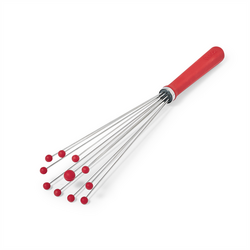
Ball Whisk
The ball whisk has separate wires ending in small balls. It mixes well without scratching pans.
This whisk is useful for reaching corners and edges in pots.
Spiral Whisk
| Feature | Use |
|---|---|
| Coiled spiral wire | Best for mixing sauces and custards |
| Fits in small pans | Good for scraping bottom |
| Flexible and easy to clean | Ideal for light blending tasks |
Materials And Durability
Choosing the right whisk depends on the material it is made of. The material affects how long the whisk lasts and how well it works in the kitchen. Durability is important for daily use.
Some materials resist rust and heat better than others. Others offer a better grip or protect your cookware. Understanding these materials can help you pick the best whisk for your needs.
Stainless Steel
Stainless steel whisks are strong and last a long time. They resist rust and do not bend easily. This makes them good for heavy mixing and heat exposure.
- Do not rust or stain easily
- Handle high temperatures well
- Easy to clean and dishwasher safe
- Strong and durable wires
Silicone Coated
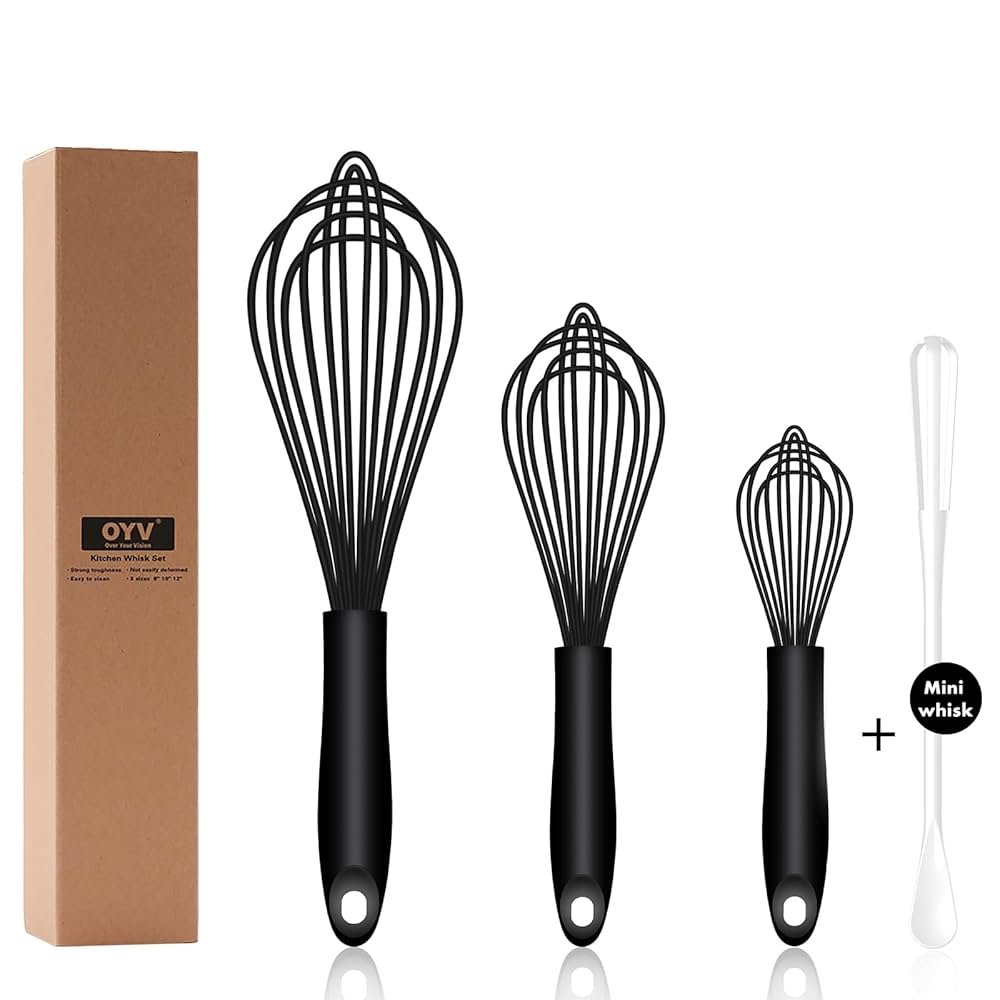
Silicone coated whisks have soft, flexible wires that protect nonstick pans. They do not scratch the surface of your cookware. These whisks are heat resistant but less sturdy than steel.
| Feature | Benefit |
| Heat resistance | Safe to use on hot pans |
| Non-scratch wires | Protects nonstick surfaces |
| Flexible wires | Good for gentle mixing |
| Less durable | May wear out faster |
Wooden Handles
Whisks with wooden handles feel comfortable in the hand. Wood does not get hot while cooking. These handles are strong but can wear out if soaked too long in water.
Tips for Wooden Handles:
- Dry the handle after washing
- Avoid soaking in water for hours
- Apply mineral oil to keep wood smooth
- Check for cracks regularly
Size And Design Considerations
Choosing the right whisk depends on size and design. These factors affect how well it works in your kitchen.
Focus on handle length, whisk width, and the weight and balance of the whisk. These details help you pick the best tool.
Handle Length
The handle length changes how comfortable the whisk feels. Long handles reach deep bowls easily.
Short handles give more control but may not work well in large pots. Choose one that fits your usual kitchen tasks.
Whisk Width
Whisk width affects how much you can mix at once. Wide whisks work well for big bowls.
Narrow whisks are good for small bowls and delicate tasks. Pick the width based on your common recipes.
- Wide whisk: mixes large amounts quickly
- Narrow whisk: precise mixing in small bowls
- Medium whisk: versatile for many uses
Weight And Balance
A whisk should feel balanced in your hand. Too heavy makes it tiring to use for long times.
Light whisks are easy to handle but may feel less sturdy. Find a weight that feels right for you.
- Well-balanced whisk reduces hand fatigue
- Heavy whisk works for thick mixtures
- Light whisk is better for quick tasks

Credit: www.amazon.com
Ergonomic Features
Choosing a whisk with ergonomic features makes cooking easier. It helps reduce hand strain and improves control.
Look for whisks designed to fit your hand comfortably. Good design can prevent slipping and tired muscles.
Grip Comfort
A comfortable grip helps you whisk longer without pain. Handles that fit your hand shape work best.
Choose handles with soft or cushioned materials. These reduce pressure and make whisking smooth.
Non-slip Handles
Non-slip handles keep the whisk steady in your hand. This feature is important when your hands are wet or greasy.
Look for rubber or textured grips. They provide extra hold and prevent accidents in the kitchen.
Versatility In The Kitchen
A whisk is a simple tool that can do many jobs in the kitchen. Choosing the right whisk helps you cook and bake better.
Think about how you will use your whisk. Some whisks work well for many tasks. Others are better for special jobs.
Multi-purpose Use
Multi-purpose whisks work for most common kitchen tasks. They help mix eggs, batter, and sauces quickly.
These whisks usually have a balloon shape. The wires are flexible and move well in bowls.
- Beat eggs for omelets or baking
- Mix pancake or cake batter
- Stir sauces to prevent lumps
- Whip cream or light frostings
Specialized Tasks
Some whisks are made for special kitchen jobs. These designs help with specific foods or techniques.
Choosing a specialized whisk can save time and improve results for tricky tasks.
- Balloon whisk for whipping air into creams and eggs
- Flat whisk for making sauces in shallow pans
- Ball whisk for reaching into jars and narrow containers
- Spiral whisk for thick batters and custards
Budget And Brand Options
Choosing the right whisk depends on your budget and preferred brand. Whisks come in many styles and prices.
Knowing your options helps you pick a whisk that fits your needs and wallet.
Budget-friendly Choices
Budget-friendly whisks offer good quality without a high price. They work well for everyday cooking.
Look for stainless steel or silicone whisks that feel sturdy and comfortable in your hand.
- Check user reviews to find reliable budget whisks
- Simple balloon or flat whisks cost less and are versatile
- Plastic handles are cheaper but may wear out faster
Premium Brands
Premium brands offer durable whisks made with high-quality materials. They often have ergonomic designs.
These whisks last longer and can handle more use in the kitchen.
- Look for brands known for kitchen tools and quality
- Stainless steel wires resist bending and rust
- Comfortable handles reduce hand fatigue
- Often come with lifetime warranties or guarantees
Maintenance And Care
Choosing the right whisk is important, but caring for it keeps it useful. Proper maintenance makes your whisk last longer and work better.
Simple cleaning and storage habits protect your whisk from damage and rust. This guide helps you care for your whisk well.
Cleaning Tips
Clean your whisk right after use to stop food from sticking. Use warm water and mild soap to remove residue.
For tough spots, soak the whisk in soapy water for a few minutes. Avoid harsh scrubbing to keep wires strong.
- Rinse with warm water immediately after use
- Use gentle dish soap for cleaning
- Soak to loosen stuck food
- Dry completely to prevent rust
- Do not use abrasive cleaners or pads
Storage Solutions
Store your whisk in a dry place to avoid moisture damage. Hanging it up keeps wires from bending or breaking.
Use a utensil holder or drawer organizer to keep your whisk safe. Avoid crowding it with heavy tools that can cause damage.
- Hang whisk on hooks or racks
- Keep in a dry, ventilated area
- Use drawer dividers to avoid bending
- Avoid heavy tools pressing on the whisk
Credit: www.surlatable.com
Frequently Asked Questions
What Types Of Whisks Are Best For Baking?
Balloon whisks are ideal for whipping cream and egg whites. Flat whisks suit sauces and gravies. Choose based on your cooking needs.
How Do I Choose The Right Whisk Size?
Small whisks work well for sauces and dressings. Larger whisks are great for beating eggs and mixing batters. Match size to the bowl or pan.
Which Whisk Material Is Most Durable?
Stainless steel whisks are strong and rust-resistant. Silicone-coated whisks protect non-stick cookware. Pick materials based on durability and cooking surface.
Can I Use A Whisk For Thick Mixtures?
Balloon whisks can struggle with thick batters. Use a sturdy French whisk or a spoon for dense mixtures. Choose whisk type based on consistency.
Conclusion
Choosing the right whisk makes cooking easier and more fun. Think about what you cook most and pick a whisk that fits. Size, shape, and material all matter for different tasks. A good whisk helps mix ingredients smoothly and saves time.
Take your time to find one that feels good in your hand. The right whisk can improve your kitchen skills step by step. Enjoy cooking with confidence and better results every day.