
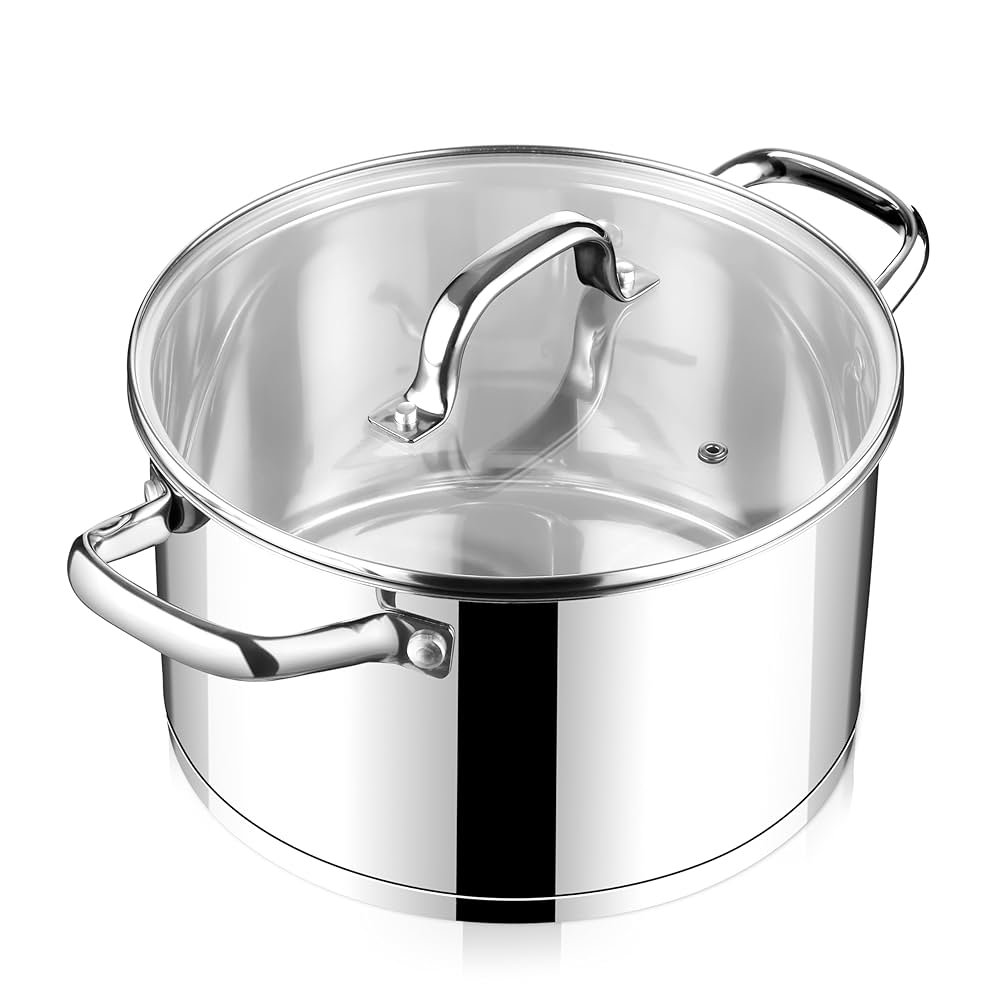
Choosing the right stockpot for pasta can change the way you cook forever. Imagine boiling your pasta evenly, without it sticking or breaking apart.
You want a pot that heats quickly, holds enough water, and is easy to clean. But with so many options out there, how do you pick the perfect one for your kitchen? Keep reading, and you’ll discover simple tips to find a stockpot that fits your needs and makes pasta nights more enjoyable than ever.
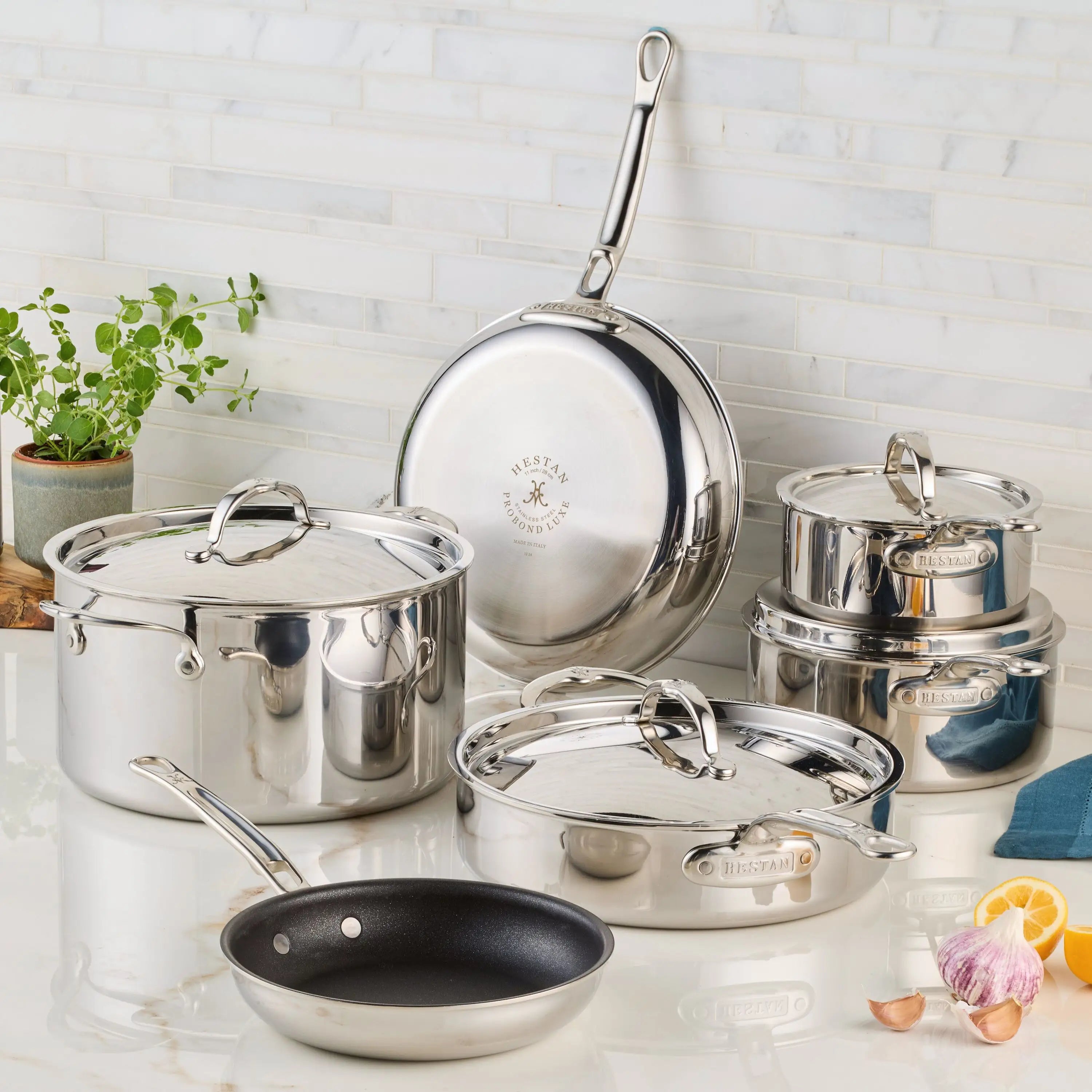
Credit: hestanculinary.com
Material Selection
Choosing the right material for your stockpot helps cook pasta evenly. Different materials have unique features that affect cooking.
Think about heat distribution, durability, and care when selecting your stockpot’s material.
Stainless Steel Benefits
Stainless steel is strong and does not rust. It keeps its shine and looks good for a long time.
This material heats evenly and works well on many cooktops. It is easy to clean and does not react with food.
- Durable and rust-resistant
- Even heat distribution
- Non-reactive with food
- Easy to clean
Aluminum Options
Aluminum heats up fast and spreads heat well. It is lighter than other materials, making it easy to handle.
Some aluminum pots have a non-stick coating or are anodized to prevent damage and improve cooking.
- Quick and even heating
- Lightweight and easy to lift
- Often coated for durability
- May need careful cleaning
Copper Considerations
Copper is an excellent heat conductor. It heats evenly and allows precise temperature control for cooking pasta.
Copper pots often have a stainless steel lining to stop reactions with food. They require polishing to keep their shine.
- Best heat conduction
- Precise temperature control
- Usually lined with stainless steel
- Needs regular polishing

Credit: www.amazon.ca
Size And Capacity
Choosing the right stockpot size is key for cooking pasta well. The pot must hold enough water so pasta cooks evenly.
Too small a pot causes pasta to stick or cook unevenly. Too large a pot wastes space and water.
Family Size Needs
For small families, a 6 to 8-quart stockpot works well. It fits enough pasta and water for 3 to 5 people.
Choose a size that matches your usual meal portions. This saves water and energy.
- 4 to 6 quarts for 1-3 people
- 6 to 8 quarts for 4-6 people
- 8+ quarts for larger families
Cooking For Large Groups
Large groups need bigger stockpots. A 12-quart or larger pot holds enough pasta for many servings.
Big pots also allow water to boil well without crowding pasta. This helps cooking evenly.
- 12-quart pots serve 8 to 10 people
- 16-quart or bigger pots suit parties or events
- Consider pots with sturdy handles for heavy loads
Storage Space Considerations
Large stockpots take up more kitchen space. Check your storage areas before buying.
Stackable pots or ones with nesting lids save space. Think about your kitchen size and storage options.
- Measure cabinet height and shelf depth
- Check if pot fits in your dishwasher
- Choose stackable sets for small kitchens
Design Features
Choosing the right stockpot for pasta means looking at its design features. Good design helps cook pasta evenly and makes handling easier.
Focus on handles and lids, base construction, and interior coatings. These features affect your cooking experience and the pot’s durability.
Handles And Lids
Handles should be sturdy and stay cool during cooking. Lids need to fit tightly to keep heat and moisture in. Look for these qualities:
- Riveted or welded handles for strength
- Heat-resistant materials like silicone or stainless steel
- Lids with a tight seal and a vent hole
- Handles that are easy to grip and lift
Base Construction
The base affects how well the pot heats. A thick, heavy base spreads heat evenly and prevents burning. Look for these base types:
| Base Type | Heat Distribution | Durability |
| Single-layer Stainless Steel | Moderate | High |
| Aluminum Core | Excellent | Moderate |
| Copper Core | Superior | Low to Moderate |
| Clad Multi-layer | Very Good | High |
Interior Coatings
The pot’s interior coating affects cooking and cleaning. Non-stick coatings stop pasta from sticking. Stainless steel interiors are durable but need more care.
- Non-stick:Easy to clean, but can scratch.
- Stainless Steel:Durable and safe, needs careful cleaning.
- Enamel:Smooth surface, resists stains and odors.
Heat Distribution
Heat distribution is key when choosing a stockpot for pasta. It affects how evenly your pasta cooks.
A pot with good heat distribution prevents parts of the pasta from being overcooked or undercooked.
Even Cooking Importance
Even cooking helps pasta cook at the same rate. This stops some pieces from being mushy while others are hard.
A stockpot that spreads heat evenly saves time and gives better pasta texture.
Avoiding Hot Spots
Hot spots are areas that get hotter than others. They can burn food or cause uneven cooking.
Choose a stockpot made with materials that reduce hot spots, such as stainless steel with an aluminum core.
- Look for thick, layered bottoms
- Avoid thin or lightweight pots
- Check if the pot has a heavy base
Induction Compatibility
Induction cooktops need pots that work with magnetic heat. Not all stockpots are compatible.
Check if the pot has a magnetic base. This ensures good heat transfer on induction stoves.
- Stainless steel with magnetic properties works well
- Cast iron pots are usually compatible
- Aluminum alone does not work on induction
Ease Of Cleaning
Choosing a stockpot for pasta means thinking about how easy it is to clean. A pot that cleans quickly saves time and effort.
Some materials and features make cleaning simpler. This guide covers dishwasher safe options, non-stick surfaces, and manual cleaning tips.
Dishwasher Safe Options
Many stockpots are dishwasher safe. This means you can put them in the dishwasher without damage. Stainless steel pots are often dishwasher safe. They keep their shine and finish well.
- Check the manufacturer’s label to confirm dishwasher safety.
- Avoid pots with wooden handles if you want dishwasher use.
- Make sure the pot fits comfortably in your dishwasher.
Non-stick Surfaces
Non-stick stockpots help with easy cleaning by preventing food from sticking. They require less scrubbing after cooking pasta.
| Type | Cleaning Benefit |
| Traditional Non-Stick | Wipes clean easily, but avoid metal tools |
| Ceramic Coated | Resists stains and scratches |
| Anodized Aluminum | Durable and smooth surface |
Manual Cleaning Tips
Sometimes, you must clean your stockpot by hand. Using the right tools and methods keeps your pot in good shape.
- Use warm water and mild dish soap.
- Avoid abrasive scrubbers that can scratch the surface.
- Soak the pot if food is stuck before scrubbing.
- Dry the pot completely to prevent rust or spots.
Price Considerations
Choosing the right stockpot for pasta depends a lot on price. You want good value without spending too much.
Understanding price points helps you find a pot that fits your budget and cooking needs.
Budget-friendly Choices
Budget-friendly stockpots are great for beginners or casual cooks. They offer decent quality at low prices.
These pots often use lighter materials like aluminum or thin stainless steel. They may heat unevenly but work well for simple pasta dishes.
- Prices usually range from $20 to $50
- Good for small kitchens or occasional use
- May lack some durability and heat control
High-end Investments
High-end stockpots cost more but offer better quality and performance. They suit serious cooks or frequent use.
These pots often use thick stainless steel or copper with heavy bottoms. They provide even heating and last many years.
- Prices often start at $100 and can go above $300
- Excellent heat distribution and durability
- Usually dishwasher safe and easy to clean
Balancing Cost And Quality
Finding the right stockpot means balancing price with quality. Look for pots that last and cook well without overspending.
Consider how often you cook pasta and your kitchen setup to pick the best value pot for you.
- Choose mid-range pots between $50 and $100 for good quality
- Check for thick bases to avoid hot spots
- Look for pots with lids and handles for easy use
Brand Recommendations
Choosing the right stockpot for pasta can be easier with the right brand. Some brands offer better quality and durability. It is important to know which brands stand out.
This guide covers top-rated brands, customer reviews, and warranty support. These points help you pick a reliable stockpot for your kitchen.
Top Rated Brands
Some brands are known for making sturdy and efficient stockpots. They use good materials and smart designs. Here are popular brands to consider.
- Cuisinart – Known for stainless steel durability.
- All-Clad – Offers even heat distribution.
- Calphalon – Known for non-stick surfaces.
- Tramontina – Affordable and reliable.
- Le Creuset – Enamel-coated for easy cleaning.
Customer Reviews Insights
Customer feedback helps show real use cases and problems. Positive reviews often mention heat control and size. Negative reviews may warn about handles or lids.
| Feature | Positive Comments | Negative Comments |
| Material | Durable stainless steel | Some scratch easily |
| Handle | Comfortable grip | Can get hot fast |
| Lid | Tight-fitting and clear | Glass lids may break |
| Size | Good capacity for families | Too heavy when full |
Warranty And Support
Check the warranty for each brand before buying. A good warranty means the company trusts their product. Customer support can help if you have issues.
- Cuisinart offers a limited lifetime warranty.
- All-Clad provides a 10-year warranty on most pots.
- Calphalon has a lifetime warranty for some lines.
- Tramontina offers a one-year warranty.
- Le Creuset includes a limited lifetime warranty.

Credit: www.amazon.com
Frequently Asked Questions
What Size Stockpot Is Best For Cooking Pasta?
A 6 to 8-quart stockpot is ideal for most pasta recipes. It provides enough space for water to boil freely and prevents pasta from sticking. Larger pots suit bigger families or batch cooking.
Which Material Is Best For A Pasta Stockpot?
Stainless steel with an aluminum core is best. It offers even heating, durability, and resists rust. Avoid thin materials that heat unevenly and may cause sticking.
Do Stockpots Need A Strainer For Pasta?
A stockpot with a built-in strainer lid is very convenient. It allows easy draining without needing a separate colander. However, you can use any pot and drain pasta separately.
How Important Is A Heavy Bottom In Stockpots?
A heavy bottom ensures even heat distribution and prevents burning. It stabilizes the pot on the stove and improves cooking performance. Choose pots labeled “heavy gauge” or “tri-ply. ”
Conclusion
Choosing the right stockpot makes cooking pasta easier and better. Think about size, material, and heat distribution. A good pot holds enough water and heats evenly. Strong handles and a tight lid help too. Take your cooking habits into account before buying.
The best stockpot fits your kitchen and needs well. Enjoy cooking pasta with the pot that suits you best. Simple steps lead to tasty meals every time.