
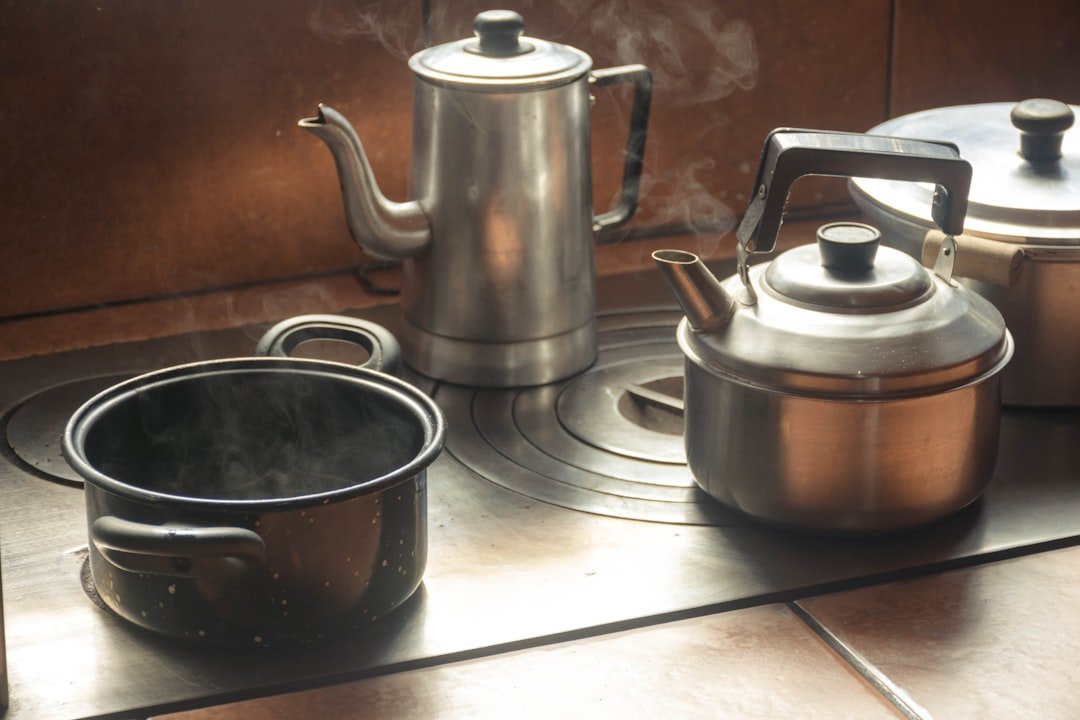
Choosing the right stainless steel pot can make a huge difference in your cooking experience. You want a pot that heats evenly, lasts for years, and fits your kitchen needs perfectly.
But with so many options out there, how do you pick the best one? In this guide, you’ll discover simple tips that help you make a smart choice. By the end, you’ll feel confident about selecting a pot that not only looks great but also cooks your meals to perfection.
Keep reading to find out what really matters when choosing a stainless steel pot.
:max_bytes(150000):strip_icc()/faw-stainless-steel-cookware-sets-primary-badge-nsimpson-132_preview-b5e4c5199196447fbc512c817c1baa74.jpg)
Credit: www.foodandwine.com
Types Of Stainless Steel
Stainless steel pots come in different types. Each type has unique features and uses.
Choosing the right type helps you cook better and keep your pot lasting longer.
Ferritic Stainless Steel
Ferritic stainless steel contains mostly iron and chromium. It does not have much nickel.
This type resists rust and heat well. It is magnetic and usually less costly.
- Good for pots used at medium heat
- Less shiny than other types
- Easy to clean and maintain
Austenitic Stainless Steel
Austenitic stainless steel has high amounts of chromium and nickel. It is very strong.
This type is not magnetic and shines brightly. It handles high heat and resists rust.
- Common in kitchen pots and pans
- Very durable and long-lasting
- Easy to clean and keeps food taste pure
Martensitic Stainless Steel
Martensitic stainless steel has more carbon. It can be hardened by heat treatment.
This type is magnetic and strong but can rust more than other types. It is less shiny.
- Good for knives and cutting tools
- Used in some cooking pots needing hardness
- Needs more care to prevent rust
Understanding Steel Grades
Choosing the right stainless steel pot starts with knowing steel grades. These grades show the mix of metals in the steel.
Different grades affect how strong, shiny, and safe the pot is for cooking.
304 Vs 316 Grade
304 and 316 are two common stainless steel grades for pots. Both resist rust and stains well.
Grade 316 has extra molybdenum. This makes it better against salt and acids.
- 304 is good for everyday cooking
- 316 is best for salty or acidic foods
- 316 costs more but lasts longer
Importance Of Nickel And Chromium
Nickel and chromium are key metals in stainless steel pots. They keep the pot strong and shiny.
Chromium forms a thin layer that stops rust. Nickel adds shine and improves corrosion resistance.
| Metal | Role in Stainless Steel |
|---|---|
| Chromium | Prevents rust and adds durability |
| Nickel | Enhances shine and corrosion resistance |
Key Features To Consider
Choosing the right stainless steel pot can make cooking easier and better. Focus on important features to find a pot that suits your needs.
Think about how thick the pot is, how well it conducts heat, and if it works with your stove. These points help you pick a good pot.
Thickness And Durability
Thicker stainless steel pots last longer and resist warping. A thick base stops the pot from bending or denting easily.
Look for pots with heavy gauge steel. They hold heat better and handle regular use without damage.
- Thick pots resist dents and warping
- Durable steel means long-lasting use
- Heavy gauge steel holds heat well
Heat Conductivity
Good heat conductivity helps food cook evenly. Stainless steel alone does not conduct heat well.
Many pots add a layer of aluminum or copper inside the base. This layer spreads heat better for uniform cooking.
- Look for multi-layer bases with aluminum or copper
- Better heat spread prevents hot spots
- Even heat helps cook food properly
Compatibility With Cooktops
Check if the pot works with your cooktop. Some pots only work on certain stove types.
Most stainless steel pots work on gas, electric, and ceramic stoves. For induction cooktops, the pot must have a magnetic base.
- Gas, electric, and ceramic stoves work with most pots
- Induction stoves need magnetic bases
- Test with a magnet to check induction compatibility
:max_bytes(150000):strip_icc()/faw-le-creuset-essential-stainless-steel-10-piece-cookware-set-nsimpson-40-f89b12584c484862aa7ad077d681ca28.jpeg)
Credit: www.foodandwine.com
Assessing Quality
Choosing a stainless steel pot means checking its quality carefully. Good quality pots last longer and cook food evenly.
Two important parts to look at are the pot’s surface and its weight. These help you know if the pot is made well.
Checking For Even Surfaces
Look closely at the pot’s surface. It should be smooth and flat. Uneven spots can cause hot spots and burning.
- Run your hand over the bottom and sides to feel for bumps.
- Check if the pot sits flat on a table without wobbling.
- Look for any dents or rough patches on the surface.
- Make sure the edges are smooth and well-finished.
Examining The Weight
A good stainless steel pot feels heavy for its size. Light pots may use thinner metal and heat unevenly.
| Weight | What It Means |
| Heavy | Thick metal, better heat distribution, durable |
| Light | Thin metal, uneven heating, less durable |
Pick a pot that feels solid and balanced. This helps with cooking and lasting many years.
Maintenance And Care
Taking care of your stainless steel pot helps it last longer. Proper maintenance keeps it looking new and working well.
Simple care steps prevent damage and keep your pot clean. Learning these tips is easy and saves you time.
Cleaning Techniques
Clean your stainless steel pot after each use. Use warm water and mild soap to avoid scratches. Avoid harsh cleaners that can damage the surface.
For stuck food, soak the pot in warm soapy water. Use a soft sponge or cloth to scrub gently. Avoid steel wool or abrasive pads that can leave marks.
- Wash with warm water and mild soap
- Soak for tough stains or stuck food
- Use soft sponges or cloths only
- Avoid steel wool and harsh scrubbers
- Dry the pot thoroughly after cleaning
Preventing Rust And Stains
Keep your pot dry to stop rust from forming. Wipe it well after washing and before storing. Store in a dry place with good air flow.
Avoid leaving salty or acidic foods in the pot for too long. These can cause stains or corrosion. Use a stainless steel cleaner occasionally to keep the shine.
- Dry pot completely after washing
- Store in a dry, ventilated area
- Do not leave salty or acidic food inside
- Use stainless steel cleaner if needed
- Polish to maintain shine and prevent stains
Budget Considerations
Choosing a stainless steel pot requires thinking about your budget. You want to find a pot that fits your price range and still works well.
This guide will help you balance cost and quality. It also looks at the long-term value of your purchase.
Balancing Cost And Quality
Cheap pots can save money but may not last long. High-quality pots cost more but often work better and last years.
- Look for pots with thick metal for even heat.
- Check if the pot has a good handle that stays cool.
- Consider the pot’s size and weight for your cooking needs.
- Read reviews to learn about the pot’s durability.
Considering Long-term Investment
| Factor | Low-Cost Pot | High-Quality Pot |
| Price | Under $30 | $50 and above |
| Durability | 2-3 years | 5-10 years or more |
| Performance | May have hot spots | Even heat distribution |
| Maintenance | May stain or rust | Easy to clean, resists stains |
| Warranty | Often no warranty | Usually has warranty |
Think about how often you cook. A better pot can save money over time. It reduces the need to replace pots often.
Choosing The Right Size
Choosing the right size of a stainless steel pot is important. It helps you cook meals comfortably and avoid waste.
Pick a pot size that fits your cooking style and the number of people you usually cook for.
Assessing Cooking Needs
Think about what types of food you cook the most. This helps you decide the pot size you need.
If you cook for one or two people, a smaller pot works well. For larger families, choose a bigger pot.
- Small pots (1-3 quarts) suit soups and sauces for 1-2 people
- Medium pots (4-6 quarts) work for stews and pasta for 3-5 people
- Large pots (7+ quarts) are good for big meals or batch cooking
Space And Storage
Consider the space in your kitchen before buying a pot. Large pots need more room on shelves and in cabinets.
If you have limited storage, choose pots that stack or nest easily. This saves space and keeps your kitchen tidy.
- Measure your cabinet space before buying
- Look for pots that fit inside each other
- Think about how often you will use the pot
Brand Reputation
Choosing a stainless steel pot can be easier if you consider the brand’s reputation. Trusted brands often offer better quality and durability.
Researching brands helps you avoid poor products and find pots that last longer and perform well in the kitchen.
Popular Stainless Steel Pot Brands
Some brands have built strong reputations for making stainless steel pots. These brands use quality materials and have good customer feedback.
- All-Clad: Known for professional-grade cookware with even heating.
- Cuisinart: Offers affordable pots with solid performance.
- Calphalon: Focuses on durability and modern design.
- Demeyere: High-end brand with advanced technology for cooking.
- Tramontina: Budget-friendly and reliable stainless steel options.
Reading Customer Reviews
Customer reviews give real insights about stainless steel pots. They show how pots work in daily use and if they meet expectations.
| Review Factor | What to Look For |
| Durability | Comments about long-lasting use and resistance to dents |
| Heat Distribution | Notes on even cooking and no hot spots |
| Ease of Cleaning | Feedback on how simple it is to wash and maintain |
| Comfort | User opinions on handle grip and pot weight |
| Value | Overall satisfaction compared to the price paid |
Where To Buy
Choosing the right stainless steel pot is important for your kitchen. Knowing where to buy helps you find good quality and the best price.
You can buy stainless steel pots online or in physical stores. Each option has its own benefits and things to consider.
Online Vs In-store Shopping
Buying online gives you many choices from different brands. You can read reviews and compare prices easily.
Shopping in-store lets you see and feel the pot before buying. You can check the weight, handle comfort, and finish in person.
- Online: More variety and customer reviews
- Online: Easy price comparison and deals
- In-store: Physical inspection of the pot
- In-store: Immediate purchase and no shipping wait
Reliable Retailers
Choose retailers known for good service and product quality. Reliable sellers offer warranties and clear return policies.
Look for stores or websites that specialize in kitchen tools. They often have better product knowledge and support.
- Large department stores with kitchen sections
- Specialty kitchenware stores
- Trusted online marketplaces with seller ratings
- Brand official stores or websites
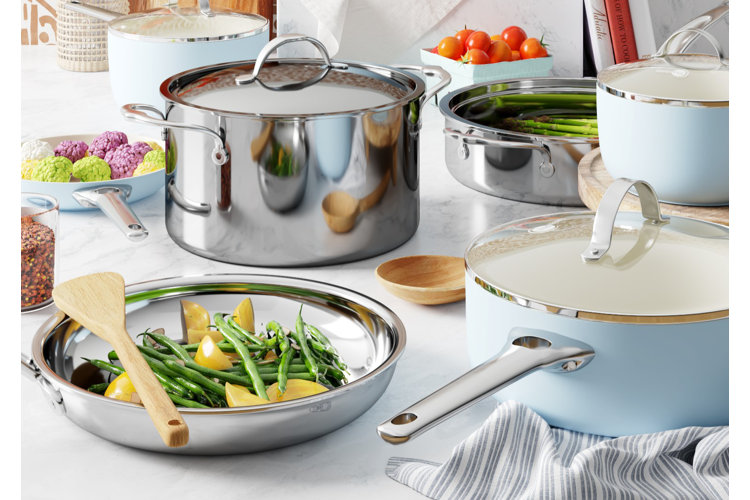
Credit: www.wayfair.com
Frequently Asked Questions
What Size Stainless Steel Pot Should I Buy?
Choose a pot size based on your cooking needs. A 6 to 8-quart pot suits families. Smaller pots work for singles or couples. Consider storage space and typical meal portions for best fit.
How To Identify High-quality Stainless Steel Pots?
Look for 18/10 stainless steel, meaning 18% chromium and 10% nickel. This ensures durability and rust resistance. A thick, heavy base prevents warping. Check for a sturdy handle and even heat distribution.
Are Stainless Steel Pots Dishwasher Safe?
Most stainless steel pots are dishwasher safe. However, hand washing preserves their shine longer. Avoid harsh detergents to prevent discoloration. Always check manufacturer guidelines for specific care instructions.
What Types Of Stainless Steel Pots Are Best For Induction?
Magnetic stainless steel pots work best for induction cooking. Check for a flat, magnetic bottom. If a magnet sticks to the base, it’s compatible. This ensures efficient heat transfer on induction cooktops.
Conclusion
Choosing the right stainless steel pot makes cooking easier and more enjoyable. Think about size, weight, and how it feels in your hand. Look for pots that heat evenly and clean up quickly. A good pot lasts for years and fits your kitchen style.
Take your time to find one that meets your needs. Cooking with the right tools brings better meals and less hassle. Simple choices lead to better cooking every day.