
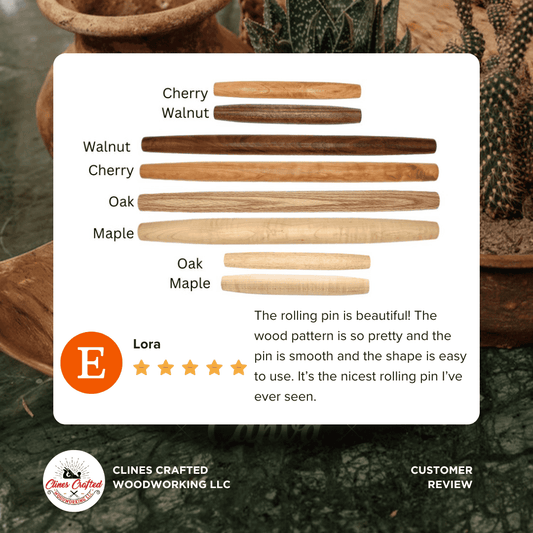
Choosing the right rolling pin can make a big difference in your baking. Whether you’re rolling out dough for cookies, pie crusts, or pizza, the tool you pick affects how smooth and easy the process feels.
But with so many options available, how do you know which one is best for you? You’ll discover simple tips to find the perfect rolling pin that fits your cooking style and needs. Keep reading, and you’ll soon be rolling like a pro, making your baking faster and more enjoyable.
Types Of Rolling Pins
Rolling pins come in many styles. Each type suits different baking needs.
Choosing the right rolling pin helps you roll dough easily and evenly.
Traditional Wooden Pins
Wooden rolling pins are classic and widely used. They are smooth and sturdy.
These pins work well for most dough types, like pie crusts and cookies.
French Style Pins
French pins are thinner and taper at the ends. They do not have handles.
They give more control for delicate dough and precise shaping.
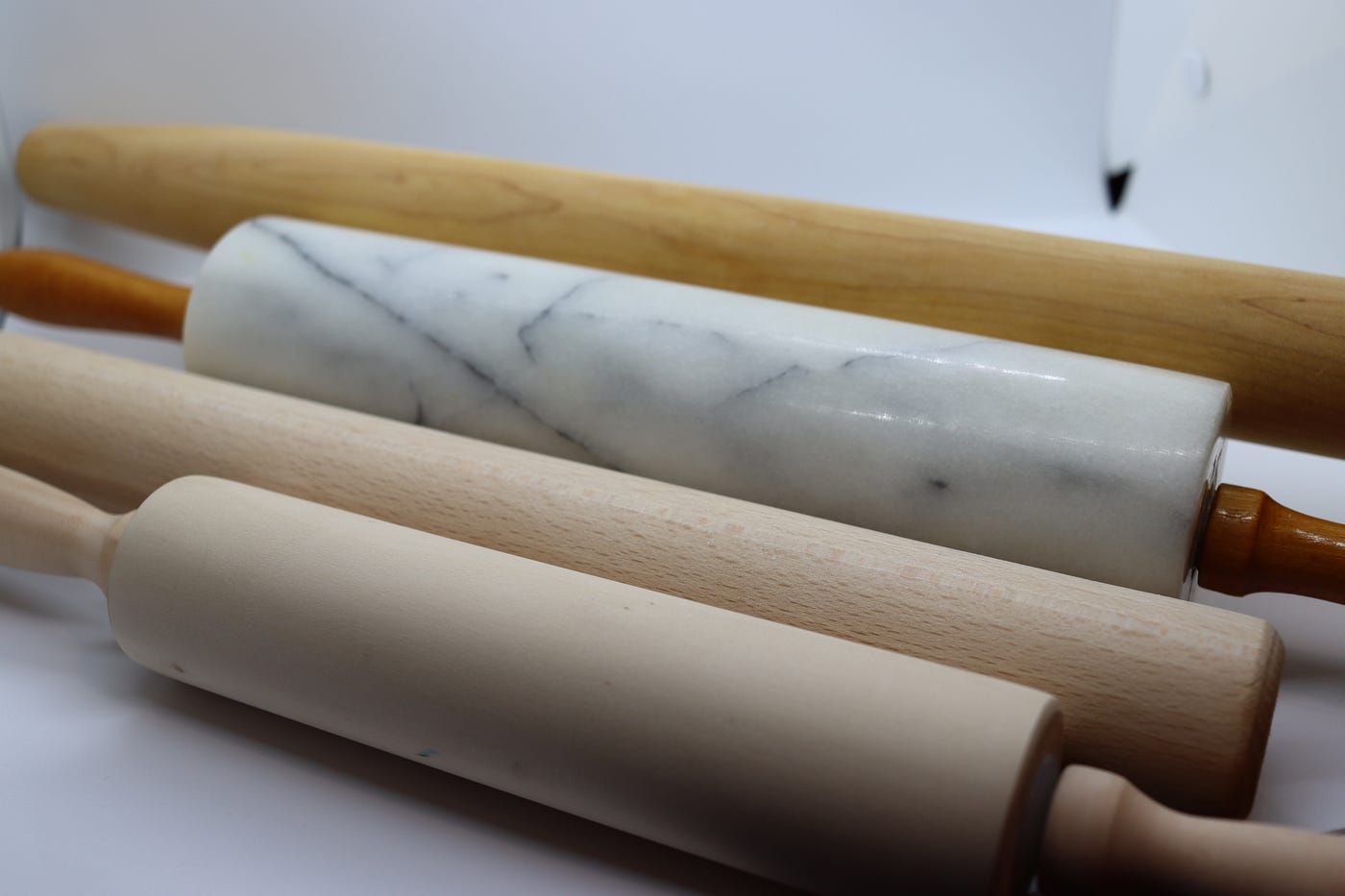
Marble Rolling Pins
Marble pins stay cool and smooth. They prevent dough from sticking.
- Heavy weight helps flatten dough quickly
- Easy to clean and does not absorb odors
- Good for pastry and cookie dough
Stainless Steel Options
Stainless steel pins are strong and long-lasting. They resist rust and stains.
| Feature | Benefit |
| Material | Durable and hygienic |
| Weight | Heavier for easier dough flattening |
| Temperature | Can be chilled to keep dough cool |
Silicone And Non-stick Variants
Silicone pins have a soft coating that stops dough from sticking.
They are easy to clean and ideal for sticky or soft doughs.
Material Considerations
Choosing the right rolling pin material affects your baking experience. Different materials have unique features.
Think about how the material handles wear, cleaning, and weight. These factors help pick the best rolling pin.
Durability And Longevity
Some materials last longer than others. Wood rolling pins are strong but need care to avoid cracks.
Metal pins resist damage well and can last many years. Marble is sturdy but may chip if dropped.
- Wood: durable with proper care
- Metal: very long-lasting
- Marble: strong but can chip
- Plastic: less durable, may wear quickly
Ease Of Cleaning
Cleaning your rolling pin is important for hygiene. Some materials are easier to clean than others.
Wood can absorb moisture and needs gentle washing. Metal and marble clean easily with soap and water.
- Wood: wash by hand, dry quickly
- Metal: dishwasher safe for most types
- Marble: wipe clean, avoid soaking
- Plastic: easy to wash, may stain
Weight And Handling
Weight affects how much effort it takes to roll dough. Heavier pins press dough easily but can tire hands.
Lighter pins offer more control but need more force. Marble pins are heavy, wood and plastic are lighter.
- Heavy pins: less effort, more pressure
- Light pins: easier to handle, more control
- Wood: balanced weight for most users
- Marble: heavy, good for flat dough
Size And Shape
Choosing the right rolling pin affects how easy it is to roll dough. Size and shape are key factors to consider.
Different doughs and tasks need different rolling pins. Understanding length, diameter, and shape helps you pick well.
Length And Diameter
Rolling pins come in many lengths and diameters. The size you pick depends on the dough size and your comfort.
- Length:Longer pins cover more dough at once. Shorter pins are easier to control.
- Diameter:Thicker pins give more weight. Thinner pins are lighter and better for delicate dough.
- Balance:Find a size that feels steady in your hands.
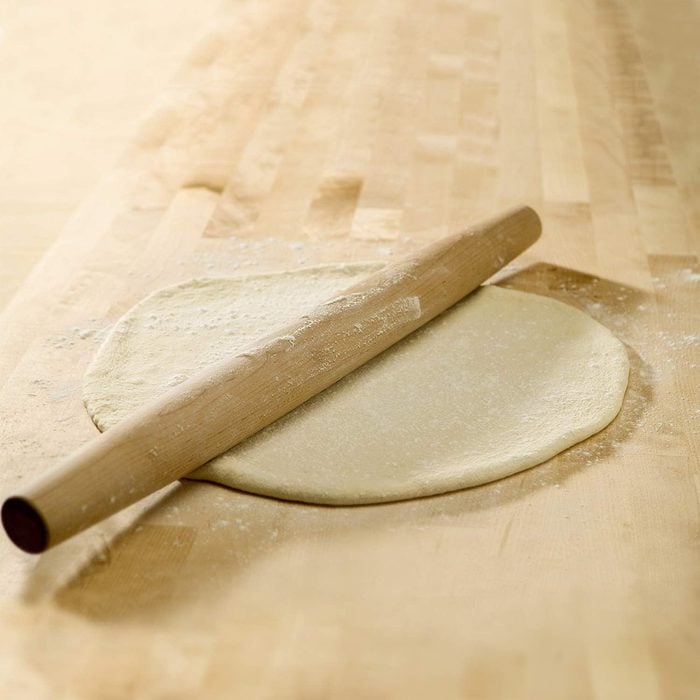
Tapered Vs. Straight
Tapered pins are narrow at the ends. Straight pins have the same thickness all over.
| Type | Shape | Best Use |
|---|---|---|
| Tapered | Ends are thin, middle is thicker | Good for shaping dough and fine control |
| Straight | Uniform thickness from end to end | Great for even rolling and large doughs |
Credit: www.tasteofhome.com
Ergonomic Features
Choosing a rolling pin with good ergonomic features helps reduce hand strain. It makes rolling dough easier and faster.
Look for rolling pins that fit your hand comfortably. This improves your baking experience and control over the dough.
Handles And Grip Comfort
Handles should feel comfortable and secure in your hands. Soft or smooth grips prevent slipping during use.
Check if the handles are easy to hold for a long time. Rounded or padded handles reduce pressure on your fingers.
- Look for smooth, rounded handles
- Choose non-slip materials like silicone or wood
- Handles should fit your hand size comfortably
- Avoid sharp edges or rough textures
Balance And Control
A well-balanced rolling pin helps you control pressure evenly. This results in smooth, even dough.
Test the weight and feel before buying. Too heavy or too light rolling pins can tire your hands quickly.
- Choose a rolling pin with even weight distribution
- Balance helps apply pressure without effort
- Good control prevents dough from sticking or tearing
- Try the rolling pin in your hands to check comfort
Specialized Rolling Pins
Specialized rolling pins help you make different types of dough shapes. They add style and control to your baking.
Choosing the right rolling pin depends on what you want to bake and how you want it to look.
Textured And Embossed Designs
Textured rolling pins have patterns carved on them. These patterns press into the dough to create designs.
Embossed rolling pins add decorative shapes like flowers or animals. They are great for cookies and pie crusts.
- Use for decorating cookies or bread
- Adds a unique look without extra effort
- Made from wood, silicone, or plastic
- Easy to clean after use
Adjustable Thickness Rolling Pins
Adjustable thickness rolling pins have rings or discs on the ends. These set how thick your dough will be.
This helps you roll dough evenly and get the right thickness every time. It works well for pastries and cookies.
- Rings come in different thickness sizes
- Prevents dough from being too thin or thick
- Good for consistent baking results
- Usually made from wood or plastic
Budget And Price Points
Choosing the right rolling pin depends on your budget. There are many options available at different price levels.
You can find good rolling pins that fit small budgets or invest in premium ones for durability and style.
Affordable Choices
Affordable rolling pins are great for beginners or occasional bakers. They usually cost less and still work well.
Materials like wood and plastic are common in this price range. They are light and easy to handle.
- Wooden pins: simple, classic, often under $20
- Plastic pins: lightweight and easy to clean
- Silicone-coated pins: non-stick surface at low cost
Premium Options
Premium rolling pins offer better materials and craftsmanship. They cost more but last longer.
These pins often use high-quality wood, stainless steel, or marble. They provide smooth rolling and durability.
- Marble pins: heavy, keep dough cool, price around $40 to $100
- Stainless steel pins: durable and easy to clean
- Handcrafted wood pins: smooth finish and unique design
Baking Needs And Preferences
Choosing the right rolling pin depends on what you bake most often. Different doughs and pastries need different tools.
Think about how often you bake. This helps find a rolling pin that fits your kitchen and style.
Types Of Dough And Pastries
Soft doughs like pie crust need a smooth rolling pin to avoid sticking. Harder doughs like bread require a sturdy pin with good weight.
- Pastry dough: Choose a light wooden rolling pin for control.
- Cookie dough: A non-stick rolling pin works best.
- Bread dough: Use a heavier rolling pin to press firmly.
- Pasta dough: A thin, smooth pin helps create even sheets.
Frequency Of Use
If you bake daily, durability matters. A strong rolling pin lasts longer and handles repeated use well.
| Use Frequency | Best Rolling Pin Type | Material |
| Daily | Heavyweight with comfortable handles | Hardwood or stainless steel |
| Weekly | Medium weight, versatile design | Wood or silicone-coated |
| Occasional | Lightweight and easy to store | Plastic or light wood |
Credit: medium.com
Care And Maintenance
Taking good care of your rolling pin helps it last longer. Proper cleaning and storage keep it in good shape.
Follow simple steps to keep your rolling pin clean and ready to use every time.
Cleaning Tips
Clean your rolling pin right after use. This stops dough from drying and sticking to it.
Use warm water and mild soap to wash wooden or marble rolling pins. Avoid soaking wooden pins in water.
- Wipe off excess flour or dough with a dry cloth first
- Wash gently with warm water and mild soap
- Dry immediately with a clean towel
- Do not put wooden rolling pins in the dishwasher
- For stubborn dough, use a soft brush to clean
Storage Solutions
Store your rolling pin in a dry place to avoid warping or cracking. Keep it away from heat and moisture.
Use hooks or drawers to keep your rolling pin safe and easy to find.
- Hang it on a wall hook in your kitchen
- Keep it in a drawer with other baking tools
- Wrap wooden rolling pins in a cloth to protect them
- Avoid stacking heavy items on top

Credit: www.amazon.ca
Frequently Asked Questions
What Materials Are Best For Rolling Pins?
Wooden rolling pins are classic and durable. Marble pins stay cool and prevent sticking. Silicone pins offer non-stick surfaces. Choose based on your baking needs and comfort.
How To Choose The Right Rolling Pin Size?
Select a rolling pin length based on your workspace and dough size. Larger pins cover more dough quickly. Smaller pins offer better control for detailed work.
Should I Buy A Tapered Or Straight Rolling Pin?
Tapered rolling pins provide better control and easy maneuvering. Straight pins offer even thickness and are ideal for flat doughs. Choose according to your baking style.
Can I Use A Rolling Pin For Different Dough Types?
Yes, rolling pins are versatile for pastry, cookie, and bread doughs. Use pins with smooth surfaces to avoid sticking on delicate doughs.
Conclusion
Choosing the right rolling pin makes baking easier and more fun. Think about the material, size, and handle style you need. Wooden pins are classic and durable, while silicone ones offer non-stick benefits. Consider how often you bake and what types of dough you use.
A good rolling pin fits your hands well and rolls smoothly. Take time to pick one that suits your kitchen and baking style. This simple tool can help you create delicious treats with less effort. Happy baking!