
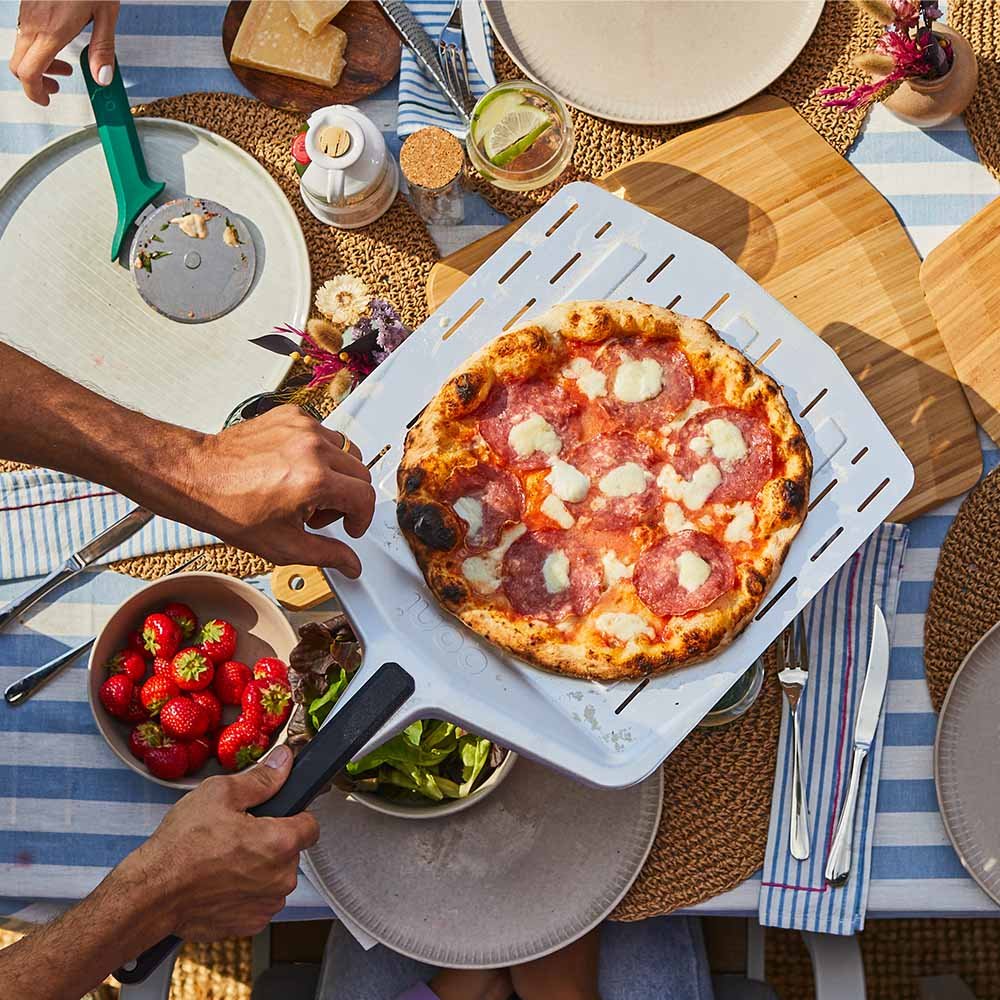
Choosing the right pizza peel can change the way you bake forever. If you love making pizza at home, you know how tricky it is to slide that perfect pie in and out of a hot oven without a mess.
You want a tool that feels just right in your hands, easy to use, and built to last. But with so many options out there, how do you pick the one that fits your needs perfectly? Keep reading, and you’ll discover simple tips that make choosing your pizza peel a breeze – so every pizza you bake turns out just the way you want.

Credit: www.yahoo.com
Types Of Pizza Peels
Pizza peels help you move pizzas in and out of the oven. Choosing the right peel makes baking easier and safer.
There are three main types of pizza peels. Each type works best for different needs and ovens.
Wooden Peels
Wooden peels have a flat, wide surface. They slide easily under uncooked dough without sticking.
Wood peels are gentle on dough. They absorb moisture, helping the pizza slide off smoothly.
- Best for placing raw dough in the oven
- Less heat transfer, safe to touch
- Needs regular cleaning and drying
Metal Peels
Metal peels are thin and strong. They slide easily under cooked pizzas for quick removal.
They conduct heat, so metal peels can get hot fast. Use with care when handling.
- Ideal for removing pizzas from the oven
- Durable and easy to clean
- Not good for raw dough, which can stick
Composite Peels
Composite peels combine wood and metal or plastic parts. They aim to offer the best of both worlds.
These peels are lightweight and strong. They work well with both raw and cooked pizzas.
- Good balance of durability and ease of use
- Usually have a wooden surface with a metal edge
- Require moderate care and cleaning
Size And Shape Considerations
Choosing the right pizza peel helps you handle pizza safely. Size and shape are key factors to think about.
The peel should fit your pizza size and oven space. The shape affects how easy it is to slide pizza on and off.
Peel Size Options
Pizza peels come in many sizes. Smaller peels work well for small pizzas or home ovens.
Larger peels hold bigger pizzas but can be hard to manage. Pick a size that matches your pizza and oven size.
- Small peels: 10-12 inches wide, good for small pizzas
- Medium peels: 14-16 inches wide, good for most home pizzas
- Large peels: 18+ inches wide, best for big pizzas or commercial ovens
Rectangular Vs. Round
Rectangular peels have a flat edge that fits well in ovens. They help you slide pizzas easily.
Round peels look like a pizza shape. They work well for turning or rotating pizzas in the oven.
- Rectangular peels: best for loading and unloading pizzas
- Round peels: good for rotating and handling pizzas
- Choose shape based on how you use your peel
Handle Length And Material
Choosing the right pizza peel is important for safe and easy pizza making. Two main things to think about are the handle length and the material.
The handle helps you reach into the oven and move the pizza. The material affects how long the peel lasts and how comfortable it feels.
Short Vs. Long Handles
Short handles are easier to store and control. They work well for small ovens and close work.
Long handles keep your hands away from heat. They are better for big ovens and deep pizza ovens.
- Short handles fit small kitchens and are light.
- Long handles protect from heat and reach far.
- Long handles can be heavier and harder to store.
- Short handles give better control for quick moves.
Material Choices For Handles
Handle materials affect strength, weight, and heat resistance. Common materials include wood, metal, and plastic.
Wood handles feel warm and natural. They do not get hot fast but can wear out over time.
- Wood is light and comfortable to hold.
- Metal is strong and lasts long.
- Metal handles can get hot quickly.
- Plastic handles stay cool but may break easily.
- Some peels mix materials for the best features.

Credit: pizzaiolikitchen.com
Surface Texture And Finish
The surface texture and finish of a pizza peel affect how easily you slide pizzas on and off. The right surface helps prevent dough from sticking. It also makes handling the pizza safer and cleaner.
Choosing between smooth or textured surfaces and deciding on non-stick coatings can improve your pizza-making experience. These factors impact how well your peel works in the kitchen.
Smooth Vs. Textured Surfaces
Smooth surfaces on a pizza peel allow the dough to slide off easily. They reduce friction and help transfer pizzas quickly into the oven.
Textured surfaces provide more grip. They prevent the dough from slipping or sliding too soon. This can be helpful when handling very soft or wet dough.
- Smooth surface:Easy pizza release, quick transfer
- Textured surface:Better grip, controls dough movement
- Pick smooth for fast sliding
- Pick textured for more control
Non-stick Coatings
Non-stick coatings help stop dough from sticking to the peel. They make cleaning easier and reduce the need for extra flour or cornmeal.
Some peels have a natural finish, while others have a special coating. Choose a peel with a coating that is safe and durable for cooking.
- Non-stick coating prevents dough from sticking
- Easier cleaning after use
- Safe coatings do not affect taste
- Coatings wear off over time, so check durability
Weight And Balance
Choosing the right pizza peel depends on its weight and balance. These factors affect how easy it is to handle your pizza. A well-balanced peel helps you slide pizzas in and out of the oven smoothly.
Too heavy or too light can make using the peel tiring or tricky. Understanding the difference helps you pick the best tool for your cooking style.
Lightweight Vs. Heavy Peels
Lightweight peels are easier to hold for a long time. They reduce arm strain and make quick pizza moves simple. These peels work well for home cooks and beginners.
Heavy peels feel sturdy and strong. They give better control for bigger pizzas or thick dough. Professionals often prefer heavy peels for their durability and stability.
- Lightweight peels: easy to lift, good for small pizzas
- Heavy peels: strong, better for large or heavy pizzas
- Choose based on your strength and pizza size
Balance For Easy Handling
Balance means how the peel feels in your hand. A balanced peel does not tip forward or backward. It lets you move pizzas smoothly without extra effort.
Look for peels with handles that match the peel’s weight. A well-balanced peel reduces wrist strain and helps you work faster in the kitchen.
- Check if the peel feels steady when you hold it
- Balanced peels make pizza sliding easier
- Try holding the peel before buying to test balance
Ease Of Cleaning
Cleaning a pizza peel is an important part of its care. A clean peel keeps your pizza safe and tasty.
Different materials need different cleaning steps. It helps to know the best way to clean each type.
Cleaning Wooden Peels
Wooden peels absorb moisture and oils. Avoid soaking them in water to keep the wood strong.
Wipe the peel with a damp cloth right after use. Use mild soap if needed, but rinse quickly.
- Do not leave wooden peels in water
- Dry them completely after cleaning
- Apply mineral oil sometimes to protect the wood
Cleaning Metal And Composite Peels
Metal and composite peels handle water better. They can be washed with soap and water safely.
Use a soft sponge to avoid scratches. Dry the peel to stop rust or damage to the surface.
- Use warm water and mild soap
- Avoid harsh scrubbing pads
- Dry fully before storing
Cost Vs. Quality
Choosing a pizza peel means balancing cost and quality. A good peel helps move pizza safely and easily.
Cheaper peels save money but may wear out fast. Higher-quality peels last longer and work better.
Budget Options
Budget pizza peels usually use thin wood or lightweight metal. They work well for occasional use.
These peels may bend or chip over time. They often need extra care to avoid damage.
- Made from plywood or aluminum
- Lightweight and easy to handle
- May warp or wear quickly
- Good for home cooks on a budget
Premium Peels Worth The Investment
Premium pizza peels use strong wood or thick metal. They last longer and offer better control.
These peels handle heat well and resist warping. They suit frequent cooks or pizza professionals.
- Made from hardwood or stainless steel
- Thicker and more durable
- Comfortable grips for easy use
- More expensive but saves money over time
Top Brands To Consider
Choosing the right pizza peel is important for baking and serving pizzas. Many brands offer different types of peels with various features.
This guide highlights some top brands that make quality pizza peels. These brands have good reviews and offer durable products.
Pizzaboss
PizzaBoss makes sturdy wooden and aluminum pizza peels. Their peels have smooth surfaces that help slide pizzas easily.
The handles are long and comfortable. This brand is good for home bakers and small pizza ovens.
Cuisinart
Cuisinart offers lightweight aluminum pizza peels. These peels are easy to handle and clean after use.
Their designs often include a thin edge that helps slide under pizza crusts smoothly.
American Metalcraft
American Metalcraft is known for professional kitchen tools. Their pizza peels come in wood and metal options.
These peels are strong and built to last. They work well in busy pizza kitchens and for home use.
Kitchencraft
KitchenCraft makes affordable pizza peels with good quality. Their wooden peels have smooth surfaces for easy pizza transfer.
They also offer peels with folding handles for easy storage in small kitchens.
New Star Foodservice
New Star Foodservice produces durable aluminum and wood pizza peels. Their products are designed for both home and professional use.
The peels have wide surfaces and long handles for safety and convenience.
Expert Tips For Using A Pizza Peel
Using a pizza peel helps you slide pizzas in and out of the oven safely. It makes baking easier and keeps your pizza shape perfect.
Choosing the right peel and using it correctly prevents problems like sticking dough or dropping your pizza. Here are some expert tips to help.
Preventing Dough Sticking
To stop your dough from sticking to the peel, use flour or cornmeal on the peel surface. This creates a dry layer between the dough and the peel.
Make sure the dough is not too wet before placing it on the peel. You want it to slide off easily into the oven.
- Sprinkle flour or cornmeal evenly on the peel
- Check dough moisture; avoid very wet dough
- Lift the peel slightly and shake it to test sliding
Proper Transfer Technique
Hold the peel level and slide it quickly under the pizza. Use a firm, smooth motion to transfer the pizza to the oven.
To remove the pizza, slide the peel under the cooked pizza with a gentle rocking motion. Lift carefully to avoid dropping toppings.
- Keep the peel flat during transfer
- Use a quick slide to place the pizza in the oven
- Rock the peel gently to catch pizza when removing
- Hold the peel steady to keep toppings in place

Credit: ooni.com
Frequently Asked Questions
What Size Pizza Peel Should I Choose?
Choose a peel slightly larger than your pizza size. This ensures easy transfer without dropping toppings or dough. For home use, 12 to 14 inches works well.
What Materials Are Best For Pizza Peels?
Wood peels prevent sticking and absorb moisture. Metal peels slide easily but may stick. Choose based on your baking style and oven type.
How Do I Maintain And Clean A Pizza Peel?
Wood peels need hand washing and oiling to prevent cracking. Metal peels can be cleaned with warm soapy water. Avoid soaking wooden peels.
Can I Use A Pizza Peel For Other Baking Tasks?
Yes, pizza peels help transfer bread, pastries, and flatbreads. They provide a sturdy surface for sliding dough into hot ovens. Versatile for home bakers.
Conclusion
Choosing the right pizza peel makes cooking easier and safer. Think about size, material, and handle comfort. A good peel helps slide pizza in and out of the oven smoothly. It also keeps your hands safe from heat. Take your time to pick one that fits your needs.
This small tool can improve your pizza-making experience. Enjoy cooking and sharing delicious homemade pizzas with family and friends.