
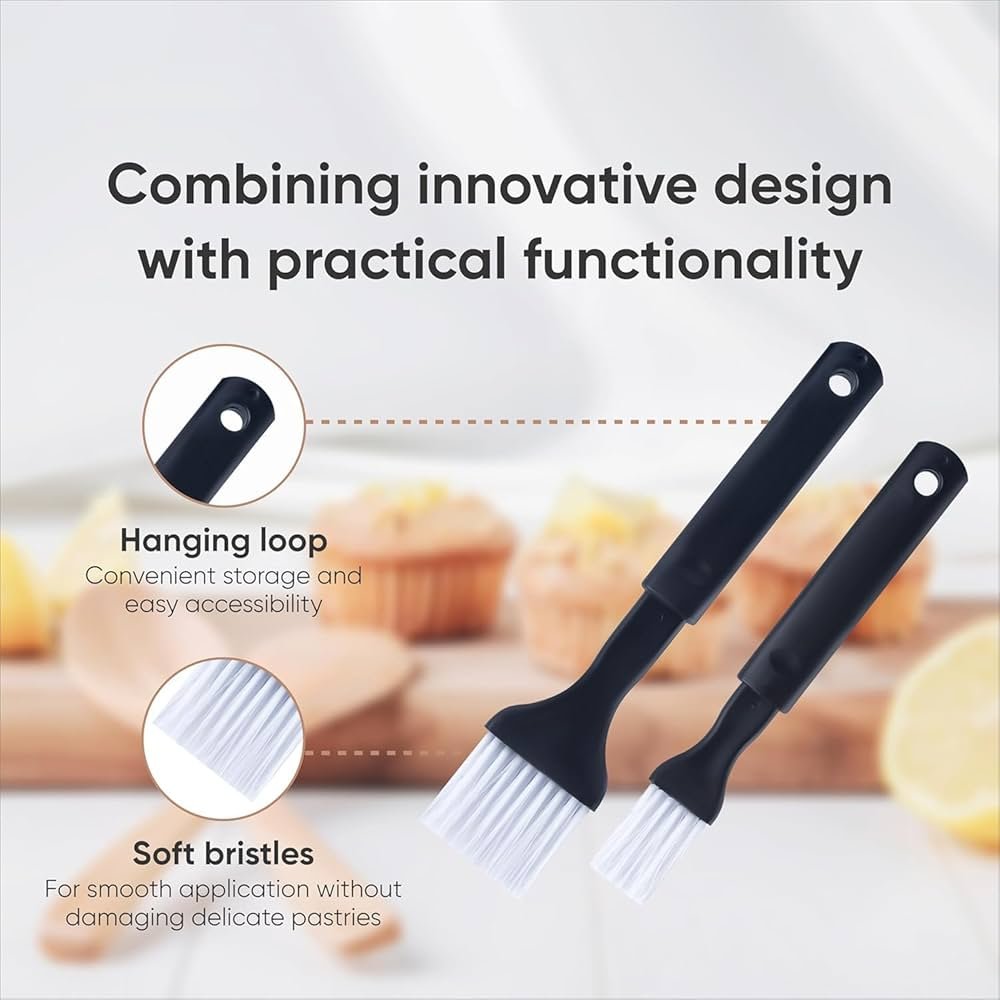
Choosing the right pastry brush can make a big difference in your baking. Whether you’re glazing a pie or brushing butter on dough, the brush you pick affects how evenly and smoothly you work.
You might think all pastry brushes are the same, but they’re not. Using the wrong one can lead to messes or uneven results. You’ll discover simple tips to help you find the perfect pastry brush for your kitchen. Keep reading to make your baking easier and more enjoyable!
Types Of Pastry Brushes
Pastry brushes help you spread butter, egg wash, and sauces on dough. Choosing the right brush makes baking easier.
There are three main types of pastry brushes. Each type has different bristles and uses.
Natural Bristle Brushes
Natural bristle brushes use hairs from animals like hogs or horses. They are soft and hold liquids well.
These brushes work great for applying egg wash or butter. They give a smooth finish on pastries.
- Hold liquid evenly
- Soft on delicate doughs
- May shed hairs over time
- Best for gentle brushing tasks
Synthetic Bristle Brushes
Synthetic brushes have nylon or polyester bristles. They are strong and easy to clean.
These brushes resist heat and do not shed. They work well for thick sauces and sticky ingredients.
- Durable and long-lasting
- Heat resistant
- Easy to wash and dry
- Good for heavy brushing jobs
Silicone Brushes
Silicone brushes have flexible rubber bristles. They do not absorb liquids and clean easily.
These brushes are perfect for applying glazes and marinades. They last a long time without damage.
- Non-absorbent bristles
- Very easy to clean
- Heat resistant and flexible
- Ideal for sticky or thick coatings

Credit: www.amazon.com
Key Features To Consider
Choosing the right pastry brush makes baking easier. It helps spread glazes, butter, or egg wash evenly.
Focus on the brush’s material, size, and handle design. These features affect its use and comfort.
Bristle Material
Bristles come in natural or synthetic types. Natural bristles are soft and hold liquids well.
- Natural bristles: made from animal hair, good for delicate tasks
- Synthetic bristles: nylon or silicone, durable and easy to clean
- Silicone brushes: heat-resistant and do not shed
Brush Size And Shape
Brush size affects how much you can cover at once. Shape helps reach different surfaces.
| Size | Best Use | Shape | Benefit |
|---|---|---|---|
| Small (1-2 inches) | Detail work and small pastries | Flat or round | Precise control |
| Medium (3 inches) | General baking tasks | Flat or angled | Good coverage and control |
| Large (4+ inches) | Glazing large surfaces | Wide and flat | Covers more area quickly |
Handle Design
The handle should feel comfortable and provide a good grip. Length affects ease of use.
- Wood handles: classic look, can absorb moisture
- Plastic handles: lightweight and easy to clean
- Silicone handles: non-slip grip, heat resistant
- Long handles: keep hands away from heat
- Short handles: allow precise control
Pros And Cons Of Different Brushes
Choosing the right pastry brush can affect your baking results. Different brushes have unique benefits and downsides.
Knowing the pros and cons helps you pick a brush that fits your needs and style.
Durability And Longevity
Natural bristle brushes look nice but wear out faster. They may shed hairs during use.
Silicone brushes last longer and do not lose bristles. They keep their shape after many uses.
- Natural bristles can break or fall out
- Silicone brushes resist damage and last longer
- Wood handles may crack; plastic handles are more durable
Ease Of Cleaning
Natural bristle brushes are harder to clean because food sticks inside. They may trap bacteria if not cleaned well.
Silicone brushes are easy to wash. Food slides off their smooth surface quickly.
- Natural bristles need gentle hand washing
- Silicone brushes can be cleaned in a dishwasher
- Proper cleaning prevents bad smells and germs
Heat Resistance
Natural bristle brushes can burn or melt if exposed to high heat. They are best for low-heat tasks.
Silicone brushes handle heat well. They do not melt or burn easily, so you can use them on hot surfaces.
- Natural bristles are not very heat resistant
- Silicone brushes withstand high temperatures
- Heat resistance increases brush safety during cooking

Credit: www.amazon.com
Best Uses For Each Type
Choosing the right pastry brush makes cooking easier and neater. Different brushes work best for different tasks in the kitchen.
Here are the best uses for each type of pastry brush, focusing on glazing, greasing pans, and applying sauces.
Glazing And Egg Wash
Soft bristle brushes are perfect for glazing and applying egg wash. They spread liquids evenly without damaging delicate dough.
- Use natural bristle brushes for smooth, even coatings.
- Silicone brushes can also work but may not hold liquid as well.
- Apply egg wash gently to avoid tearing pastry surfaces.
Greasing Pans
For greasing pans, choose a brush with thicker, firmer bristles or silicone. These types spread oil or butter evenly over the pan surface.
| Brush Type | Best For | Notes |
| Silicone | Greasing pans | Easy to clean, heat resistant |
| Natural bristle | Light greasing | Absorbs oils well |
| Plastic bristle | Heavy greasing | Durable but may scratch non-stick |
Applying Sauces And Marinades
Silicone brushes work best for applying sauces and marinades. They hold liquids well and clean easily after use.
- Use silicone brushes to spread thick sauces evenly.
- Natural bristle brushes can absorb flavors and are better for lighter liquids.
- Clean brushes right after use to keep flavors fresh.
Caring For Your Pastry Brush
A pastry brush needs regular care to last long and work well. Cleaning and storing it right keeps the bristles soft and free from germs.
Taking a few simple steps after every use helps your brush stay in good shape. Let’s look at cleaning and storing tips.
Cleaning Techniques
Wash your pastry brush soon after use. This stops food from drying on the bristles and keeps it clean.
- Rinse the brush under warm water to remove loose food.
- Use mild dish soap and gently scrub the bristles with your fingers.
- Rinse well to remove all soap residue.
- Shake off excess water before drying.
- Avoid soaking wooden handles to prevent damage.
Proper Storage
Store your pastry brush in a dry place to avoid mold or bad smells. Keep the bristles in good form by not crushing them.
| Storage Tip | Why It Matters |
| Hang the brush with bristles down | Allows water to drip off and keeps bristles straight |
| Keep in a clean container away from dust | Prevents dirt build-up and contamination |
| Do not store when wet | Prevents mold growth and bad odors |
| Avoid placing heavy items on bristles | Maintains brush shape and effectiveness |

Credit: carlyleeng.com.au
Top Brands And Recommendations
Choosing the right pastry brush can make baking easier. The right brush lasts long and works well with different pastries.
This guide shares top brands and options for all budgets. You will find choices that fit your needs and price range.
High-quality Brands
High-quality pastry brushes use durable materials. They hold up well to heat and frequent use. These brands offer brushes with natural or silicone bristles.
- OXO – Known for comfortable handles and strong bristles.
- Le Creuset – Offers brushes with heat-resistant silicone heads.
- Williams Sonoma – Features brushes with natural boar bristles.
- KitchenAid – Has brushes that combine durability and style.
Budget-friendly Options
Budget brushes still offer good quality for beginners or casual bakers. These brands focus on affordability and decent performance.
| Brand | Material | Price Range |
| Wilton | Silicone | $5 – $10 |
| Chef Craft | Natural Bristles | $6 – $12 |
| Home Basics | Silicone | $4 – $9 |
| Farberware | Natural Bristles | $7 – $13 |
Frequently Asked Questions
What Materials Are Best For A Pastry Brush?
Silicone and natural bristles are popular materials. Silicone brushes are heat-resistant and easy to clean. Natural bristles hold sauces well but may shed. Choose based on your cooking needs and cleaning preferences.
How Do I Choose The Right Pastry Brush Size?
Select a brush size matching your baking task. Small brushes work for delicate pastries. Larger brushes cover bigger surfaces quickly. Size affects control and efficiency in applying glazes or butter.
Can I Use A Pastry Brush For Other Kitchen Tasks?
Yes, pastry brushes are versatile. Use them for basting meats, spreading marinades, or greasing pans. They help evenly apply liquids, enhancing flavor and texture in various recipes.
How To Clean And Maintain A Pastry Brush Properly?
Clean brushes immediately after use with warm, soapy water. Rinse thoroughly to remove residue. Air dry the brush to prevent mold and prolong lifespan. Proper care ensures hygiene and durability.
Conclusion
Choosing the right pastry brush makes baking easier and more fun. Think about the brush’s material, size, and handle comfort. Natural bristles work well for delicate tasks. Silicone brushes last longer and clean easily. Match your brush to your baking needs.
A good brush helps spread butter, glaze, or egg wash evenly. Take your time to pick one that fits your kitchen style. Small details like this improve your baking results. Enjoy your baking with the perfect tool in hand.