
Are you tired of uneven fruit slices or messy scoops when serving melons? Choosing the right melon baller can change the way you prepare and present your fruit.
But with so many options out there, how do you know which one is best for you? You’ll discover simple tips to pick a melon baller that fits your needs perfectly. By the end, you’ll be ready to create beautiful, uniform melon balls that impress every time.
Keep reading to find out what makes a melon baller stand out and how to make your choice easy and smart.

Credit: galainthekitchen.com
Types Of Melon Ballers
Melon ballers are small tools used to scoop out round balls from fruits. They come in different styles to fit your needs in the kitchen.
Choosing the right type helps you work faster and get better shapes from your melons.
Single-scoop Ballers
Single-scoop ballers have one round scoop at the end. They are simple and easy to use for making uniform melon balls.
These ballers work well for small jobs and for users who want a basic tool without extra features.
- Usually made from stainless steel or plastic
- One fixed size scoop
- Easy to clean and store
- Good for beginners
Double-scoop Ballers
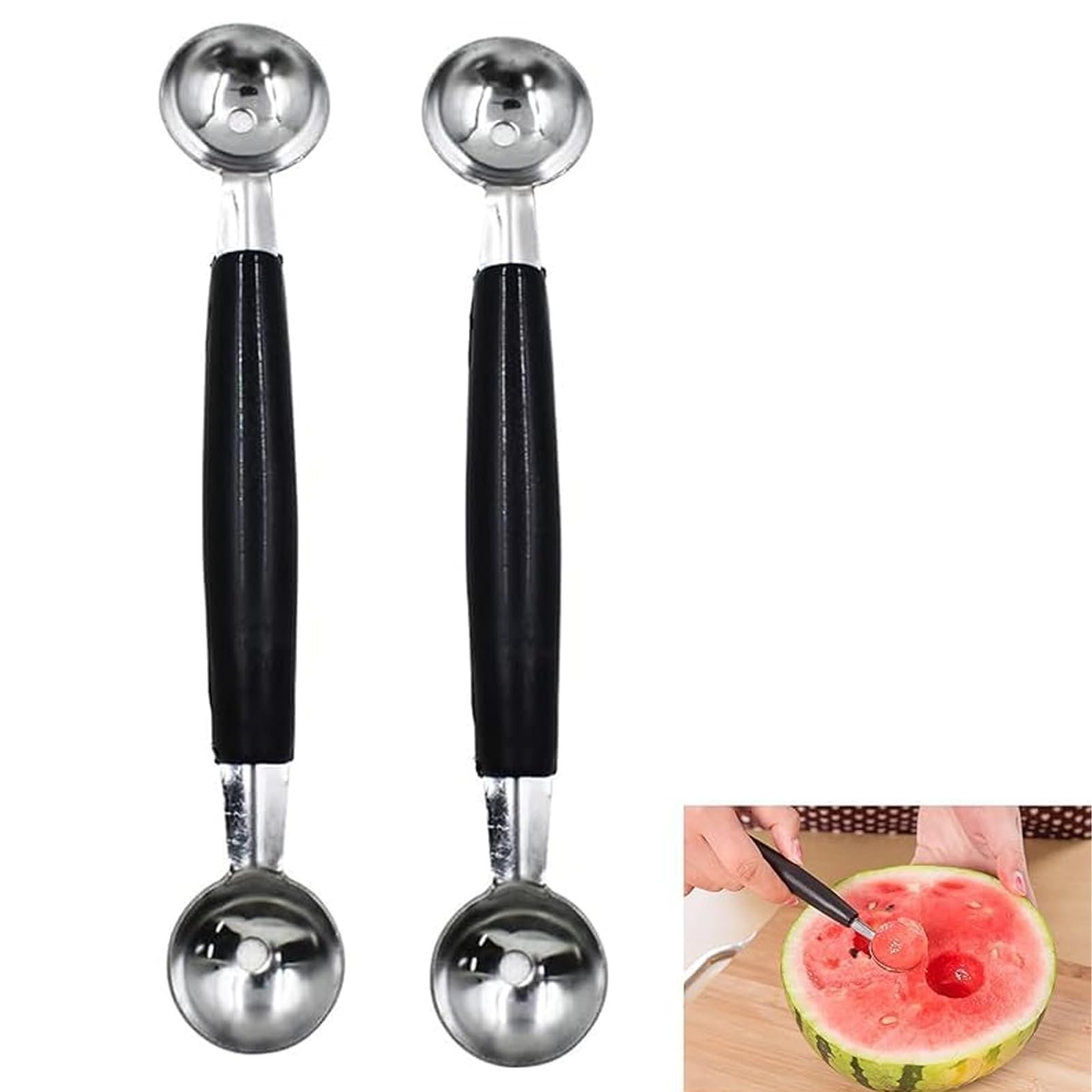
Double-scoop ballers have two different sized scoops, one on each end. This allows you to make balls of two sizes with one tool.
These ballers save space and are helpful when you want variety in your fruit presentations.
- Two scoop sizes in one tool
- Switch ends to change ball size
- Often made with metal handles
- Good for cooks who want flexibility
Adjustable Ballers
Adjustable ballers let you change the size of the scoop by twisting or sliding parts. This gives more control over the ball size.
They are useful for chefs who want custom sizes without buying multiple tools.
- Size adjusts to your preference
- Usually made with metal and plastic parts
- More complex to clean
- Best for frequent use and variety
Credit: kutkutstyle.com
Materials And Durability
Choosing the right material affects how long a melon baller lasts. It also changes how easy it is to use and clean.
Some materials are strong and last many years. Others might be lighter but wear out faster.
Stainless Steel Options
Stainless steel melon ballers are tough and rust-resistant. They keep their shape and sharpness for a long time.
These options can handle hard fruits without bending. They also clean easily and look shiny.
- Strong and durable material
- Resists rust and corrosion
- Easy to clean and maintain
- Good for heavy use
Plastic And Silicone Choices
Plastic and silicone melon ballers are light and safe to use. They usually do not scratch bowls or cutting boards.
These materials can wear out faster than metal. They are less strong but often cheaper and colorful.
- Lightweight and easy to handle
- Safe on non-stick surfaces
- May not last as long
- Often less expensive
Handle Comfort And Grip
Choosing a melon baller with a comfortable handle makes it easier to use. A good grip helps you scoop melons safely and quickly.
Look for handles that fit well in your hand. This reduces hand strain during use.
Ergonomic Designs
Ergonomic handles are shaped to fit the hand naturally. They help prevent tired hands and slips.
Many melon ballers have curved or padded handles. These designs make it easier to hold and control.
- Curved shapes follow your hand’s natural curve
- Padded grips add softness and reduce pressure
- Lightweight handles lower hand fatigue
Non-slip Features
Non-slip handles keep the melon baller steady, even if your hands are wet. This improves safety and accuracy.
Look for materials like rubber or silicone on the handle. These materials provide extra grip.
- Rubber grips prevent slipping during use
- Textured surfaces add friction
- Water-resistant materials maintain grip when wet

Credit: www.amazon.com
Size And Versatility
Choosing the right melon baller depends mostly on size and how you plan to use it. These two factors help you get the best results in the kitchen.
Understanding different sizes and uses can make your melon baller more useful beyond just scooping melon.
Scooping Sizes
Melon ballers come in various sizes to create different ball diameters. The size you pick affects the presentation and portion.
Common sizes include small, medium, and large scoopers, usually between 1/2 inch to 1 1/2 inches in diameter.
- Small scoopers (about 1/2 inch) are good for garnishes and fruit salads.
- Medium scoopers (around 1 inch) are great for desserts and snacks.
- Large scoopers (1 1/2 inches) work well for bigger fruits and party platters.
Multi-purpose Use
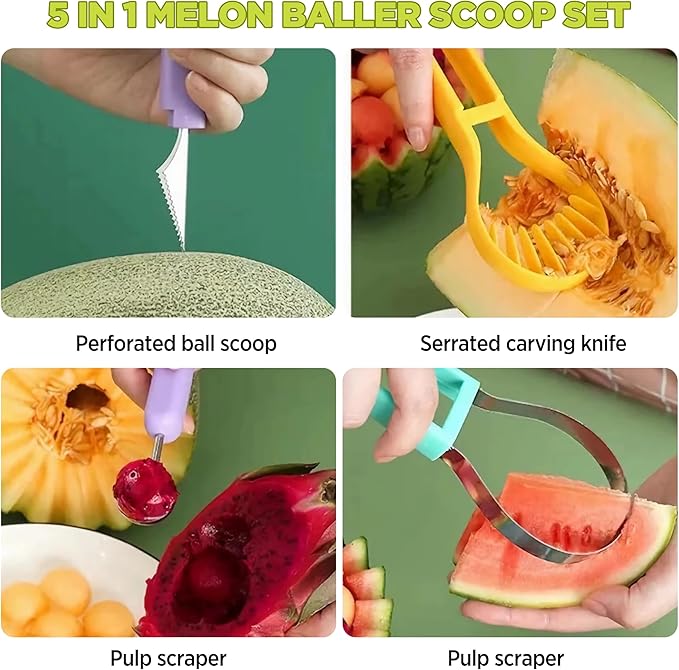
A good melon baller is useful for more than just melon. It can scoop many foods with ease.
Use your melon baller for fruits, vegetables, cheese, or even ice cream to add variety to your dishes.
- Scoop watermelon, cantaloupe, or honeydew.
- Create small balls of cucumber or zucchini for salads.
- Make cheese balls for snacks or platters.
- Serve ice cream or sorbet in neat, round shapes.
Ease Of Cleaning
Choosing a melon baller that is easy to clean saves time and effort. Cleaning is important to keep the tool safe and ready for use.
Some melon ballers are made with dishwasher-safe materials. Others need manual cleaning with care to avoid damage.
Dishwasher-safe Options
Many melon ballers are dishwasher-safe. This means you can place them in the dishwasher without harm.
Look for tools made of stainless steel or durable plastic. These materials handle dishwasher heat well.
- Check the product label for dishwasher-safe marks
- Choose melon ballers without wooden handles
- Avoid tools with glued parts that may loosen
Manual Cleaning Tips
Some melon ballers need hand washing. This helps keep the tool in good shape.
Use warm water and mild soap. Clean all the small holes and edges carefully.
- Use a soft brush to reach tight spots
- Dry the melon baller completely to prevent rust
- Do not soak wooden handles to avoid warping
Price And Budget Considerations
Choosing a melon baller means thinking about your budget. Prices vary widely based on materials and brand.
Knowing what to expect helps you pick a tool that fits your needs and wallet.
Budget-friendly Picks
Affordable melon ballers often use simple materials like plastic or basic metal. They work well for occasional use.
These options give good value without extra features. They are easy to find in stores or online.
- Plastic handles with stainless steel scoops
- Single size scoop for basic use
- Lightweight and easy to clean
- Prices usually under $10
High-end Choices
High-end melon ballers use durable materials like solid stainless steel or even copper. They last longer and feel sturdy.
These often come with ergonomic handles and multiple scoop sizes. They suit people who use them often or want better comfort.
- Multiple scoop sizes for different fruits
- Ergonomic, non-slip handles
- Heavy-duty materials for durability
- Prices may range from $15 to $40 or more
Brand Reputation And Reviews
Choosing the right melon baller can be easier if you check the brand’s reputation. A good brand often means better quality and durability. Reading reviews helps you learn from other buyers’ experiences.
Reviews show how well the melon baller works in real life. They also point out any problems you might face. This information can save you time and money.
Top-rated Brands
Some brands are known for making strong and easy-to-use melon ballers. These brands focus on good materials and smart design. They often offer good warranties and customer support.
- Brand A: Known for stainless steel tools that last long
- Brand B: Offers melon ballers with comfortable handles
- Brand C: Popular for affordable and reliable kitchen tools
Customer Feedback
Customers share real opinions about how melon ballers perform. They talk about ease of use, cleaning, and size. Look for reviews that mention what you care about most.
- Many users like melon ballers that are easy to hold
- Some reviews warn about weak handles breaking quickly
- Cleaning is easier if the tool is dishwasher safe
Tips For Perfect Melon Scoops
Using a melon baller helps create neat, round melon balls. This tool makes fruit salads and snacks look fun and tasty.
Choosing the right melon and using the correct scooping technique gives the best results. These tips make your melon balls smooth and easy to eat.
Choosing Ripe Melons
Pick melons that feel heavy for their size. A heavy melon has more juice and better flavor. The skin should be firm but not too hard.
Smell the melon near the stem. A ripe melon has a sweet, fruity aroma. Avoid melons with soft spots or bruises.
- Look for firm, smooth skin without cracks
- Check for a sweet smell near the stem
- Choose melons that feel heavy for their size
- Avoid melons with soft or damaged spots
Scooping Techniques
Hold the melon steady on a cutting board before scooping. Use the melon baller to scoop with a gentle twisting motion.
Clean the melon baller after every few scoops to keep the balls smooth. You can chill the tool in cold water for easier scooping.
- Cut melon in half or into slices for easy handling
- Scoop with a steady twist to form round balls
- Wipe the melon baller clean often
- Chill the tool in cold water to reduce sticking
Frequently Asked Questions
What Size Melon Baller Should I Choose?
Choose a melon baller size based on your fruit size and desired ball diameter. Smaller sizes (0. 5-1 inch) work well for small fruits and garnishes. Larger sizes (1-2 inches) suit bigger fruits like cantaloupe or watermelon for more substantial balls.
Which Material Is Best For A Melon Baller?
Stainless steel melon ballers are durable, rust-resistant, and easy to clean. Plastic handles offer better grip and comfort. Avoid cheap metals that may bend or rust. Choose one with a sturdy handle for safe, long-lasting use.
How To Use A Melon Baller Effectively?
Press the baller gently into the fruit flesh, twisting slightly to form a ball. Avoid pressing too hard to prevent damaging the fruit. Use a scooping motion and rotate the fruit if needed for uniform balls.
Can I Use A Melon Baller For Other Foods?
Yes, melon ballers can shape soft fruits, vegetables, and even cheese. Use them to create appealing garnishes or bite-sized portions for salads and desserts. Ensure the food texture is soft enough to scoop easily.
Conclusion
Choosing the right melon baller makes food prep simple and fun. Think about size, material, and grip before buying. A good tool lasts long and feels comfortable in hand. Try different types to find what suits your needs best. Enjoy creating beautiful, tasty fruit balls every time.
Keep these tips in mind for easy, perfect results. Your kitchen will thank you for the smart choice.