
Choosing the right kitchen timer might seem simple, but it can make a big difference in how smoothly your cooking goes. You want something that’s easy to use, reliable, and fits your style.
Imagine never burning your food or forgetting a step again. This guide will help you find the perfect timer that works just for you. Keep reading, and you’ll discover the key features that turn a basic timer into your kitchen’s best helper.
Credit: apps.apple.com
Types Of Kitchen Timers
Kitchen timers help you cook food perfectly. They keep track of cooking times to avoid burning or undercooking.
There are different types of kitchen timers. Each type works in its own way to fit your needs.
Digital Timers
Digital timers show time on a screen. They use buttons to set the time.
They are easy to read and can count up or down. Many have loud alarms to alert you.
- Clear display for exact time
- Easy to reset and use
- Often includes extra features like clocks
Mechanical Timers
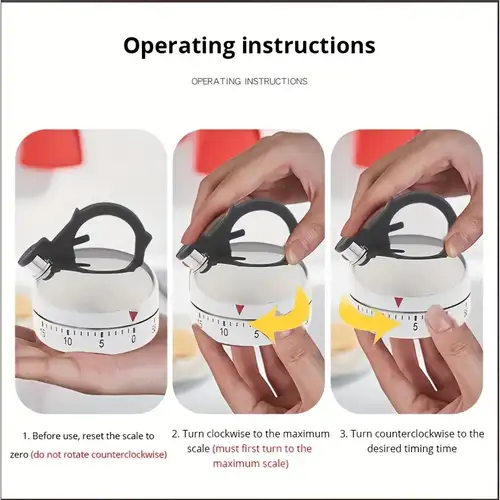
Mechanical timers use a dial you turn to set time. They work without batteries.
These timers make a ticking sound and ring when time is up. They are simple and reliable.
- No need for power or batteries
- Easy to use with one hand
- Classic design fits many kitchens
Smart Timers
Smart timers connect to your phone or smart home system. You can set them remotely.
They can send alerts or work with voice commands. Smart timers offer flexible and modern options.
- Control with smartphone apps
- Use voice assistants for hands-free timing
- Can track multiple timers at once
Key Features To Consider
Choosing the right kitchen timer is important for cooking success. A good timer helps you cook food perfectly every time.
Look at key features that make timers easy and reliable to use. This helps you pick the best one for your kitchen.
Accuracy And Precision
Accuracy means the timer shows the exact time you set. Precision means it counts down in small, clear steps.
Timers with good accuracy help avoid overcooking or undercooking. Look for timers that can measure time in seconds or minutes.
- Choose timers that show exact seconds or minutes
- Digital timers often offer better accuracy
- Mechanical timers can be less precise
Ease Of Use
Easy-to-use timers save time and reduce mistakes. Controls should be simple and clear.
Buttons or dials that are easy to press or turn help you set the timer fast. Avoid timers with confusing settings.
- Look for large buttons or dials
- Simple start and stop functions are best
- Clear instructions make use easier
Display And Readability
A clear display helps you see the time left at a glance. Good readability reduces cooking errors.
Choose timers with large numbers and bright screens. Some have backlights for dark kitchens.
- Large digital screens show time clearly
- Backlit displays help in low light
- Simple displays avoid clutter
Durability And Build Quality
Choosing a kitchen timer means thinking about how long it will last. A strong and well-built timer saves you money.
Durability depends on the materials and how the timer handles kitchen conditions. Good build quality means fewer problems.
Material Choices
Kitchen timers come in plastic, metal, and wood. Each material has its own strength and weakness.
Plastic timers are light and cheap but may break easily. Metal timers last longer and feel sturdy. Wooden timers look nice but may not resist moisture well.
- Plastic: Lightweight, less durable
- Metal: Strong, long-lasting
- Wood: Stylish, less water resistant
Water And Heat Resistance
Kitchen timers face water splashes and heat from cooking. Good resistance prevents damage and keeps the timer working well.
Look for timers with sealed buttons and water-resistant casing. Heat-resistant timers do not warp or stop working near stoves.
- Water resistance stops damage from spills
- Heat resistance protects from stove heat
- Sealed designs keep moisture out

Credit: www.amazon.com
Design And Aesthetic
Choosing a kitchen timer means thinking about how it looks in your kitchen. The design and style should fit your space and taste. A timer that matches your kitchen can make cooking more pleasant.
Good design also means the timer is easy to use and does not take up too much space. Look for a timer that blends well with your kitchen’s look and feels comfortable to handle.
Compact And Space-saving
A kitchen timer should not crowd your countertop. Choose a compact timer that fits small spaces. This helps keep your kitchen neat and organized.
Look for timers with simple shapes and slim profiles. Some timers can stick to your fridge or hang on a wall. These options save even more space.
- Small size fits crowded kitchens
- Flat or slim designs take less room
- Magnetic backs attach to metal surfaces
- Wall-mounted timers free up counters
Color And Style Options
Kitchen timers come in many colors and styles. Pick one that matches your kitchen’s theme. This creates a nice, coordinated look.
Bright colors can add a fun touch. Neutral shades work well in modern or classic kitchens. Choose styles from vintage to sleek to fit your preference.
- Bright colors brighten the space
- Neutral colors blend with most kitchens
- Modern styles have clean lines
- Vintage styles add character
Additional Functionalities
Choosing a kitchen timer involves more than just picking a device that counts down time. Extra features can make cooking easier and more efficient.
Look for timers with useful functionalities that fit your cooking style and needs.
Multiple Timing Settings
Some kitchen timers allow you to set multiple timers at once. This helps when cooking different dishes together.
You can track several cooking times without resetting the timer repeatedly. This feature saves time and reduces mistakes.
- Set separate timers for boiling, baking, and simmering
- Manage cooking of multiple recipes simultaneously
- Keep track of prep and cooking times easily
Alarm Volume And Tone
The alarm sound should be loud enough to hear from different rooms. Some timers let you adjust the volume.
Different tones help you recognize the timer sound quickly. Choose a tone that suits your kitchen environment.
- Adjust volume for quiet or noisy kitchens
- Pick between beep, buzzer, or melody alarms
- Some timers offer vibration alerts as well

Credit: www.webstaurantstore.com
Price Range And Value
Choosing the right kitchen timer depends on your budget and the value you want. Timers come in many price ranges, from simple to advanced models.
Understanding what you need helps you find a timer that fits your cooking style and money limits.
Budget-friendly Options
Budget-friendly kitchen timers offer basic functions at low prices. They are easy to use and perfect for everyday cooking.
These timers usually have simple displays and loud alarms to alert you when time is up.
- Simple countdown and count-up features
- Compact and portable design
- Battery-powered with long life
- Easy-to-read numbers and buttons
Premium Features Worth The Cost
Premium kitchen timers come with extra features that make cooking easier and more precise. These models may cost more but add value for frequent cooks.
They often include multiple timers, digital screens, and smart connectivity for better control.
- Multiple timer settings for different dishes
- Memory function to save favorite times
- Magnetic back or stand for easy placement
- Smartphone app integration for remote control
User Reviews And Recommendations
Choosing the right kitchen timer can make cooking easier. Many people share their experiences online. These reviews help buyers pick the best timer for their needs.
User opinions often focus on ease of use, sound volume, and durability. Reading these can guide you to a good choice.
Top-rated Brands
Some brands get high marks from users for quality and reliability. These brands often offer simple controls and clear displays.
- OXO – Known for easy-to-read screens and loud alarms
- ThermoPro – Popular for accurate timing and sturdy build
- KitchenAid – Offers timers with simple buttons and strong magnets
- Time Timer – Loved for visual countdown and quiet alerts
Consumer Feedback Insights
Users value timers that are easy to set and hear in noisy kitchens. Many prefer timers with loud alarms or vibrating options.
Durability is important. Timers that last long and resist damage get better reviews. Some users also like compact designs for small kitchens.
- Easy buttons make setting the timer quick
- Loud alarms prevent missing the alert
- Strong magnets help attach timers to metal surfaces
- Clear displays show remaining time at a glance
- Battery life and replacement ease matter to many users
Where To Buy
Choosing the right kitchen timer is easier when you know where to look. You can find timers in many places, both online and in physical stores.
Each option has its benefits. Online stores offer variety and convenience. Brick and mortar stores let you see the product before buying.
Online Retailers
Online retailers have a wide selection of kitchen timers. You can read reviews and compare prices easily.
Shopping online lets you buy anytime from home. Delivery is usually fast, and you can find timers with many features.
- Large variety of styles and brands
- Customer reviews help with decisions
- Easy to compare prices
- Delivery to your door
Brick And Mortar Stores
Brick and mortar stores let you hold and test kitchen timers. You can see the size and feel the buttons before buying.
Staff can answer questions and help you find a timer that fits your needs. You can take the timer home right away.
- Try the timer before buying
- Ask staff for advice
- Get the timer immediately
- No waiting for delivery
Frequently Asked Questions
What Features Should I Look For In A Kitchen Timer?
Look for easy-to-read displays, loud alarms, and simple controls. Choose timers with adjustable settings and durability for daily use. Consider digital or mechanical types based on your preference and kitchen style.
How Accurate Are Digital Kitchen Timers?
Digital timers are highly accurate, often to the second. They offer precise countdowns and alarms, ensuring perfect cooking times. This helps prevent overcooking or undercooking your meals consistently.
Can I Use A Kitchen Timer For Multiple Tasks?
Yes, many kitchen timers have multiple alarms or timers. This allows you to track different cooking steps simultaneously. It’s ideal for complex recipes requiring precise timing for various ingredients.
Are Mechanical Timers Better Than Digital Ones?
Mechanical timers are simple and reliable without batteries. Digital timers offer more features like memory and multiple alarms. Choose based on your needs for precision and convenience.
Conclusion
Choosing the right kitchen timer helps you cook with ease. Think about your needs and kitchen style first. Simple designs work well for most cooks. Digital timers offer more features but can be complex. Mechanical timers are easy and reliable.
Size matters—pick one that fits your space. Don’t forget to check the sound and loudness. A good timer keeps your food from burning. It saves time and reduces stress. Take your time to decide. Enjoy cooking with your perfect timer!