
Choosing the right kitchen timer might seem simple, but it can make a big difference in your cooking. You want a timer that’s easy to use, reliable, and fits your cooking style perfectly.
Imagine never overcooking or undercooking your meals again because your timer is just right for you. You’ll discover exactly what to look for when picking a kitchen timer that works best for your needs. Keep reading, and you’ll find the secret to cooking with confidence every time.
Credit: apps.apple.com
Types Of Kitchen Timers
Kitchen timers help you keep track of cooking times. They prevent overcooking and burning food. Choosing the right timer makes cooking easier and more precise.
There are different types of kitchen timers. Each type has unique features. You can pick one that fits your cooking style.
Digital Timers
Digital timers use electronic displays to show the countdown. They often have buttons to set minutes and seconds. Many digital timers have loud alarms to alert you.
- Easy to read numbers on a screen
- Can count up and down
- Some models include memory for repeat timing
- Battery powered or plug-in options
Mechanical Timers
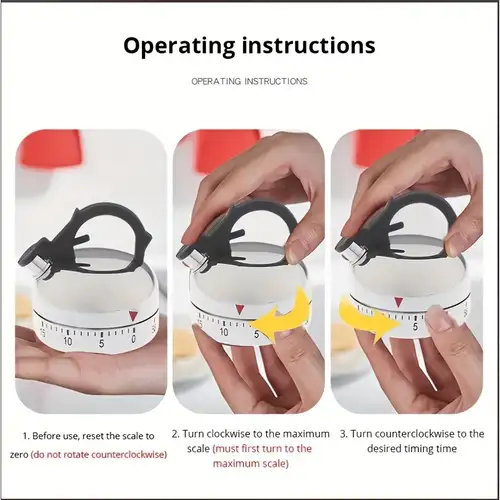
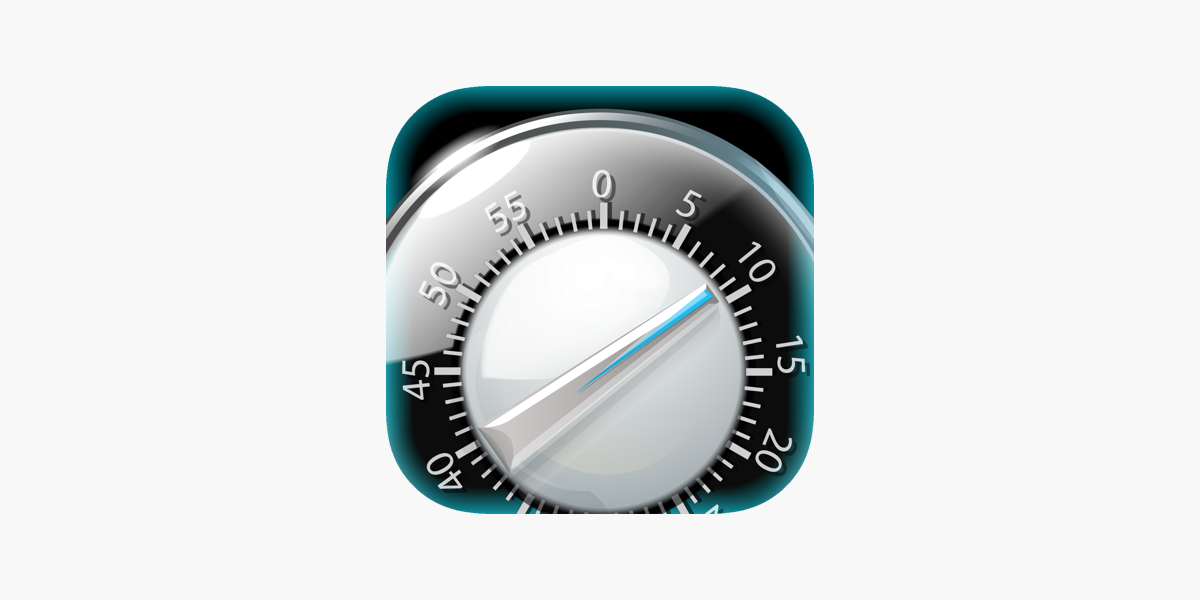
Mechanical timers work by turning a dial to set the time. They use springs to count down and ring a bell when done. These timers do not need batteries or electricity.
| Feature | Benefit |
|---|---|
| Simple dial control | Easy to use for quick timing |
| No batteries needed | Always ready to use |
| Classic ticking sound | Helpful for hearing the countdown |
| Limited timing range | Best for short cooking tasks |
Smart Timers
Smart timers connect to your phone or smart home devices. They allow remote control and set multiple timers. Some include voice commands and recipe integration.
- Control with smartphone apps
- Set timers using voice assistants
- Sync with recipes for precise timing
- Can track several timers at once
Key Features To Consider
Choosing the right kitchen timer can make cooking easier and more precise. Focus on features that match your daily needs.
Look at how simple it is to use, how alerts notify you, and how easy the timer is to see from a distance.
Ease Of Use
Pick a timer with controls that are easy to understand and operate. Buttons should be large enough for quick setting.
Some timers have a simple dial, while others use digital buttons. Choose one that fits your comfort level.
Volume And Alerts
Check how loud the timer rings. It should be loud enough to hear from another room but not too harsh.
- Adjustable volume settings help customize alerts.
- Different tones can prevent alarm confusion.
- Visual alerts like flashing lights are helpful in noisy kitchens.
Display And Visibility
| Feature | Benefit |
| Large digits | Easy to read from a distance |
| Backlit screen | Visible in low light |
| Clear layout | Quick to check remaining time |
| Angled display | Better view on countertop |
Choose a timer with a clear display. This helps avoid mistakes and saves time while cooking.
Choosing The Right Timer For Your Needs
Picking the right kitchen timer helps you cook and bake with ease. A good timer keeps track of cooking time so food does not burn or stay undercooked.
Different kitchens have different timing needs. Knowing what you need will help you find the best timer for you.
Baking And Cooking
Baking needs precise timing because small changes can affect the final dish. Cooking often requires flexible timing for many tasks.
Choose a timer that lets you set exact times. A timer with a clear display helps you read time at a glance.
- Timers with countdown and count-up features work well for baking.
- Some timers beep or flash when time is up.
- Magnetic timers stick to ovens or fridges for easy access.
Multiple Timing Needs
Many dishes need several timers at once. A timer that can handle multiple countdowns helps keep your kitchen organized.
Look for timers with more than one timer function or the ability to save preset times.
- Dual or triple timers let you track different foods at once.
- Timers with memory save your favorite cooking times.
- Some timers connect to apps for remote control.
Design And Aesthetics
The timer should fit your kitchen style and be easy to use. Look for simple buttons and a clear screen.
Choose a design that matches your kitchen colors and space. A compact timer saves counter space.
- Bright colors make timers easy to find.
- Minimalist designs suit modern kitchens.
- Timers with stands or magnets offer flexible placement.

Credit: www.amazon.com
Top Brands And Models
Choosing the right kitchen timer can improve your cooking. Many brands offer different features and styles.
This guide covers popular brands, budget-friendly options, and high-end models to help you decide.
Popular Brands
Some brands are known for quality and durability. These brands often have many models to choose from.
- OXO – Known for easy-to-use digital timers with clear displays.
- KitchenAid – Offers stylish and reliable mechanical and digital timers.
- Taylor – Popular for simple, accurate kitchen timers.
- Westclox – Provides affordable and classic designs.
Budget-friendly Options
Budget timers provide basic features without extra costs. They work well for everyday cooking.
| Model | Type | Price Range | Key Feature |
|---|---|---|---|
| Westclox Simple Timer | Mechanical | $5 – $10 | Easy dial control |
| Kitchen Timer Digital by Etekcity | Digital | $8 – $12 | Large display |
| OXO Good Grips Triple Timer | Digital | $15 – $20 | Three timers in one |
High-end Models
High-end timers offer more features and better materials. They suit serious cooks and chefs.
- Multiple timer settings
- Magnetic back or stand
- Clear sound alerts
- Long battery life or rechargeable
- Elegant design
User Reviews And Ratings
User reviews and ratings help buyers choose the right kitchen timer. They share real experiences with the product.
Reading what others say can guide you to find a timer that fits your needs and avoids common problems.
Customer Feedback
Many users say that easy-to-use timers make cooking less stressful. Clear displays and loud alarms get good comments.
- Simple buttons are appreciated
- Clear screen visibility in daylight
- Long-lasting battery life
- Compact size for small kitchens
- Multiple timer settings for different tasks
Common Complaints
Some customers report issues with timers stopping unexpectedly or alarms being too quiet. Others mention hard-to-read screens.
- Short battery life in some models
- Buttons that stick or don’t respond
- Alarms too soft or hard to hear
- Screen glare under bright lights
- Timers that reset when moved
Highly Rated Features
| Feature | Why Users Like It |
| Loud Alarm | Easy to hear even from a distance |
| Large Display | Numbers are clear and easy to read |
| Multiple Timers | Can time different foods at once |
| Magnetic Back | Attaches to fridge for convenience |
| Simple Controls | Easy to set and reset quickly |
Care And Maintenance
Keeping your kitchen timer in good condition helps it work well for a long time. Regular care prevents damage and ensures accuracy.
Simple maintenance steps can extend your timer’s life and keep it clean and ready to use.
Cleaning Tips
Wipe your kitchen timer with a soft cloth to remove dirt. Avoid using harsh chemicals or soaking it in water. Clean the buttons gently to keep them working smoothly.
- Use a damp cloth with mild soap
- Dry the timer completely after cleaning
- Do not spray water directly on the timer
- Clean the battery compartment carefully
Battery Replacement
Replace the battery when the timer stops or the display fades. Use the correct battery type for your model. Remove old batteries to avoid leaks.
| Battery Type | Replacement Frequency |
| Button Cell | Every 6-12 months |
| AA or AAA | Every 12 months |
| Rechargeable | Check monthly |
Troubleshooting
If your timer does not work, check the battery first. Make sure the buttons are not stuck. Reset the timer by removing the battery and reinserting it.
Try these fixes if your kitchen timer acts up:
- Check battery placement and contacts
- Press all buttons to free stuck keys
- Clean the timer to remove dust inside
- Reset the timer by removing the battery for 1 minute
- Consult the manual for model-specific tips

Credit: www.amazon.com
Frequently Asked Questions
What Features Should I Look For In A Kitchen Timer?
Look for easy readability, loud alarms, and simple controls. Consider digital or mechanical types. Battery life and durability matter too.
How Do Digital And Mechanical Kitchen Timers Differ?
Digital timers offer precision and extra functions. Mechanical timers are simple, no batteries needed, and often more durable.
Can A Kitchen Timer Improve Cooking Accuracy?
Yes, it helps track cooking times precisely. This prevents overcooking or undercooking, ensuring perfect results every time.
Are Kitchen Timers Suitable For All Cooking Styles?
Absolutely. They work well for baking, boiling, grilling, and multitasking. Choose one that fits your cooking habits.
Conclusion
Choosing the right kitchen timer makes cooking easier and safer. Think about how you cook and what features help most. A timer that is easy to use saves time and stress. Small details, like sound and size, can make a big difference.
Trust your needs and pick a timer that fits your style. Enjoy cooking with better control and less worry. Simple steps lead to better meals every day.