

When it comes to cooking, getting the temperature just right can make all the difference. You want your meals safe, juicy, and full of flavor every time.
But how do you know if your food is cooked perfectly? That’s where a food thermometer comes in. Choosing the right one might seem simple, but with so many options out there, it can quickly become confusing. This guide will help you find the best food thermometer for your kitchen, so you can cook with confidence and impress everyone at your table.
Keep reading to discover the key tips that will make your choice easy and effective.
Types Of Food Thermometers
Food thermometers help you check the temperature of your food. They make sure food is safe to eat and cooked well.
There are different types of food thermometers. Each type works best for certain cooking tasks.
Digital Instant-read Thermometers
Digital instant-read thermometers give a quick temperature reading. They use a digital display to show results in seconds.
They are easy to use and very popular for everyday cooking. You just insert the probe into the food and read the number.
Dial Oven-safe Thermometers
Dial oven-safe thermometers can stay inside food while cooking. They have a dial that shows the temperature.
These thermometers work well for roasting or baking. They can handle high oven heat without damage.
- Usually made with metal dials
- Read temperature through a glass cover
- Good for long cooking times
Thermocouples
Thermocouples are very fast and accurate. They measure temperature using two wires joined at one end.
They work well for thick or dense foods. Chefs often use thermocouples for precise cooking.
- Show temperature in 2-3 seconds
- Good for both thin and thick foods
- Usually more expensive than other types
Infrared Thermometers
Infrared thermometers measure temperature from a distance. They use infrared light to read surface heat.
They are useful for checking food without touching it. But they only measure the surface, not inside temperature.
- Fast and easy to use
- Good for checking grill or pan temperature
- Not for checking meat doneness inside
Smart Thermometers
Smart thermometers connect to your phone or tablet. They send temperature readings wirelessly.
They help you monitor cooking without opening the oven. Some apps give cooking tips and alerts.
- Use Bluetooth or Wi-Fi connection
- Track temperature in real-time
- Good for slow cooking or grilling

Credit: www.goodhousekeeping.com
Key Features To Consider
Choosing the right food thermometer helps you cook food safely and perfectly. Look at important features before buying.
This guide explains key features to help you pick a good food thermometer.
Accuracy And Precision
Accuracy means how close the thermometer shows the real temperature. Precision means how small changes it can detect.
A good thermometer gives accurate and precise readings to avoid undercooked or overcooked food.
- Look for thermometers with ±1°F or better accuracy
- Precision helps check small temperature changes
- Check product details for accuracy ratings
Response Time
Response time is how fast the thermometer shows the temperature. Faster response saves cooking time.
Digital thermometers usually respond faster than dial types.
- Look for thermometers with less than 10 seconds response time
- Quick readings help check food often
- Faster tools reduce heat loss during testing
Temperature Range
The temperature range shows the lowest and highest temperatures the thermometer can measure. Make sure it fits your needs.
Some foods need very high heat, others cook at low temperatures.
| Food Type | Recommended Temperature Range |
|---|---|
| Meats and poultry | 140°F to 200°F (60°C to 93°C) |
| Baking and candy | 100°F to 400°F (38°C to 204°C) |
| Frying | 300°F to 450°F (149°C to 232°C) |
Durability And Materials
Durable thermometers last longer and resist damage. Materials affect strength and safety.
Look for stainless steel probes and water-resistant bodies for long use.
- Stainless steel resists rust and heat
- Water-resistant or waterproof design is safer for kitchen use
- Strong casing protects internal parts
Ease Of Use And Readability
The thermometer should be easy to use. Clear displays make reading temperature simple.
Look for large digital screens and buttons that work well with wet hands.
- Backlit screens help in low light
- Simple buttons avoid confusion
- Compact size makes handling easier
Choosing The Right Thermometer For Different Foods
Choosing the right food thermometer helps you cook safely and perfectly. Different foods need different thermometer types.
Knowing which thermometer to use makes cooking easier and ensures food is safe to eat.
Meat And Poultry
Meat and poultry need a fast and accurate thermometer. A digital instant-read thermometer works best. It checks the inside temperature quickly.
Insert the probe into the thickest part of the meat. Avoid touching bone or fat for correct readings.
- Digital instant-read thermometers are ideal
- Probe should reach the thickest part
- Check multiple spots in large cuts
Seafood
Seafood cooks quickly and needs gentle temperature checks. Use a thin probe thermometer for delicate fish and shellfish.
Thin probes give fast, accurate readings without damaging the food. This helps keep seafood juicy and safe.
- Choose thin probe thermometers
- Check temperature near the thickest part
- Avoid overcooking to keep texture
Baking And Candy Making
Baking and candy making need precise temperature control. Use a digital thermometer with a probe or a candy thermometer.
Candy thermometers clip to pots and measure high heat. Probe thermometers check bread and cakes for doneness.
- Candy thermometers measure up to 400°F or higher
- Probe thermometers test baked goods inside
- Choose thermometers with clear, easy-to-read displays
Frying And High-heat Cooking
For frying, you need a thermometer that handles very high temperatures. Deep-fry or infrared thermometers work well.
Deep-fry thermometers clip to pots and stay in the oil. Infrared thermometers check surface temperature without contact.
- Use deep-fry thermometers for oil temperature
- Infrared thermometers measure surface heat quickly
- Pick thermometers that resist high heat and splashes
Maintenance And Care
Taking care of your food thermometer keeps it accurate and safe. Proper maintenance helps it last longer.
Regular cleaning, calibration, and storage are key parts of good care. Follow simple steps to keep your thermometer working well.
Cleaning Tips
Clean your thermometer after each use to remove food residue. Use warm, soapy water for the probe only.
Do not soak the whole thermometer in water. Use a damp cloth to clean the body and screen gently.
- Wipe probe with a soft cloth and mild soap
- Rinse probe under running water carefully
- Dry with a clean towel before storage
- Avoid harsh chemicals or abrasive scrubbers
Calibration Techniques
Calibration keeps your thermometer accurate. Check it regularly using simple tests.
One common test is the ice water method. It helps you see if the thermometer reads 32°F (0°C) correctly.
- Fill a glass with ice and cold water
- Insert the probe into the ice water without touching the glass
- Wait about 30 seconds for a steady reading
- If it does not read 32°F (0°C), adjust the calibration if possible
- Follow the manufacturer’s instructions to recalibrate
Proper Storage
Store your food thermometer in a dry, safe place. Avoid extreme temperatures and moisture.
Keep it in a protective case or container if available. This prevents damage to the probe and screen.
- Do not leave the thermometer near heat sources
- Keep away from direct sunlight and water
- Store in a drawer or cupboard
- Use a case to protect the probe
Safety Considerations
Choosing the right food thermometer is important for safe cooking. It helps check food temperatures to avoid sickness.
Using a thermometer correctly keeps your food safe and tasty. Always think about safety when picking one.
Avoiding Cross-contamination
Cross-contamination happens when germs spread from one food to another. This can cause food poisoning.
Choose a thermometer that is easy to clean. Use different thermometers for raw and cooked foods.
- Use separate probes for raw meat and cooked food
- Clean the thermometer with hot, soapy water after each use
- Use a waterproof thermometer for easy washing
- Consider a thermometer with removable probe covers
Safe Temperature Guidelines
Food must reach certain temperatures to kill harmful bacteria. Use the thermometer to check the food’s temperature.
Pick a thermometer that shows accurate readings quickly. Know the safe temperature for different foods.
| Food Type | Safe Minimum Temperature |
|---|---|
| Poultry (chicken, turkey) | 165°F (74°C) |
| Ground meats (beef, pork) | 160°F (71°C) |
| Steaks and roasts | 145°F (63°C) |
| Fish and seafood | 145°F (63°C) |
| Egg dishes | 160°F (71°C) |
Popular Brands And Models
Choosing the right food thermometer helps you cook food safely. Many brands offer different types and features.
This guide covers popular brands and models for home cooks and professionals. You will find options that fit your needs.
Top Picks For Home Cooks
Home cooks need easy-to-use and reliable thermometers. Digital instant-read models are popular for quick checks.
- ThermoPro TP03 – Affordable and accurate with a foldable probe
- Inkbird IBT-4XS – Bluetooth-enabled for wireless temperature reading
- Lavatools Javelin Pro – Fast readings with a large display
- Kizen Instant Read – Waterproof and easy to clean
These models work well for grilling, baking, and cooking meat. They give fast and clear temperature readings.
Professional-grade Options
Professionals need thermometers with high accuracy and durability. Some models offer advanced features like timers.
- ThermoWorks Thermapen Mk4 – Very fast and precise, used by chefs worldwide
- Fluke 62 Max Plus – Infrared thermometer for surface temperatures
- Comark C32 – Waterproof and rugged for busy kitchens
- OXO Good Grips Chef’s Thermometer – Probe with a large dial and quick response
These thermometers handle heavy use and provide reliable temperature data for food safety.
Cost And Budgeting
Choosing a food thermometer depends on your budget. Prices vary from low to high.
Think about what features you need before buying. This helps you spend wisely.
Budget-friendly Options
Affordable thermometers give good results for everyday cooking. They usually have basic functions.
These options work well if you cook at home and do not need fancy features.
- Simple digital thermometers cost less
- Look for models with fast readings
- Basic probes are easy to clean
- Check for good customer reviews
Investing In Quality
High-quality thermometers last longer and give more accurate readings. They have extra features.
Consider buying quality if you cook often or need precise temperatures for safety.
- Look for stainless steel probes
- Choose models with quick and accurate sensors
- Wireless or smart thermometers offer convenience
- Check warranty and customer support

Credit: www.youtube.com
Customer Reviews And Recommendations
Choosing a food thermometer can be easier by reading what other buyers say. Customer reviews show real experiences and issues.
Recommendations from users help find reliable and accurate thermometers for cooking.
Analyzing User Feedback
Look for reviews that mention the thermometer’s accuracy and speed. These are key for good cooking results.
Check if users find the device easy to use and clean. Simple design makes cooking smoother.
- Accuracy keeps food safe to eat
- Fast readings save cooking time
- Easy to read display helps avoid mistakes
- Durable build lasts longer
- Good battery life is convenient
Best-selling Thermometers
Best-selling thermometers have many positive reviews and good ratings. They often combine accuracy and ease of use.
Many top models offer quick readings and clear displays. Some have extra features like backlights or timers.
| Thermometer | Key Features | Average Rating |
|---|---|---|
| Instant Read Digital | Fast reading, waterproof, easy to clean | 4.5/5 |
| Wireless Meat Probe | Remote monitoring, alarm, long battery | 4.4/5 |
| Infrared Thermometer | Non-contact, quick, good for surface temps | 4.3/5 |
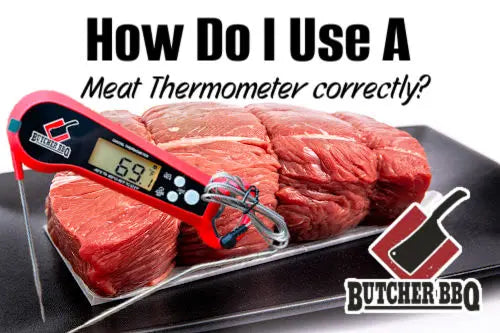
Credit: butcherbbq.com
Frequently Asked Questions
What Types Of Food Thermometers Are Best For Cooking?
Digital instant-read and probe thermometers are best for cooking. They provide quick, accurate temperature readings. Choose one based on your cooking style and budget.
How Do I Calibrate A Food Thermometer Properly?
To calibrate, place the thermometer in ice water. Adjust it to read 32°F (0°C). Regular calibration ensures accurate temperature readings.
Why Is Accuracy Important In Food Thermometers?
Accurate thermometers prevent undercooking or overcooking food. They ensure food safety by reaching safe internal temperatures, reducing foodborne illness risks.
Can I Use A Food Thermometer For Baking?
Yes, probe thermometers work well for baking meats and breads. They help monitor internal temperatures for perfect doneness and safety.
Conclusion
Choosing the right food thermometer ensures safe and tasty meals every time. Focus on accuracy, ease of use, and quick readings. Consider your cooking style and budget carefully. A good thermometer helps avoid undercooked or overcooked food. It keeps your family safe from harmful bacteria.
Remember, a simple tool can make a big difference in the kitchen. Trust your choice and enjoy cooking with confidence.