

Choosing the right cutting board might seem simple, but it can make a huge difference in your kitchen. You want something that’s safe, durable, and easy to clean.
Picking the wrong board can lead to dull knives, bacteria buildup, or even accidents. You’ll discover exactly what to look for to find the perfect cutting board that fits your cooking style and keeps your food safe. Keep reading—you’ll never see cutting boards the same way again.

Credit: wyndhamwoodworks.com
Types Of Cutting Boards
Cutting boards come in different materials. Each type has its own uses and care needs.
Choosing the right cutting board helps keep your knives sharp and your kitchen clean.
Wooden Boards
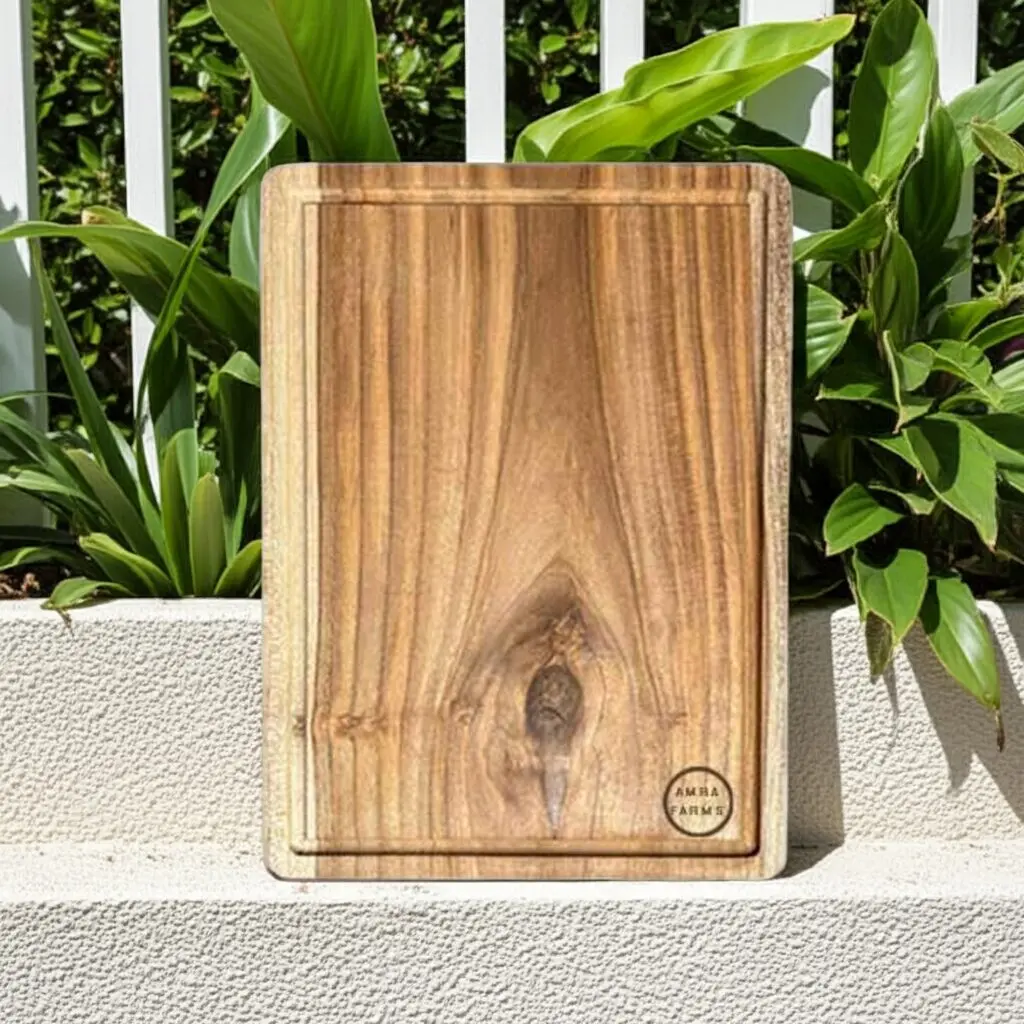
Wooden cutting boards are classic and strong. They are gentle on knives and last a long time.
Wood boards need oiling to stay in good shape. They can absorb juices from food, so clean well.
- Made from hardwoods like maple or walnut
- Good for chopping fruits, vegetables, and bread
- Requires regular oiling to prevent cracking
- Not dishwasher safe
Plastic Boards
Plastic cutting boards are lightweight and easy to clean. They are dishwasher safe.
They come in many colors, which helps avoid cross-contamination by using different boards for meat and veggies.
- Usually made from polyethylene or polypropylene
- Affordable and widely available
- Can get knife marks that hide bacteria
- Replace when deeply cut or worn
Bamboo Boards
Bamboo boards are eco-friendly and hard. They resist knife marks better than plastic.
Bamboo grows fast, making these boards a greener choice. They need oiling like wood boards.
- Made from compressed bamboo strips
- Harder surface than most woods
- Less prone to water damage than wood
- Not dishwasher safe, clean by hand
Glass Boards
Glass cutting boards look nice and are easy to clean. They do not absorb stains or odors.
They can dull knives quickly and may slip on surfaces, so use with care.
- Non-porous and stain-resistant
- Very easy to sanitize
- Can damage knife edges fast
- May be slippery and noisy while cutting
Credit: livegreenspdx.com
Factors To Consider
Choosing the right cutting board is important for your kitchen tasks. It helps protect your knives and makes food preparation easier.
Several factors affect how well a cutting board works. Think about durability, knife friendliness, maintenance, and how it looks.
Durability
Durability means how long the cutting board lasts. It should handle daily use without cracking or warping.
Wood and plastic boards have different durability levels. Choose one that fits your cooking style and budget.
- Wood boards can last years with care
- Plastic boards may wear out faster
- Hard materials resist cuts and dents
- Soft materials show marks quickly
Knife Friendliness
Knife friendliness means how well a board protects your knife blades. Hard boards can dull knives fast.
Softer boards are gentle on knives. This keeps your knives sharp for longer and reduces sharpening needs.
- Wood boards are usually gentle on knives
- Plastic boards can be knife-friendly if soft
- Glass and stone boards dull knives quickly
Maintenance
Maintenance means how easy it is to clean and care for the board. Some boards need more work than others.
Wood boards need regular oiling and careful washing. Plastic boards can often go in the dishwasher.
- Wood boards require hand washing and drying
- Plastic boards are often dishwasher safe
- Glass boards are easy to clean but hard on knives
- Regular care extends board life
Aesthetic Appeal
Aesthetic appeal means how the board looks in your kitchen. A nice board can add style to your cooking space.
Wood boards offer a warm, natural look. Plastic boards come in many colors and patterns to match your style.
- Wood boards have a classic, elegant look
- Plastic boards offer bright and fun colors
- Choose a board that fits your kitchen decor
Safety And Hygiene
Choosing the right cutting board helps keep your kitchen safe and clean. It reduces the risk of foodborne illnesses.
Good safety and hygiene habits protect you and your family from harmful bacteria.
Avoiding Cross-contamination
Cross-contamination happens when bacteria spread from one food to another. This can cause food poisoning.
Use separate cutting boards for raw meat, vegetables, and cooked foods. This keeps bacteria from mixing.
- Use color-coded boards for different food types
- Do not cut raw meat and vegetables on the same board
- Replace worn boards that have deep cuts
Proper Cleaning Techniques
Clean cutting boards well after each use. This stops bacteria from growing on the surface.
Wash boards with hot soapy water. Rinse and dry them completely before storing.
- Use a scrub brush to remove food bits
- Sanitize boards with diluted bleach or vinegar
- Air dry boards to prevent moisture buildup
Safe Material Choices
Choose cutting boards made from safe, non-toxic materials. Some materials hold bacteria less than others.
Wood and plastic boards are common. Each has pros and cons for safety and hygiene.
- Wood boards resist bacteria if cleaned well
- Plastic boards are easy to sanitize and dishwasher safe
- Avoid glass or metal boards that dull knives and can crack
Size And Thickness
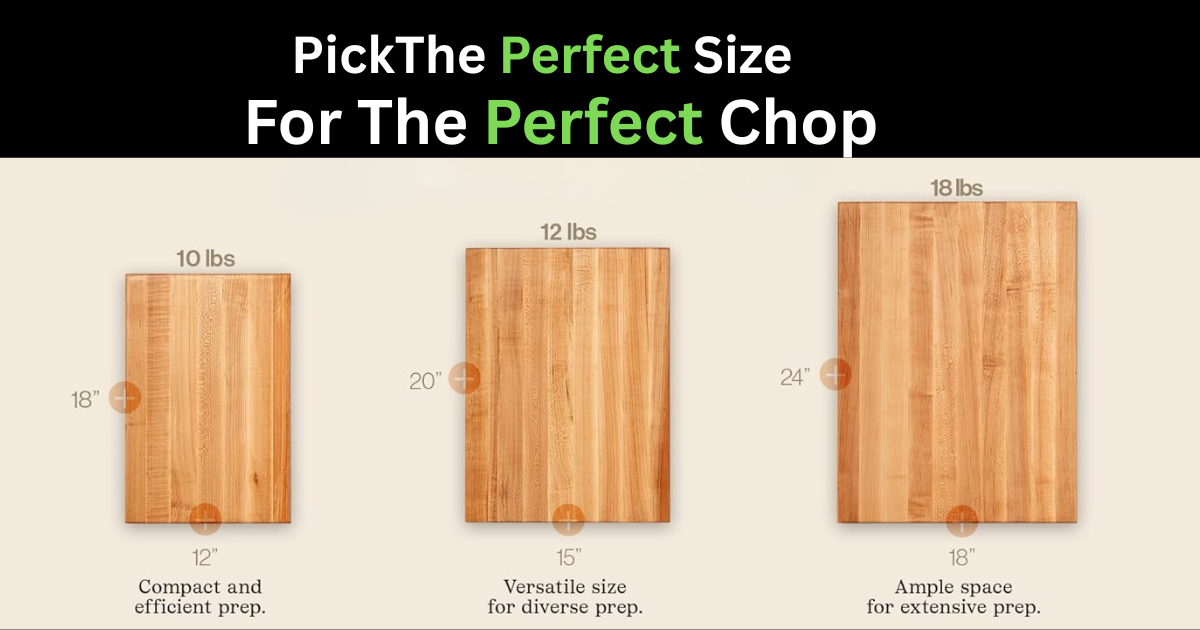
Choosing the right cutting board size and thickness is important for your kitchen tasks. The size affects how much space you have to work. Thickness impacts the board’s durability and stability.
Understanding standard sizes and thickness options helps you pick a board that fits your needs. Also, consider how you will store the board after use.
Standard Sizes
Cutting boards come in many sizes to match different kitchen spaces and tasks. Smaller boards are good for quick jobs. Larger boards work well for big meals and multiple ingredients.
- Small: 8 x 10 inches, good for fruits and small veggies
- Medium: 10 x 14 inches, fits most kitchen tasks
- Large: 18 x 24 inches, ideal for big chopping jobs
Thickness Options
Thickness affects how strong and stable a cutting board is. Thin boards are light and easy to move. Thick boards last longer and resist warping.
- Less than 0.5 inches: Lightweight, best for light tasks
- 0.5 to 1 inch: Balanced strength and weight, good for daily use
- More than 1 inch: Very durable, ideal for heavy chopping
Storage Considerations
Think about where you will keep your cutting board. Large or thick boards need more space. Smaller boards fit easily in drawers or on shelves.
Some boards can stand upright to save counter space. Others lay flat and need a dry, clean spot. Proper storage helps keep boards clean and long-lasting.
Budget Considerations
Choosing the right cutting board means thinking about how much you want to spend. Your budget helps decide the materials and size you can afford.
Even with a small budget, you can find good cutting boards. It is important to balance price and quality for the best value.
Cost Vs. Quality
Cheap cutting boards may save money now but wear out fast. Higher quality boards cost more but last longer and stay safe to use.
Look for cutting boards that fit your budget and have good reviews. This helps avoid buying poor-quality products that need early replacement.
- Low-cost boards may scratch or warp quickly
- Mid-range boards often balance price and durability
- High-quality boards use strong materials and last years
Long-term Investment
Spending more on a cutting board can save money over time. Durable boards do not need frequent replacement and resist damage.
Consider how often you cook and what type of food you prepare. A good board can protect your knives and keep food safe for years.
- Invest in wood or bamboo for durability
- Plastic boards may need replacing every few years
- Good care extends the life of any cutting board
Sustainability Choices
Choosing a cutting board is not just about looks or price. It is also about how it affects the planet.
Picking a sustainable cutting board helps protect forests and reduce waste.
Eco-friendly Materials
Eco-friendly cutting boards are made from natural and renewable materials.
Wood and bamboo are popular choices because they come from fast-growing plants.
- Wood boards last long and can be sanded to look new.
- Bamboo grows quickly and uses less water than wood.
- Recycled plastic boards help reduce waste in landfills.
Sustainable Sourcing
Look for cutting boards from suppliers who care about the environment.
Boards from sustainably managed forests help protect wildlife and trees.
- Choose boards certified by organizations like FSC (Forest Stewardship Council).
- Check if the company uses recycled or reclaimed materials.
- Support brands that use local resources to reduce carbon footprints.
Expert Recommendations
Choosing the right cutting board is important for cooking safely and efficiently. Different materials suit different kitchen needs.
This guide shares expert advice to help you pick the best cutting board for your kitchen.
Professional Chef Insights
Chefs prefer cutting boards that are sturdy and easy to clean. Wood and plastic are the most common choices.
Wood boards protect knife edges better, while plastic boards can be sanitized in a dishwasher.
- Use wood boards for chopping vegetables and bread
- Use plastic boards for raw meat and fish
- Choose thick boards to prevent warping
- Look for boards with juice grooves to catch liquids
Popular Brands And Models
Some brands are well-known for making quality cutting boards. They offer different sizes and materials.
Here are a few popular options trusted by many home cooks and chefs.
| Brand | Material | Features |
|---|---|---|
| John Boos | Hard Maple Wood | Durable, thick, juice groove |
| OXO | Plastic | Dishwasher safe, non-slip edges |
| Epicurean | Composite Wood Fiber | Heat resistant, lightweight |
| Totally Bamboo | Bamboo | Eco-friendly, lightweight, knife-friendly |
Credit: choppingboards.in
Frequently Asked Questions
What Materials Are Best For Cutting Boards?
Wood and plastic are popular for cutting boards. Wood is durable and gentle on knives. Plastic is easy to clean and dishwasher-safe. Bamboo is eco-friendly but harder on knives. Choose based on your cooking needs and maintenance preferences.
How To Maintain A Wooden Cutting Board?
Clean wooden boards with mild soap and warm water. Avoid soaking or dishwasher use to prevent warping. Regularly oil the board with food-grade mineral oil to keep it hydrated and crack-free. Proper care extends its lifespan and maintains hygiene.
Which Cutting Board Size Is Ideal For Kitchens?
A medium to large board (12×18 inches) suits most tasks. It offers enough space for chopping and slicing. Small boards work for quick tasks, while large boards are better for big meals. Consider your kitchen space and cooking style when choosing size.
Are Antibacterial Cutting Boards Worth Using?
Antibacterial boards reduce bacterial growth but don’t replace cleaning. Regular washing is essential regardless of board type. Some materials naturally resist bacteria, like bamboo. Choose boards with smooth surfaces to avoid bacteria hiding in grooves.
Conclusion
Choosing the right cutting board makes cooking safer and easier. Think about the material, size, and how you clean it. Wooden boards are gentle on knives and last long. Plastic boards are light and easy to wash. Always pick a board that fits your kitchen space.
Keep it clean to avoid germs and stains. A good cutting board helps you prepare food with confidence. Simple choices lead to better cooking experiences every day.