
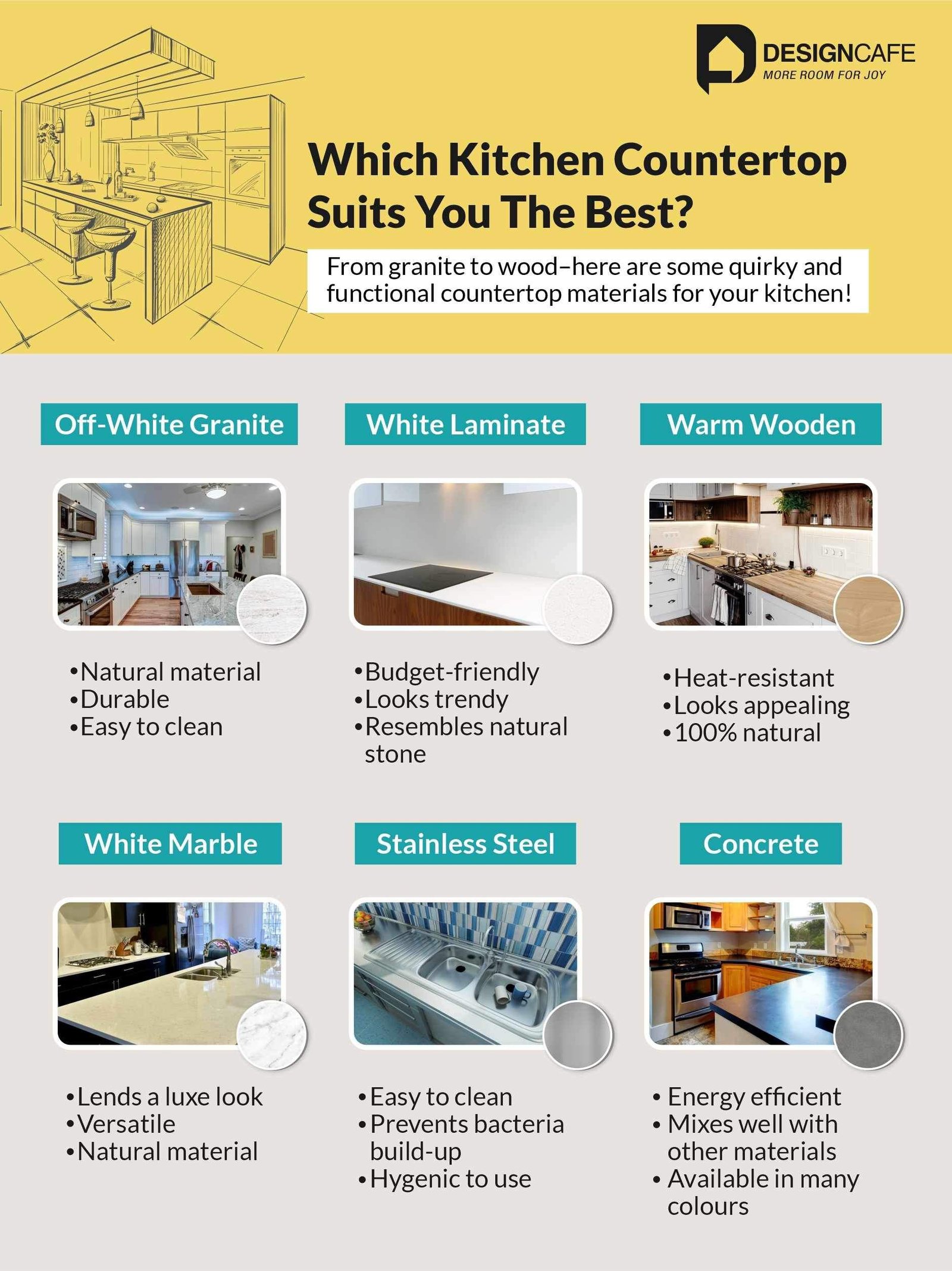
Choosing the right countertop is more than just picking a pretty surface. It’s about finding one that can stand up to daily wear and tear without losing its charm.
You want a countertop that stays strong, looks great, and fits your lifestyle perfectly. But with so many options out there, how do you know which one will last? This guide will help you discover the key factors to consider, so you can make a smart choice that keeps your kitchen beautiful and durable for years to come.
Keep reading to find out how to pick the perfect countertop that works for you.
Material Options
Choosing a countertop means picking a material that fits your kitchen needs. Durability is key for long-lasting use.
Below are common materials with their strengths and weaknesses. This helps you decide what works best for your home.
Granite
Granite is a natural stone that is very hard and heat-resistant. It stands up well to scratches and stains.
This material needs sealing to keep it safe from spills. It offers a unique look because no two slabs are the same.
Quartz
Quartz countertops are man-made from crushed quartz mixed with resin. They are non-porous and resist stains easily.
- Low maintenance and easy to clean
- Very durable and scratch resistant
- Wide range of colors and patterns
- Not heat resistant, so use trivets
Marble
Marble is a classic stone with a smooth texture and elegant look. It can scratch and stain more easily than granite or quartz.
It is best for low-use areas or if you don’t mind extra care to keep it looking good.
Solid Surface
Solid surface materials are made from acrylic or polyester resins. They offer a seamless look and can be repaired if scratched.
They resist stains well but can be damaged by hot pans. These countertops come in many colors and patterns.
Laminate
| Feature | Details |
| Cost | Most affordable option |
| Durability | Resists stains but can scratch easily |
| Heat Resistance | Low, can burn or peel |
| Maintenance | Easy to clean with mild soap |
| Appearance | Wide variety of colors and styles |

Credit: www.motorcitygranite.com
Evaluating Durability
Durability is key when choosing a countertop. It affects how long your countertop will last.
Look at different factors that show how strong and lasting a countertop is.
Scratch Resistance
Scratch resistance tells how well a countertop handles sharp or rough objects. A good countertop should not show scratches easily.
Materials like quartz and granite resist scratches better than softer stones or laminates.
Heat Tolerance
Heat tolerance shows how much heat a countertop can take without damage. High heat can cause burns or cracks.
Stone materials usually handle heat well. Avoid placing hot pans directly on delicate surfaces.
Stain Resistance
Stain resistance means how well the surface avoids marks from spills and liquids. Some materials absorb stains easily.
Non-porous countertops like quartz are easier to clean and keep stain-free.
Impact Resistance
Impact resistance shows how well a countertop can handle drops or knocks. It should not chip or crack from daily use.
Hard stones and solid surfaces tend to absorb impacts better than fragile materials.
Maintenance And Care
Choosing a durable countertop means thinking about how to care for it. Proper maintenance keeps the surface strong and looking good.
Different materials need different care. Knowing these needs helps your countertop last longer and stay beautiful.
Cleaning Routine
Clean your countertop every day to remove dirt and spills. Use mild soap and warm water for most surfaces.
Avoid harsh chemicals and abrasive scrubbers. These can damage the surface and reduce durability.
- Wipe spills quickly to prevent stains
- Use soft cloths or sponges only
- Dry the surface after cleaning
Sealing Requirements
Some countertops need sealing to protect them from stains and moisture. Granite and natural stone often require sealing.
Check if your countertop needs sealing and how often. Follow the manufacturer’s instructions to keep it safe.
- Seal stone countertops once or twice a year
- Clean the surface before sealing
- Use a good-quality sealant for best results
Repair Options
Small chips and scratches happen. Some countertops can be repaired at home with kits or fillers.
For bigger damage, call a professional. Early repair stops problems from getting worse.
- Use repair kits for minor scratches
- Fill chips with matching resin or filler
- Contact experts for cracks or deep damage

Credit: youngstowngranitequartz.com
Cost Considerations
Choosing a countertop means thinking about the cost. Durability is important, but cost should fit your budget.
This guide looks at initial costs and long-term value. It helps you pick a countertop that lasts and saves money.
Initial Investment
The price you pay first includes materials and installation. Different materials vary a lot in price.
- Granite and quartz tend to cost more upfront.
- Laminates are usually less expensive to buy and install.
- Solid surface options fall in the middle range.
- Custom shapes or edges can add to the cost.
Long-term Value
Think about how long the countertop will last and any extra costs. Durable materials can save money over time.
| Material | Durability | Maintenance Cost | Expected Lifespan |
| Granite | High | Low | 20+ years |
| Quartz | High | Low | 15-20 years |
| Laminate | Medium | Medium | 5-10 years |
| Solid Surface | Medium | Medium | 10-15 years |
Aesthetic Preferences
Choosing a countertop is about more than strength. Its look matters a lot. Your countertop should match your style and taste.
Think about colors, textures, and the overall kitchen design. These choices make your kitchen feel complete and inviting.
Color Choices
Countertop colors set the kitchen’s mood. Light colors make space feel bigger and brighter. Dark colors add warmth and drama.
Neutral shades like white, gray, and beige are popular. They go well with many styles and colors in the kitchen.
- Light colors: brighten small kitchens
- Dark colors: create cozy feel
- Neutral tones: easy to match
- Bold colors: add personality
Texture And Finish
Texture changes how a countertop looks and feels. Smooth finishes offer a clean, modern look. Rough or matte finishes give a natural, rustic feel.
Glossy surfaces reflect light and look shiny. Matte surfaces hide fingerprints and scratches better. Choose a finish that fits your use and style.
- Smooth and polished: modern and sleek
- Matte or honed: soft and natural
- Textured: adds depth and interest
- Glossy: bright and reflective
Matching Kitchen Style
Pick a countertop that fits your kitchen style. Traditional kitchens work well with granite or marble. Modern kitchens suit quartz or concrete.
Consider your cabinets and floors. The countertop should blend or contrast nicely to create balance in the room.
- Traditional: classic stones and warm tones
- Modern: sleek, solid colors and clean lines
- Rustic: natural stone and textured finishes
- Minimalist: simple colors and smooth surfaces

Credit: www.tsd.sg
Environmental Impact
Choosing a durable countertop affects the environment. Materials differ in how they impact nature.
Thinking about environmental impact helps you make a better, lasting choice.
Sustainable Materials
Sustainable materials come from sources that do not harm the planet. They use less energy and water to produce.
- Bamboo is fast-growing and renewable.
- Recycled glass uses waste to create new surfaces.
- Concrete can be made with recycled content.
- Wood from certified forests supports forest health.
Recyclability
Recyclability means the material can be reused after its life ends. This reduces landfill waste.
| Material | Recyclable | Notes |
| Granite | No | Hard to recycle due to natural stone |
| Recycled Glass | Yes | Can be melted and reused |
| Bamboo | Yes | Can be composted or recycled |
| Quartz | No | Mixed resins make recycling difficult |
Expert Tips
Choosing a durable countertop is important for a long-lasting kitchen. Durable materials save money and look good for years.
Think about your lifestyle and how you use your countertop. This helps pick the best material for your needs.
Consulting Professionals
Experts like designers and contractors know which countertops last longest. They can suggest materials that fit your home.
Professionals also explain how to care for different surfaces. This helps keep your countertop durable over time.
- Ask about scratch and stain resistance
- Learn about heat tolerance
- Get advice on maintenance needs
- Discuss installation options and costs
Diy Installation
Installing your countertop yourself can save money. It works best if the material is easy to handle and cut.
Simple materials like laminate or butcher block fit DIY projects well. Harder materials need special tools and skills.
- Choose lightweight materials for easy handling
- Check if tools needed are available
- Follow safety rules during cutting and fitting
- Plan the layout before installation
Frequently Asked Questions
What Materials Are Best For Durable Countertops?
Granite, quartz, and solid surface materials offer excellent durability. They resist scratches, heat, and stains better than others. These options maintain their appearance over time and require minimal maintenance, making them ideal for high-use kitchens.
How To Test Countertop Durability Before Buying?
Check scratch resistance by gently scratching a hidden area. Test heat resistance with a hot pan placed briefly on the surface. Research material reviews and warranties to ensure long-term durability and customer satisfaction.
Does Countertop Thickness Affect Durability?
Yes, thicker countertops generally provide more strength and resistance to damage. A thickness of 2-3 cm is standard and offers a good balance between durability and aesthetics. Thicker slabs reduce the risk of cracks and chips.
How Does Countertop Maintenance Impact Durability?
Regular cleaning and sealing extend countertop lifespan significantly. Avoid harsh chemicals and use gentle cleaners to prevent surface damage. Proper maintenance helps retain the countertop’s durability and appearance for years.
Conclusion
Choosing the right countertop means thinking about how you use your kitchen. Durable materials save money and time. Consider scratches, stains, and heat resistance. Choose a surface that fits your lifestyle and budget. A good countertop lasts many years. It should look nice and work well every day.
Take your time to decide carefully. This will make your kitchen better and easier to enjoy. Durable countertops protect your investment and add value to your home. Simple steps lead to smart choices.