
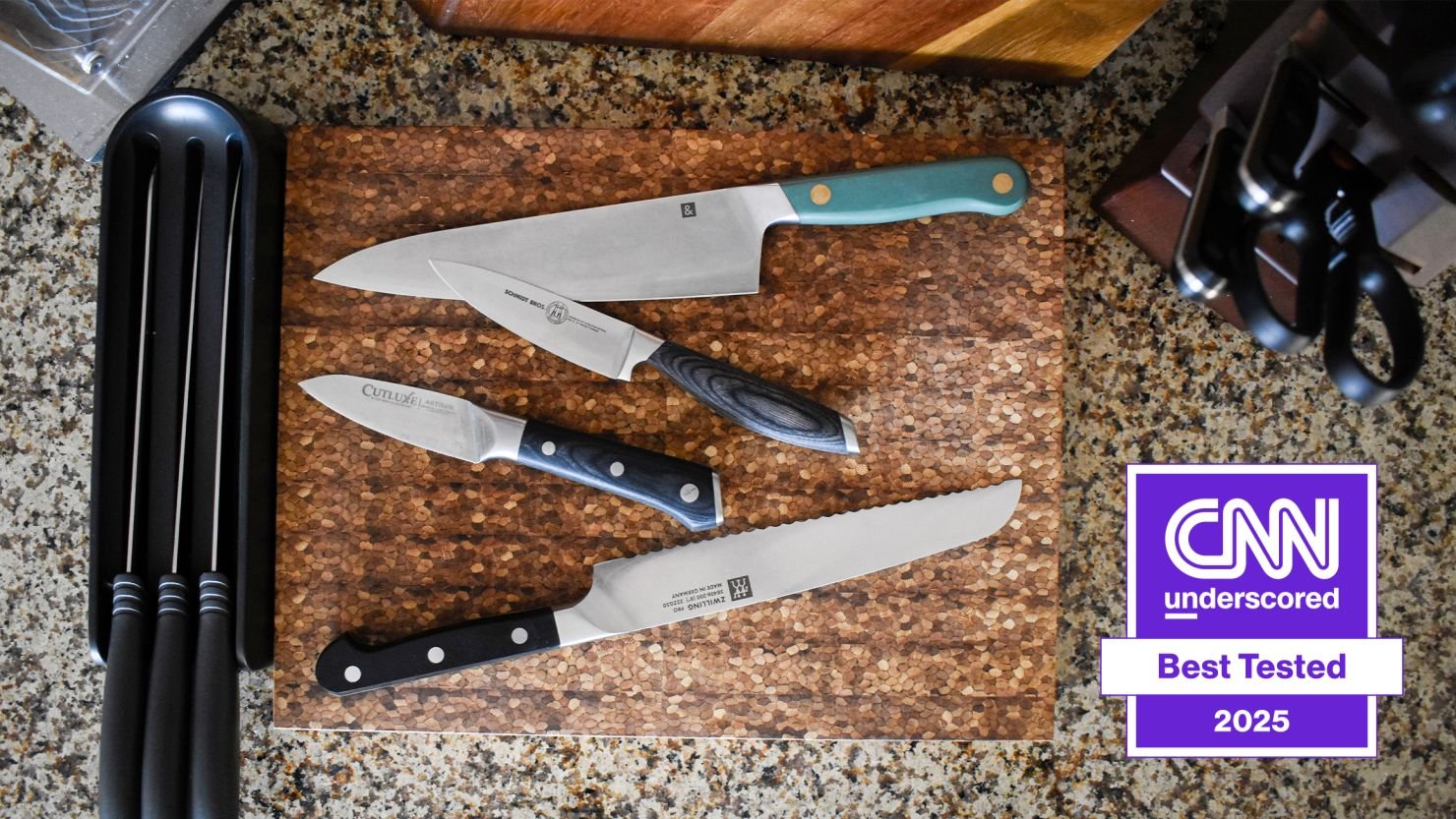
Choosing the right chef knife set can change the way you cook forever. Imagine slicing, dicing, and chopping with ease, feeling confident and in control every time you step into the kitchen.
But with so many options out there, how do you find the perfect set for your needs? This guide will help you cut through the confusion and pick the knives that fit your style, skill level, and budget. Keep reading to discover the secrets that make a knife set truly worth your investment.
Your kitchen—and your meals—will thank you.
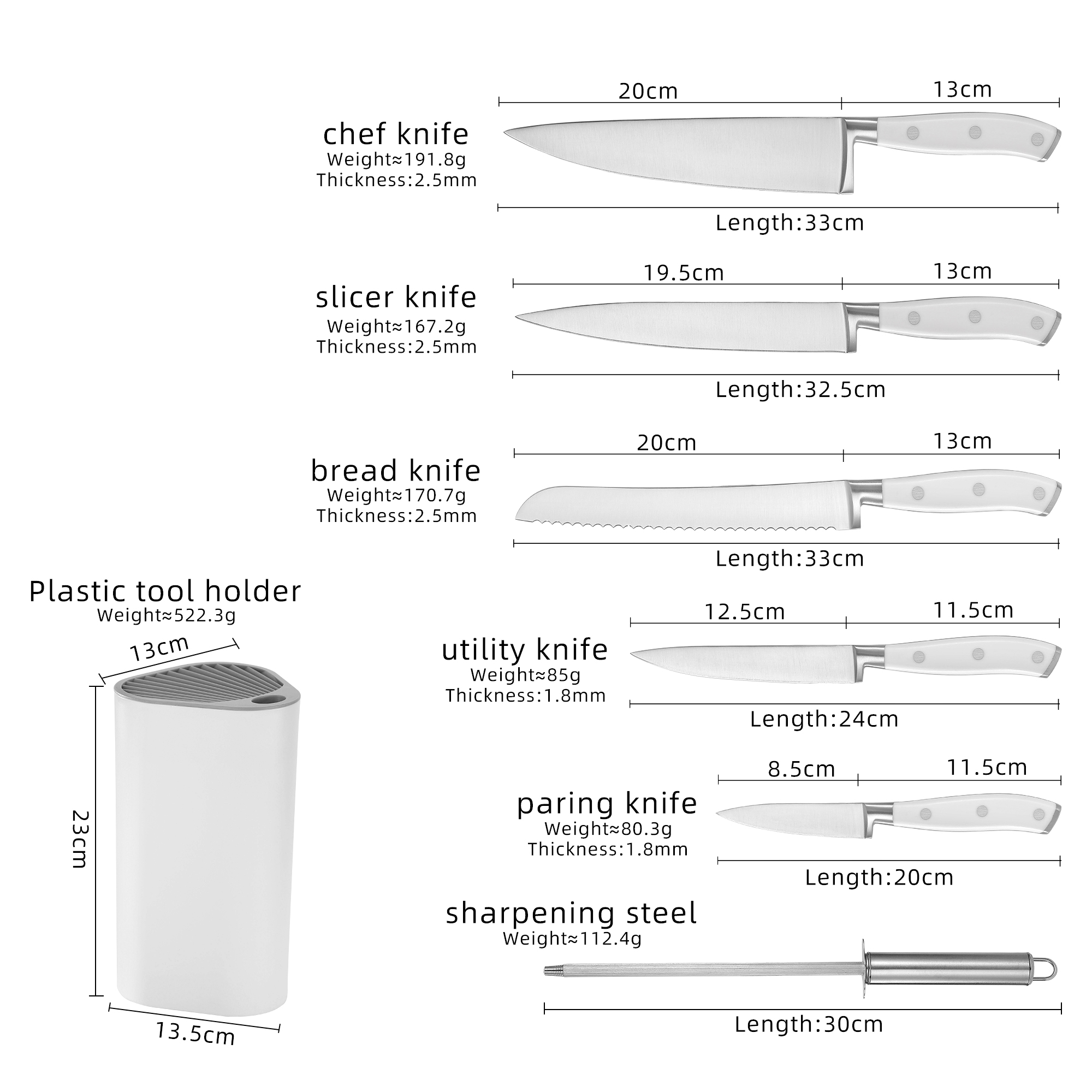
Credit: www.insight-kitchenknife.com
Key Factors In Knife Selection
Choosing the right chef knife set is important for a smooth cooking experience. The right tools make food preparation easier and safer.
This guide highlights key factors to consider before buying a chef knife set.
Blade Material
The blade material affects the knife’s sharpness, durability, and maintenance. Common materials include stainless steel, carbon steel, and ceramic.
Stainless steel is rust-resistant and easy to care for. Carbon steel holds a sharper edge but may need more upkeep. Ceramic blades are very sharp but can chip easily.
- Stainless steel: durable and low maintenance
- Carbon steel: sharp but needs regular care
- Ceramic: sharp and lightweight but fragile
Handle Design
The handle should feel comfortable and secure in your hand. A good grip helps prevent accidents during cutting.
Look for handles made from wood, plastic, or composite materials. Ergonomic shapes fit the hand better and reduce fatigue.
- Wood handles: warm and traditional
- Plastic handles: easy to clean and lightweight
- Composite handles: durable and comfortable
- Ergonomic shapes reduce hand strain
Weight And Balance
The knife’s weight affects how you control it. Heavy knives offer power but can tire your hand quickly. Light knives allow faster cutting.
Balance means the knife feels even between blade and handle. Well-balanced knives reduce effort and improve precision.
- Heavy knives: good for chopping
- Light knives: better for delicate tasks
- Balanced knives improve control
Edge Retention
Edge retention is how long the blade stays sharp. Knives with good edge retention need less sharpening.
Materials like high-carbon steel keep edges longer. Regular sharpening also helps maintain performance.
- High-carbon steel holds sharpness well
- Stainless steel may dull faster
- Sharpen knives regularly for best results
Types Of Chef Knives
Choosing the right chef knife set can make cooking easier and safer. Each knife type serves a special purpose in the kitchen.
Knowing the main types of chef knives helps you pick the best set for your needs.
Chef’s Knife
The chef’s knife is the most common and versatile knife in the kitchen. It usually has a broad blade, about 8 inches long.
Use it for chopping, slicing, and dicing vegetables, meat, and herbs.
- Blade length: 6 to 12 inches
- Blade shape: wide and curved
- Good for many cutting tasks
Paring Knife
A paring knife has a small blade, usually 3 to 4 inches long. It is perfect for detail work.
Use it to peel, trim, and cut small fruits and vegetables.
- Blade length: 3 to 4 inches
- Blade shape: short and pointed
- Best for precise cutting tasks
Serrated Knife
Serrated knives have a saw-like edge. They cut through tough surfaces easily without crushing soft inside parts.
Use them for bread, tomatoes, and other foods with hard skin and soft inside.
- Blade edge: jagged or toothed
- Blade length: 5 to 10 inches
- Ideal for slicing bread and tomatoes
Santoku Knife
The Santoku knife is a Japanese style knife with a shorter, thinner blade than a chef’s knife. It means “three virtues.”
It works well for slicing, dicing, and mincing. The blade often has small indentations to stop food from sticking.
- Blade length: 5 to 7 inches
- Blade shape: flat edge with a rounded tip
- Good for precise and clean cuts
Understanding Knife Sizes
Choosing the right chef knife set means knowing the sizes of knives. Each size serves different kitchen tasks. Understanding these sizes helps you pick knives that fit your needs.
Knives come in short, medium, and long blades. Each type offers unique advantages for cutting, slicing, and chopping. Learn about each size to use them well.
Short Blades
Short blades usually measure 3 to 5 inches. They are easy to control and good for precise work like peeling and trimming. Their small size makes them handy for detailed cutting.
- Great for small fruits and vegetables
- Ideal for delicate tasks
- Easier to handle for beginners
Medium Blades
Medium blades range from 6 to 8 inches. They are the most common size for chef knives. These blades are versatile and work well for slicing, chopping, and dicing most foods.
| Blade Length | Best Use |
|---|---|
| 6 inches | Small to medium vegetables and meats |
| 7 inches | All-purpose kitchen tasks |
| 8 inches | Larger fruits and tougher meats |
Long Blades
Long blades are 9 inches or more. They help cut large items like melons or big cuts of meat. Their length gives more cutting surface and speed but needs more skill to use safely.
Consider this when choosing long blades:
- Use for large or tough foods
- Requires good control and strength
- Not ideal for small or precise cuts

Credit: www.cnn.com
Assessing Your Culinary Needs
Choosing the right chef knife set depends on what you cook most often. Different needs require different knives. Knowing your cooking style helps pick the best set.
Think about how you prepare food daily. This guide breaks down choices for home cooks, professionals, and special cooking tasks.
Home Cooking
Home cooks need versatile knives that handle many tasks. A good set should include a chef’s knife, paring knife, and serrated knife.
- Chef’s knife for chopping vegetables and meat
- Paring knife for peeling and small cuts
- Serrated knife for bread and tomatoes
Look for knives that feel comfortable in your hand. Balance and weight matter for safety and ease.
Professional Use
Professional chefs need durable knives that stay sharp longer. They often require a wider range of knives for varied tasks.
| Knife Type | Main Use | Recommended Material |
| Chef’s Knife | General chopping and slicing | High-carbon stainless steel |
| Boning Knife | Removing bones from meat | Flexible steel blade |
| Utility Knife | Small cuts and trimming | Stainless steel |
| Santoku Knife | Fine slicing and dicing | High-carbon stainless steel |
Professionals also prefer knives with ergonomic handles to reduce fatigue during long shifts.
Specialty Tasks
Some cooking tasks need specialized knives. These include filleting fish, carving poultry, or slicing sashimi.
Common specialty knives include:
- Fillet knife: thin, flexible blade for fish
- Carving knife: long blade for slicing meats
- Sashimi knife: very sharp for raw fish
Consider which specialty knives match your cooking habits before buying a set.
Budget Considerations
Choosing the right chef knife set depends a lot on your budget. It is important to find a balance between what you can spend and the quality you get.
Setting a budget helps you avoid overspending and makes shopping easier. Think about how often you will use the knives and what features matter most.
Cost Vs. Quality
Cheap knife sets may seem appealing, but they often use low-quality materials. This can lead to dull blades and handles that break quickly.
Higher quality knives usually cost more but last longer and perform better. Good steel, sharp edges, and sturdy handles are signs of quality.
Value For Money
Look for knife sets that offer the best mix of price and features. Sometimes mid-range sets give you excellent performance without a high price.
Consider what knives you really need. Buying only the essential knives saves money and avoids clutter in your kitchen.
- Check the blade material and hardness
- Look for comfortable and durable handles
- Read reviews to see how others rate the set
Long-term Investment
Investing in a good knife set can save money over time. High-quality knives stay sharp longer and need fewer replacements.
Proper care like regular sharpening and cleaning helps knives last many years. Think of your knife set as a tool you will use daily.
- Good knives maintain sharpness better
- Durable materials resist rust and damage
- Comfortable knives reduce hand fatigue

Credit: www.cnn.com
Maintenance And Care
Choosing a good chef knife set is only the first step. Proper care keeps your knives sharp and safe to use. You can extend the life of your knives with simple maintenance.
Understanding how to sharpen, store, and clean your knives helps them perform well every day.
Sharpening Techniques
Sharp knives make cutting easier and safer. Use the right tools to sharpen your knives regularly. A dull knife can slip and cause injuries.
Use a whetstone or a sharpening steel to keep the blade sharp. Hold the knife at a 15 to 20-degree angle while sharpening.
- Start with a coarse grit stone for very dull blades
- Use a fine grit stone for regular sharpening
- Maintain consistent angles during sharpening
- Finish by honing the blade with a sharpening steel
Proper Storage
Store your knives carefully to protect their edges. Avoid tossing them in a drawer where they can get damaged. Proper storage also prevents accidents.
Use a knife block, magnetic strip, or blade guards to keep knives safe. Keep knives dry before storing to avoid rust.
- Knife blocks keep blades separated and protected
- Magnetic strips save counter space and display knives
- Blade guards protect edges during storage or travel
- Always dry knives before putting them away
Cleaning Tips
Clean your knives after each use to keep them safe and lasting longer. Avoid harsh detergents or soaking knives for a long time.
Hand wash knives with warm water and mild soap. Dry knives immediately with a soft cloth to prevent water spots and rust.
- Do not put knives in the dishwasher
- Use a soft sponge to avoid scratching blades
- Dry knives fully before storage
- Clean knives right after use to stop food buildup
Popular Brands And Recommendations
Choosing the right chef knife set matters for both beginners and experts. Quality brands offer different features to fit your cooking style.
This guide covers options from high-end to budget-friendly sets. It helps you find trusted brands that suit your needs.
High-end Options
High-end chef knife sets offer top materials and craftsmanship. They last long and stay sharp with proper care.
- Shun: Known for sharp edges and beautiful design.
- Wüsthof: German steel with excellent balance and durability.
- Miyabi: Combines Japanese tradition with modern tech.
Mid-range Choices
Mid-range sets give good quality without high prices. They fit home cooks who want reliable knives.
| Brand | Material | Price Range |
|---|---|---|
| Victorinox | Stainless Steel | $$ |
| Zwilling J.A. Henckels | German Steel | $$ |
| Global | Stainless Steel | $$ |
Budget-friendly Picks
Budget sets work well for new cooks or casual use. They offer decent quality at low cost.
- Mercer Culinary: Affordable and sharp for beginners.
- J.A. Henckels International: Good value with strong steel.
- Utopia Kitchen: Basic sets with solid performance.
Frequently Asked Questions
What Size Chef Knife Set Is Best For Beginners?
A 3 to 5-piece set is ideal for beginners. It includes essential knives without overwhelming choices. This size offers versatility and ease of handling, perfect for learning basic cutting skills.
How To Choose The Right Blade Material For Knives?
Look for stainless steel or high-carbon steel blades. Stainless steel resists rust and is low-maintenance. High-carbon steel holds sharpness longer but requires more care. Choose based on your cooking habits and maintenance preference.
Why Is Handle Comfort Important In A Knife Set?
Comfortable handles reduce hand fatigue during use. They provide better grip and control for safer cutting. Ergonomic designs improve precision and ease, especially during long cooking sessions.
How Many Knives Should A Quality Chef Knife Set Include?
A quality set usually contains 5 to 8 knives. It covers various tasks like chopping, slicing, and peeling. Essential knives include chef, paring, bread, utility, and carving knives.
Conclusion
Choosing the right chef knife set makes cooking easier and more fun. Focus on comfort, blade quality, and the types of knives included. A good set fits your cooking style and budget. Take your time to compare options and read reviews.
Remember, a sharp, well-balanced knife helps you cut safely and quickly. A thoughtful choice leads to better meals and less hassle in the kitchen. Keep these tips in mind for your next knife purchase. Enjoy cooking with tools that feel just right.