
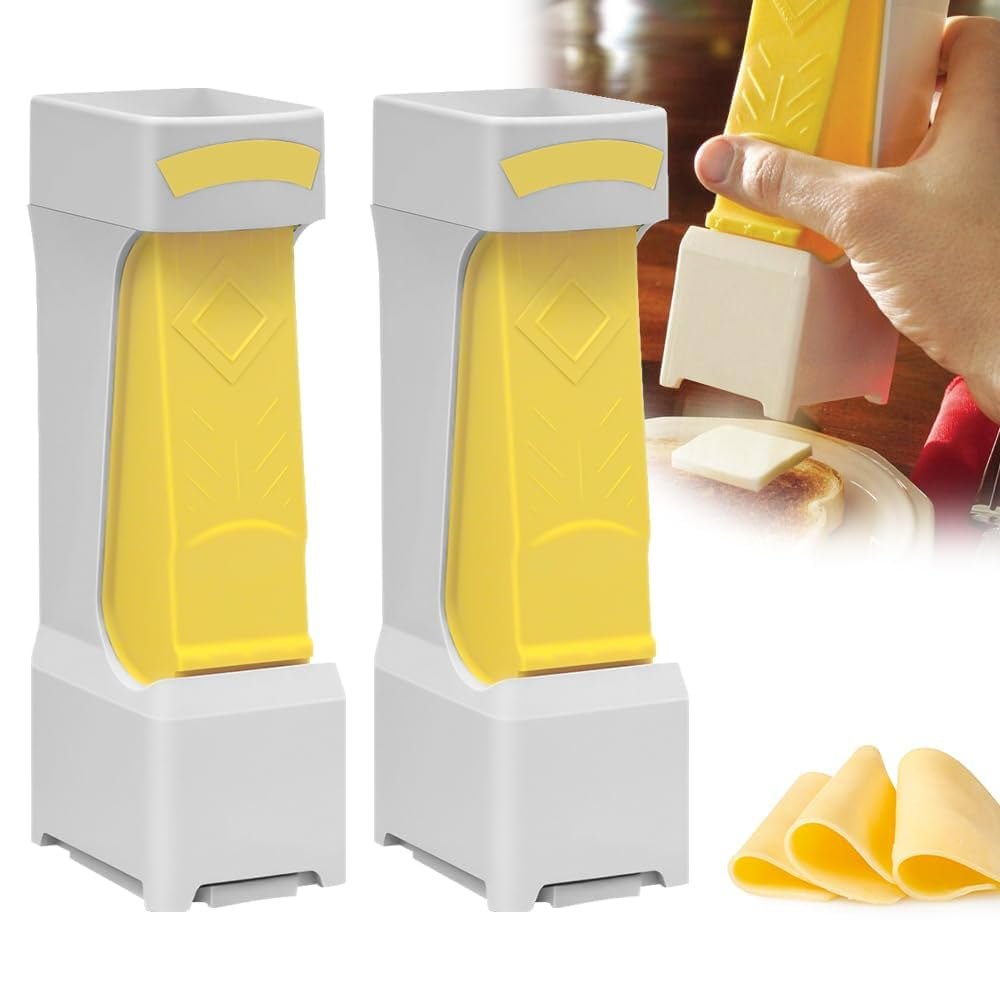
Are you tired of struggling with messy, uneven slices of butter? Choosing the right butter cutter can make your kitchen tasks smoother and more enjoyable.
But with so many options out there, how do you find the one that fits your needs perfectly? You’ll discover simple tips that help you pick the best butter cutter for your home. By the end, you’ll know exactly what to look for to make your cooking and baking easier every day.
Keep reading to find the butter cutter that’s just right for you!

Credit: www.amazon.com
Types Of Butter Cutters
Butter cutters help you slice butter into even pieces. They make serving butter easier and neater.
There are different types of butter cutters. Each type works in its own way to cut butter.
Traditional Butter Knives
Traditional butter knives are simple tools. They have a dull edge to spread butter smoothly.
You cut butter by hand with these knives. They work well for soft butter or spreading.
- Easy to find and use
- No special skill needed
- Good for spreading as well as cutting
Wire Butter Slicers
Wire butter slicers use a thin wire to cut butter. The wire slices cleanly through cold butter.
They create even slices with little effort. This type is good for serving butter at the table.
- Cut uniform slices quickly
- Easy to clean
- Works best with firm butter
Butter Cutter Machines
Butter cutter machines are electric or manual devices. They cut butter into precise shapes and sizes.
These machines are useful in large kitchens or restaurants. They save time and keep butter portions consistent.
- Fast and efficient cutting
- Adjustable slice thickness
- Ideal for high-volume use
Innovative Designs
Innovative butter cutters have new shapes or materials. They may combine cutting and spreading in one tool.
Some designs include adjustable wires or cooling features. They make butter cutting easier and cleaner.
- Multi-use tools for kitchen convenience
- Unique shapes for stylish serving
- Often made with stainless steel or silicone

Credit: www.walmart.com
Material Considerations
Choosing the right material for a butter cutter matters. It affects how well the cutter works and how long it lasts.
Some materials are strong, while others feel nice in your hand. Think about what fits your kitchen needs best.
Stainless Steel Options
Stainless steel is a popular choice for butter cutters. It is strong and does not rust easily.
Cutters made from stainless steel last a long time and are easy to clean. They can handle hard butter well.
- Durable and rust-resistant
- Easy to clean after use
- Sharp edges for smooth cutting
- Often heavier than other materials
Plastic Alternatives
Plastic butter cutters are lightweight and affordable. They often come in bright colors.
These cutters may not be as sharp or durable as metal ones. They work best with soft butter.
- Light and easy to handle
- Usually cheaper than metal
- May wear out faster
- Good for soft butter only
Wooden Handles And Styles
Wooden handles add a classic look to butter cutters. They feel warm and comfortable in the hand.
Wood may need more care to avoid damage. It pairs well with stainless steel blades for strength.
- Comfortable grip and natural feel
- Needs gentle cleaning and drying
- Often combined with metal parts
- Offers a traditional style
Size And Portability
Choosing the right butter cutter depends on size and portability. These factors affect how easy it is to store and use the cutter.
Think about where you will keep the cutter and how often you will move it. This helps pick the best size for your needs.
Compact Designs For Small Kitchens
Compact butter cutters fit well in small kitchens. They take up little space in drawers or cabinets.
These cutters are easy to carry and store. You can quickly move them around while cooking.
- Small footprint saves counter space
- Lightweight for easy handling
- Fits well in tight storage areas
- Simple design for quick use
Large Models For Bulk Use
Large butter cutters suit bulk use in busy kitchens. They can handle bigger blocks of butter at once.
These models are less portable but offer more cutting power. They work well for commercial or large family kitchens.
- Handles large butter blocks easily
- Sturdy build for frequent use
- Less easy to move or store
- Ideal for restaurants or big families
Ease Of Use
Choosing a butter cutter that is easy to use makes your kitchen tasks faster. A simple design helps you cut butter without trouble.
Look for features that save effort and reduce mess. This will make your cooking more enjoyable.
Ergonomic Handles
Ergonomic handles fit comfortably in your hand. They reduce strain and make cutting easier.
Handles with soft grips or curved shapes help you hold the cutter firmly. This prevents slips and accidents.
- Look for non-slip materials like rubber
- Choose handles that match your hand size
- Curved handles provide better control
User-friendly Mechanisms
Simple cutting mechanisms save time and effort. Avoid complicated designs that are hard to clean.
Butter cutters with easy-release parts help you remove butter quickly. Some have built-in knives or wires for smooth cuts.
- Choose cutters with one-handed operation
- Look for easy-to-clean parts
- Check if the cutter slices evenly
Safety Features
Choosing a butter cutter with good safety features is important. It helps prevent accidents while you cut.
Look for tools that protect your hands and keep the blade secure. This makes cutting butter easier and safer.
Non-slip Grips
Non-slip grips stop the cutter from slipping in your hand. This reduces the chance of cuts or injuries.
Grips made from rubber or textured plastic give you better control. They work well even if your hands are wet.
- Provide firm hold on the cutter
- Prevent slipping during use
- Make cutting safer and easier
- Reduce hand fatigue
Safe Blade Designs
Safe blade designs protect your fingers while cutting butter. Look for blades with covers or guards.
Blades that are not too sharp still cut butter well. Rounded edges or retractable blades can also add safety.
- Blades with protective covers
- Rounded or blunt edges
- Retractable blade options
- Secure blade attachments
Cleaning And Maintenance
Keeping your butter cutter clean helps it last longer. It also keeps your butter fresh and safe to eat.
Regular cleaning and proper care stop germs and grease from building up on your cutter.
Dishwasher Safe Options
Some butter cutters are safe to put in the dishwasher. This makes cleaning easy and fast.
Look for cutters labeled dishwasher safe to avoid damage. These usually handle heat and water well.
- Place the cutter on the top rack for best results
- Use a mild dishwasher detergent to protect materials
- Check for any removable parts before washing
- Dry completely before storing to prevent rust or mold
Manual Cleaning Tips
Cleaning your butter cutter by hand helps keep it in good shape. Use soft tools to avoid scratches.
Follow these tips for manual cleaning:
- Rinse cutter with warm water right after use
- Use mild dish soap and a soft sponge or cloth
- Avoid abrasive scrubbers that can damage the surface
- Clean small parts with a soft brush or toothpick
- Dry thoroughly with a towel to stop rust or water spots
Cost And Budgeting
Choosing a butter cutter depends on your budget. You want a tool that fits your price range and needs.
Understanding cost helps you pick the best cutter without overspending.
Affordable Choices
Affordable butter cutters offer good value for daily use. They often use simple materials like plastic or basic metal.
These cutters work well for small kitchens or occasional use. They are easy to find in stores or online.
- Plastic cutters are light and cheap
- Basic metal cutters last longer
- Simple designs are easy to clean
Premium Models
Premium butter cutters use high-quality materials like stainless steel. They have sturdy designs and extra features.
These models are good for frequent use or professional kitchens. They may cost more but offer durability and style.
- Stainless steel resists rust and stains
- Ergonomic handles reduce hand strain
- Built-in measuring guides improve accuracy
Customer Reviews And Feedback
Choosing the right butter cutter can be tricky. Reading customer reviews helps you find the best choice.
Feedback shows how products work in real life. It reveals what people like and dislike.
Top-rated Products
Top-rated butter cutters often have easy-to-use designs. Customers say they cut butter smoothly and evenly.
Many users appreciate cutters that are easy to clean. Durable materials also get positive feedback.
- Comfortable handles for a good grip
- Sharp blades that cut without crumbling
- Simple parts that are dishwasher safe
- Compact size for easy storage
Common Complaints
Some customers say butter cutters can be hard to clean if parts are stuck together. This can cause frustration.
Others mention that cheap materials break easily. The cutter may bend or lose sharpness fast.
- Blades getting dull quickly
- Butter sticking to the cutter
- Handles feeling slippery or weak
- Parts hard to take apart and wash

Credit: www.amazon.com
Frequently Asked Questions
What Features Make A Butter Cutter Easy To Use?
Look for ergonomic handles, sharp blades, and comfortable grips. These features ensure smooth slicing and reduce effort. Non-slip bases add stability for safer cutting.
How To Choose The Right Size Butter Cutter?
Select a cutter matching your typical butter block size. Standard sizes fit common butter sticks, while adjustable models handle various shapes. Choose based on your kitchen needs.
Can A Butter Cutter Improve Portion Control?
Yes, a butter cutter allows precise, uniform slices. This helps control servings and reduces waste. It’s ideal for recipes and maintaining a healthy diet.
What Materials Are Best For Durable Butter Cutters?
Stainless steel blades resist rust and maintain sharpness. Handles made of plastic, wood, or metal offer durability and comfort. Choose materials that balance longevity and ease of cleaning.
Conclusion
Choosing the right butter cutter makes daily tasks easier. Think about size, material, and ease of cleaning. A good cutter saves time and reduces mess. It fits your kitchen style and needs. Simple tools often bring the best results. Take your time and pick one you enjoy using.
Small details matter for smooth, perfect butter slices. Your cooking and baking will feel more pleasant. A thoughtful choice helps you work smarter, not harder.