
Do you love pies but struggle with getting them soft and tender every time? You’re not alone.
Baking the perfect soft pie crust can feel tricky, but once you know the simple secrets, it becomes easy and even enjoyable. Imagine biting into a pie that melts in your mouth, with a crust so soft it feels like a dream.
You’ll discover the key tips and tricks that will transform your baking and help you create pies that everyone will rave about. Ready to unlock the secret to soft, delicious pies? Keep reading—you’re just moments away from pie perfection.

Credit: www.tasteofhome.com
Choosing The Right Ingredients
Making soft pies starts with picking the right ingredients. Each choice changes the texture and taste.
Use fresh and good-quality items for the best results. The right ingredients make baking easier and better.
Flour Selection
Choose flour carefully to get soft pie crusts. All-purpose flour works well for most pies.
Pastry flour has less protein and makes dough softer. It is good for tender crusts.
- All-purpose flour: balanced and easy to find
- Pastry flour: lower protein, softer crust
- Bread flour: too much protein, tougher crust
Butter Vs. Shortening
Butter adds rich flavor and makes crust flaky. It contains water, which can make dough less soft.
Shortening creates soft and tender crusts. It has no water and helps keep crust soft longer.
- Butter: tasty, flaky, slightly firmer crust
- Shortening: soft, tender, less flavor
- Mixing both: good balance of flavor and softness
Importance Of Cold Water
Cold water keeps the dough cool and prevents gluten from forming too much. This helps keep crust soft.
Add water slowly and mix just until dough holds together. Overworking makes pie crust tough and dry.
- Use ice-cold water for best results
- Add water little by little
- Mix dough gently and quickly

Credit: www.tasteofhome.com
Mastering Dough Preparation
Baking soft pies starts with the right dough preparation. The way you mix, rest, and roll the dough affects its texture.
Learn simple techniques to handle dough gently and keep it soft for the perfect pie crust.
Mixing Techniques
Mix the dough just until the ingredients combine. Overmixing can make the dough tough.
- Use cold butter or shortening to keep the dough flaky.
- Combine dry and wet ingredients slowly to avoid overworking.
- Mix by hand or use a pastry cutter for better control.
- Add cold water a little at a time until dough holds together.
- Stop mixing as soon as the dough forms a ball.
Resting The Dough
Resting lets gluten relax and moisture spread evenly. This step helps keep pies soft and tender.
| Rest Time | Effect on Dough |
| 30 minutes | Gluten relaxes, easier to roll |
| 1 hour | Dough firms, less sticky |
| Over 2 hours | Dough can dry out, cover well |
Rolling Out Tips
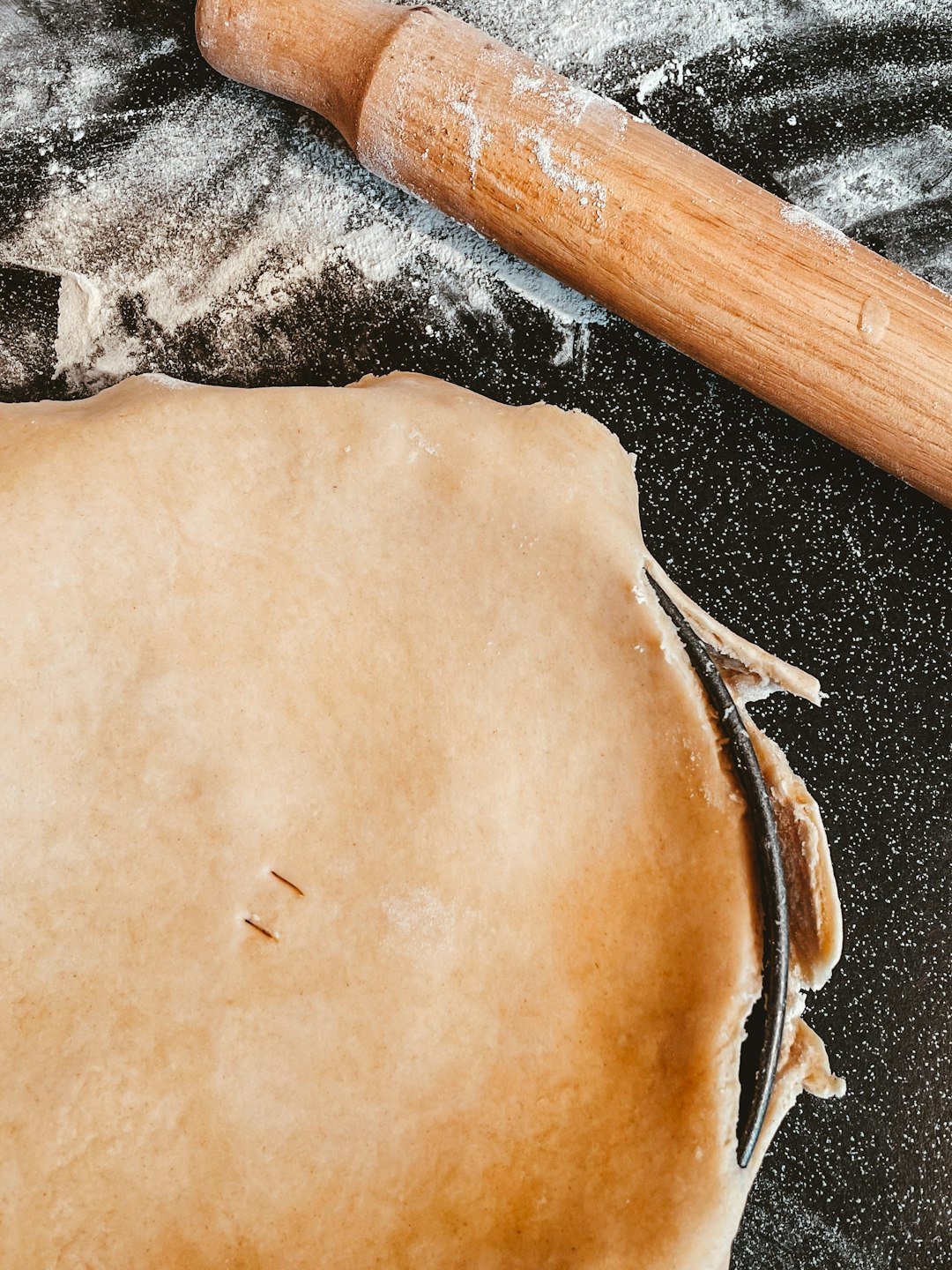
Roll dough gently to keep it soft and flaky. Avoid pressing too hard or rolling it unevenly.
- Chill dough slightly before rolling to prevent sticking.
- Use a floured surface and rolling pin to avoid tears.
- Roll from the center outward in all directions.
- Turn dough often to keep thickness even.
- If dough becomes warm, chill before continuing.
Perfecting The Baking Process
Baking pies soft requires careful attention to the baking process. Each step affects the crust and filling texture.
Follow these tips to keep your pies tender and delicious every time.
Preheating The Oven
Always preheat your oven before baking pies. This helps the crust cook evenly and stay soft.
Set the oven to the recommended temperature and wait until it reaches that heat fully.
- Preheat for at least 15 minutes
- Use an oven thermometer for accuracy
- A hot oven ensures even cooking
Blind Baking Basics
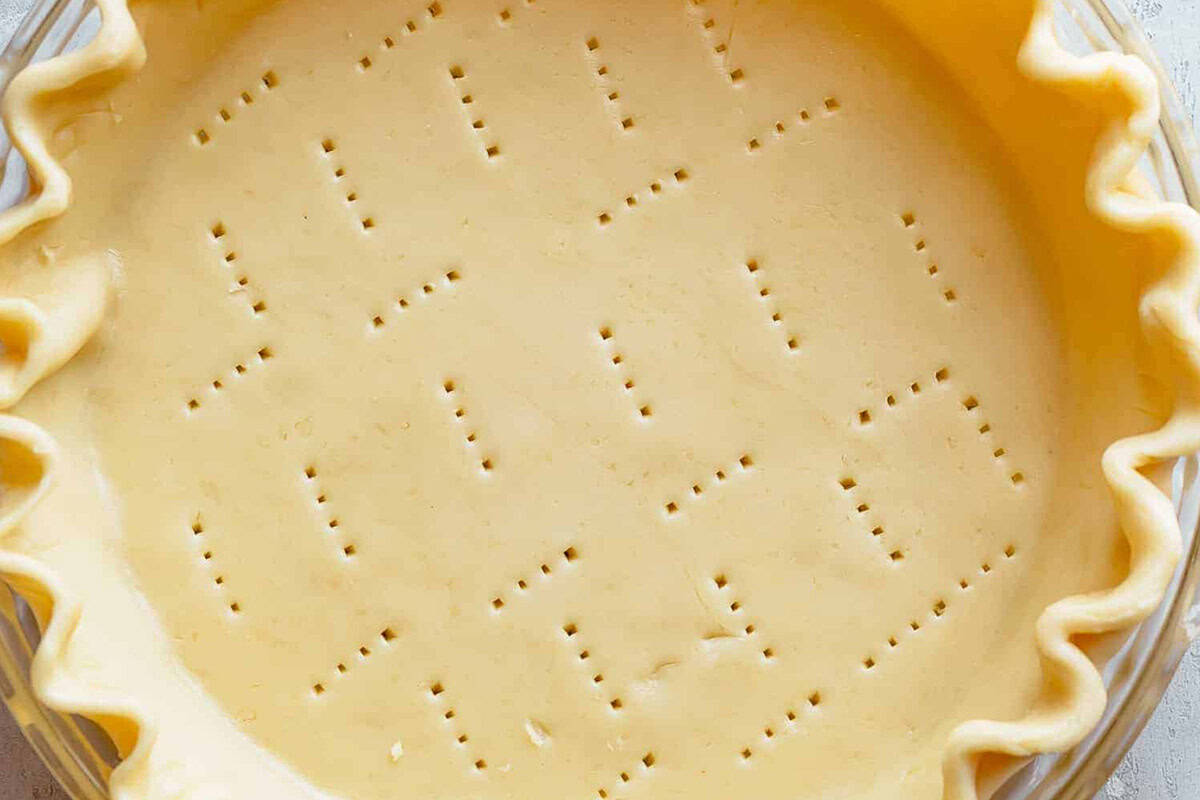
Blind baking means baking the pie crust before adding the filling. This keeps the crust soft, not soggy.
Use pie weights or dried beans to hold the crust shape while baking.
- Line crust with parchment paper
- Add weights to prevent bubbles
- Bake until edges are light golden
Temperature Control
Baking at the right temperature keeps pies soft and moist. Too high heat can dry out the crust.
Lower temperatures help the filling cook without hardening the crust.
- Start at a higher temperature for crust
- Reduce heat to finish baking
- Follow recipe temperature closely
Credit: cafedelites.com
Secrets To Tender Crusts
Baking a soft pie crust can be tricky. The right steps help keep it tender and flaky.
This guide shares simple ways to avoid tough crusts and make soft, delicious pies.
Avoiding Overhandling
Too much mixing or kneading warms the dough. This melts the fat and makes the crust tough.
Handle the dough gently and quickly. Stop as soon as it holds together.
- Use cold ingredients to keep fat solid
- Mix flour and fat just until combined
- Chill dough before rolling it out
Using Pie Weights
Pie weights stop the crust from puffing up or shrinking while baking.
They help the crust bake evenly and stay flat for a soft texture.
- Line crust with parchment paper
- Fill with ceramic or metal pie weights
- Bake until edges are lightly golden
Timing And Moisture
Watch baking times closely. Overbaking dries out the crust and makes it hard.
Keep some moisture in the dough by using the right amount of water. Too little makes it crumbly.
- Use ice water to keep dough cool
- Check crust during baking to avoid overbaking
- Cover edges with foil if browning too fast
Troubleshooting Common Issues
Baking soft pies can be tricky. Small mistakes can cause problems like soggy crusts, shrinking, or uneven browning.
This guide helps you fix these common issues. Use these tips to improve your pie baking results.
Preventing Soggy Bottoms
A soggy bottom crust spoils the pie’s texture. It happens when the filling makes the crust too wet or if the crust is undercooked.
- Use a metal or glass pie dish for better heat conduction.
- Blind bake the crust before adding filling to keep it firm.
- Brush the crust with egg wash or melted butter to create a barrier.
- Cook the pie on a lower oven rack to crisp the bottom crust.
- Drain excess liquid from the filling before adding it to the crust.
Dealing With Shrinkage
Pie crust shrinkage causes the edges to pull away from the pan. It makes the pie look uneven and may cause filling leaks.
Here are tips to stop shrinkage:
- Chill the dough well before rolling it out.
- Roll the dough gently and avoid stretching it.
- Fit the dough loosely into the pan without pulling.
- Chill the crust again before baking to relax gluten.
- Use pie weights when blind baking to keep the shape.
Achieving Even Browning
Even browning gives pies a beautiful, tasty crust. Uneven color means some parts bake too fast or too slow.
| Cause | Solution |
|---|---|
| Hot spots in oven | Rotate pie halfway through baking |
| Too high oven temperature | Lower temperature to bake longer and evenly |
| Thin edges brown faster | Cover edges with foil strips during baking |
| Uneven dough thickness | Roll dough evenly for consistent baking |
Enhancing Flavor And Texture
Baking soft pies requires attention to both flavor and texture. Soft pies feel smooth and taste rich, making them enjoyable to eat.
Simple changes in ingredients and techniques can improve the pie’s softness and taste. This guide covers spices, fruit fillings, and finishing touches.
Incorporating Spices
Spices add warmth and depth to your pie’s flavor. Use gentle spices like cinnamon, nutmeg, or cloves to keep the taste soft and inviting.
Mix spices into the filling before baking. This helps spread the flavor evenly and enhances the overall softness of the pie.
- Cinnamon adds sweet warmth
- Nutmeg gives a mild, nutty flavor
- Cloves provide a hint of spice without being sharp
Adding Fruit Fillings
Fresh or cooked fruits make pies soft and juicy. Use fruits like apples, berries, or peaches for a tender texture.
Cook fruit fillings gently to keep them moist. Avoid overcooking to stop the filling from becoming dry or tough.
- Choose ripe fruits for natural sweetness
- Add a little sugar to enhance flavors
- Use lemon juice to balance sweetness
- Cook fruit slowly to keep softness
Glaze And Finish Techniques
Glazes improve pie texture and add shine. A soft glaze helps keep the crust tender and adds flavor.
Brush the pie crust with egg wash or a sugar syrup before baking. This seals moisture inside and creates a soft finish.
- Egg wash gives a golden, soft crust
- Sugar syrup adds sweetness and moisture
- Brush glaze after baking for extra shine
Frequently Asked Questions
How Do I Keep Pie Crust Soft After Baking?
To keep pie crust soft, avoid overbaking and use a higher fat content in the dough. Adding a bit of vinegar or lemon juice helps tenderize the crust. Cover edges with foil if browning too fast, and store pies properly to maintain softness.
What Ingredients Make Pie Crust Soft And Flaky?
Use cold butter or shortening, plus a small amount of sugar and vinegar. These ingredients create steam and tenderize the dough, resulting in a soft, flaky crust. Avoid overworking the dough to maintain softness and texture.
Can I Bake Pies Softer With Different Oven Settings?
Yes, bake pies at a moderate temperature (around 350°F). Lower heat prevents the crust from hardening too quickly. Use a baking stone or place a pan of water in the oven to add moisture and keep the crust soft.
How Does Resting Dough Improve Pie Softness?
Resting dough allows gluten to relax, reducing toughness. Chill the dough for at least 30 minutes before rolling. This step prevents shrinkage and helps maintain a soft, tender crust during baking.
Conclusion
Baking soft pies takes simple steps and patience. Use the right ingredients and measure them well. Keep the oven temperature steady and check the pie often. Let the pie cool properly before cutting. Soft pies taste better and feel fresh longer.
Practice these tips to enjoy delicious, soft pies every time. Baking soft pies can be easy and fun. Try these ideas today and see the difference.