

Baking the perfect pie at home can sometimes feel like a mystery. You want that golden crust and juicy filling, but often end up with uneven baking—overcooked edges and a soggy center.
What if you could fix this with a few simple tricks? You’ll discover easy ways to bake pies evenly every time. Imagine serving a pie that looks as good as it tastes, impressing your family or friends without the stress.
Keep reading, and you’ll learn the secrets to baking pies that are deliciously perfect from edge to edge.
Choosing The Right Ingredients
Baking a pie evenly starts with picking the best ingredients. Good choices affect the crust and filling texture.
Using quality ingredients helps the pie cook well and taste great. Let’s look at key items for even baking.
Selecting Quality Flour
Flour type matters for pie dough. Choose a flour that gives a tender, flaky crust.
- All-purpose flour is good for most pies.
- Use cake flour for a lighter crust.
- Pastry flour makes the dough tender but strong.
- Avoid bread flour; it is too tough for pies.
Importance Of Cold Butter
Butter’s temperature affects the crust texture. Cold butter creates flaky layers that bake evenly.
| Butter Condition | Effect on Crust |
| Cold and solid | Flaky, tender crust |
| Room temperature | Soft, less flaky crust |
| Melted | Dense, tough crust |
Using Fresh Fruits
Fresh fruits make the filling juicy and flavorful. Avoid canned or frozen fruits with added sugar.
- Pick ripe but firm fruits to avoid mushy filling.
- Wash fruits well before use.
- Cut fruits into uniform pieces for even cooking.
- Use fruits in season for best taste.
Mastering Dough Preparation
Baking pies evenly starts with how you prepare the dough. A good dough makes a flaky and tasty crust. This guide explains key steps for the best dough.
Focus on mixing, chilling, and rolling the dough. These steps help the crust bake evenly and look great.
Mixing Techniques For Flakiness
Mix ingredients gently to keep the dough flaky. Use cold butter or shortening cut into small pieces. Blend just until the dough holds together.
- Use a pastry cutter or fingers to mix fat into flour.
- Keep pieces of fat visible for flakiness.
- Add cold water gradually to bind the dough.
- Avoid overmixing to keep dough tender.
Chilling The Dough
Chill the dough to relax gluten and keep fat cold. This prevents shrinking and tough crusts.
| Chilling Time | Effect |
| 30 minutes | Fat firms up, dough easier to handle |
| 1 hour | Dough relaxes, less shrinking during baking |
| Over 2 hours | Best texture, but do not freeze |
Rolling Out Evenly
Roll dough evenly for uniform thickness. This helps the pie bake at the same rate all around.
Use these tips for rolling dough evenly:
- Lightly flour the surface and rolling pin.
- Roll from the center outward in all directions.
- Turn dough a quarter turn after each roll.
- Keep dough about 1/8 inch thick for most pies.
- Check thickness with a ruler or by eye.
Pre-baking Essentials
Baking pies evenly needs good preparation before putting them in the oven. The right steps help avoid soggy or burnt crusts.
Using simple tools and techniques can make a big difference. These tips focus on preparing your pie crust well.
Using Parchment Paper
Parchment paper stops the crust from sticking to the pan. It also protects the dough from direct heat.
Place a sheet of parchment paper inside your pie pan before adding the dough. This layer helps the heat spread evenly.
Adding Pie Weights
Pie weights keep the dough flat during baking. They stop the crust from bubbling or shrinking.
Fill the lined crust with pie weights or dried beans. This adds weight and holds the dough in place.
- Line crust with parchment paper
- Fill with pie weights or dry beans
- Bake until edges are golden
- Remove weights before adding filling
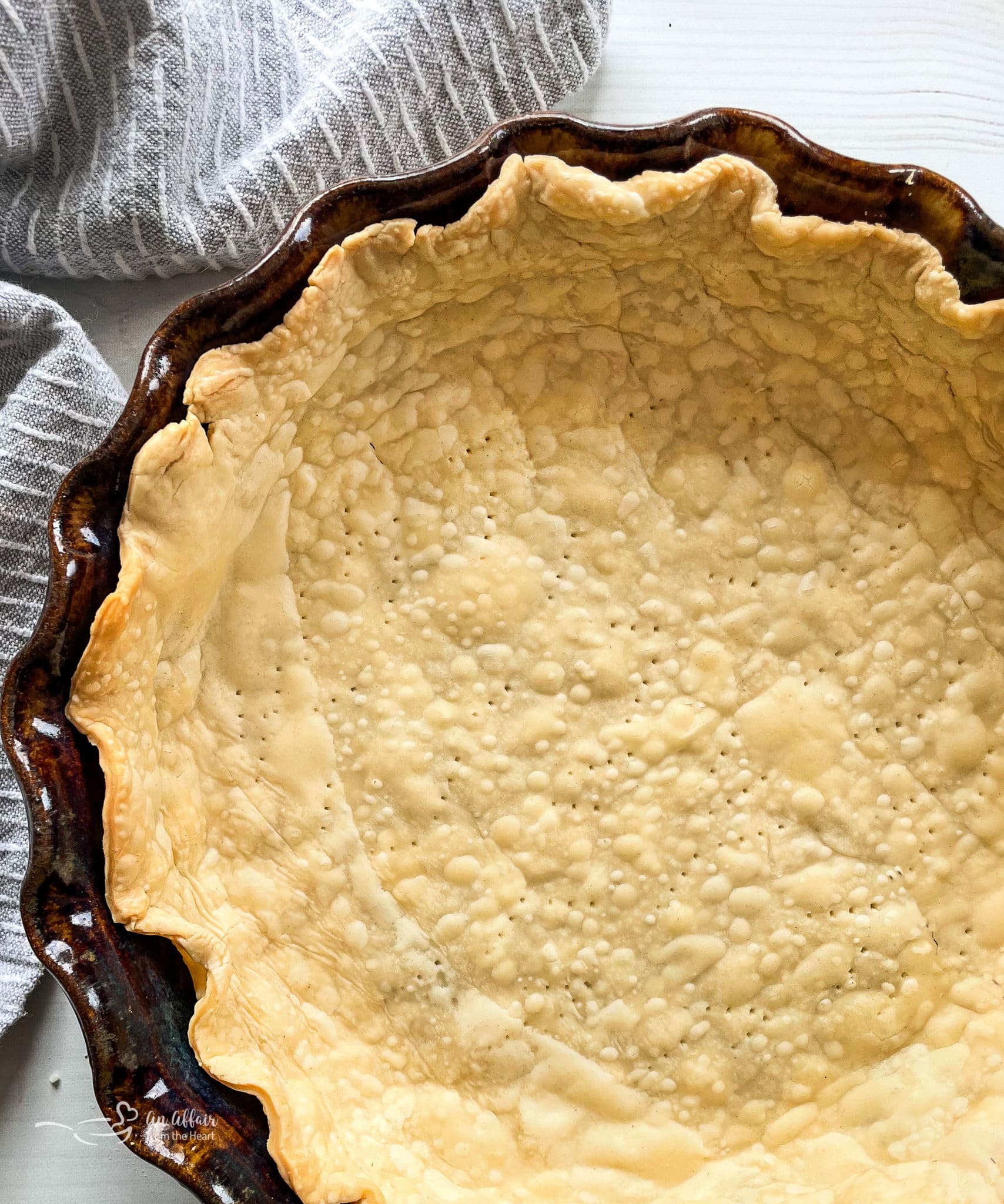
Pricking The Dough
Pricking the dough lets steam escape during baking. This stops bubbles from forming under the crust.
Use a fork to gently poke holes all over the bottom of the dough. Do this before adding weights or baking.
Credit: anaffairfromtheheart.com
Achieving Even Baking
Baking pies evenly can be tricky at home. Uneven heat causes some parts to cook faster.
Knowing how to control your oven and use tools can help. This guide shares three key tips.
Setting The Right Oven Temperature
Set your oven to the correct temperature before baking. Too hot or too cool affects the pie’s crust and filling.
- Preheat the oven for at least 15 minutes.
- Use an oven thermometer to check the actual temperature.
- Adjust the temperature if your oven runs hot or cold.
- Follow the recipe’s temperature instructions closely.
Positioning In The Oven
Where you place your pie inside the oven matters. The heat is not the same on every shelf.
| Oven Position | Effect on Baking |
| Top Rack | Crust browns faster, risk of burning |
| Middle Rack | Even heat, best for most pies |
| Bottom Rack | Crust cooks slower, filling may stay runny |
Place your pie on the middle rack for the best even baking. Rotate the pie halfway through baking if needed.
Using A Baking Stone
A baking stone helps hold and spread heat evenly. It mimics baking in a brick oven.
Benefits of a Baking Stone:
- Absorbs moisture for a crisp crust
- Distributes heat evenly to the pie bottom
- Prevents hot spots that burn the crust
- Works best when preheated with the oven
Perfecting The Crust Finish
Getting the crust just right makes your pie look and taste better. A good crust is golden, shiny, and crisp.
Simple tricks help you bake the pie crust evenly. These tips focus on how to finish your crust perfectly.
Applying Egg Wash
Egg wash gives your pie crust a shiny, golden color. It also helps toppings stick to the crust.
Mix one egg with a tablespoon of water or milk. Brush this mixture lightly on the crust before baking.
- Use a clean brush for even coating
- Apply thin layers to avoid sogginess
- Cover all exposed crust areas
Sprinkling With Sugar
Sugar adds sparkle and a slight crunch to your pie crust. It also enhances sweetness and texture.
After applying egg wash, sprinkle a small amount of sugar over the crust. Use coarse sugar for best results.
- Sprinkle evenly for balanced sweetness
- Use sanding or turbinado sugar
- Do not add too much sugar to avoid burning
Checking For Golden Brown Color
Watch the crust as it bakes to get a perfect golden brown color. This shows the crust is cooked evenly.
Check the pie crust 10 minutes before the baking time ends. If the color is uneven, cover edges with foil to prevent burning.
- Look for a warm golden shade all over
- Use oven light to avoid opening the door often
- Cover crust edges if browning too fast
Troubleshooting Common Issues
Baking pies evenly can be tricky. Many home bakers face problems like soggy bottoms or burnt crusts.
This guide helps fix those common issues. Follow these tips for better pie results.
Preventing Soggy Bottoms
A soggy bottom makes the pie less enjoyable. It happens when the crust does not bake fully.
Use a preheated baking sheet or pie stone. This helps the crust cook from the bottom up.
- Blind bake the crust before adding filling
- Brush crust with egg wash to seal it
- Use thicker fillings to reduce moisture
- Allow filling to cool before adding to crust
Avoiding Overbrowning
Overbrowning happens when the crust cooks too long or at too high heat. It can taste burnt.
Cover the crust edges with foil or a pie shield. This blocks direct heat from burning the edges.
- Check pie halfway through baking
- Lower oven temperature if crust browns too fast
- Use light-colored baking pans
- Remove foil in last 10 minutes to brown crust evenly
Fixing Cracks In The Crust
Cracks in the crust make the pie look less neat and can leak filling. They form if dough is dry.
Keep dough moist but not sticky. Chill dough before rolling to prevent cracks.
- Use cold water to mix dough
- Wrap dough in plastic wrap and chill for 30 minutes
- Patch cracks with extra dough or egg wash
- Roll dough gently without pressing too hard
Storing And Serving Tips
Keeping your pie fresh and tasty is key after baking. Proper storage and serving make a big difference.
Follow simple steps to cool, cover, and serve your pie for the best experience.
Cooling The Pie
Let your pie cool at room temperature for about two hours. This helps the filling set well.
A wire rack is ideal for cooling because it allows air to circulate underneath the pie. Avoid covering the pie while it is hot to prevent sogginess.
Covering For Freshness
Store leftover pie properly to keep it fresh and delicious. Use the right cover to avoid drying out.
- Use plastic wrap or aluminum foil to cover the pie tightly.
- For fruit pies, store at room temperature if eaten within two days.
- Keep cream or custard pies in the refrigerator.
- To freeze, wrap the pie well and store it in an airtight container.
Serving Suggestions
Serving your pie with the right sides can enhance the taste and presentation.
| Pie Type | Suggested Toppings | Serving Temperature |
| Apple | Vanilla ice cream, caramel sauce | Warm or room temperature |
| Pumpkin | Whipped cream, cinnamon | Chilled |
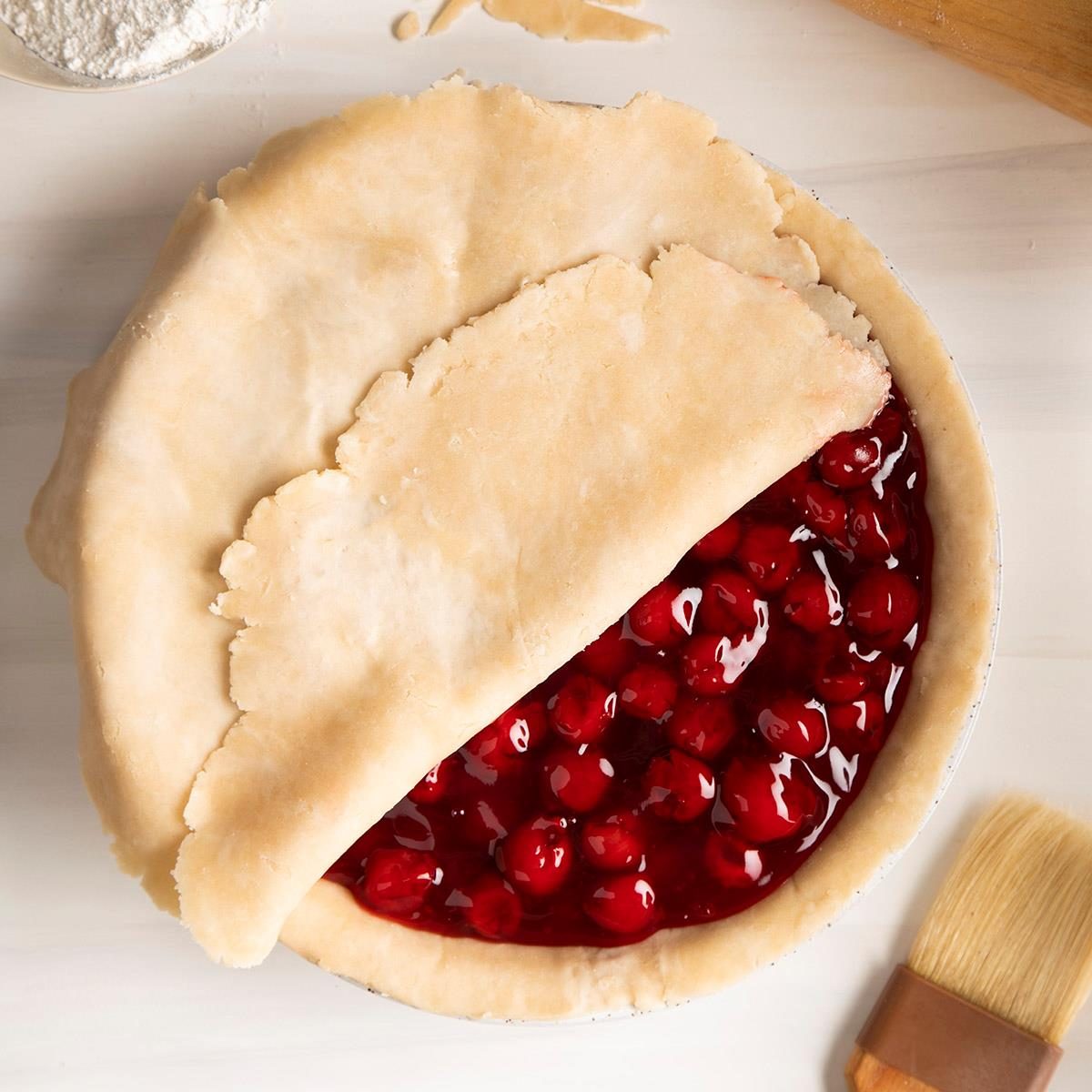
| Cherry | Fresh cherries, powdered sugar | Room temperature |
| Pecan | Maple syrup, whipped cream | Warm |

Credit: www.winstonpies.com
Credit: www.tasteofhome.com
Frequently Asked Questions
How Can I Prevent Uneven Pie Baking At Home?
Use an oven thermometer to maintain consistent heat. Rotate the pie halfway through baking for even cooking. Avoid overfilling the pie to ensure proper heat distribution.
What Oven Temperature Ensures Even Pie Baking?
Bake pies at 350°F to 375°F (175°C to 190°C). This range ensures thorough cooking without burning the crust or undercooking the filling.
Should I Use A Glass Or Metal Pie Dish?
Metal dishes conduct heat faster, promoting even baking. Glass dishes heat slower but allow you to monitor crust color. Choose based on your oven and recipe preferences.
Does Blind Baking Help With Even Pie Crust?
Yes, blind baking sets the crust before adding filling. It prevents sogginess and ensures a crisp, evenly baked bottom crust.
Conclusion
Baking pies evenly takes simple steps and care. Use the right oven temperature and check your pie often. Rotate the pie halfway through baking for even heat. Avoid overfilling to stop spills and soggy crusts. Let the pie cool on a rack after baking.
These small tips help you bake pies that look and taste great every time. Practice makes perfect. Enjoy baking and sharing your delicious pies with family and friends.