
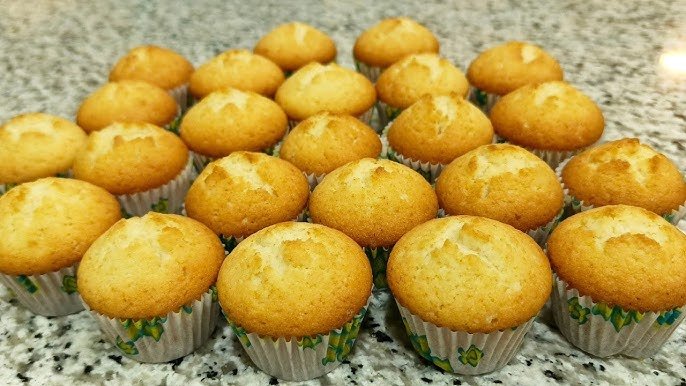
Have you ever pulled a batch of muffins from the oven, only to find large cracks ruining their perfect tops? It’s frustrating when your muffins don’t look as good as they taste.
But what if you could bake muffins that come out smooth and evenly domed every single time? You’ll discover simple, proven tricks to stop muffin cracking for good. These easy tips will help you bake muffins that not only taste amazing but also look picture-perfect—impressing your family, friends, or even yourself.
Keep reading, and you’ll never have to worry about cracked muffins again.
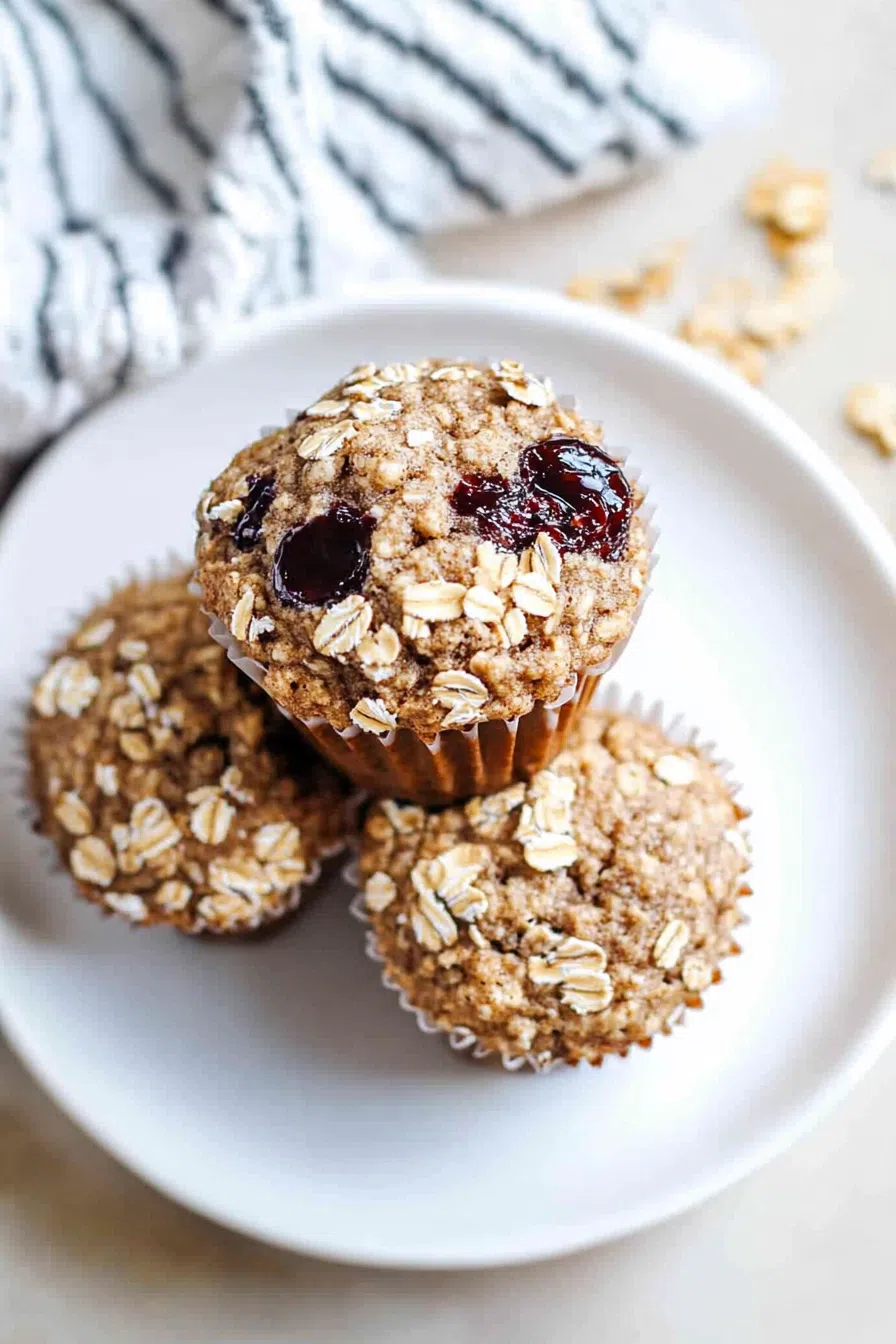
Credit: nodashofgluten.com
The Science Behind Muffin Tops
Muffin tops crack because of how the batter cooks and expands. Heat causes the batter to rise quickly on top.
Understanding this process helps you bake muffins that stay smooth and soft.
How Heat Affects Muffin Tops
High oven heat makes the batter rise fast. The top sets while the inside keeps expanding. This pushes the top to crack open.
Role Of Baking Powder And Soda
Baking powder and soda release gas bubbles in the batter. These bubbles make muffins rise. Too much causes big cracks on top.
- Use the right amount of leavening agents
- Mix batter gently to keep bubbles small
- Do not overmix to avoid tough muffins
Effect Of Batter Thickness
Thick batter rises unevenly. Thin batter spreads out and cracks less. Adjust flour and liquid to get the right thickness.
| Consistency | Effect on Cracking |
| Thick batter | More cracking, uneven tops |
| Medium batter | Moderate rise, fewer cracks |
| Thin batter | Less cracking, flat tops |
Cooling And Muffin Top Texture
Cooling affects how muffins settle. Rapid cooling can cause cracks to widen. Cool muffins slowly to keep tops soft.
Tip:Remove muffins from the pan quickly after baking. Place them on a wire rack to cool evenly.
Choosing The Right Ingredients
Picking the right ingredients is key to baking muffins without cracks. The type of flour, freshness of baking powder, and balance of wet and dry parts affect the texture.
Using the correct ingredients helps muffins rise evenly and stay moist. Let’s look at what matters most for cracking-free muffins.
Flour Selection
Choose all-purpose flour for muffins. It has the right protein to give structure but not too much to make muffins tough. Avoid bread flour as it is too strong and can cause cracks.
Measuring flour correctly is important too. Too much flour makes the batter thick, leading to cracks.
Importance Of Fresh Baking Powder
Fresh baking powder helps muffins rise gently. Old or expired baking powder can cause uneven rising and cracks.
- Check the expiration date before use
- Store baking powder in a cool, dry place
- Test freshness by mixing with hot water; it should bubble
Balancing Wet And Dry Components
| Component | Effect if Too Much | Effect if Too Little |
|---|---|---|
| Wet Ingredients (milk, oil, eggs) | Runny batter, dense muffins | Dry, cracked muffins |
| Dry Ingredients (flour, sugar, baking powder) | Dry, crumbly muffins | Flat muffins, poor texture |
Mix wet and dry ingredients just until combined. Overmixing can create cracks by adding too much air.
Mixing Techniques
Mixing batter correctly helps prevent muffins from cracking. The right technique controls texture and shape.
Use gentle methods to combine ingredients. This keeps muffins soft and smooth on top.
Avoid Overmixing
Overmixing creates too much gluten. This makes muffins tough and causes cracks while baking.
- Mix dry and wet ingredients just until combined.
- Stop mixing when you see no more flour streaks.
- Use a spatula or wooden spoon instead of a mixer.
- Fold the batter gently to keep it light and airy.
Incorporating Ingredients Gently
Add dry ingredients slowly and fold them into the wet mix. This avoids breaking the batter’s structure.
| Ingredient | How to Add |
| Flour | Sift and fold gently with a spatula |
| Sugar | Mix with wet ingredients first to dissolve |
| Eggs | Beat lightly before adding to wet mix |
| Milk | Pour slowly while stirring gently |
Temperature And Baking Time
Baking muffins without cracks needs the right temperature and time. Too hot or too long can cause cracks.
Controlling oven heat and knowing when to check helps get smooth tops on muffins.
Preheating The Oven
Always preheat your oven fully before baking muffins. This helps the batter rise evenly.
If the oven is not hot enough, muffins may bake unevenly and crack on top.
Ideal Baking Temperatures
Use a moderate temperature to avoid cracks. Too high heat makes muffins rise too fast.
- Set oven to 350°F (175°C) for most muffin recipes.
- For delicate or fruit-filled muffins, lower to 325°F (165°C).
- Avoid temperatures above 375°F (190°C).
Monitoring Bake Time
Baking time varies by muffin size and oven type. Check muffins early to prevent cracking.
| Baking Time | Temperature | Effect |
| 18-22 minutes | 350°F (175°C) | Even bake, less cracks |
| 22-25 minutes | 325°F (165°C) | Gentle bake, moist inside |
| 15-18 minutes | 375°F (190°C) | Quick rise, cracks likely |
Using Proper Bakeware
Using the right bakeware helps muffins bake evenly. It also stops cracks from forming on top.
Choosing the correct tin and lining it well makes a big difference. This guide explains these steps clearly.
Choosing The Right Muffin Tin
Use a muffin tin with sturdy, thick walls. Thin metal tins heat unevenly and cause cracks.
- Choose tins made of heavy aluminum or steel
- Avoid dark-colored tins, they heat too fast
- Use tins with non-stick coating for easy release
- Pick a size that matches your recipe
Lining The Tin Correctly
Lining the muffin tin helps keep muffins moist and prevents cracking. It also makes cleaning easy.
| Lining Method | Benefits | Tips |
| Paper liners | Absorbs extra oil and moisture | Use good quality liners without holes |
| Greasing and flouring | Creates a smooth surface for muffins | Use butter or oil and dust with flour evenly |
| Silicone liners | Reusable and heat resistant | Place on a baking sheet for stability |

Credit: www.reddit.com
Cooling And Storing Muffins
Cooling and storing muffins the right way keeps them fresh and tasty. Proper care prevents cracking and dryness.
This guide explains how to cool muffins without damage and store them to keep softness and flavor.
Optimal Cooling Techniques
Remove muffins from the oven and place them on a wire rack. This lets air flow around for even cooling.
- Leave muffins in the pan for 5 minutes to set.
- Transfer muffins gently to a wire rack.
- Allow them to cool fully at room temperature.
- Avoid stacking muffins while warm to stop moisture buildup.
Proper Storage To Maintain Freshness
Store muffins in an airtight container to keep moisture and prevent drying out. Refrigeration is usually not needed.
| Storage Method | Best Use | Notes |
| Airtight Container | Room Temperature | Keeps muffins soft for 2-3 days |
| Plastic Wrap | Individual Muffins | Good for short-term freshness |
| Freezing | Long-Term Storage | Wrap well; thaw before eating |
Common Mistakes To Avoid
Baking muffins can be fun, but some mistakes cause cracks on top. Cracking makes muffins look less tasty.
Avoiding common mistakes helps you bake smooth and soft muffins. Here are two key errors to watch out for.
Overfilling The Muffin Cups
Filling muffin cups too full makes batter overflow and crack on top. Muffins need space to rise evenly.
Fill each cup only two-thirds full. This allows muffins to bake well without bursting or cracking.
- Do not fill cups to the rim
- Leave room for batter to expand
- Use a scoop for even filling
Incorrect Ingredient Measurements
Using wrong amounts of flour, sugar, or baking powder changes muffin texture. This can cause cracks while baking.
Measure ingredients carefully with proper tools. Too much flour makes muffins dry and cracked.
- Use a kitchen scale or measuring cups
- Level off flour with a knife
- Check baking powder freshness
Troubleshooting Cracked Tops
Cracked tops on muffins can spoil their look and texture. This problem often happens during baking.
Knowing how to fix cracked muffin tops helps you bake better muffins every time.
Adjusting Oven Rack Position
The oven rack position changes how heat reaches your muffins. Placing muffins too close to the top can cause cracks.
Try baking muffins in the middle or lower rack. This gives even heat and stops the tops from cracking.
- Top rack heats muffins too fast, causing cracks
- Middle rack offers steady heat for smooth tops
- Lower rack avoids hot air directly hitting muffins
Tweaking Ingredient Ratios
The balance of ingredients affects muffin texture. Too much flour or sugar can make tops crack.
Try adjusting ingredients to keep the batter moist and soft. This helps muffins bake evenly without cracking.
- Use the right amount of flour to avoid dryness
- Check sugar levels; too much makes cracks more likely
- Add a bit more liquid or fat for moist batter
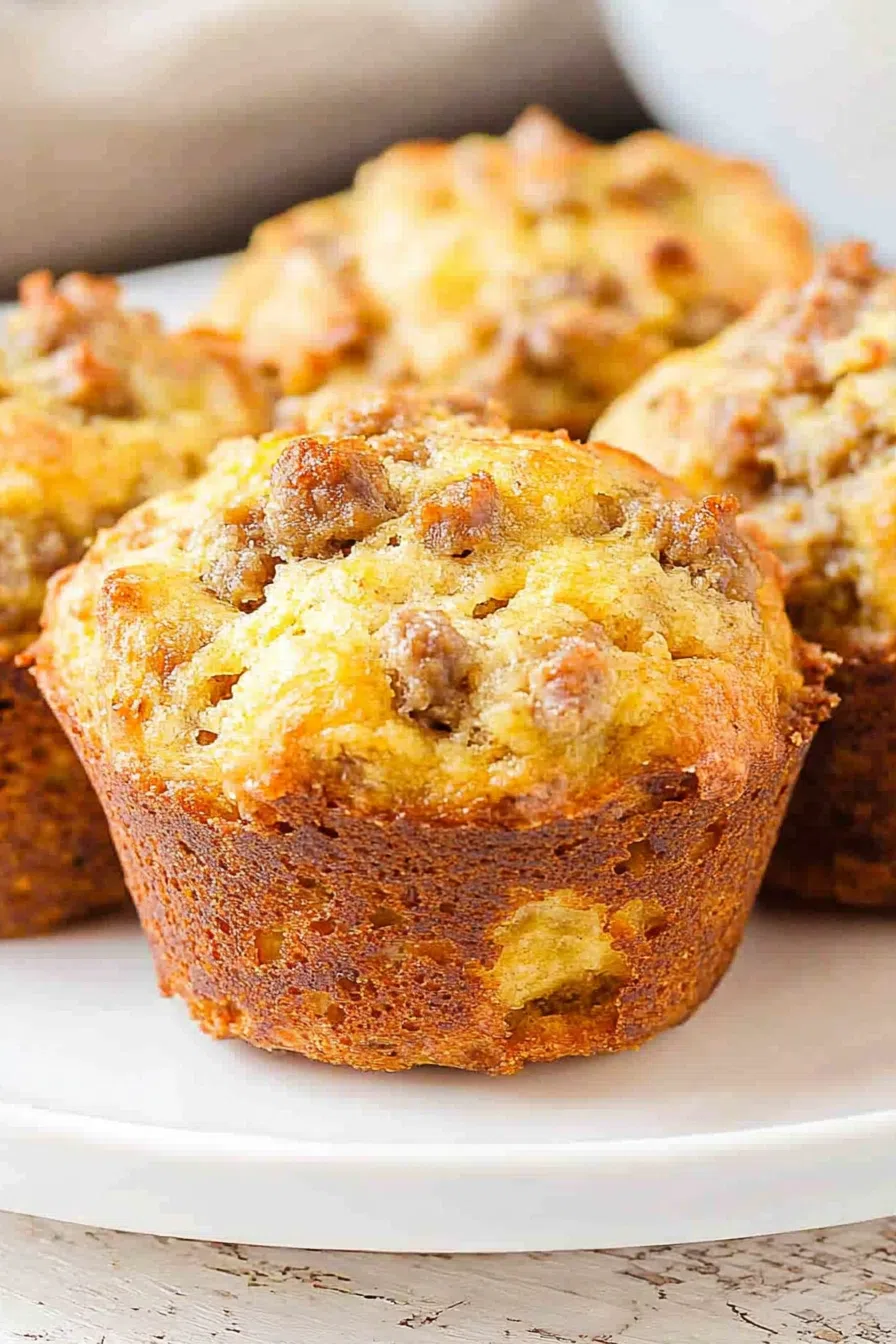
Credit: nodashofgluten.com
Frequently Asked Questions
Why Do Muffins Crack On Top While Baking?
Muffins crack due to high oven temperature or overmixing the batter. Cracks form when the surface sets before the interior fully expands. Controlling temperature and mixing gently helps prevent this issue, resulting in smooth, evenly risen muffins.
How Can I Prevent Muffins From Cracking?
To prevent cracking, bake muffins at a moderate temperature around 350°F (175°C). Avoid overmixing the batter to keep it tender. Also, ensure even oven heat and do not overfill the muffin cups. These steps promote smooth tops without cracks.
Does Oven Temperature Affect Muffin Cracking?
Yes, high oven temperatures cause rapid crust setting, leading to cracks. Baking muffins at a steady, moderate temperature allows even rising. Using an oven thermometer ensures correct heat, preventing cracked muffin tops and promoting a soft, moist texture.
Can Batter Consistency Cause Muffin Cracks?
Absolutely, thick or overmixed batter can cause cracks. Overmixing develops gluten, making muffins tough and prone to cracking. A slightly lumpy, well-moistened batter gives muffins a tender crumb and smooth surface without cracks.
Conclusion
Baking muffins without cracks takes care and patience. Keep oven temperature steady and avoid overmixing batter. Use the right amount of ingredients and fill cups properly. Let muffins cool slowly to keep tops smooth. These small steps help you bake muffins that look and taste great.
Enjoy your baking journey with confidence and ease. Perfect muffins are just a few tips away.