
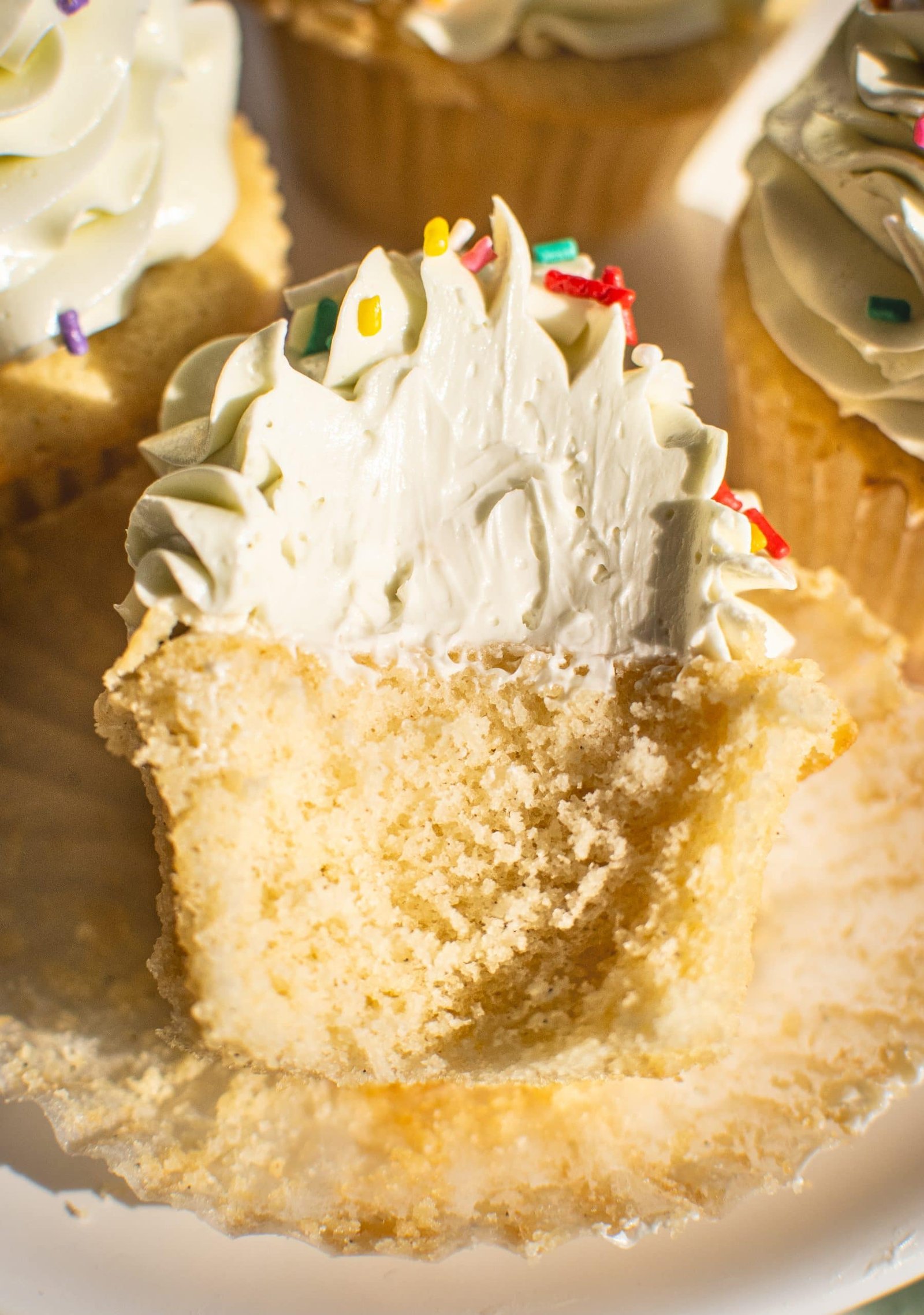
Do you want to bake cupcakes that are soft, tender, and bursting with moisture every single time? You’re not alone.
Many bakers struggle with dry, crumbly cupcakes that just don’t hit the mark. But what if you could learn simple tricks to keep your cupcakes perfectly moist, making every bite a delight? You’ll discover easy tips and secrets that will transform your baking and impress everyone who tries your cupcakes.
Keep reading, and get ready to master the art of moist cupcakes!
Choose The Right Ingredients
Moist cupcakes start with the right ingredients. Using fresh and quality items helps make your cupcakes soft and tasty.
Choosing the right fats and dairy also affects the texture. These ingredients add moisture and richness to your cupcakes.
Importance Of Fresh Ingredients
Fresh ingredients give better flavor and texture. Old flour or baking powder can make cupcakes dry or flat. Fresh eggs and vanilla give a stronger taste.
- Use fresh flour for fluffier cupcakes
- Check baking powder date for good rise
- Choose fresh eggs for better binding
- Pick pure vanilla extract, not imitation
Role Of Fat And Dairy
Fat and dairy add moisture and softness. Butter, oil, milk, and yogurt keep cupcakes tender. They also help mix flavors well.
| Ingredient | Effect on Cupcakes |
| Butter | Rich flavor and moist crumb |
| Vegetable Oil | Extra moist and soft texture |
| Milk | Adds moisture and helps mix |
| Yogurt | Increases tenderness and moisture |

Credit: cookingcanary.com
Mixing Techniques
Mixing ingredients correctly helps make cupcakes moist and soft. The way you combine the wet and dry parts matters a lot.
Good mixing stops the batter from becoming tough or dry. Let’s look at some key tips for mixing cupcake batter.
Combining Wet And Dry Ingredients
Add the dry ingredients to the wet ones slowly. This helps them blend well without lumps.
Use a spatula or spoon to fold the mixture gently. Stir until the ingredients just come together.
- Pour dry ingredients in small parts
- Mix gently to avoid lumps
- Stop mixing when no dry flour is visible
Avoiding Overmixing
Overmixing the batter makes cupcakes dense and dry. Mix only until the ingredients combine.
Stop mixing as soon as you see a smooth batter. Small lumps are okay and will bake out.
- Mix on low speed or by hand
- Do not mix after adding flour too long
- Check batter texture often
Baking Temperature And Time
Baking cupcakes needs the right temperature and time. These factors help cupcakes stay soft and moist.
Too high heat can dry cupcakes. Too low heat can make them dense and undercooked.
Optimal Oven Settings
Set your oven between 325°F and 350°F. This range is best for even baking.
Bake cupcakes for 18 to 22 minutes. Check them near the end to avoid overbaking.
- Use a middle rack for even heat
- Preheat oven fully before baking
- Avoid opening the oven door early
- Use an oven thermometer to check accuracy
Signs Of Doneness
Look for these signs to know your cupcakes are done baking.
- The tops look slightly golden and spring back when touched
- A toothpick inserted in the center comes out clean or with few crumbs
- Cupcakes start to pull away from the sides of the pan
If cupcakes look wet or stick to the toothpick, bake a few minutes more.
Moisture-enhancing Additions
Keeping cupcakes moist makes them taste better and feel soft. Adding certain ingredients helps hold moisture in the batter.
These moisture-boosting additions can change the texture and keep cupcakes fresh longer.
Incorporating Fruit Purees
Fruit purees add natural moisture and flavor to cupcakes. Using applesauce, mashed bananas, or pumpkin puree works well.
They replace some fat or liquid in the recipe while keeping the cupcakes soft and tender.
- Use unsweetened fruit purees for best results
- Replace part of the oil or butter with puree
- Adjust sugar slightly if purees add sweetness
- Purees add natural flavor and moisture
Using Sour Cream Or Yogurt
Sour cream or yogurt adds moisture and a slight tang to cupcakes. They make the crumb soft and rich.
These dairy products also react with baking soda to help cupcakes rise well.
- Use full-fat sour cream or yogurt for best texture
- Replace part of the liquid or fat in the recipe
- Mix well to keep batter smooth
- They improve taste and moisture balance
Proper Storage
Storing cupcakes the right way keeps them moist and tasty. Good storage slows down drying out and keeps flavor fresh.
Knowing how to store cupcakes helps keep their soft texture. This guide covers cooling and best storage tips.
Cooling Before Storing
Let cupcakes cool completely before storing them. Warm cupcakes trap steam and make wrappers soggy.
Place them on a wire rack to cool. This lets air flow and stops moisture buildup inside.
Best Practices For Keeping Cupcakes Fresh
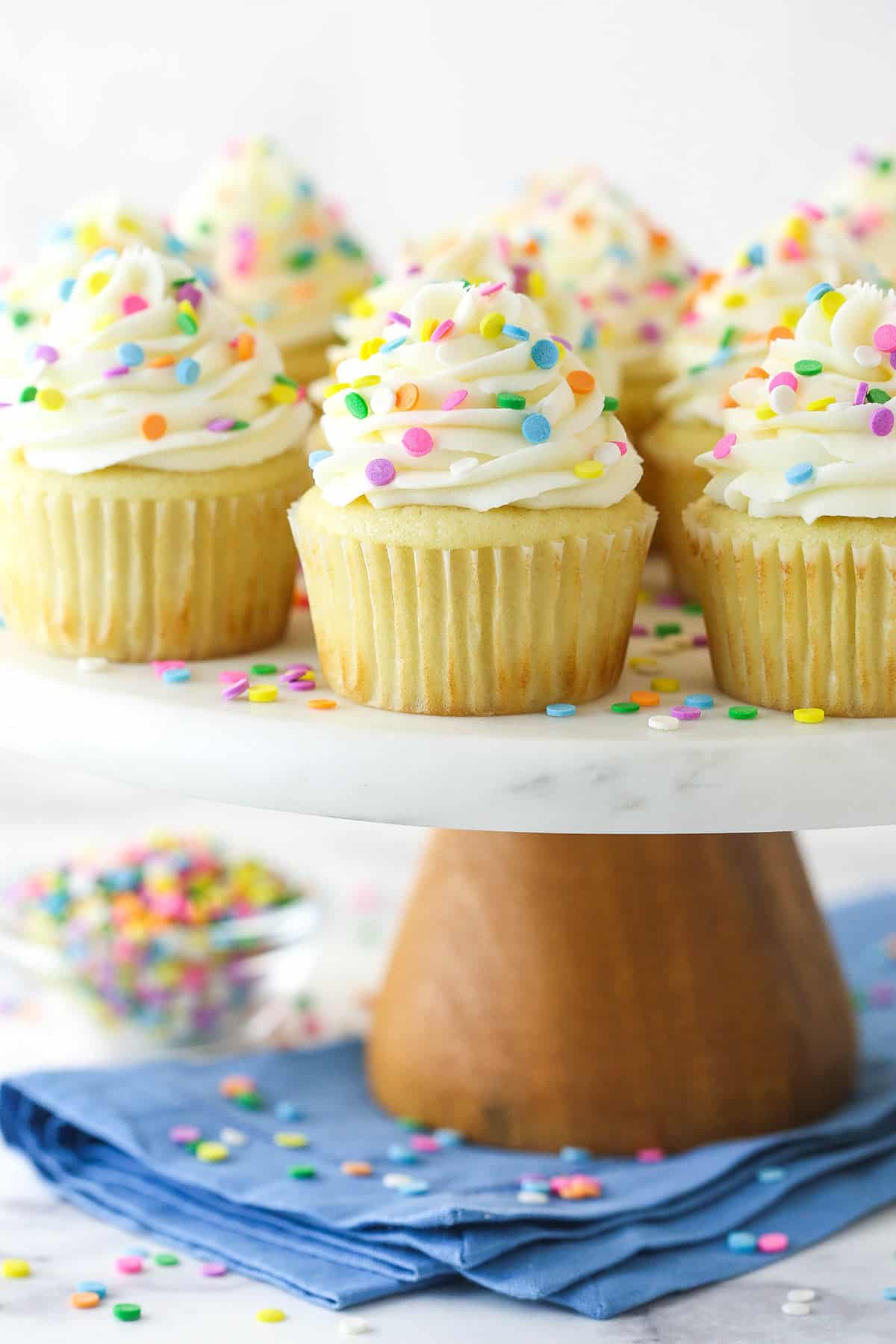
Store cupcakes in an airtight container to keep moisture in. Avoid leaving them open to air for long.
Keep cupcakes at room temperature if you eat them within two days. For longer storage, refrigeration works but can dry them out.
- Use airtight containers or sealable bags
- Add a slice of bread to keep cupcakes moist
- Store cupcakes away from heat and sunlight
- Refrigerate only if frosting has perishable ingredients
Credit: www.lifeloveandsugar.com
Troubleshooting Common Issues
Baking moist cupcakes can be tricky. Sometimes, even good recipes give dry results.
Knowing how to fix common problems helps you bake better cupcakes every time.
Dealing With Dry Cupcakes
Dry cupcakes often mean too much flour or too little fat. Overbaking also dries them out.
To fix dry cupcakes, check your baking time and ingredient amounts carefully.
- Measure flour correctly; use a spoon to fill and level it.
- Add enough butter or oil to keep cupcakes moist.
- Do not overbake; check cupcakes a few minutes before time.
- Use ingredients like sour cream or yogurt for moisture.
- Let cupcakes cool in the pan for a few minutes before removing.
Adjusting Recipes For Altitude
High altitude affects baking because of lower air pressure. This can make cupcakes dry or fall.
Adjust your recipe to keep cupcakes moist and rising well at high altitudes.
- Increase oven temperature by 15-25°F (8-14°C).
- Reduce baking powder by 1/8 to 1/4 teaspoon per teaspoon called.
- Use less sugar to prevent drying (reduce by 1-3 tablespoons).
- Increase liquid by 1-2 tablespoons to add moisture.
- Bake for slightly less time and check often.
Credit: foodiestyling.com
Frequently Asked Questions
How Do I Keep Cupcakes Moist After Baking?
Store cupcakes in an airtight container at room temperature. Avoid refrigeration, as it dries them out. You can also add a slice of bread inside the container to maintain moisture for a couple of days.
What Ingredients Make Cupcakes Moist And Fluffy?
Use ingredients like buttermilk, oil, and eggs. Buttermilk adds acidity, making cupcakes tender. Oil keeps them moist longer compared to butter. Eggs provide structure and richness, enhancing texture.
Can Overmixing Batter Make Cupcakes Dry?
Yes, overmixing develops gluten, leading to dense, dry cupcakes. Mix ingredients until just combined for a soft texture. Use a gentle folding technique to maintain airiness in the batter.
Does Baking Temperature Affect Cupcake Moisture?
Absolutely, baking at too high a temperature dries cupcakes quickly. Bake cupcakes at a consistent 325°F to 350°F (163°C to 177°C). This ensures even cooking and retains moisture inside.
Conclusion
Baking moist cupcakes is simple with the right steps. Use fresh ingredients and measure carefully. Avoid overbaking to keep them soft and tender. Adding a little oil or sour cream helps a lot. Let cupcakes cool before frosting for best results.
Practice these tips, and your cupcakes will stay moist and delicious. Enjoy baking and sharing your tasty treats with others!