
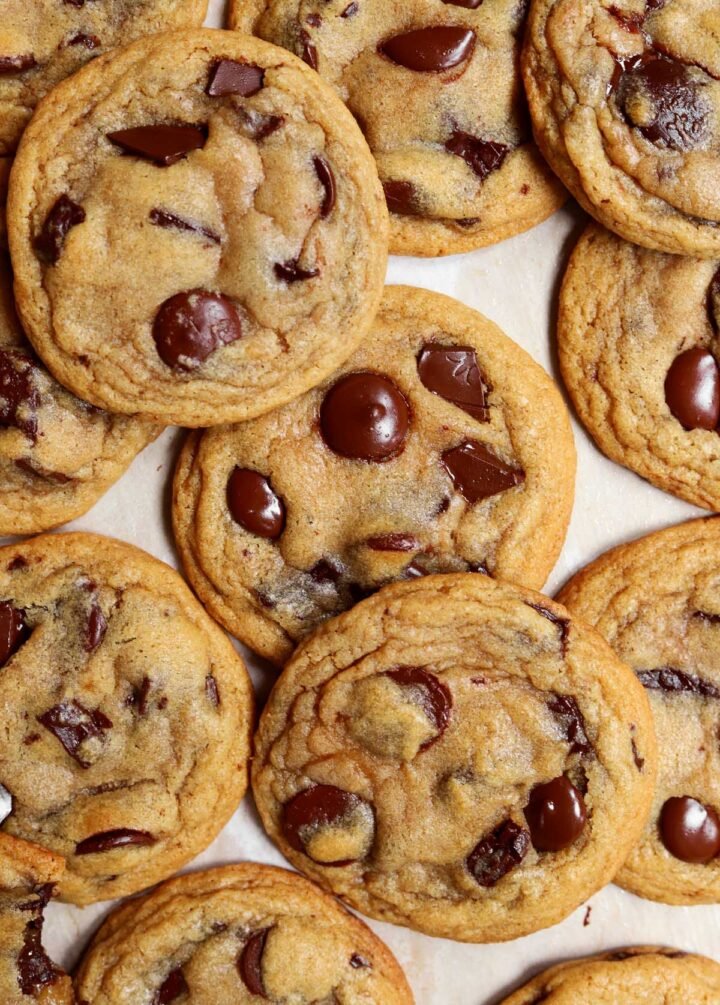
Are you tired of biting into cookies that are dry and crumbly? Imagine sinking your teeth into a cookie that’s soft, chewy, and melts in your mouth every single time.
You don’t need fancy ingredients or complicated steps to get there. In this guide, you’ll discover simple tricks and secrets that will transform your cookies into the perfect treat you’ve always wanted. Keep reading, and soon you’ll be baking cookies that everyone will rave about.

Credit: homemadehooplah.com
Importance Of Ingredients
Ingredients affect how cookies turn out. Using the right ones helps make cookies chewy and soft.
This guide explains key ingredients and their roles in cookie baking.
Choosing The Right Flour
Flour type changes cookie texture. All-purpose flour is common and gives balanced results.
Using cake flour makes cookies lighter and softer. Bread flour adds chewiness but can make cookies tough.
- All-purpose flour: good for most cookies
- Cake flour: softer, lighter cookies
- Bread flour: chewier, denser cookies
Role Of Brown Sugar
Brown sugar keeps cookies soft and moist. It has more moisture than white sugar.
It also adds a mild caramel flavor that improves cookie taste.
| Sugar Type | Effect on Cookies |
| Brown Sugar | Soft, moist, caramel flavor |
| White Sugar | Crispy, less moisture |
| Combination | Balanced chewiness and crisp |
Butter Vs. Margarine
Butter adds rich flavor and helps make cookies tender. It melts at a lower temperature.
Margarine has more water and can make cookies spread more. It may change texture slightly.
- Better flavor
- More tender texture
- Golden color
- Usually cheaper
- Can create softer cookies
- Varies by brand

Credit: scientificallysweet.com
Mixing Techniques
Mixing cookie dough the right way helps make cookies chewy and soft. The method you use affects the texture and taste. Careful mixing gives the best results.
This guide explains two important mixing tips: the creaming method and avoiding overmixing. Use these to improve your cookie baking.
Creaming Method Explained
Creaming means beating sugar and butter together until light and fluffy. This traps air in the dough, helping cookies rise and stay soft inside.
- Start with room temperature butter for easy mixing.
- Use a mixer on medium speed.
- Beat butter and sugar for 3-5 minutes.
- Stop when the mixture looks pale and creamy.
- Add eggs and other ingredients after creaming.
Avoid Overmixing
Mixing dough too long makes cookies tough. Overmixing creates gluten, which makes cookies hard, not soft.
| Effect | Result on Cookies |
| Proper mixing | Chewy and soft texture |
| Overmixing | Hard and dense cookies |
| Under-mixing | Uneven texture and lumps |
Chilling The Dough
Chilling cookie dough is an important step for soft, chewy cookies. It helps control how the dough spreads while baking.
This process also improves the flavor and texture of the cookies. Let’s explore why chilling matters and the best chilling time.
Why It Matters
Chilling the dough affects several key aspects of cookie baking. It solidifies the fats, which slows spreading. This keeps cookies thicker and softer.
- Prevents cookies from becoming too flat
- Enhances flavor as ingredients blend better
- Improves cookie texture, making them chewier
- Allows flour to fully absorb moisture for even baking
Optimal Chilling Time
Timing is important when chilling cookie dough. Too little time and cookies spread too much. Too long can make dough hard to scoop.
| Chilling Time | Effect on Cookies |
| 30 minutes | Less spread, slightly softer texture |
| 1-2 hours | Ideal for thick and chewy cookies |
| Over 4 hours | Dough is firm; cookies bake evenly |
| Over 24 hours | Dough may become very stiff, strong flavor |
Baking Time And Temperature
Baking cookies to be chewy and soft depends a lot on time and temperature. Getting these right helps keep cookies moist.
Too hot or too long can make cookies hard. Baking just right keeps them soft in the center.
Ideal Oven Settings
Set your oven to 325°F to 350°F for soft, chewy cookies. This range cooks cookies gently.
Lower temperatures slow baking, keeping cookies moist inside. Higher temps can crisp edges too much.
- 325°F for thicker, chewier cookies
- 350°F for classic soft cookies
- Avoid above 375°F to prevent hard edges
Monitoring For Doneness
Check cookies early, usually after 8 minutes. Soft cookies can overbake quickly.
Look for edges that are set but centers still soft. Cookies firm up as they cool.
- Edges slightly golden, not brown
- Centers look a bit undercooked or shiny
- Remove from oven and cool on pan
Cooling And Storing
After baking cookies, cooling and storing them properly keeps them soft and chewy. Cooling helps cookies set without drying out.
Storing cookies the right way locks in moisture. This stops them from becoming hard or stale.
Proper Cooling Methods
Cool cookies on a wire rack to let air flow around them. This stops the bottoms from getting soggy.
Leave cookies on the rack until they feel cool to the touch. This usually takes 15 to 20 minutes.
- Use a wire rack for even cooling
- Do not stack cookies while warm
- Keep cookies away from direct air drafts
Storage Tips For Softness
Store cookies in an airtight container to keep moisture inside. This helps them stay soft longer.
Add a slice of bread or a damp paper towel to the container. It keeps cookies from drying out.
- Use containers with tight lids
- Separate layers with parchment paper
- Keep cookies at room temperature
- Check cookies every few days for freshness

Credit: www.bunsenburnerbakery.com
Common Mistakes To Avoid
Baking chewy and soft cookies needs careful attention. Some common mistakes can make cookies hard or dry.
Knowing what to avoid helps keep your cookies soft and tasty every time.
Overbaking Issues
Overbaking is a big cause of hard cookies. Baking too long dries them out and makes them crunchy.
Remove cookies from the oven when edges look set but centers are still soft. They will firm up as they cool.
- Check cookies a few minutes before the timer ends
- Use a timer to avoid forgetting them
- Let cookies cool on the baking sheet for a few minutes
- Move cookies to a wire rack to cool completely
Using Incorrect Measurements
Wrong measurements change cookie texture. Too much flour makes cookies dry and crumbly.
Use proper tools like measuring cups and spoons. Level off ingredients for accuracy.
- Spoon flour into the cup, then level it with a knife
- Measure liquids in a clear liquid measuring cup
- Use the right size measuring spoon for small ingredients
- Avoid guessing or using large spoons for small amounts
Experimenting With Flavors
Making cookies chewy and soft is fun. You can try different flavors to make them unique.
Changing flavors lets you enjoy new tastes with each batch. Small changes make big differences.
Adding Extracts And Spices
Extracts and spices add strong flavors to your cookies. Use them to create new cookie tastes.
Try vanilla, almond, or lemon extract for different notes. Spices like cinnamon and nutmeg add warmth.
- Vanilla extract: classic and sweet
- Almond extract: nutty and rich
- Lemon extract: fresh and bright
- Cinnamon: warm and spicy
- Nutmeg: subtle and earthy
Incorporating Mix-ins
Mix-ins add texture and flavor to chewy cookies. Add nuts, chocolate, or dried fruits for variety.
Mix-ins give each bite a surprise. Use your favorite ingredients to personalize your cookies.
- Chocolate chips or chunks for rich bites
- Chopped nuts like walnuts or pecans for crunch
- Dried fruits such as raisins or cranberries for sweetness
- Oats or shredded coconut for extra texture
Frequently Asked Questions
How Can I Make Cookies Chewy Instead Of Crunchy?
To make cookies chewy, use more brown sugar than white sugar. Also, add an extra egg yolk for moisture. Avoid overbaking by removing cookies when edges are set but centers are soft.
What Ingredients Keep Cookies Soft Longer?
Ingredients like brown sugar, butter, and cornstarch help keep cookies soft. Brown sugar adds moisture, butter adds richness, and cornstarch creates a tender texture. Storing cookies in an airtight container also preserves softness.
Why Do Some Cookies Turn Hard After Baking?
Cookies turn hard due to overbaking or too much white sugar. Baking too long removes moisture. Using more white sugar or insufficient fat also leads to a crisp texture. Proper baking time is key for softness.
Does Chilling Cookie Dough Affect Softness?
Yes, chilling dough solidifies fats and controls spreading. It enhances flavor and improves texture. Chilled dough spreads less and bakes into chewier, thicker cookies with a soft center. Chill dough for at least 30 minutes before baking.
Conclusion
Baking chewy and soft cookies is simple with the right tips. Use the correct ingredients and measure carefully. Avoid overbaking to keep them soft inside. Chill the dough to improve texture and flavor. Try different baking times to find what works best.
Enjoy the process and share your tasty treats with friends. Baking cookies can be fun and rewarding every time. Keep practicing, and your cookies will always turn out delicious.