
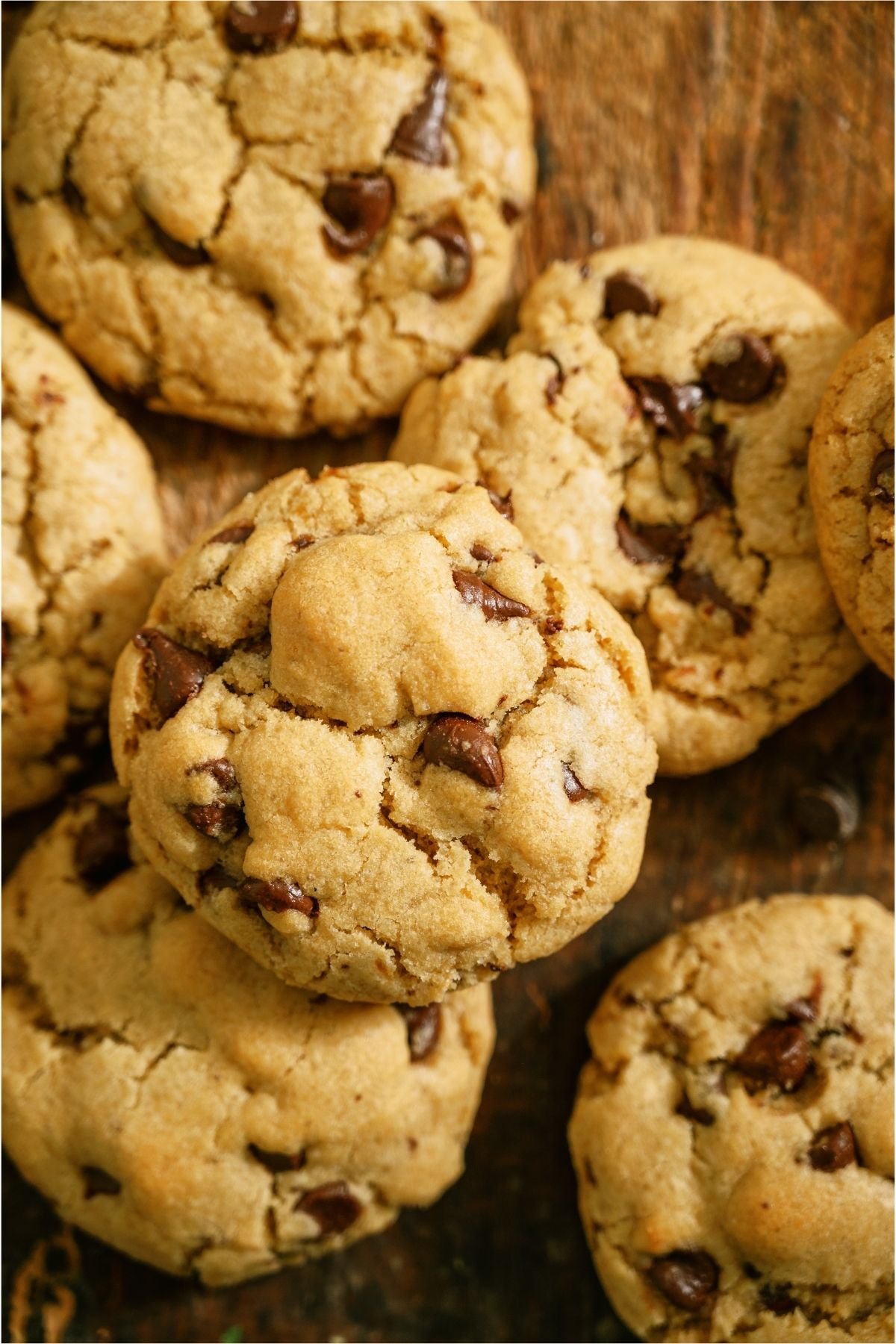
Do you want to bake cookies that stay soft and chewy every single time? Imagine biting into a warm cookie that melts in your mouth, not one that’s hard or crumbly.
You’re just a few simple tricks away from mastering the art of chewy cookies. You’ll discover easy, proven tips to transform your baking and impress everyone with perfect chewy cookies. Keep reading, and get ready to make your cookie game irresistible!

Credit: www.youtube.com
Ingredients For Chewy Cookies
Chewy cookies need the right ingredients to get their soft texture. Choosing the right components can make your cookies moist and tender.
This guide explains the key ingredients that help create chewy cookies. Understanding each part helps you bake better treats.
Essential Baking Ingredients
Basic ingredients like flour, sugar, eggs, and butter form the base of cookie dough. Each ingredient affects how chewy the cookies become.
Butter adds flavor and moisture, while eggs bind everything together. Using the right amounts keeps cookies soft and chewy.
Choosing The Right Flour
Flour type changes cookie texture. All-purpose flour is common, but bread flour helps make cookies chewier.
Bread flour has more protein. This creates more gluten, which adds chewiness to cookies.
- All-purpose flour: balances soft and chewy
- Bread flour: higher protein for more chew
- Cake flour: low protein, makes cookies soft but less chewy
The Role Of Sugars
Sugar type affects cookie texture. Brown sugar adds moisture and makes cookies chewy.
White sugar makes cookies crispier. Using more brown sugar than white sugar helps keep cookies soft.
- Brown sugar: adds moisture and chewiness
- White sugar: creates crisp edges
- Mixing sugars balances chew and crunch
Importance Of Fresh Eggs
Eggs add moisture and help bind ingredients in cookie dough. Fresh eggs improve texture and taste.
Older eggs may change cookie rise and chewiness. Use fresh eggs for soft, tender cookies.
- Egg yolks add fat for richness
- Egg whites help structure and bind
- Fresh eggs support even baking and texture

Credit: bluebowlrecipes.com
Mixing Techniques
Mixing cookie dough the right way helps make cookies soft and chewy. Good mixing blends ingredients evenly. It also adds air to make cookies light.
Each step in mixing plays a role. How you mix butter, sugar, wet, and dry ingredients affects the cookie texture.
Creaming Butter And Sugar
Creaming means beating butter and sugar until soft and fluffy. This adds air that makes cookies tender and chewy.
Use room temperature butter. Beat butter and sugar for 2 to 3 minutes. Stop when the mix looks pale and smooth.
- Use a mixer or beat by hand
- Do not melt the butter
- Beat until the texture is light and creamy
Incorporating Wet Ingredients
Add eggs and vanilla after creaming butter and sugar. Mix gently to keep air in the dough.
Mix just until wet ingredients blend in. Over mixing can make cookies hard.
- Add eggs one at a time
- Mix on low speed
- Stop as soon as mixture is smooth
Combining Dry Ingredients
Sift flour, baking soda, and salt before adding. This removes lumps and spreads ingredients evenly.
Mix dry ingredients into wet in small parts. Stir gently to avoid tough dough.
- Add dry mix gradually
- Use a spatula to fold ingredients
- Mix until just combined
Chilling The Dough
Chilling cookie dough is an important step to get chewy cookies. It helps the dough firm up and the flavors blend well.
By letting the dough rest in the fridge, you change how the cookies bake and how they feel when you eat them.
Benefits Of Chilling
Chilling the dough slows down the baking process. This keeps cookies soft and chewy inside.
It also stops the butter from melting too fast. This helps cookies keep their shape.
- Improves flavor by allowing ingredients to mix well
- Controls cookie spread during baking
- Creates a chewier, thicker texture
Recommended Chilling Time
For the best chewy cookies, chill your dough for at least 30 minutes. You can chill it up to 24 hours.
Longer chilling gives a stronger flavor and better texture. Do not freeze the dough unless the recipe says so.
- Minimum: 30 minutes
- Ideal: 1 to 3 hours
- Maximum: 24 hours
Impact On Texture
Chilled dough makes cookies thicker and softer inside. The outside stays slightly crisp.
This happens because cold dough melts slower in the oven. It keeps moisture inside longer for chewiness.
- Slower melting butter keeps cookies thick
- Flour absorbs moisture better, making soft texture
- Less spread means chewy, not thin cookies
Baking Time And Temperature
Baking cookies so they turn out chewy depends a lot on time and temperature. Small changes can make a big difference in texture.
Choosing the right oven temperature and baking time helps keep cookies soft inside while they get a slight crisp on the outside.
Optimal Baking Temperature
Set your oven to a moderate temperature to get chewy cookies. Too hot, and cookies become crispy or dry.
- 325°F (163°C) is ideal for chewy cookies
- 350°F (177°C) works for a balance of chewy and crisp
- Avoid temperatures above 375°F (190°C) for chewiness
Adjusting Baking Time For Chewiness
Baking time controls how soft or crunchy your cookies become. Shorter times keep them chewy.
| Baking Time | Result |
| 8-10 minutes | Soft and chewy center |
| 11-13 minutes | Chewy edges with firmer middle |
| 14+ minutes | Crispy and less chewy |
Using Baking Sheets
Different baking sheets affect heat distribution. This changes how cookies bake.
Tips for baking sheets:
- Use light-colored aluminum sheets for even heat
- Dark pans can cause faster browning and crispier edges
- Line sheets with parchment paper to prevent sticking
- Allow sheets to cool between batches for consistent baking
Cooling And Storage
Cooling and storing cookies the right way keeps them chewy and fresh. It is important to cool cookies properly before storing them.
Good storage methods help maintain softness and flavor for days after baking.
Proper Cooling Methods
Let cookies cool on the baking sheet for a few minutes. This helps them set without breaking.
Move cookies to a wire rack to cool completely. Air circulation keeps them from getting soggy.
- Cool on baking sheet for 5 minutes
- Transfer to wire rack for full cooling
- Avoid stacking cookies while warm
Storing For Freshness
Store cookies in an airtight container to keep air out. This stops them from drying out and getting hard.
Add a slice of bread or a damp paper towel inside the container. This helps keep moisture and softness.
- Use airtight containers or resealable bags
- Place a bread slice or damp paper towel inside
- Keep cookies at room temperature
Reheating For Softness
Warm cookies in the microwave for a few seconds. This softens them quickly without drying.
You can also warm cookies in the oven at low heat. Wrap them in foil to keep moisture in.
- Microwave for 10 to 15 seconds
- Oven at 300°F (150°C) for 5 minutes
- Wrap cookies in foil when using oven

Credit: lmld.org
Troubleshooting Common Issues
Baking chewy cookies is fun but not always easy. Some problems can change the texture and taste.
This guide helps fix common cookie baking problems. You will learn what to do if cookies overbake, flatten, or become dry.
Dealing With Overbaking
Overbaking cookies makes them hard and crunchy instead of soft and chewy. Watch the baking time closely to avoid this.
- Set a timer for a few minutes less than the recipe suggests.
- Check cookies early by looking for slightly soft centers.
- Remove cookies from the oven when edges are golden but centers look moist.
- Let cookies cool on the baking sheet to finish baking gently.
Avoiding Flat Cookies
Flat cookies can happen when dough spreads too much during baking. This lowers chewiness and changes texture.
| Cause | Fix |
| Dough too warm | Chill dough for 30 minutes before baking |
| Too much butter | Use correct butter amount, measure carefully |
| Not enough flour | Add a little more flour to dough |
| Old baking soda or powder | Use fresh leavening agents |
Correcting Dry Texture
Dry cookies lack chewiness and can feel crumbly. Moisture and fat balance are key for soft cookies.
- Use brown sugar instead of all white sugar to add moisture.
- Add an extra egg yolk for richness and softness.
- Do not overmix dough; mix until ingredients just combine.
- Reduce baking time slightly to keep moisture inside.
Frequently Asked Questions
How Do I Make Cookies Chewy Instead Of Crunchy?
To make cookies chewy, use more brown sugar than white sugar. Add an extra egg yolk and bake at a slightly lower temperature. This keeps moisture in, resulting in a soft, chewy texture.
What Ingredients Keep Cookies Soft And Chewy?
Brown sugar, butter, and eggs are key to chewy cookies. Brown sugar adds moisture, butter adds richness, and eggs bind ingredients while keeping the texture soft and chewy.
How Long Should I Bake Cookies For Chewiness?
Bake cookies for 8-10 minutes until edges are set but centers look slightly underbaked. This short baking time retains moisture, ensuring the cookies stay chewy once cooled.
Can Chilling Dough Improve Cookie Chewiness?
Yes, chilling dough for at least 30 minutes helps. It slows spreading, allowing cookies to bake thicker and retain moisture, which results in a chewier texture.
Conclusion
Baking chewy cookies takes simple steps and careful attention. Use the right ingredients and measure them well. Don’t overbake; watch the cookies closely in the oven. Let cookies cool on the baking sheet to keep softness. Small changes make a big difference in texture.
Enjoy baking and tasting your chewy cookies at home. Practice makes perfect, so keep trying new ways. Happy baking!