

You want your chocolate cake to be soft, moist, and melt-in-your-mouth perfect every single time. But sometimes, no matter how carefully you follow a recipe, the cake turns out dry or dense.
What if you could unlock simple tricks that guarantee a tender, fluffy texture that will wow everyone? In this post, you’ll discover easy, practical tips to bake a chocolate cake so soft, you’ll never want to buy store-bought again. Ready to become the master of soft chocolate cake?
Let’s dive in!
Choosing Quality Ingredients
Soft chocolate cake depends on good ingredients. Each item affects the cake’s taste and texture.
Picking fresh and quality ingredients helps make the cake moist and tender. Let’s look at key ingredients.
Best Types Of Cocoa Powder
Cocoa powder gives chocolate cake its rich flavor. Choose the right type for softness and taste.
Natural cocoa powder is acidic and bright. Dutch-processed cocoa is smooth and less acidic.
- Natural cocoa powder helps cakes rise with baking soda
- Dutch-processed cocoa creates a darker, mellow flavor
- Use high-quality cocoa for deeper chocolate taste
The Role Of Fresh Eggs
Fresh eggs add moisture and structure to the cake. Old eggs can make it dry or flat.
Eggs also help trap air, making the cake light. Use eggs at room temperature for best results.
- Choose large, fresh eggs for better texture
- Room temperature eggs mix more evenly
- Eggs add richness and hold the cake together
Selecting The Right Flour
Flour affects how soft your cake will be. Use flour with the right protein content.
Low-protein flours like cake flour make cakes tender. All-purpose flour can work but may be less soft.
- Cake flour has less protein for a softer crumb
- All-purpose flour is fine but may make cake denser
- Sift flour to avoid lumps and mix smoothly
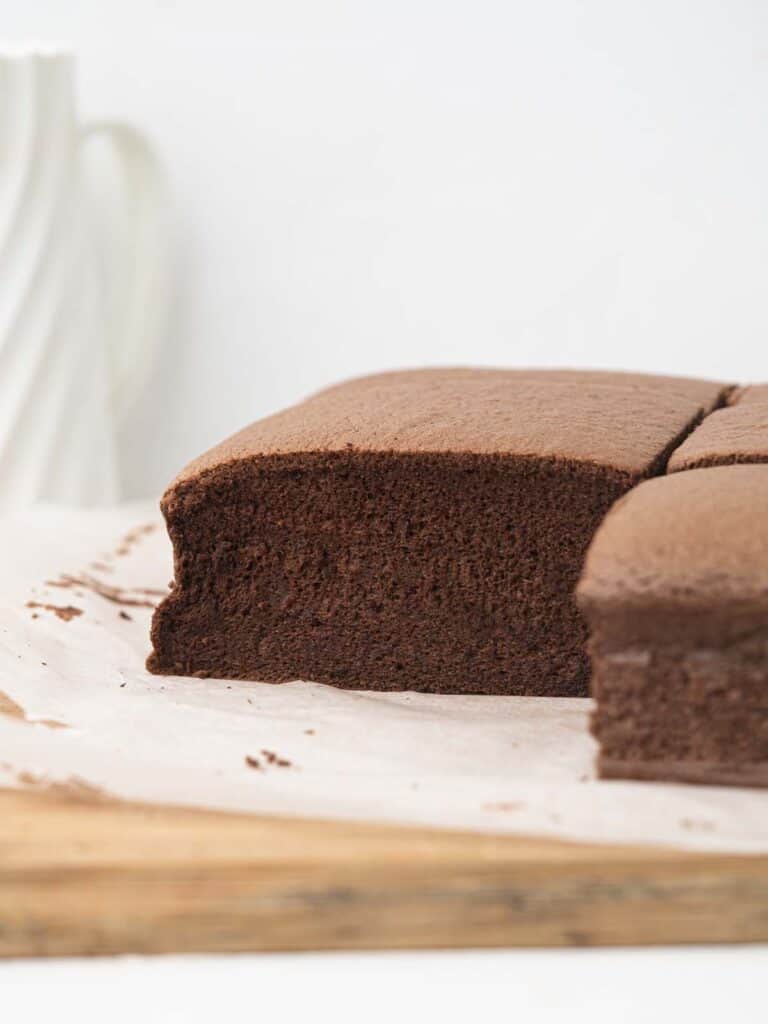
Credit: zhangcatherine.com
Mastering The Mixing Technique
Baking a soft chocolate cake depends a lot on how you mix the ingredients. Mixing well creates a smooth batter that bakes evenly.
Each mixing step has a role. Understanding these will help you make a better cake texture every time.
Creaming Butter And Sugar
Creaming means beating butter and sugar together until light and fluffy. This adds air to the batter, making the cake soft.
- Use room temperature butter for easy mixing.
- Beat butter alone first until smooth.
- Add sugar gradually while beating.
- Mix for 3-5 minutes until color lightens and texture is creamy.
Incorporating Dry Ingredients
Dry ingredients like flour and cocoa powder need to be added carefully. Mixing them in the right way keeps the cake soft.
| Ingredient | Tip |
| Flour | Sift before adding to avoid lumps. |
| Cocoa Powder | Add with flour for even color and taste. |
| Baking Powder | Mix well with dry ingredients to rise evenly. |
Fold dry ingredients gently into the wet mix. This keeps air bubbles intact for a soft cake.
Avoiding Overmixing
Mixing too much can make your cake dense and tough. Stop mixing as soon as ingredients combine well.
Signs of overmixing to watch for:
- Batter looks very shiny or runny.
- Gluten feels strong and thick.
- Cake sinks or is heavy after baking.
The Importance Of Baking Temperature
Baking temperature affects how soft your chocolate cake turns out. Too hot or too cold can change the texture.
Keeping the right temperature helps the cake rise well and stay moist inside.
Preheating The Oven
Preheating warms the oven to the right heat before baking. This step is important for even baking.
Put your cake in the oven only after it reaches the set temperature. This stops the cake from cooking unevenly.
Ideal Baking Temperature
The ideal oven temperature for a soft chocolate cake is usually 325°F to 350°F (165°C to 175°C). Staying in this range helps the cake bake slowly and stay moist.
- 325°F for a very soft and tender crumb
- 350°F for a slight crust but still moist inside
- Avoid going above 350°F to prevent drying out
Monitoring With An Oven Thermometer
Oven temperatures can vary from the dial setting. Use an oven thermometer to check the real heat inside.
| Oven Dial Setting | Actual Temperature Range | Effect on Cake |
|---|---|---|
| 325°F | 310°F – 335°F | Soft, moist cake |
| 350°F | 335°F – 365°F | Good rise, slight crust |
| 375°F | 360°F – 390°F | Risk of dryness |

Credit: www.youtube.com
Adding Moisture For Softness
Soft chocolate cake needs moisture. Moisture keeps the cake tender and fresh. Without enough moisture, the cake feels dry and crumbly.
Using special ingredients can add moisture to your chocolate cake. These ingredients help make the cake soft and delicious every time.
Using Buttermilk Or Yogurt
Buttermilk and yogurt add moisture and a slight tang to chocolate cake. They react with baking soda to help the cake rise well. This makes the texture soft and fluffy.
- Use equal amounts of buttermilk or yogurt instead of regular milk.
- Choose plain yogurt to avoid extra sweetness.
- Make sure to mix the batter gently to keep the moisture inside.
Incorporating Vegetable Oil
Vegetable oil keeps chocolate cake moist longer than butter. It stays liquid at room temperature and locks in moisture. This helps the cake stay soft for days.
| Type of Fat | Moisture Retention | Texture Result |
| Butter | Medium | Rich and crumbly |
| Vegetable Oil | High | Soft and moist |
| Margarine | Low | Dry and firm |
Benefits Of Adding Coffee
Adding coffee can deepen the chocolate flavor without drying the cake. Coffee adds moisture and enhances taste. It makes the cake richer and more complex.
Try these tips for adding coffee to your cake:
- Use strong brewed coffee instead of water in the recipe.
- Add instant coffee powder to the dry ingredients.
- Keep coffee amount moderate to avoid bitterness.
Cooling And Storing Tips
Proper cooling and storage keep your chocolate cake soft and fresh. Cooling prevents sogginess and preserves texture.
Storing the cake right helps maintain moisture for days. Reheating can bring back softness before serving.
Proper Cooling Techniques
Remove the cake from the pan carefully. Place it on a wire rack to cool evenly on all sides.
Let the cake cool at room temperature for about one hour. Avoid wrapping it while still warm to stop condensation.
- Use a wire rack for air circulation
- Keep the cake uncovered until fully cool
- Avoid placing cake in the fridge while warm
- Do not stack layers until cooled
Storing For Freshness
| Storage Method | Best For | Duration |
|---|---|---|
| Room Temperature | Short term, 1–2 days | Keep wrapped in plastic wrap |
| Refrigerator | Longer storage, up to 5 days | Wrap tightly to avoid drying out |
| Freezer | Long term, up to 3 months | Wrap in foil then plastic wrap |
Seal the cake well to keep air out. Use plastic wrap or airtight containers to lock in moisture.
Reheating For Softness
Warm the cake gently to restore softness before eating. Use a microwave or oven at low heat.
- Microwave: Heat small slices for 10–15 seconds
- Oven: Wrap cake in foil, heat at 300°F (150°C) for 10 minutes
- Do not overheat to avoid drying out the cake
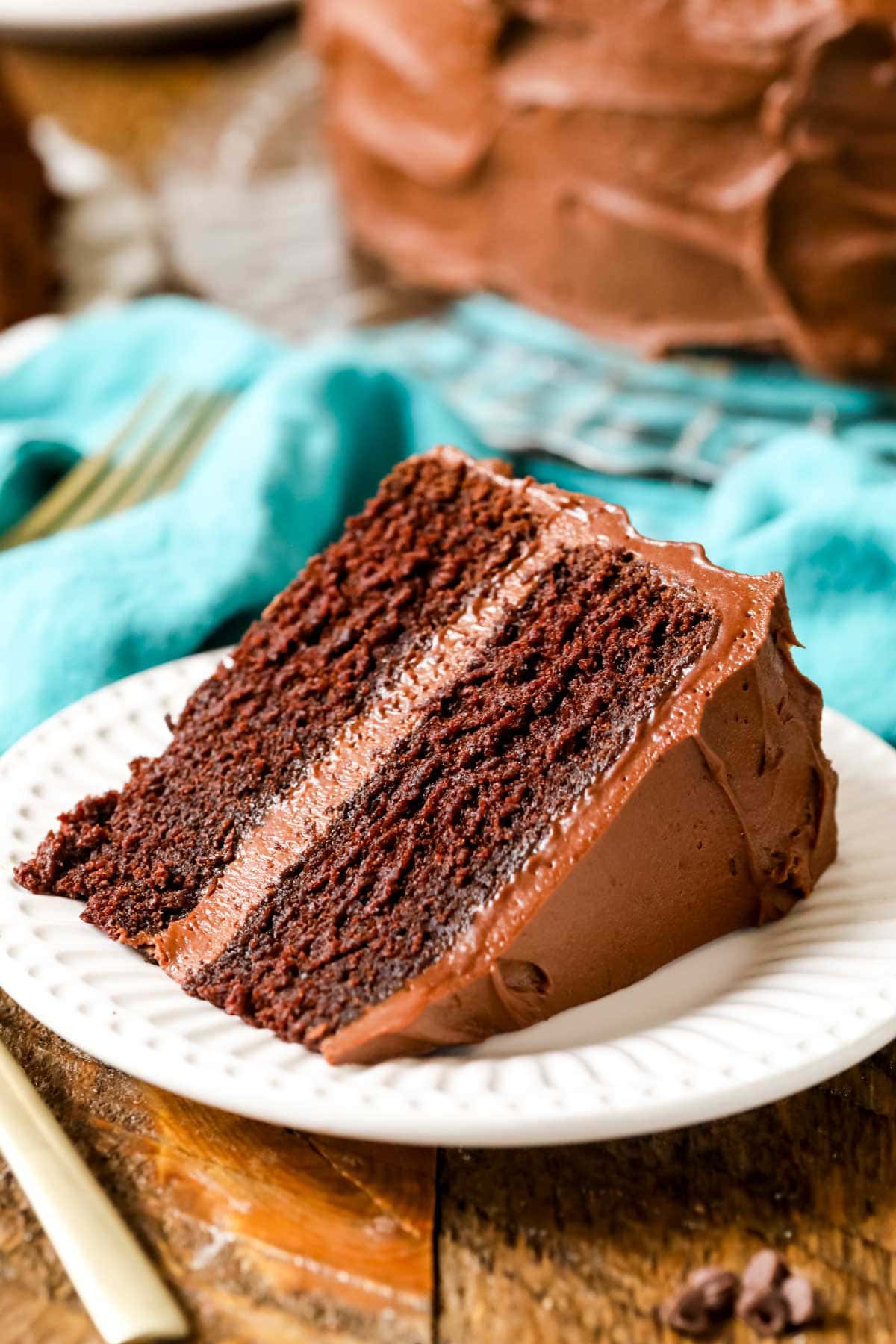
Credit: sugarspunrun.com
Common Mistakes To Avoid
Baking a soft chocolate cake needs careful steps. Simple errors can make the cake dry or dense. Avoiding these mistakes helps you get a tender and moist cake.
Below are common problems that can spoil your cake. Learn what to watch out for and how to fix these issues.
Overbaking The Cake
Overbaking dries out the cake and makes it hard. The cake loses its softness and becomes crumbly. Use a timer and check the cake before the baking time ends.
To check if the cake is done:
- Insert a toothpick into the center.
- If it comes out clean or with few crumbs, the cake is ready.
- If batter sticks, bake for a few more minutes.
Incorrect Ingredient Measurements
Using wrong amounts of flour, sugar, or liquids changes the cake texture. Too much flour makes it dry; too little makes it collapse.
| Ingredient | Too Much | Too Little |
|---|---|---|
| Flour | Dry and dense cake | Flat and gooey cake |
| Sugar | Too sweet and coarse crumb | Less moist and bland taste |
| Liquid (milk, water) | Too wet, won’t set well | Dry and crumbly cake |
Skipping The Sifting Process
Sifting flour and cocoa powder removes lumps and mixes air. This step helps make the cake lighter and softer. Skipping sifting leads to a heavy cake with rough texture.
Tips for sifting:
- Use a fine mesh sieve or sifter.
- Sift dry ingredients at least twice.
- Combine sifted ingredients before adding wet items.
Frequently Asked Questions
How Do I Make Chocolate Cake Soft And Moist?
Use ingredients like buttermilk and oil instead of butter. Avoid overmixing the batter to keep the texture light and fluffy.
What Baking Temperature Ensures A Soft Chocolate Cake?
Bake at a moderate temperature, around 325°F to 350°F. This prevents the cake from drying out or becoming tough.
Can Adding Coffee Improve Chocolate Cake Softness?
Yes, coffee enhances chocolate flavor and adds moisture. Use brewed coffee or espresso for a richer, softer cake texture.
How Long Should I Bake Chocolate Cake For Softness?
Bake for 25 to 35 minutes, depending on pan size. Check doneness with a toothpick; it should come out clean or with moist crumbs.
Conclusion
Baking a soft chocolate cake takes care and the right steps. Use fresh ingredients and measure them well. Mix gently to keep the batter light. Bake at the right temperature and check often. Let the cake cool before cutting. Soft, moist cake feels great in every bite.
Enjoy your homemade treat with friends or family. Simple tips bring great results. Try these ideas in your next bake. Your soft chocolate cake will surely impress.