
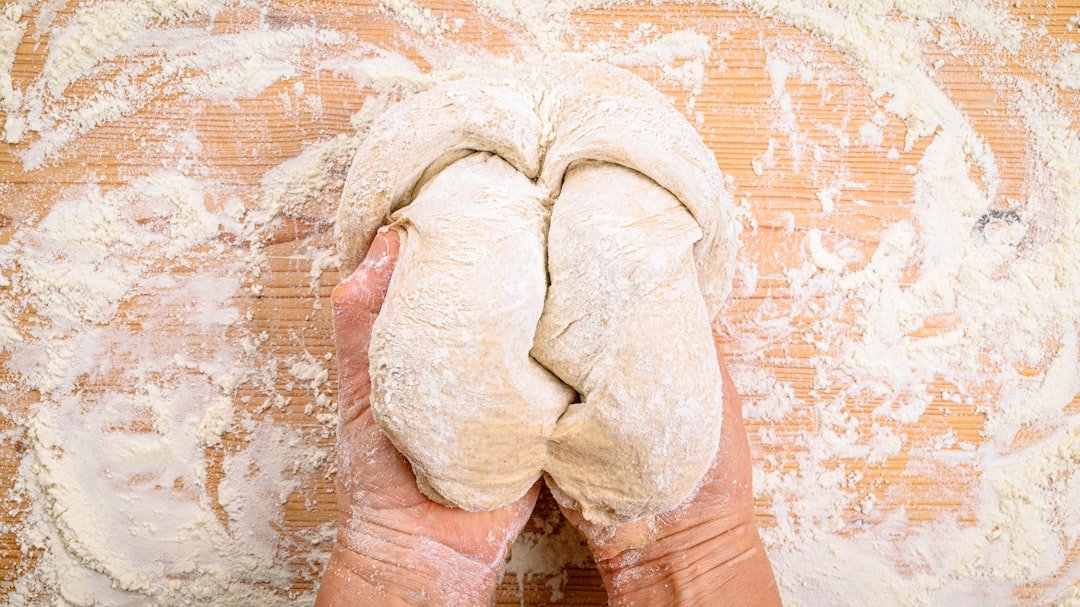
Do you love the smell of fresh bread but struggle to get it soft and fluffy every time you bake? You’re not alone.
Many home bakers find themselves with bread that’s tasty but just a little too dense or dry. Imagine biting into a warm slice that melts in your mouth, with a soft texture that makes you want more. In this guide, you’ll discover simple, effective tips to bake bread that stays soft longer.
Ready to transform your baking and impress everyone with your homemade bread? Let’s get started!
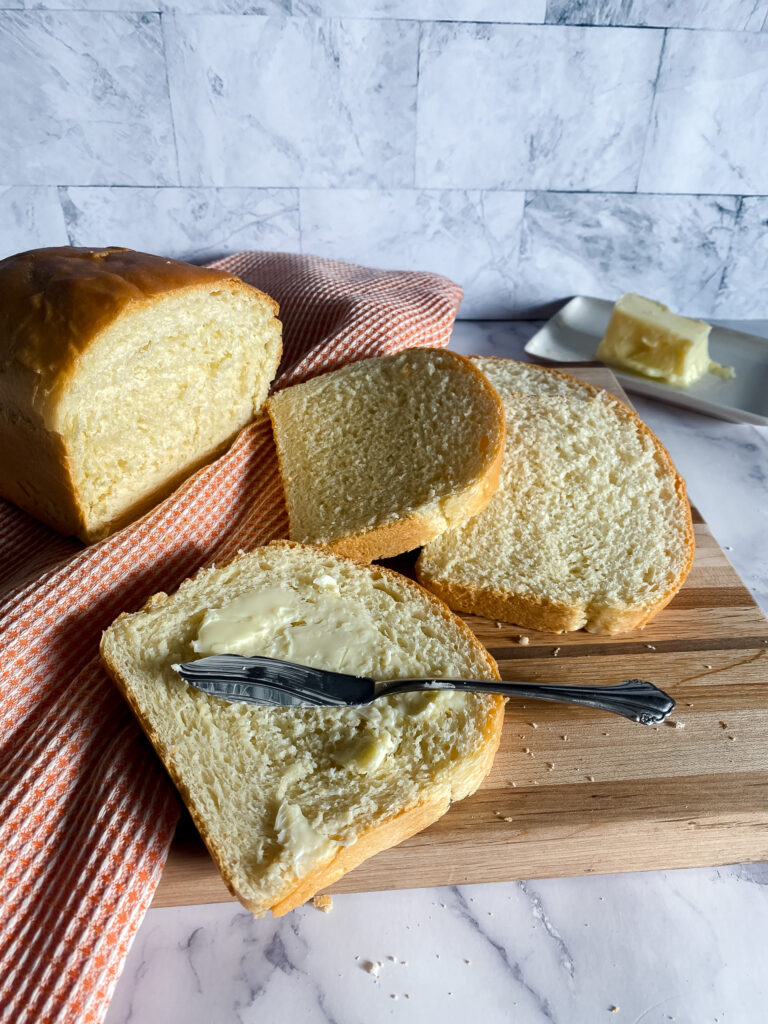
Credit: kaylazenner.com
Choosing The Right Ingredients
Soft bread depends on the ingredients you choose. Each item plays a key role in texture and flavor.
Knowing how ingredients affect bread helps you bake softer, fluffier loaves every time.
Flour Types And Their Impact
Flour gives bread its structure. The type of flour changes how soft the bread will be.
- All-purpose flour: Good for soft bread with moderate chew.
- Bread flour: Has more protein; makes bread firm and chewy.
- Cake flour: Low protein; creates very soft and tender bread.
- Whole wheat flour: Adds fiber but makes bread denser and less soft.
The Role Of Yeast
Yeast makes bread rise by creating gas bubbles. This keeps bread light and soft.
Using the right amount of yeast and letting dough rise well helps soft bread form.
Importance Of Sugar And Salt
| Ingredient | Effect on Bread |
|---|---|
| Sugar | Feeds yeast and adds sweetness; helps keep bread soft |
| Salt | Controls yeast growth and strengthens dough structure |
Both sugar and salt balance yeast activity and dough texture. Too much or too little can change softness.

Credit: www.youtube.com
Mastering The Dough
Baking soft bread starts with handling the dough well. The dough needs care to get the right texture.
Good dough preparation leads to bread that is soft inside and has a nice crust outside.
Kneading Techniques
Kneading mixes the ingredients and builds gluten. Gluten gives bread structure and softness.
Use your hands to fold and press the dough. Turn it often to work all parts evenly.
- Push dough with the heel of your hand
- Fold dough over itself
- Turn dough 90 degrees after each fold
- Repeat until dough is smooth and stretchy
Achieving The Right Consistency
The dough should feel soft and slightly sticky. Too dry dough makes bread hard.
Add water or flour little by little. This helps reach the perfect dough texture.
- Soft dough holds shape but feels smooth
- Sticky dough needs a bit more flour
- Dry dough needs more water
Resting And Rising
Resting lets the dough relax and rise. This process makes bread light and soft.
Cover dough with a cloth to keep moisture. Let it rise until it doubles in size.
- Place dough in a warm spot
- Cover dough with a damp cloth or plastic wrap
- Wait 1 to 2 hours for the dough to double
Perfecting The Baking Process
Baking soft bread starts with a good process. Each step matters for the final texture.
Simple techniques can help you get soft, fluffy bread every time you bake.
Preheating The Oven
Always preheat your oven before baking bread. A hot oven helps the bread rise quickly.
Set the oven to the right temperature and wait until it reaches that heat. This step is key.
Creating Steam For Softness
Steam keeps the bread crust soft during baking. It stops the crust from hardening too fast.
You can add steam by placing a pan with water in the oven or spraying water inside.
- Place an oven-safe pan with hot water at the bottom.
- Spray water on the oven walls before baking.
- Use a covered baking dish to trap steam.
Optimal Baking Times
Bake bread just long enough to cook it fully. Too long makes it dry and hard.
Check the bread near the end of baking. The crust should be golden but soft.
- Small loaves: Bake 20-25 minutes.
- Medium loaves: Bake 30-35 minutes.
- Large loaves: Bake 40-45 minutes.
- Adjust time for your oven’s heat.

Credit: www.youtube.com
Secrets To A Soft Crust
Baking bread with a soft crust makes it more enjoyable to eat. A soft crust keeps the bread tender and easy to chew.
Simple tricks during and after baking can help keep the crust soft and fresh for longer.
Butter And Oil Application
Applying butter or oil on the crust right after baking keeps it soft. The fat forms a thin layer that locks in moisture.
Brush melted butter or a light coat of oil on the bread as soon as it comes out of the oven. This adds flavor and softness.
- Use melted butter for a rich taste
- Light oil coats prevent the crust from drying
- Apply evenly with a pastry brush
Covering The Bread
Covering bread while it cools keeps moisture from escaping. This helps the crust stay soft and tender.
Wrap the bread in a clean kitchen towel or place it in a paper bag. Avoid plastic bags to stop the crust from becoming soggy.
- Use a cotton or linen towel for breathability
- Paper bags trap some moisture but allow air flow
- Cooling uncovered dries out the crust
Storage Tips For Freshness
Keeping your bread soft after baking takes good storage. Proper methods keep bread fresh longer. Avoid hard or stale bread by following simple tips.
Good storage stops bread from drying out or getting moldy. Pay attention to how you cool and store your bread.
Best Practices For Cooling
Cool bread on a rack for air to flow all around. This stops moisture build-up inside the bread. Avoid wrapping bread while it is still warm. Warmth traps steam and makes crust soggy.
- Remove bread from the oven and place on a wire rack.
- Let bread cool fully, about 1 to 2 hours.
- Do not cover bread during cooling.
- Once cool, store bread properly to keep softness.
Maintaining Moisture
Keep bread soft by locking in moisture without trapping too much steam. Use breathable storage to balance air and moisture.
| Storage Method | How It Works | Best For |
|---|---|---|
| Paper Bag | Allows air flow, keeps crust crisp | Short term (1-2 days) |
| Cloth Bag | Breathable, keeps moisture balanced | Up to 3 days |
| Plastic Bag | Locks moisture, soft crust but may sweat | Short term, if bread is fully cooled |
| Freezing | Keeps bread fresh for weeks, prevent staling | Long term storage |
Frequently Asked Questions
How Can I Make Bread Soft And Fluffy?
Use bread flour for more gluten and knead dough well. Add fats like butter or oil. Keep dough moist and proof it properly.
What Ingredients Help Keep Bread Soft Longer?
Adding fats, milk, and sugar retains moisture in bread. These ingredients slow staling and keep bread soft and fresh for days.
How Important Is Kneading For Soft Bread?
Kneading develops gluten which traps air, making bread light. Proper kneading ensures a soft, elastic dough and tender crumb.
Does Proofing Time Affect Bread Softness?
Yes, correct proofing allows yeast to create gas bubbles. This results in a soft, airy texture in the final bread.
Conclusion
Baking soft bread takes practice and patience. Use fresh ingredients and measure carefully. Knead the dough until smooth and elastic. Let the dough rise in a warm place. Bake at the right temperature for best results. Soft bread feels light and tastes fresh.
Enjoy your homemade bread with family or friends. Keep trying, and your bread will improve each time. Simple steps create soft, delicious bread every time.