
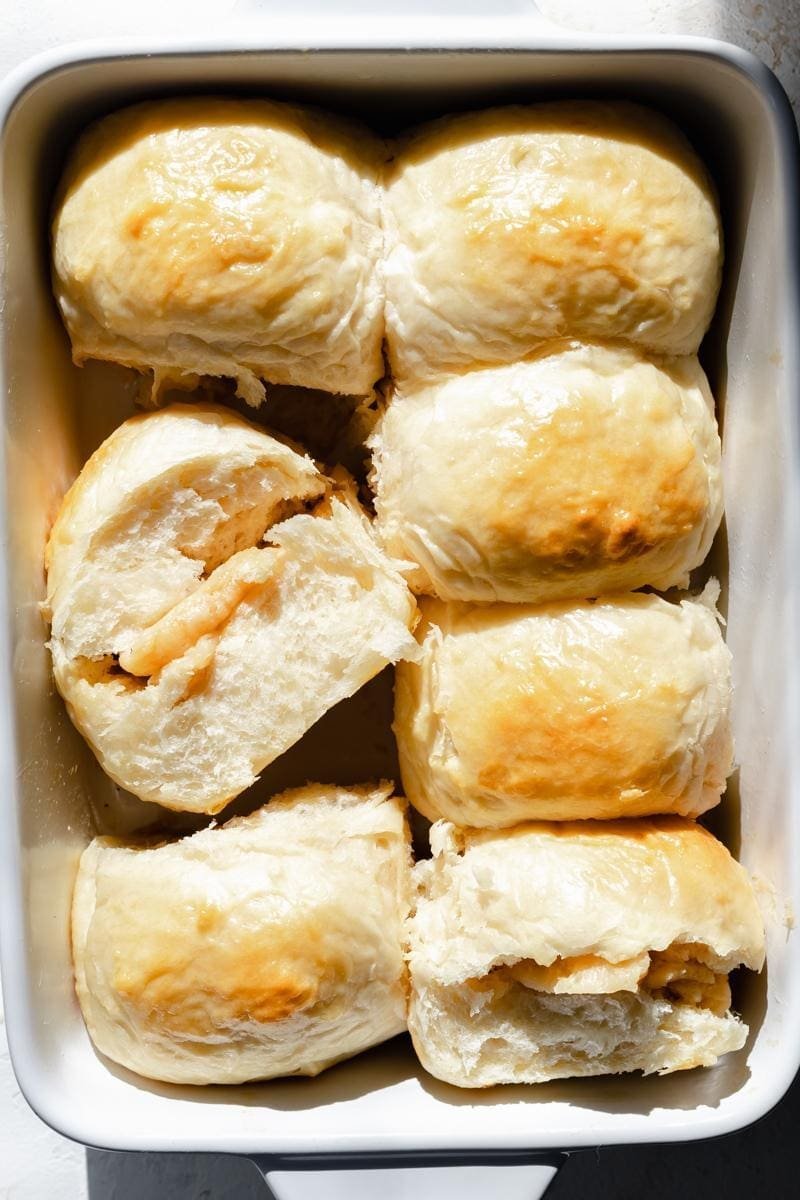
Baking bread rolls that turn out perfectly golden and soft every time can feel like a challenge. You might have noticed some rolls baking faster or browning unevenly while others stay pale or doughy.
But what if you could fix that with simple, easy steps? Imagine pulling a tray of warm, evenly baked rolls from your oven—crispy on the outside, fluffy inside—ready to impress your family or guests. You’ll discover practical tips and tricks that help you bake bread rolls evenly, boosting your confidence and making your baking experience truly enjoyable.
Keep reading, and your next batch of bread rolls will be your best yet.
Choosing The Right Ingredients
Baking bread rolls evenly starts with picking the right ingredients. These ingredients affect the taste, texture, and rise of the rolls.
Using good quality ingredients helps you get consistent results every time you bake.
Selecting The Best Flour
Flour is the base of bread rolls. Choose flour with the right protein content to get soft and even rolls.
- All-purpose flour works well for most bread rolls
- Bread flour has more protein for chewier texture
- Whole wheat flour adds flavor but may need extra water
- Freshly milled flour gives better taste and rise
Importance Of Fresh Yeast
Yeast helps the dough rise and creates air pockets inside the rolls. Fresh yeast gives the best rise and flavor.
| Yeast Type | Storage | Use By |
| Fresh yeast | Refrigerate | Use within 2 weeks |
| Active dry yeast | Cool dry place | Up to 1 year |
| Instant yeast | Cool dry place | Up to 1 year |
Role Of Sugar And Salt
Sugar feeds the yeast and adds sweetness. Salt controls yeast growth and strengthens dough.
Use these tips for sugar and salt:
- Use the amount in the recipe for best results
- Too much sugar slows yeast activity
- Too little salt weakens dough structure
- Mix salt and yeast well to avoid killing yeast
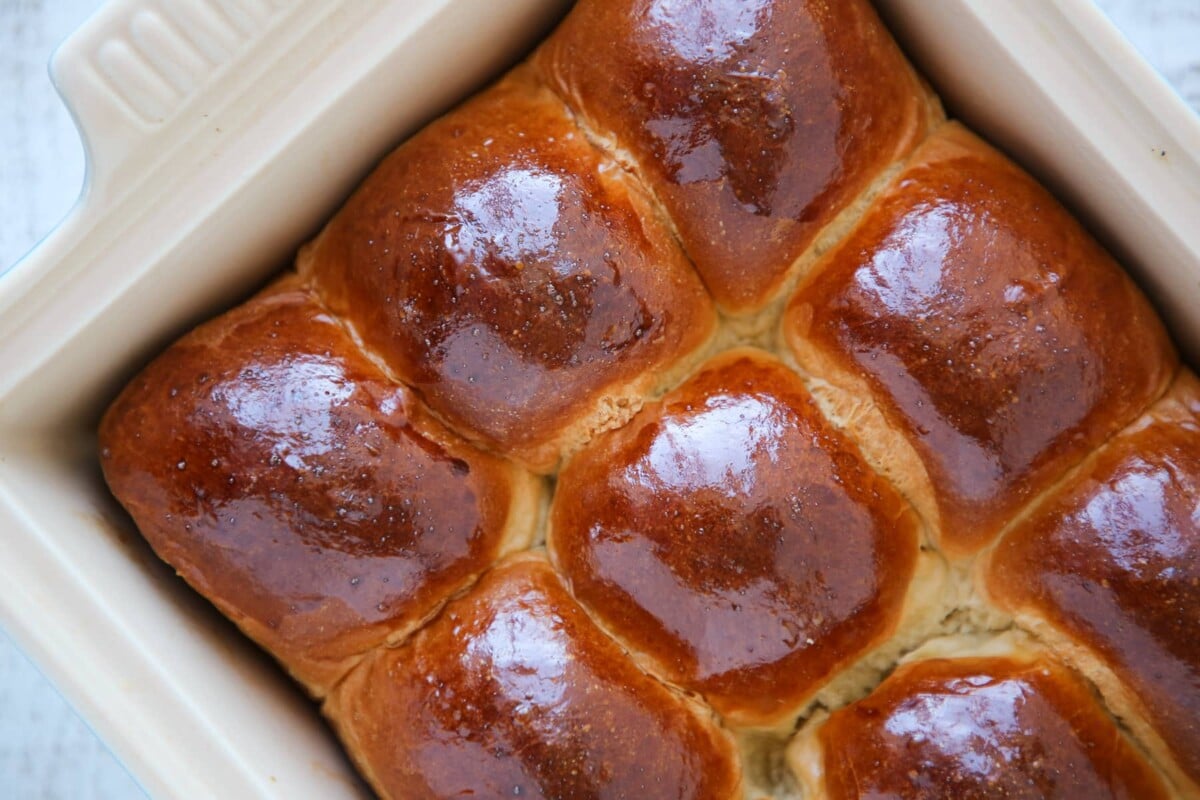
Credit: cheflindseyfarr.com
Preparing The Dough
Baking bread rolls starts with preparing the dough correctly. Good dough preparation helps the rolls bake evenly and taste great.
Focus on mixing, kneading, and achieving the right dough texture. These steps create dough that rises well and bakes uniformly.
Proper Mixing Techniques
Mix ingredients until they combine evenly. This helps the yeast activate and the dough rise well.
Avoid over-mixing, which can make dough tough. Stir just enough to blend flour, water, yeast, and salt.
- Use a large bowl for mixing
- Add ingredients gradually
- Mix until no dry flour remains
- Stop when dough looks smooth and sticky
Kneading For Consistency
Knead dough on a floured surface using your hands. This strengthens gluten and makes the dough stretchy.
Keep kneading for about 8 to 10 minutes. Stop when the dough feels smooth and springs back when pressed.
- Push dough with the heel of your hand
- Fold dough over and push again
- Turn dough after each push
- Check dough for smooth texture
Achieving The Right Dough Texture
Good dough is soft but not sticky. It should hold its shape and feel slightly elastic.
If dough is too sticky, add a little flour. If it is too dry, add small amounts of water.
- Soft and smooth surface
- Elastic and slightly tacky
- Holds shape when shaped into rolls
- Not wet or sticky to touch
Shaping The Rolls
Shaping bread rolls is key to baking them evenly. Good shapes help rolls cook well and look nice.
Taking time to shape rolls properly can improve their texture and size. This guide covers how to shape dough for even baking.
Dividing Dough Evenly
Divide the dough into equal pieces to ensure all rolls bake at the same rate. Uneven sizes cause some rolls to overcook or stay raw inside.
Use a kitchen scale or measure dough portions with a spoon or cutter. This helps keep the weight consistent for each roll.
- Weigh dough pieces to match size
- Cut dough with a sharp knife or dough scraper
- Place divided pieces spaced out to avoid sticking
Forming Uniform Shapes
Shape each piece into a smooth ball or desired form to help them bake evenly. Uniform shapes create equal heat exposure.
Roll dough gently on a clean surface. Tuck edges under to make a tight surface that rises well during baking.
- Use gentle pressure to avoid tearing
- Make sure each roll has a smooth top
- Keep shapes consistent to bake evenly
Using Tools For Precision
Use tools like dough scrapers, scales, and cutters for accurate shaping. These tools save time and improve consistency.
Dough scrapers help divide and lift dough without damage. Scales ensure even weight. Round cutters create perfect shapes quickly.
- Dough scraper for clean cuts and handling
- Kitchen scale for precise dough portions
- Cookie or biscuit cutters for uniform shapes
Allowing For Proper Rising
Allowing dough to rise properly is key to baking bread rolls evenly. Proper rising gives the dough the right texture and shape.
If the dough does not rise well, rolls can be dense or uneven. Good rising helps create soft, fluffy bread rolls.
Controlling Temperature And Humidity
Temperature and humidity affect how the dough rises. Warm and slightly humid places help yeast work better.
Too cold slows down the rising. Too hot can kill the yeast. Dry air can dry out the dough’s surface.
- Keep the dough in a warm spot, around 75°F to 80°F (24°C to 27°C)
- Cover the dough with a damp cloth to keep humidity
- Avoid drafty or cold areas
- Use a proofing box or warm oven with light on if needed
Timing The Proofing Process
Proofing means letting the dough rest and rise before baking. Time is important for even rising.
Do not rush proofing or let the dough rise too long. Both can cause uneven texture and shape.
- Most rolls need 1 to 2 hours for the first rise
- After shaping, allow 30 to 60 minutes for the second rise
- Check dough often to avoid over-proofing
- Shorter proofing may need warmer temperature
Signs Of Perfectly Risen Dough
Look for clear signs to know when dough is ready to bake. Proper rising means good bread rolls.
The dough should be soft, puffy, and slightly springy to touch. It should hold a small dent when pressed.
- Dough doubles in size during the first rise
- Surface looks smooth and slightly shiny
- Press finger gently; dough springs back slowly
- Dough feels light and airy
Baking Techniques For Evenness
Baking bread rolls evenly requires attention to temperature and placement. Small changes can affect how your rolls rise and brown. Using the right techniques helps you get consistent results every time.
This guide covers key steps to bake bread rolls with even color and texture. Follow these tips to improve your baking process.
Preheating The Oven Correctly
Start by preheating your oven to the right temperature. This ensures the heat is stable before placing the rolls inside. An oven that is too cool or too hot can cause uneven baking.
- Set the oven to the temperature recommended in your recipe.
- Allow at least 15 minutes for the oven to fully heat.
- Use an oven thermometer for accuracy.
- Avoid opening the oven door during preheating to keep temperature steady.
Positioning In The Oven
Where you place the bread rolls in the oven affects how evenly they bake. The heat distribution inside the oven is not always uniform.
| Position | Effect on Baking |
|---|---|
| Center rack | Best for even heat and browning |
| Top rack | Rolls brown faster on top, risk of burning |
| Bottom rack | Bottom can brown too quickly, top may stay pale |
| Near oven walls | Heat is stronger, may cause uneven baking |
Place your baking tray on the center rack for balanced heat. If baking multiple trays, rotate them halfway through baking for even color.
Monitoring Baking Time
Baking time can vary based on oven type and dough size. Watch the rolls closely near the end of baking to avoid under or overbaking.
- Check rolls 5 minutes before the recipe time ends.
- Look for a golden brown color and a firm texture.
- Tap the bottom of a roll; it should sound hollow when done.
- Use a timer to track baking accurately.
Common Mistakes To Avoid
Baking bread rolls evenly needs care and attention. Some errors can make your rolls uneven or hard.
Knowing common mistakes helps you bake better rolls every time.
Overproofing The Dough
Overproofing means letting dough rise too long. This causes rolls to collapse or bake unevenly.
- Watch the dough closely and check it often.
- Do not let dough double in size more than necessary.
- Use a timer to keep track of rising time.
- Press dough gently; if it springs back slowly, it’s ready.
Inconsistent Dough Sizes
Rolls of different sizes bake at different speeds. Big rolls stay soft inside but may burn outside.
| Problem | Effect | Solution |
| Uneven dough balls | Uneven baking and texture | Use a kitchen scale to weigh each piece |
| Too large dough pieces | Raw inside when outside is done | Divide dough into equal, small pieces |
| Too small dough pieces | Overbaked, dry rolls | Keep dough size consistent and moderate |
Ignoring Oven Hot Spots
Ovens often have areas that are hotter than others. This causes some rolls to burn and others to stay raw.
Tips to handle oven hot spots:
- Rotate the baking tray halfway through baking.
- Use an oven thermometer to check heat consistency.
- Place rolls evenly with space between them.
- Avoid opening the oven door too often.
Finishing Touches
Finishing touches help make your bread rolls look and taste better. They add texture and flavor. Proper finishing also keeps rolls fresh longer.
Here are key tips for adding glazes or toppings, cooling and storing, and serving your bread rolls.
Adding Glazes Or Toppings
Glazes and toppings add shine, crunch, and extra taste to bread rolls. Brush rolls with butter or egg wash before baking. Sprinkle seeds or herbs on top.
- Brush with melted butter for a soft crust
- Use egg wash for a shiny, golden finish
- Sprinkle sesame, poppy, or flax seeds
- Add coarse salt or dried herbs for flavor
- Try cheese or garlic butter toppings
Cooling And Storing Properly
Cooling bread rolls right keeps their texture and taste. Store them properly to stay fresh longer.
| Cooling Tip | Storage Tip |
|---|---|
| Cool on a wire rack to avoid sogginess | Keep in airtight container at room temperature |
| Wait until completely cool before storing | Freeze for longer storage, wrap tightly |
| Avoid stacking while cooling to keep shape | Reheat gently before serving |
Serving Suggestions
Bread rolls can be served in many ways. Warm rolls taste best with simple or rich accompaniments.
Try these serving ideas:
- Serve warm with butter or jam
- Use as slider buns with meats and cheese
- Make mini sandwiches with fresh veggies
- Pair with soups or stews for dipping
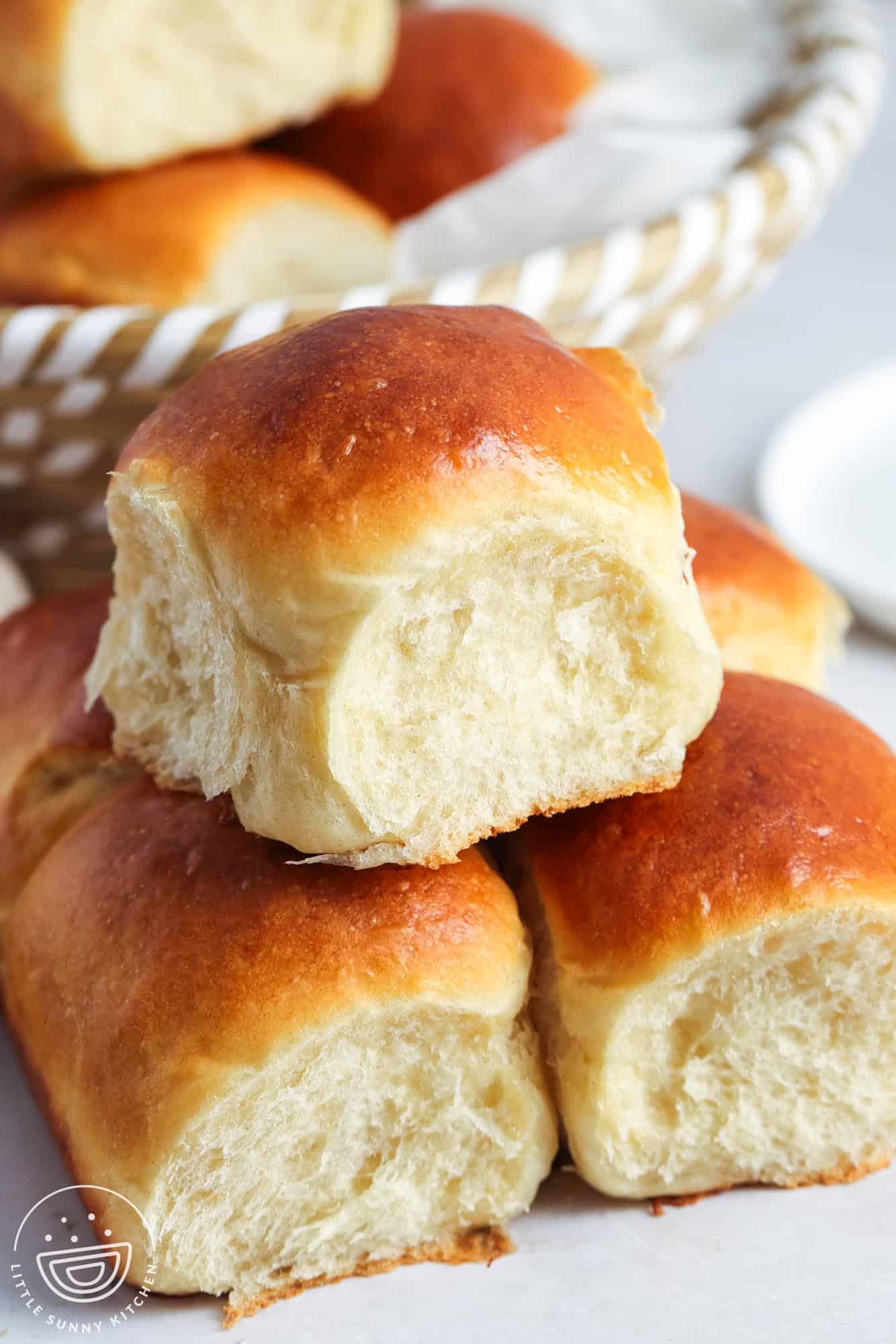
Credit: littlesunnykitchen.com
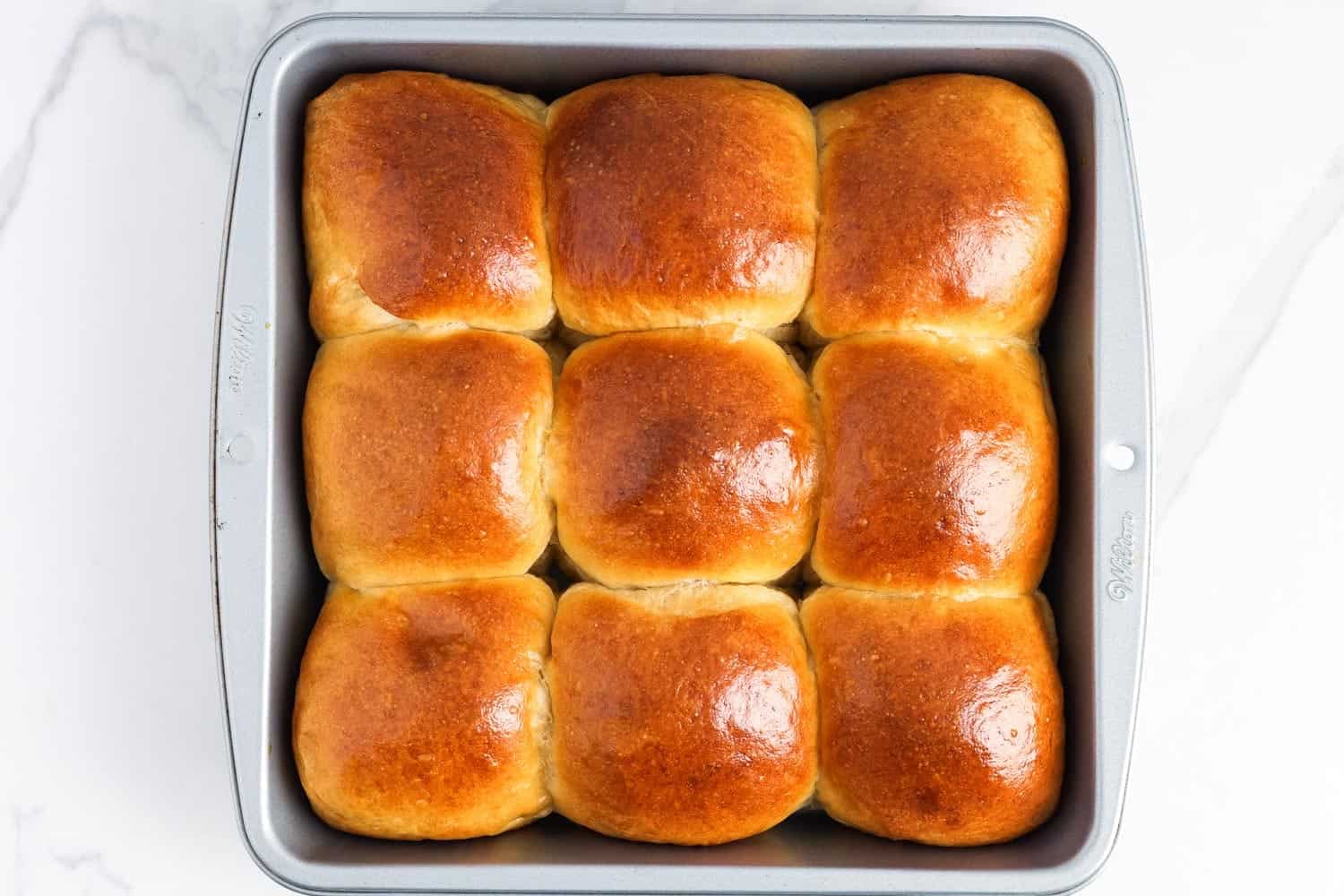
Credit: littlesunnykitchen.com
Frequently Asked Questions
How Do I Ensure Even Baking Of Bread Rolls?
To bake bread rolls evenly, use consistent dough sizes and space them properly on the tray. Preheat your oven fully and rotate the tray halfway through baking for uniform heat distribution.
What Temperature Is Best For Baking Bread Rolls?
Bake bread rolls at 375°F (190°C) for about 15-20 minutes. This temperature ensures a golden crust and soft interior without overbaking or burning.
Why Do Some Bread Rolls Bake Unevenly?
Uneven baking often happens due to inconsistent dough size, overcrowding on the tray, or uneven oven heat. Proper spacing and rotating the tray help achieve even baking.
Can I Use Convection Mode For Bread Rolls?
Yes, convection mode circulates hot air, promoting even baking. Reduce the oven temperature by 25°F (15°C) to avoid over-browning when using convection.
Conclusion
Baking bread rolls evenly takes practice and careful steps. Use the right oven temperature and space rolls apart. Turn the tray halfway to bake all sides well. Check the color and texture before taking them out. Fresh, warm rolls taste best and look inviting.
Keep trying and adjusting for perfect results every time. Enjoy your homemade bread rolls with family and friends. Simple tips make baking easier and more fun.