
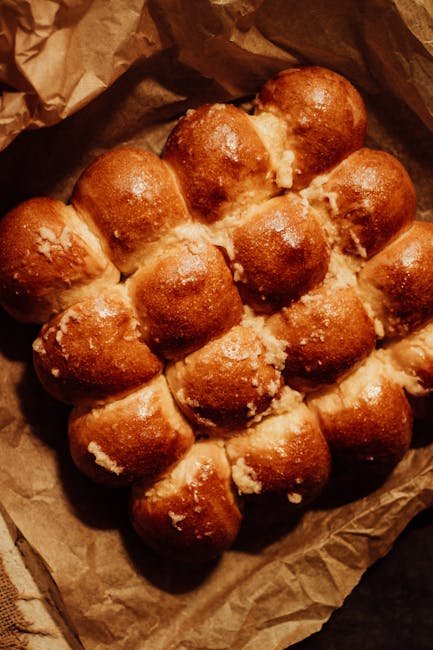
Are you tired of banana bread that turns out dry or crumbly? You’re not alone.
Everyone wants that perfect slice—soft, moist, and full of flavor. Imagine biting into banana bread that feels like a warm hug, every single time. You’ll discover simple tips and tricks to bake banana bread soft and delicious. By the end, you’ll have the confidence to create a loaf that keeps everyone coming back for more.
Ready to transform your baking? Let’s get started!

Credit: www.tastingtable.com
Key Ingredients For Moisture
Moisture is the secret to soft and tasty banana bread. The right ingredients help keep the bread moist and fresh longer.
Choosing bananas and adding oils or fats affects the texture and softness of your banana bread.
Choosing The Right Bananas
Ripe bananas add natural sweetness and moisture to your bread. The darker the peel, the softer and sweeter the banana inside.
- Use bananas with brown spots or fully brown skin for best moisture.
- Overripe bananas mash easily and blend well into the batter.
- Green or yellow bananas have less sugar and moisture.
Essential Oils And Fats
Adding oils or fats helps lock moisture in the bread. They also make the texture soft and tender.
| Ingredient | Type | Effect on Moisture |
| Butter | Fat | Rich flavor, adds softness |
| Vegetable Oil | Oil | Keeps bread moist longer |
| Coconut Oil | Oil | Adds moisture and subtle coconut taste |
| Greek Yogurt | Fat and Moisture | Makes bread tender and moist |
Mixing Techniques For Fluffiness
Making banana bread soft and fluffy depends a lot on how you mix the ingredients. The right mixing methods add air and keep the bread tender.
This guide focuses on two key parts: whisking and avoiding overmixing. Both help create a light texture.
The Role Of Whisking
Whisking adds air to the batter. This air makes the bread rise well and feel soft inside.
- Use a whisk or electric mixer to beat eggs and sugar until creamy.
- Whisk the wet ingredients together before adding dry ingredients.
- Light whisking keeps the batter smooth and full of tiny air bubbles.
- Do not skip whisking; it helps the bread stay fluffy after baking.
Avoiding Overmixing
Mixing too much makes the bread dense and tough. It breaks down the air bubbles and activates gluten too much.
| Mixing Stage | What to Do | What to Avoid |
|---|---|---|
| Combining dry and wet ingredients | Fold gently until just combined | Stir vigorously or for a long time |
| After adding bananas | Mix softly to keep lumps for moisture | Overbeat the batter |
| Final batter | Stop mixing once no dry flour is visible | Keep stirring after batter looks smooth |
Balancing Wet And Dry Ingredients
Banana bread turns soft when wet and dry ingredients mix well. The right balance stops the bread from drying out.
Too much liquid makes the bread soggy. Too little liquid makes it dry and crumbly. Finding the right mix is key.
Proportion Tips
Use about one cup of mashed bananas for every one and a half cups of flour. This ratio keeps the bread moist.
Add eggs and oil carefully. They add moisture but too much can make the bread heavy.
- One cup mashed bananas per 1.5 cups flour
- Use 1 or 2 eggs depending on recipe size
- About 1/3 cup oil or melted butter
- Do not add extra liquid if bananas are very ripe
Common Mistakes
Adding too much flour makes banana bread dry and tough. It absorbs more moisture than needed.
Overmixing batter causes gluten to develop. This makes the bread dense and chewy instead of soft.
- Measuring flour by scooping can add too much
- Mixing batter too long creates tough texture
- Adding extra milk or water can make batter runny
- Using underripe bananas reduces sweetness and moisture

Credit: www.youtube.com
Baking Temperature And Timing
Baking banana bread soft depends on the right oven temperature and baking time. Setting these correctly helps keep the bread moist and tender.
Too high a temperature can dry out the bread, while too low may leave it undercooked. Timing is key for perfect softness.
Optimal Oven Settings
Set your oven temperature between 325°F and 350°F (163°C to 177°C). This range allows the bread to bake evenly without drying out.
- Preheat your oven fully before placing the bread inside.
- Use the middle rack for even heat distribution.
- Avoid opening the oven door often to keep temperature stable.
- If your oven runs hot, lower the temperature by 10°F (5°C).
Checking For Doneness
Baking time usually ranges from 50 to 60 minutes. Use these methods to check if your banana bread is done and soft inside.
| Test Method | How to Do It | Result for Doneness |
| Toothpick Test | Insert a toothpick into the center. | Comes out with a few moist crumbs. |
| Touch Test | Gently press the top of the bread. | It springs back softly without sinking. |
| Visual Check | Look at the edges and top color. | Edges pull slightly away from the pan. |
Enhancing Flavor And Texture
Baking soft banana bread requires careful attention to flavor and texture. Small changes can make your bread moist and tasty.
Using the right ingredients helps improve softness and taste. Let’s explore easy ways to do this.
Adding Nuts And Spices
Nuts add crunch and a nutty flavor to banana bread. Spices bring warmth and depth to the taste.
Try adding cinnamon, nutmeg, or cloves for a cozy flavor. Walnuts or pecans are great nut choices.
- Add ½ cup chopped nuts for texture
- Sprinkle 1 teaspoon cinnamon for warmth
- Use a pinch of nutmeg for a mild spice
- Mix in ¼ teaspoon cloves for extra flavor
Incorporating Yogurt Or Buttermilk
Yogurt and buttermilk make banana bread moist and soft. They add a slight tang that enhances flavor.
Replace some oil or butter with yogurt or buttermilk. This keeps the bread tender and fluffy.
- Use ½ cup plain yogurt or buttermilk
- Mix into the wet ingredients
- Adjust flour slightly if batter feels too wet
- Expect a softer, richer texture
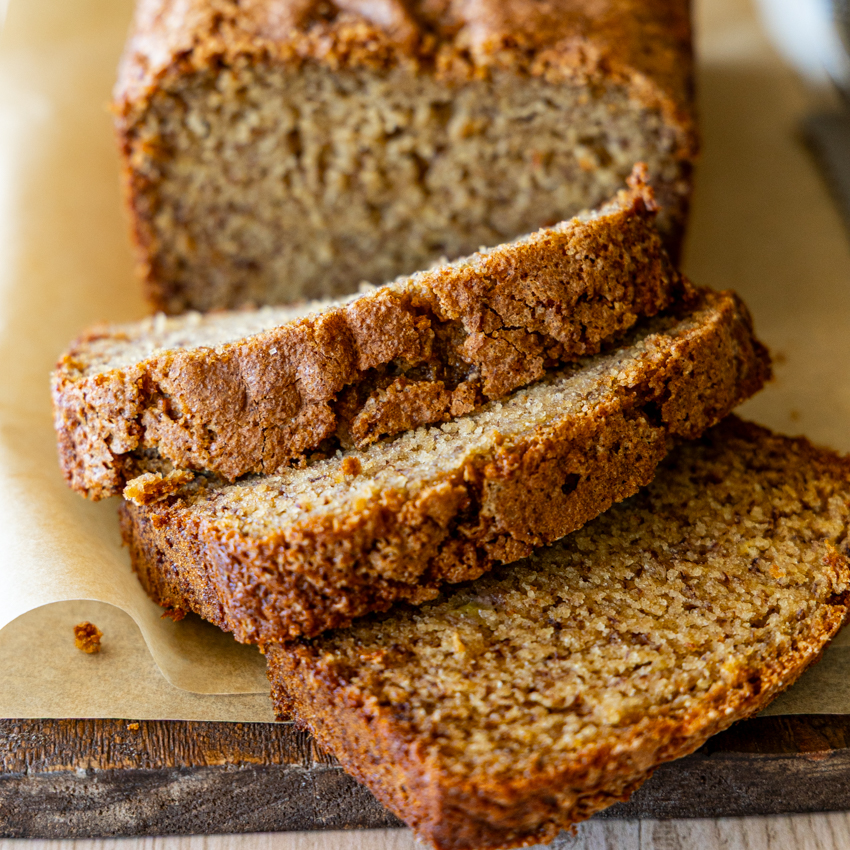
Credit: simply-delicious-food.com
Storage Tips For Freshness
Keeping your banana bread soft and fresh takes proper storage. Using the right methods helps keep it moist and tasty.
Learn how to cool, wrap, and freeze banana bread to enjoy it longer without losing quality.
Cooling And Wrapping
Let your banana bread cool completely before storing. Wrapping it tightly keeps air out and preserves softness.
- Cool the bread on a wire rack for at least one hour.
- Wrap the bread in plastic wrap or aluminum foil.
- Place the wrapped bread in an airtight container or resealable bag.
- Store at room temperature for up to 3 days.
- For longer storage, refrigerate but expect slight firmness.
Freezing Methods
Freezing banana bread helps keep it fresh for weeks. Proper freezing prevents freezer burn and texture loss.
| Freezing Step | Instructions |
| Cool Completely | Allow the bread to cool fully before freezing. |
| Wrap Securely | Use plastic wrap followed by aluminum foil. |
| Label | Write the freezing date on the package. |
| Freeze | Place in the coldest part of the freezer. |
| Thaw | Defrost at room temperature or warm gently in the oven. |
Frequently Asked Questions
How Do I Keep Banana Bread Moist And Soft?
Use ripe bananas and add sour cream or yogurt to the batter. Avoid overmixing and bake at the right temperature for a soft texture.
What Ingredients Make Banana Bread Extra Soft?
Incorporate ingredients like mashed bananas, oil, buttermilk, or yogurt. These add moisture and tenderness to your banana bread, ensuring softness.
Can Overbaking Affect Banana Bread Softness?
Yes, overbaking dries out banana bread, making it crumbly and hard. Check doneness early and remove from oven once a toothpick comes out clean.
How Does Banana Ripeness Impact Bread Softness?
Ripe bananas are sweeter and more moist, which enhances softness. Use bananas with brown spots for the best texture and flavor.
Conclusion
Baking soft banana bread is easier than it seems. Use ripe bananas and avoid overmixing the batter. Keep an eye on baking time to prevent dryness. Adding ingredients like yogurt or oil helps keep it moist. Let the bread cool before slicing for best texture.
Enjoy your homemade, soft banana bread anytime. Practice makes perfect, so keep trying and enjoy each bite!