
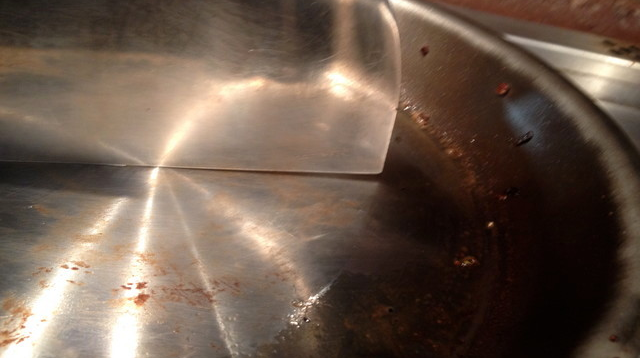
Are your pans warping and ruining your cooking? It’s frustrating when a favorite pan twists out of shape, making it hard to cook evenly or fit on your stove.
But what if you could stop this from happening? You don’t have to waste money replacing warped pans or struggle with uneven meals. You’ll discover simple, effective tips to keep your pans flat and in great condition. Keep reading to learn how to protect your cookware and make every meal perfect.
Credit: medium.com
Causes Of Warping
Warping happens when pans change shape and no longer sit flat. This affects cooking and can make food cook unevenly.
Understanding what causes warping helps you protect your pans and keep them in good shape.
Rapid Temperature Changes
When a hot pan is put in cold water, it cools too fast. This sudden change causes the metal to bend or warp.
Heating a cold pan on high heat can also cause warping. The metal expands quickly and loses its shape.
- Do not put hot pans into cold water
- Heat pans gradually on the stove
- Avoid cooking on very high heat suddenly
Improper Storage
Stacking pans carelessly can cause dents and warping. Heavy items on top push down and change their shape.
Storing pans in a cluttered space can also damage them. Pressure and weight can bend the pans over time.
- Store pans separately or use pan protectors
- Avoid stacking heavy pans on top of light ones
- Use hooks or racks to hang pans when possible
Low-quality Materials
Pans made from cheap materials warp more easily. Thin metal bends faster under heat and pressure.
High-quality pans use thicker metal and better construction to resist warping over time.
- Look for pans with thick, heavy bases
- Avoid very thin or flimsy pans
- Check for good manufacturer reviews on durability
Credit: www.skottsberg.com
Choosing The Right Cookware
Picking the right cookware helps stop pans from warping. Warped pans cook unevenly and can be unsafe. Understanding how materials and design affect your cookware is key.
Good cookware lasts longer and keeps its shape. This guide explains what to look for when choosing pans to avoid warping.
Material Selection
Materials affect heat distribution and durability. Some metals handle heat better and resist warping. Stainless steel and cast iron are solid choices. Aluminum heats quickly but may warp if thin.
- Stainless steel: strong and resists warping
- Cast iron: heavy and holds heat well
- Aluminum: heats fast but needs thickness
- Copper: excellent heat control but expensive
Thickness Matters
Thicker pans stand up to heat better. Thin pans bend or warp easily when hot. Look for pans with a heavy base or multiple layers.
| Thickness | Effect on Warping |
| Thin | Warps quickly under high heat |
| Medium | Better resistance but still needs care |
| Thick | Best resistance to warping and dents |
Reputable Brands
Brands with good reviews use quality materials and test their pans. Buying from trusted makers reduces the risk of warping. Cheap pans often use thin metals and poor construction.
Tips to find good cookware brands:
- Read customer feedback online
- Check warranty and return policies
- Look for brands with long history
- Ask friends or family for recommendations
Proper Heating Techniques
Heating pans the right way can keep them flat and last longer. Avoiding warping starts with how you heat the pan.
Using careful heating methods helps protect the pan’s shape and cooking quality.
Preheating Guidelines
Always preheat your pan slowly. Place it on low heat before raising the temperature.
Quick changes in heat can cause metal to bend or warp. Warm the pan gradually for best results.
- Start with low heat for 1-2 minutes
- Increase heat slowly to cooking level
- Use a timer to avoid overheating
Avoiding High Heat
High heat can damage many pans. It causes the metal to expand too fast, leading to warping.
Use medium or low heat for most cooking. Reserve high heat only for boiling water or searing briefly.
- Do not use high heat for empty pans
- Use high heat for short times only
- Choose the right pan for high heat cooking
Gradual Cooling Practices
Let your pan cool down slowly after cooking. Avoid putting hot pans into cold water or on cold surfaces.
Sudden temperature changes cause metal to contract quickly and warp. Cool your pan at room temperature instead.
- Remove pan from heat and place on a warm surface
- Wait several minutes before washing
- Do not rinse hot pans with cold water
Safe Cleaning Practices
Warped pans can ruin your cooking experience. Cleaning them safely helps keep their shape and lasts longer. Follow simple steps to protect your pans during washing and drying.
Using the right cleaning methods stops heat damage and bending. Learn how to wash, avoid harsh tools, and dry your pans carefully.
Hand Washing Vs. Dishwasher
Hand washing is gentle and keeps pans safe from warping. Dishwashers use high heat and strong water pressure. This can bend or damage pans over time.
Wash pans by hand with warm water and mild soap. Avoid sudden temperature changes like rinsing hot pans with cold water. This helps keep pans flat and strong.
Avoiding Abrasive Tools
Abrasive tools can scratch and weaken pan surfaces. Scratches make pans more likely to warp when heated. Use soft sponges or cloths for cleaning.
- Do not use steel wool or metal scrubbers
- Use non-abrasive scrub pads or soft brushes
- For stuck food, soak pans before cleaning
Drying Techniques
Dry pans carefully to avoid damage. Leaving water on pans can cause rust or stains. Use a soft towel to dry pans right after washing.
Do not cool pans quickly by placing them in cold water or a wet towel. Let them dry naturally or dry with a cloth to keep their shape intact.
Storing Cookware Correctly
Proper storage helps keep your pans flat and ready to use. Warped pans cook unevenly and can be frustrating.
Learn simple ways to store your cookware safely. Avoid damage and extend the life of your pans.
Avoiding Stacking
Stacking pans can cause pressure and bending. Each pan should have its own space to keep shape.
Try to store pans side by side or use racks that hold them upright. This stops warping from heavy weight.
Using Protective Layers
Place soft layers between pans if you must stack them. This prevents scratches and pressure points.
- Use cloth or felt pan protectors
- Try paper towels or clean kitchen towels
- Use silicone liners for extra cushion
- Never stack pans while wet to avoid rust
Proper Hanging Methods
Hanging pans keeps them flat and saves cabinet space. Use sturdy hooks or a pot rack.
| Hanging Option | Benefits |
|---|---|
| Wall-mounted hooks | Easy access, keeps pans flat |
| Ceiling pot racks | Saves space, displays cookware |
| Over-the-door racks | Good for small kitchens |
Credit: www.skottsberg.com
Recognizing Signs Of Warping
Warped pans can cause uneven cooking and damage your kitchen tools. It is important to spot warping early. This helps keep your pans working well.
Look for simple signs that show your pan is no longer flat. These signs can affect how your food cooks.
Visual Indicators
Check the bottom of your pan for any bends or bumps. A warped pan will not sit flat on the stove. You might see gaps between the pan and the surface.
- Look for uneven edges or wavy lines
- Notice if the pan rocks when placed on a flat surface
- Check for discoloration or heat marks that are uneven
Functional Issues
Warping can change how your pan heats up. Food may cook unevenly or burn in some spots. You might also find your pan does not heat well.
- Food cooks faster on one side than the other
- Pan does not stay steady on the stove
- Heat spots appear in the center or edges
- Handles feel loose or uneven due to warping
When To Replace
If warping affects cooking or makes the pan unsafe, it is time to replace it. Small warps might be fixed, but big ones cannot be fixed easily.
- Replace if food burns or cooks unevenly
- Replace if the pan wobbles or does not sit flat
- Replace if the warping causes handle issues
- Replace if damage is severe and affects use
Expert Maintenance Tips
Warped pans can ruin your cooking experience. Proper care helps keep pans flat and safe to use.
Follow expert tips to maintain your pans and avoid warping over time.
Routine Inspections
Check your pans regularly for signs of warping. Look for uneven surfaces and wobbling.
Early detection helps prevent damage from getting worse and keeps cooking even.
- Place the pan on a flat surface to see if it sits evenly
- Run your hand over the bottom to feel for bumps or ridges
- Inspect for any cracks or dents that may cause warping
- Check the pan after washing to catch any new damage
Seasoning Techniques
Seasoning creates a protective layer that helps prevent warping and rust. It also improves non-stick properties.
Use proper seasoning steps to extend your pan’s life and maintain its shape.
- Clean the pan thoroughly before seasoning
- Apply a thin layer of oil over the entire surface
- Heat the pan slowly to allow the oil to bond
- Repeat seasoning regularly for best results
Professional Repair Options
If your pan warps badly, a professional repair can help restore it. Experts can flatten or resurface pans safely.
Consider repair before replacing to save money and reduce waste.
- Contact a cookware repair specialist
- Ask about flattening services for warped bottoms
- Inquire about resurfacing to fix scratches and dents
- Check repair costs versus buying a new pan
Benefits Of Durable Cookware
Durable cookware lasts longer and saves money over time. It keeps cooking safe and easy.
Choosing sturdy pans helps avoid warping, which can ruin meals and cause frustration.
Cost-effectiveness
Durable cookware costs more at first but saves money in the long run. It does not need frequent replacement.
- Lasts for many years without damage
- Reduces the need to buy new pans often
- Holds up well against high heat
- Prevents extra costs from cooking problems
Enhanced Cooking Experience
Using durable pans improves how food cooks. Heat spreads evenly and pans keep their shape.
| Benefit | Effect on Cooking |
| Even Heat Distribution | Food cooks uniformly |
| Flat Surface | Good contact with heat source |
| Non-Warping | Maintains stable cooking conditions |
| Strong Material | Resists scratches and dents |
Environmental Impact
Durable cookware helps reduce waste. It lowers the number of pans thrown away.
Ways durable cookware protects the environment:
- Less frequent disposal of damaged pans
- Reduced demand for new manufacturing
- Conserves resources like metal and energy
- Supports sustainable kitchen habits
Frequently Asked Questions
How Can I Prevent My Pans From Warping?
Avoid sudden temperature changes and heat pans gradually. Use low to medium heat and allow pans to cool before washing. Store pans properly to maintain their shape and avoid stacking heavy items on them.
Why Do Pans Warp When Heated?
Pans warp due to rapid temperature changes causing metal expansion and contraction. Uneven heating or overheating can stress the metal, leading to warping. Proper heat management helps maintain pan integrity and prevents damage.
Which Materials Resist Pan Warping Best?
Stainless steel and cast iron pans resist warping well. They distribute heat evenly and tolerate temperature changes better. Avoid thin aluminum pans as they warp more easily under high heat or sudden temperature shifts.
Is It Safe To Use Warped Pans For Cooking?
Using warped pans can cause uneven cooking and instability on stovetops. While not immediately unsafe, warped pans reduce cooking efficiency and may damage stovetops. It’s best to replace or repair warped pans for optimal performance.
Conclusion
Taking care of your pans helps them last longer. Avoid sudden temperature changes and use low to medium heat. Hand wash your pans gently and dry them well. Store them properly to keep their shape. Small efforts keep your pans flat and useful.
Save money by preventing warps early. Cook better with pans that sit evenly. Simple habits protect your kitchen tools every day. Keep these tips in mind for happy cooking. Your pans will thank you with great meals.