
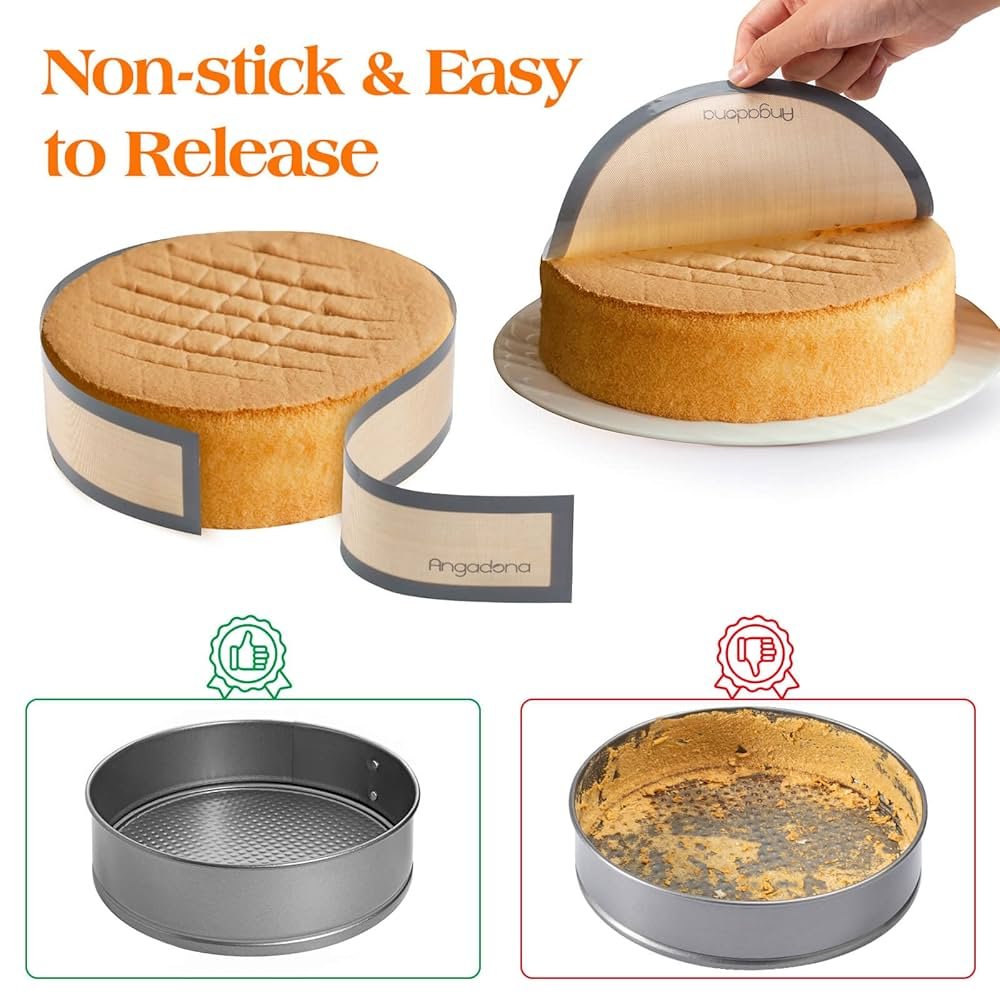
Have you ever eagerly waited for your cake to bake, only to struggle when it’s time to take it out of the pan? Sticking cake pans can turn your delicious creation into a frustrating mess.
But what if you could avoid that sticky situation every time? You’ll discover simple, effective tips that help your cakes slide out smoothly. Say goodbye to broken edges and wasted effort—your perfect cake is just a few easy steps away.
Keep reading to learn how to make baking stress-free and enjoyable!
Choosing The Right Bakeware
Using the right bakeware helps prevent cakes from sticking. It also makes baking easier and more enjoyable.
This guide explains what to look for when choosing cake pans. Focus on materials, sizes, and shapes for best results.
Material Considerations
Different bakeware materials affect how cakes bake and release. Some materials are better for non-stick baking.
- Aluminum:Heats evenly and is lightweight. It often needs greasing or lining to avoid sticking.
- Non-stick coated pans:Designed to release cakes easily. Use gentle tools to keep the coating safe.
- Glass pans:Heat slowly and evenly. They may cause edges to brown faster.
- Silicone pans:Flexible and non-stick. They work well but may need support on a baking tray.
- Stainless steel:Durable but may cause sticking unless well-greased or lined.
Size And Shape Options
Choose pan size and shape based on recipe needs and cake type. Proper size helps cakes bake evenly and avoid sticking.
| Pan Shape | Best For | Notes on Sticking |
|---|---|---|
| Round | Layer cakes, simple designs | Use parchment paper or grease well for easy release |
| Square/Rectangular | Sheet cakes, bars, brownies | Greasing corners helps prevent sticking |
| Bundt | Decorative cakes | Grease and flour deeply to avoid sticking in details |
| Loaf | Breads, pound cakes | Use parchment liners for best results |
| Springform | Cheesecakes, delicate cakes | Grease sides and bottom; pan releases easily |
Preparing The Pan
Getting your cake out of the pan can be tricky. Proper pan preparation helps cakes release easily.
Using the right steps prevents sticking and keeps your cake shape perfect.
Greasing Techniques
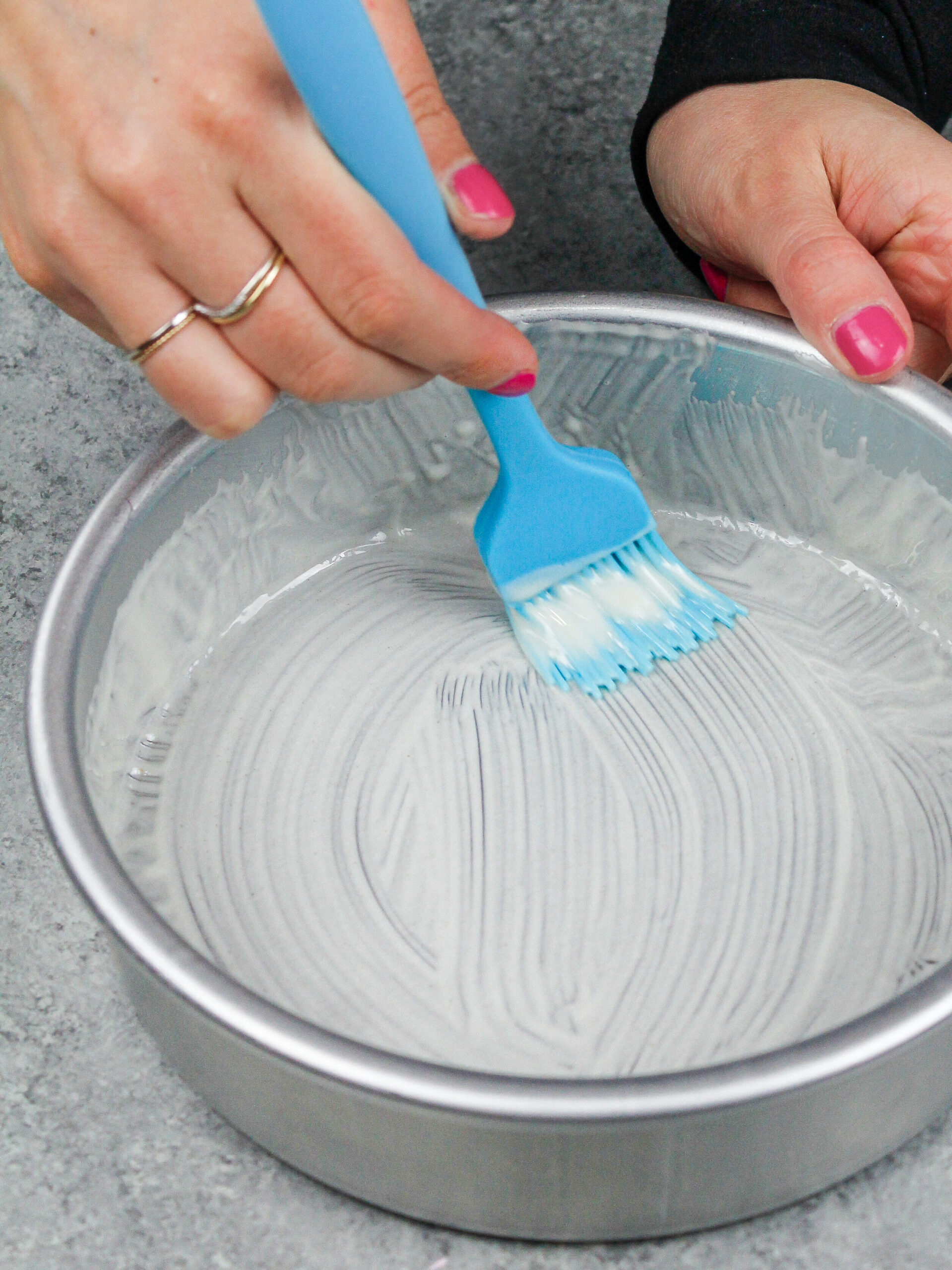
Greasing the pan adds a thin layer of fat to stop the cake from sticking. Use butter or oil for best results.
Make sure to cover every corner and edge of the pan evenly.
- Use a paper towel or brush to spread the grease.
- Apply a thin, even coat to avoid thick spots.
- Focus on the sides and bottom of the pan.
- For extra protection, dust with flour after greasing.
Using Parchment Paper
Parchment paper forms a barrier between the cake and pan. It helps cakes come out cleanly.
Cut the paper to fit the bottom of the pan exactly. You can also line the sides if needed.
- Trace the pan bottom on parchment paper and cut it out.
- Grease the pan lightly before placing the paper.
- Press the paper firmly so it sticks to the pan.
- Grease the paper top lightly to prevent sticking.
Batter Consistency
Batter consistency plays a big role in preventing cakes from sticking to pans. The right thickness helps the cake bake evenly.
If the batter is too thin, it may stick more. If it is too thick, the cake might not rise well.
Impact Of Ingredients
Ingredients change how thick or thin the batter becomes. Flour, eggs, and fat affect its texture.
Too much liquid makes the batter runny. Too little fat can cause sticking. Sugar and eggs add moisture and structure.
- Flour absorbs liquid and adds thickness
- Eggs help bind ingredients and add moisture
- Butter or oil adds fat to prevent sticking
- Too much liquid makes batter thin and sticky
Mixing Methods
How you mix the batter affects its consistency. Overmixing can make it too dense and sticky.
Gentle mixing keeps air in the batter. This helps the cake rise and reduces sticking.
- Mix dry and wet ingredients just until combined
- Avoid beating the batter too long
- Use a spatula to fold ingredients gently
- Check batter thickness before pouring into pans

Credit: www.amazon.com
Baking Conditions
Sticking in cake pans can ruin your baked goods. Proper baking conditions help prevent this problem.
Two key factors are oven temperature and pan placement during baking. Both affect how the cake cooks.
Oven Temperature
Set the oven to the correct temperature for your recipe. Too hot or too cold can cause sticking.
High heat may burn the edges, making the cake stick. Low heat may leave the cake undercooked and sticky.
- Preheat the oven fully before baking
- Use an oven thermometer for accuracy
- Follow the temperature in your recipe
- Avoid opening the oven door often
Placement In Oven
Place the cake pan in the middle rack of the oven. This lets heat circulate evenly around the cake.
If you put the pan too close to the top or bottom, the cake may bake unevenly and stick to the pan.
- Use the center rack for even heat
- Keep space around the pan for air flow
- Do not crowd the oven with many pans
- Rotate the pan halfway through baking if needed
Cooling And Removal Strategies
Removing cakes from pans without sticking can be tricky. Proper cooling and release help keep cakes intact.
Using the right methods for cooling and taking cakes out makes baking easier and cleaner.
Cooling Time
Let the cake cool in the pan for about 10 to 15 minutes after baking. This helps the cake firm up.
Removing the cake too soon can cause it to break. Cooling makes it easier to release from the pan.
- Cool on a wire rack for better air flow
- Avoid leaving cake in the pan too long to prevent sogginess
- Check that the cake edges start to pull away from the pan
Proper Release Techniques
Use a thin knife or spatula to loosen the cake edges before removing it from the pan.
Invert the pan gently onto a cooling rack or plate. Tap the bottom if needed to release the cake.
- Grease pans with butter or oil before baking
- Use parchment paper to line the pan for easy release
- Invert and tap the pan gently to free the cake
- Use a cooling rack to avoid moisture buildup
Credit: chelsweets.com
Common Mistakes
Sticking happens when you do not prepare the pan right or make simple errors. These mistakes can ruin your cake and make it hard to remove.
Learning what to avoid helps you bake cakes that come out clean and perfect every time.
Overfilling The Pan
Filling the cake pan too full causes the batter to spill over as it bakes. This creates a mess and can burn on the oven floor. It also makes the cake cook unevenly and stick to the sides.
- Leave space at the top of the pan—about one-third of the pan should be empty.
- Use the right size pan for your recipe to avoid overflow.
- Check batter amount before pouring into the pan.
Ignoring Instructions
Each cake recipe has specific steps for preparing the pan. Ignoring these can cause sticking. Some pans need greasing, others need flour, and some require parchment paper.
| Common Instruction | Effect if Ignored |
| Grease pan with butter or oil | Cake may stick and break when removed |
| Dust pan with flour | Helps cake release easily and keeps shape |
| Line pan with parchment paper | Prevents sticking on bottom and sides |
Innovative Tools And Products
Sticking cake pans cause frustration and ruin cakes. New tools and products help prevent cakes from sticking. These options save time and improve baking results.
Choosing the right tool or product can make cake removal easy. Below are ideas for non-stick solutions and silicone alternatives.
Non-stick Solutions
Non-stick sprays and liners reduce cake sticking. They create a thin barrier between the cake and pan.
Some newer products include non-stick baking mats and reusable liners. These are easy to clean and eco-friendly.
- Non-stick cooking sprays with flour
- Silicone baking mats for lining pans
- Reusable parchment paper liners
- Non-stick metal pans with special coatings
Silicone Alternatives
Silicone pans are flexible and non-stick. They help cakes pop out without damage.
Other silicone alternatives include silicone molds and inserts. They come in many shapes and sizes for different cakes.
- Flexible silicone cake pans
- Silicone baking cups for small cakes
- Silicone inserts for metal pans
- Heat-resistant silicone liners

Credit: www.washingtonpost.com
Frequently Asked Questions
How Do I Prepare Cake Pans To Prevent Sticking?
Grease the pan with butter or oil, then dust with flour. Alternatively, use parchment paper for easy release. Properly prepping pans helps cakes come out cleanly without damage.
Can I Use Cooking Spray To Avoid Cake Sticking?
Yes, cooking spray with flour works well for preventing sticking. It creates a non-stick surface and ensures easy cake removal. Always spray evenly and cover all pan areas.
Why Does My Cake Stick Even After Greasing?
Insufficient greasing or skipping flour dusting can cause sticking. Also, baking directly on metal pans without lining may lead to sticking. Proper prep and cooling times are crucial.
Is Parchment Paper Necessary To Avoid Cake Sticking?
Parchment paper isn’t mandatory but highly recommended. It offers a smooth, non-stick surface and simplifies cake removal. Use it especially for delicate or moist cakes.
Conclusion
Avoiding cake sticking takes simple, careful steps. Grease pans well with butter or oil. Use parchment paper for extra protection. Let cakes cool before removing them. Tap pans gently to release edges. These tips save your cake and your mood.
Baking becomes easier and more fun. Try these easy tricks in your next bake. Enjoy perfect cakes every time without stress.