
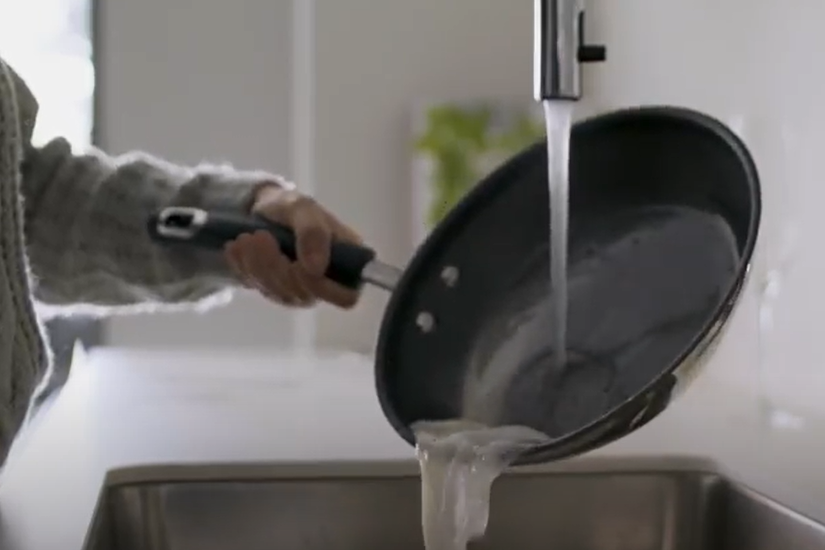
You’ve probably experienced the frustration of burnt food sticking to your non-stick pan. It wastes your meal, wastes your time, and leaves you scrubbing for ages.
But what if you could avoid this common problem altogether? Imagine cooking your favorite dishes perfectly every time, without the stress of burnt bits ruining your dinner. You’ll discover simple, practical tips that help you protect your pans and keep your food tasting just right.
Keep reading—you’re about to make your cooking experience smoother and more enjoyable than ever.
Credit: hexclad.com
Choosing The Right Non-stick Pan
Picking the right non-stick pan helps you avoid burnt food. Different pans suit different cooking styles.
Knowing what to look for saves money and improves cooking results.
Material Of The Pan
Non-stick pans come in many materials. Common types include aluminum and stainless steel. Aluminum heats quickly but may warp. Stainless steel is strong but heats slower.
Type Of Non-stick Coating
Choose coatings that last longer and resist scratches. PTFE and ceramic are popular. PTFE is smooth but can wear out. Ceramic is safer at high heat but may lose non-stick ability faster.
- PTFE: Smooth surface, avoid overheating
- Ceramic: Better for high heat, may chip
- Anodized aluminum: Durable and scratch-resistant
Size And Weight
Choose a pan size that fits your cooking needs. A 10-inch pan suits most tasks. Heavier pans stay stable but are harder to handle. Light pans heat fast but may slide on the stove.
Handle Comfort And Safety
Look for handles that stay cool and have a good grip. Some handles are riveted, others welded. Riveted handles are stronger but harder to clean.
| Handle Type | Benefit | Drawback |
| Riveted | Strong and durable | Harder to clean |
| Welded | Easy to clean | Less strong |
| Silicone Grip | Comfortable and heat resistant | May wear out over time |
Price And Brand Reputation
Good brands offer better quality and warranty. Avoid very cheap pans that wear quickly. Balance price with features you need.

Credit: theorganicmaids.com
Prepping The Pan
Using a non-stick pan correctly helps you avoid burnt food. Prepping the pan is an important step.
Proper care before cooking keeps your food tasty and your pan safe for longer use.
Proper Cleaning Techniques
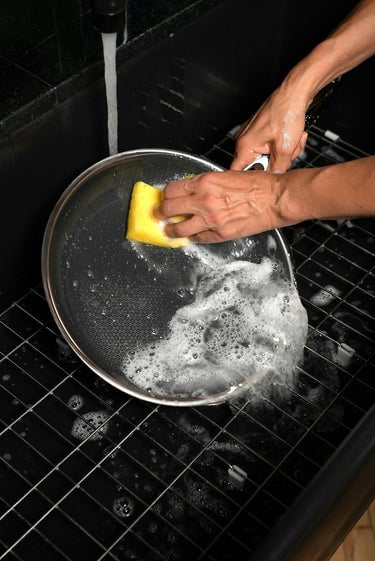
Clean your non-stick pan with care to protect its surface. Avoid scrubbing hard or using metal tools.
Use warm water, mild soap, and a soft sponge to wash the pan. Dry it completely before cooking.
- Do not use steel wool or abrasive pads
- Hand wash instead of using a dishwasher
- Remove food residues gently with a soft cloth
- Dry the pan to prevent water spots and damage
Preheating Essentials
Preheat the pan on low or medium heat. Avoid heating it empty for too long.
Adding a little oil after warming the pan helps stop food from sticking and burning.
- Start with low to medium heat settings
- Heat the pan for 1-2 minutes before cooking
- Add oil or butter before adding food
- Do not let the pan smoke or overheat
Cooking At The Right Temperature
Using the right heat level is key to avoid burnt food in non-stick pans. It helps cook food evenly without damage.
Learning how to control temperature can extend your pan’s life and improve your meals.
Understanding Heat Levels
Non-stick pans work best on low to medium heat. High heat can harm the coating and burn food quickly.
- Low heat is good for simmering and gentle cooking.
- Medium heat suits most frying and sautéing tasks.
- High heat should be avoided or used very briefly.
Using A Thermometer
A cooking thermometer helps keep the pan at the right temperature. It prevents overheating and burnt food.
| Heat Level | Approximate Temperature | Use |
| Low | 250-300°F (120-150°C) | Simmering, melting butter |
| Medium | 300-375°F (150-190°C) | Frying, sautéing |
| High | 375-450°F (190-230°C) | Quick searing (short time only) |
Using The Right Cooking Oils
Choosing the right cooking oil helps prevent food from burning in non-stick pans. Some oils handle heat better than others.
Using oils with appropriate heat tolerance keeps food safe and tasty. It also protects your pan’s surface.
Selecting Low Smoke Point Oils
Oils with low smoke points burn quickly and can ruin your food. Avoid these oils when cooking at high heat.
Choose oils that stay stable at cooking temperatures to keep food from burning and tasting bitter.
- Olive oil has a low to medium smoke point
- Butter burns fast and can cause food to stick
- Avocado oil and canola oil have higher smoke points
- Use oils with smoke points above 400°F for high heat
Quantity And Application
Use enough oil to cover the pan’s surface lightly. Too little oil causes food to stick and burn.
Apply oil evenly before heating the pan. Adding oil after heating may cause uneven cooking and burning.
- Pour a small amount and spread it with a brush or paper towel
- Heat the pan on medium heat before adding food
- Reapply oil if cooking multiple batches
- Do not overheat the oil to avoid burning
Managing Cooking Time
Cooking time is key to keeping food from burning in non-stick pans. Too much heat or time can damage the pan and the meal. Careful timing helps keep food tasty and safe.
Using simple tools and paying attention while cooking can stop food from burning. Let’s look at ways to manage your cooking time better.
Setting A Timer
Setting a timer helps you avoid overcooking. It reminds you to check your food at the right moment. This is very useful for dishes that need exact cooking times.
- Choose the right cooking time for your recipe.
- Set a timer on your phone or kitchen device.
- Start the timer as soon as you put food in the pan.
- Listen for the timer sound to check your food.
Monitoring Progress
Watching your food while cooking helps you catch early signs of burning. It also lets you adjust heat or stir to keep the food safe.
| Signs to Watch | Action to Take |
| Smell of burning | Lower the heat or remove the pan from stove |
| Food sticking to pan | Stir gently or add a little oil or liquid |
| Dark edges on food | Turn food or reduce heat |

Credit: food52.com
Avoiding Overcrowding
Overcrowding a non-stick pan causes food to cook unevenly. It traps moisture and heat, which leads to soggy or burnt food.
Keeping space between food pieces helps them cook well and prevents burning. Let’s explore how to place food properly and the benefits of cooking in batches.
Proper Food Placement
Place food in a single layer with space between pieces. Crowding makes the pan temperature drop and causes food to steam instead of sear.
- Do not pile food on top of each other.
- Use a pan size that fits the amount of food.
- Leave some room for heat to circulate around the food.
- Flip food carefully to keep spacing.
Batch Cooking Benefits
Cooking food in batches prevents overcrowding and keeps the pan hot. It also helps control cooking time and quality.
| Benefit | Explanation |
| Even Cooking | Food cooks uniformly without burning. |
| Better Texture | Food stays crispy, not soggy. |
| Control Temperature | Pan stays hot for proper searing. |
| Easier to Manage | Less crowding means less mess and faster cooking. |
Stirring And Flipping Techniques
Cooking with non-stick pans is easy if you use the right stirring and flipping techniques. These methods help keep your food from burning.
Knowing how and when to stir or flip food can make a big difference in cooking results and pan care.
Using The Right Utensils
Use soft utensils like silicone, wood, or plastic. These tools protect the pan’s non-stick surface.
Metal utensils can scratch the coating and cause food to stick and burn more easily.
- Silicone spatulas are flexible and gentle
- Wooden spoons do not scratch or damage
- Avoid metal forks or knives in the pan
Timing And Frequency
Stir food often but not too much. Too little stirring can cause food to burn.
Flip food at the right moment to cook evenly and avoid burning one side.
- Stir gently every 1-2 minutes for soups or sauces
- Flip solid food like pancakes or meats after they release easily
- Adjust stirring based on food thickness and heat level
Cleaning And Maintaining Non-stick Pans
Non-stick pans make cooking easier and cleanup faster. Proper care helps keep them in good shape for a long time.
Cleaning and maintaining these pans can prevent burnt food and damage to the non-stick surface.
Avoiding Abrasive Cleaners
Abrasive cleaners can scratch and ruin the non-stick coating. Avoid using steel wool or rough scrubbers on your pans.
Use soft sponges and gentle dish soap to clean your pans. This keeps the surface smooth and non-stick.
- Do not use steel wool or metal scrubbers
- Avoid harsh powders or abrasive cleaning pads
- Use warm water with mild dish soap
- Wipe gently with a soft sponge or cloth
Regular Maintenance Tips
Keep your non-stick pans in top condition with regular care. This stops food from sticking and burning.
After washing, dry the pan completely to prevent rust on any exposed metal parts. Store pans carefully to avoid scratches.
- Wash pans soon after cooking
- Dry pans well before storing
- Use wooden or silicone utensils to avoid scratches
- Heat pans on low to medium heat only
- Season pans occasionally with a light coat of oil
Frequently Asked Questions
How Can I Prevent Food From Burning In Non-stick Pans?
Use low to medium heat, add enough oil, and avoid overheating. Stir food regularly and never leave the pan unattended. Proper pan maintenance also helps prevent burning.
What Heat Level Is Best For Non-stick Pans?
Medium to low heat is ideal. High heat damages the coating and causes food to burn. Cooking on moderate heat ensures even cooking and pan longevity.
Should I Preheat A Non-stick Pan Before Cooking?
Yes, preheat on low to medium heat for 1-2 minutes. Avoid high heat preheating as it can damage the non-stick surface. Preheating helps food cook evenly without sticking.
Can Using Metal Utensils Cause Burnt Food In Non-stick Pans?
Yes, metal utensils can scratch and damage the coating. Damaged surfaces lead to uneven cooking and burning. Use wooden, silicone, or plastic utensils instead.
Conclusion
Avoiding burnt food in non-stick pans is easier than you think. Use medium or low heat to protect the pan’s surface. Stir food often and don’t leave it unattended. Preheat the pan briefly before adding ingredients. Choose the right utensils like wooden or silicone tools.
Clean your pan gently after each use to keep it smooth. These simple steps help you cook tasty meals without burning. Enjoy cooking with confidence and keep your non-stick pans lasting longer. Small changes make a big difference in the kitchen.