
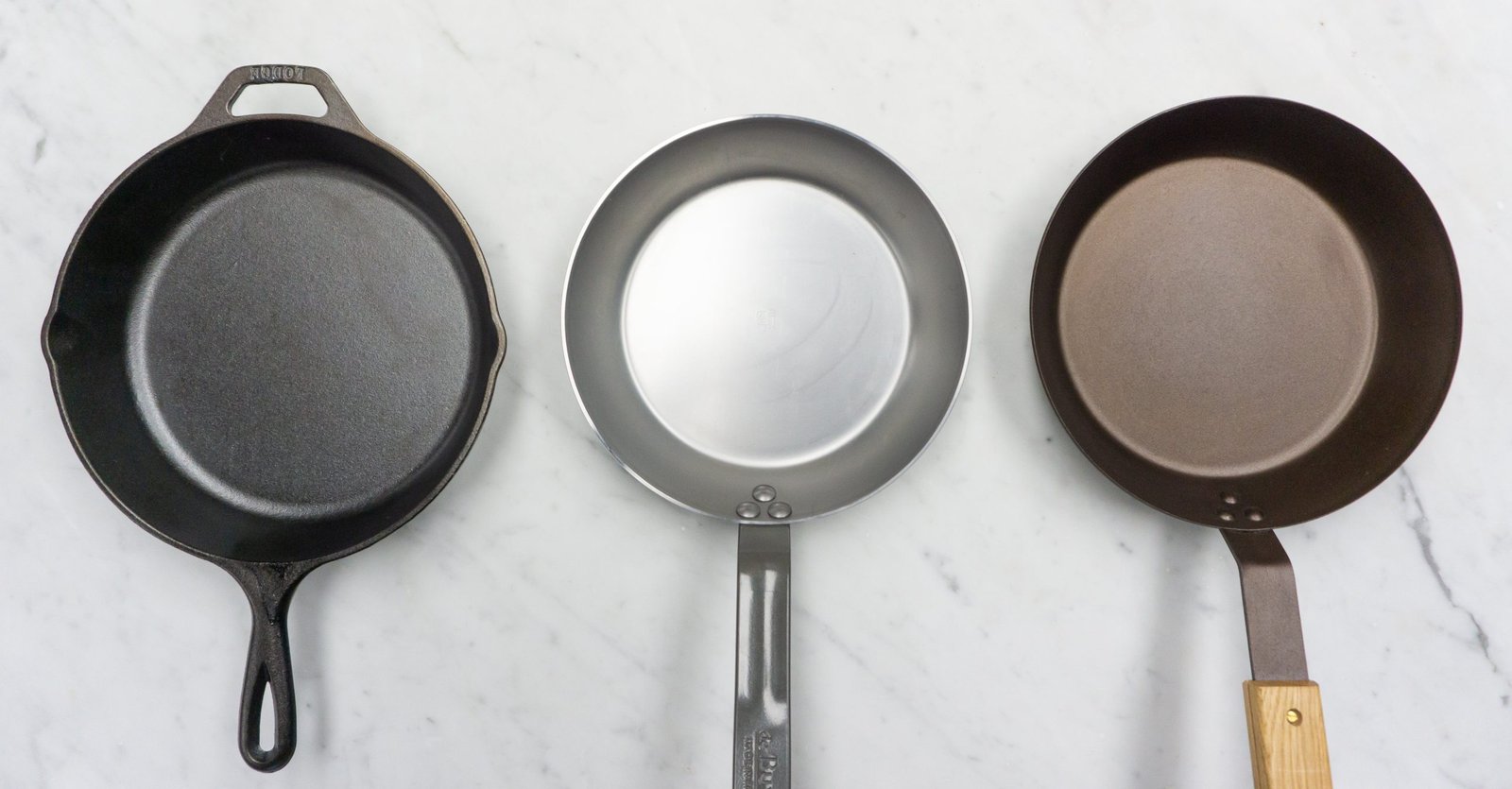
If you’ve ever wondered why so many cooks swear by cast iron skillets, you’re not alone. These heavy, durable pans might seem old-fashioned, but they hold the secret to cooking meals that taste better and last longer.
Whether you’re a beginner or looking to sharpen your skills, this guide will show you how to choose, use, and care for your cast iron skillet like a pro. By the end, you’ll know exactly how to unlock its full potential and transform your cooking experience.
Ready to make your kitchen your favorite place? Let’s dive in!
History And Benefits Of Cast Iron Skillets
Cast iron skillets have been a kitchen staple for centuries. They are known for their durability and excellent cooking qualities.
This guide explores the history of cast iron skillets and the benefits they offer to cooks of all levels.
History Of Cast Iron Skillets
Cast iron cookware dates back to ancient China. The technology spread to Europe in the Middle Ages. By the 18th century, cast iron skillets became common in American homes.
These skillets were prized for their ability to cook food evenly and withstand high heat. Over time, their design improved with better casting methods and seasoning techniques.
Benefits Of Cast Iron Skillets
Cast iron skillets offer many advantages for cooking. They provide even heat distribution and can last for decades when cared for properly.
- Excellent heat retention for steady cooking
- Durable and resistant to damage
- Non-stick surface improves with use
- Can be used on various heat sources
- Adds iron to food, which may benefit health
Seasoning a cast iron skillet creates a natural non-stick surface. This makes it easier to cook foods like eggs and pancakes without sticking.
Care And Maintenance
| Care Tip | Details |
| Cleaning | Wash with hot water and a brush, avoid soap |
| Drying | Dry immediately to prevent rust |
| Seasoning | Apply oil and heat to maintain non-stick surface |
| Storage | Store in a dry place, avoid stacking wet skillets |

Credit: pestoandmargaritas.com
Choosing The Right Cast Iron Skillet
Cast iron skillets are great for cooking a variety of meals. Choosing the right skillet helps you cook better and enjoy using it more.
Think about how you will use the skillet and what features fit your needs. Size, weight, and style all matter.
Size And Weight Considerations
Cast iron skillets come in many sizes. Pick one that fits your cooking style and strength.
Small skillets are easy to handle and heat up fast. Large skillets cook more food but weigh more.
- 8-inch skillets are good for single servings or small tasks
- 10 to 12-inch skillets work well for families and bigger meals
- Heavier skillets need more strength to lift and move
- Lighter skillets are better for everyday use
New Vs. Vintage Options
New cast iron skillets come pre-seasoned and ready to use. They have a smooth surface and modern design.
Vintage skillets often need some care before use. They can have a rougher surface but last a long time if well maintained.
- New skillets are easy to clean and maintain
- Vintage skillets may have unique shapes and brand marks
- Vintage skillets can develop a great non-stick surface over time
- New skillets offer consistent quality and seasoning
Seasoning Your Cast Iron Skillet
Seasoning is a key step in caring for your cast iron skillet. It helps protect the skillet and improves its cooking surface.
Without proper seasoning, food can stick and the skillet may rust. Learning how to season your skillet is simple.
Why Seasoning Is Essential
Seasoning creates a natural coating on the skillet. This coating prevents rust and stops food from sticking.
The more you use and season your skillet, the better the cooking surface becomes. It also makes cleaning easier.
Steps To Properly Season Your Skillet
First, clean your skillet with warm water and a brush. Do not use soap as it can remove old seasoning.
Next, dry the skillet completely. Apply a thin layer of cooking oil all over the skillet, inside and out.
Place the skillet upside down in an oven heated to 375°F (190°C). Bake it for one hour to let the oil set.
After baking, turn off the oven and let the skillet cool inside. Repeat this process if needed for better seasoning.
- Clean skillet without soap
- Dry completely
- Apply thin layer of cooking oil
- Bake upside down at 375°F for 1 hour
- Cool inside the oven
- Repeat to improve seasoning
Cooking Techniques For Cast Iron
Cast iron skillets are great tools for many cooking styles. They hold heat well and cook food evenly.
You can use cast iron for searing, baking, roasting, grilling, and broiling. Each technique gives different results.
Searing And Frying
Searing locks in juices and creates a brown crust on meat. Cast iron holds high heat needed for this.
Frying in cast iron is easy because it keeps oil hot and cooks food evenly. Use enough oil to cover the food.
- Preheat skillet before adding food
- Use medium-high heat for searing
- Do not overcrowd the pan
- Flip food only once for best crust
- Drain fried food on paper towels
Baking And Roasting
Cast iron skillets go well in the oven for baking and roasting. They distribute heat evenly around the food.
Use cast iron for baking cornbread or roasting vegetables. The skillet’s heat helps create a crispy outside.
- Preheat skillet in oven for best results
- Use oven mitts; skillet handles get hot
- Roast vegetables at 400°F for even cooking
- Bake bread or desserts as usual
- Let skillet cool before cleaning
Grilling And Broiling
Cast iron skillets can be used on grills or under broilers. They create grill marks and cook food quickly.
Use a cast iron skillet on the grill for small items or delicate foods that might fall through grates.
- Heat skillet before placing food
- Use high heat for grill marks
- Turn food carefully to avoid breaking
- Broil foods close to heat source
- Watch food to avoid burning
Cleaning And Maintenance Tips
Cast iron skillets last a long time if you clean and care for them well. Proper cleaning keeps the skillet non-stick and rust-free.
Learning the right cleaning and maintenance steps helps keep your skillet in good shape.
Daily Cleaning Routine
After cooking, let the skillet cool a bit but not completely cold. Clean it while it is still warm for best results.
Use warm water and a soft sponge or brush to remove food bits. Avoid soap to keep the seasoning intact.
- Rinse with warm water
- Scrub with a brush or sponge
- Dry immediately with a towel
- Apply a thin layer of oil to the surface
Deep Cleaning Methods
For stuck-on food or buildup, deep clean your skillet carefully. Use a paste of coarse salt and water to scrub the surface.
If rust appears, scrub the area with steel wool. Then rinse and dry the skillet completely before oiling.
- Make a salt paste for scrubbing
- Use steel wool for rust spots
- Rinse well with warm water
- Dry the skillet fully
- Season the skillet with oil after cleaning
Rust Prevention Strategies
Keep your skillet dry at all times to stop rust. Moisture is the main cause of rust on cast iron.
Store your skillet in a dry place and do not leave it wet. A light coat of oil after cleaning creates a protective barrier.
- Always dry the skillet after washing
- Apply a thin layer of cooking oil after drying
- Store in a cool, dry place
- Use a paper towel inside the skillet to absorb moisture
:max_bytes(150000):strip_icc()/faw-le-creuset-signature-enameled-cast-iron-skillet-10-25-jennifer-zyman-08-f0ca04d60f154f308bfd453e42397148.jpeg)
Credit: www.foodandwine.com
Common Mistakes To Avoid
Cast iron skillets are a great tool for cooking. They last a long time if you use them right. Avoiding common mistakes helps keep your skillet in good shape.
Learn what to watch out for so your skillet stays strong and non-stick. Here are some errors to avoid.
Overheating The Skillet
Heating your cast iron skillet too much can damage its seasoning. It may cause food to stick or burn easily. High heat can also warp the pan’s surface.
- Do not heat the skillet empty for long periods.
- Use medium or low heat for most cooking.
- Preheat slowly to avoid sudden temperature changes.
- Remove the skillet from heat if it starts smoking.
Incorrect Cleaning Practices
Cleaning your skillet the wrong way can strip its seasoning or cause rust. Avoid soap and harsh scrubbing.
| Wrong Cleaning | Effect |
| Using soap | Removes seasoning layer |
| Soaking in water | Leads to rust |
| Scrubbing with steel wool | Damages surface texture |
| Not drying well | Causes rust spots |
Neglecting Regular Seasoning
Seasoning your skillet keeps it non-stick and protects it from rust. Skipping this step causes food to stick and the pan to degrade.
Follow these tips for proper seasoning:
- Apply a thin layer of oil after every cleaning.
- Heat the skillet on low heat for a few minutes to set the oil.
- Repeat seasoning if the surface looks dull or sticky.
Enhancing Flavors With Cast Iron
Cast iron skillets are great tools for cooking tasty meals. They help bring out deep flavors in food.
Using cast iron properly can make your dishes more delicious. Two key ways are developing patina and using residual heat.
Developing Patina For Better Taste
Patina is a natural coating that forms on cast iron. It happens when you season the skillet with oil and heat.
This coating stops food from sticking. It also adds a unique flavor to your meals over time.
- Cook with oil to build the patina layer
- Heat the skillet to bond oil to the surface
- A well-seasoned pan improves food taste
- Patina gets better with regular use
Creating Flavors Through Residual Heat
Cast iron holds heat well. After heating, it stays hot for a long time.
This steady heat helps cook food evenly. It also enhances the natural flavors in ingredients.
- Preheat skillet slowly for even heat
- Use residual heat to finish cooking gently
- Maintain heat to develop crusts on food
- Residual heat brings out rich food aromas
Recipes To Try With Cast Iron
Cast iron skillets are great for cooking many dishes. They hold heat well and cook food evenly.
Using a cast iron skillet can make your recipes taste better. Here are some tasty recipes to try.
Classic Skillet Cornbread
Skillet cornbread is a simple and delicious side dish. The cast iron gives it a crispy crust and soft inside.
To make it, mix cornmeal, flour, eggs, milk, and baking powder. Pour the batter into a hot, greased skillet.
- Preheat the skillet in the oven
- Pour batter carefully to avoid splashes
- Bake until golden brown on top
Perfectly Seared Steak
Cast iron skillets are ideal for searing steak. They create a tasty crust while keeping the inside juicy.
Heat the skillet until very hot. Season the steak with salt and pepper, then place it in the skillet without moving.
- Cook for 3-4 minutes per side
- Use tongs to flip the steak
- Let the steak rest before cutting
Crispy Pan-fried Chicken
Pan-fried chicken in a cast iron skillet gets extra crispy on the outside. The heat stays steady for even cooking.
Coat chicken pieces in seasoned flour. Heat oil in the skillet and cook chicken until golden and cooked through.
- Use medium heat to avoid burning
- Turn chicken pieces often
- Drain on paper towels before serving
:max_bytes(150000):strip_icc()/faw-field-company-no-8-cast-iron-skillet-medium-10-25-inch-jennifer-zyman-10-bd8a731366984600b5a3c1495b307284.jpeg)
Credit: www.foodandwine.com
Frequently Asked Questions
How Do I Season A Cast Iron Skillet Properly?
Season your cast iron skillet by coating it lightly with oil. Bake it upside down at 375°F (190°C) for an hour. This creates a natural, non-stick surface and prevents rust. Repeat the process regularly to maintain the skillet’s seasoning and improve cooking performance.
Can I Use Soap To Clean Cast Iron Skillets?
Avoid using soap as it can strip the seasoning. Instead, clean with hot water and a stiff brush immediately after use. For stuck-on food, use coarse salt as a scrub. Dry thoroughly and apply a thin layer of oil to protect the skillet.
What Foods Should I Avoid Cooking In Cast Iron?
Avoid cooking acidic foods like tomatoes or citrus in a new skillet. Acids can break down the seasoning layer and impart metallic flavors. Once well-seasoned, cast iron can handle acidic foods better, but it’s best to use other cookware for highly acidic dishes initially.
How Do I Prevent Rust On My Cast Iron Skillet?
Keep your skillet dry and well-seasoned to prevent rust. After washing, dry it completely with a towel or on low heat. Apply a thin coat of oil before storing. Store in a dry place with good air circulation to avoid moisture buildup.
Conclusion
Cast iron skillets bring great value to any kitchen. They cook food evenly and last for years. Cleaning and seasoning keep them working well. These pans can handle high heat and many recipes. Using a cast iron skillet makes cooking simple and fun.
Try one and see the difference in your meals. A good skillet is a smart choice for every cook.