
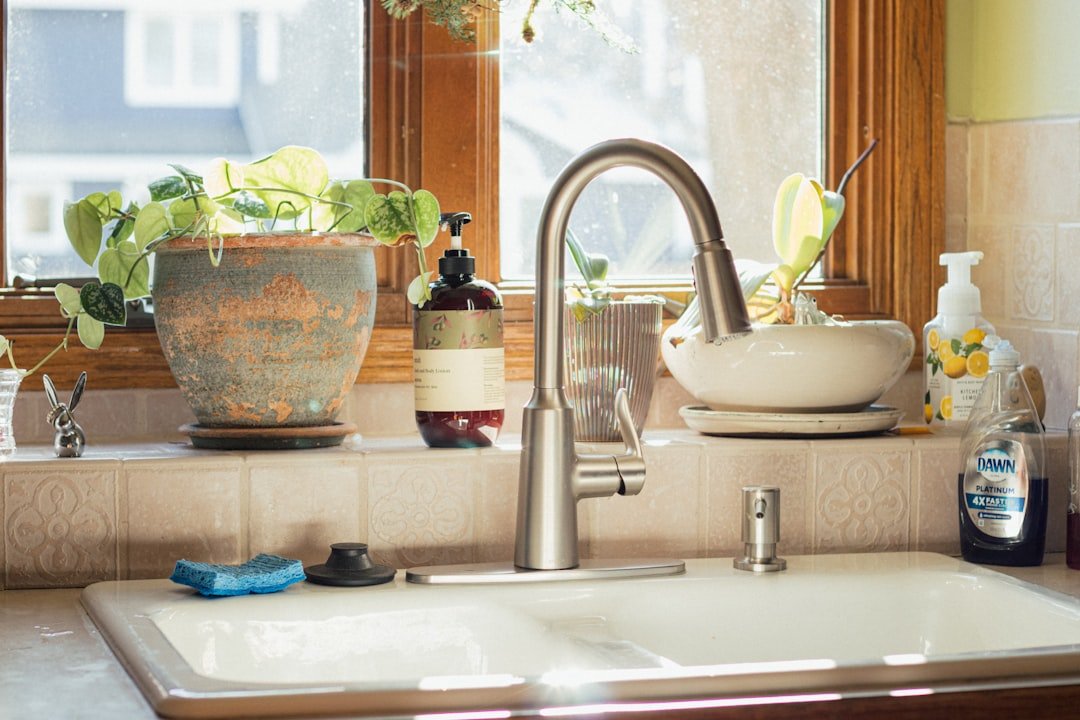
Your kitchen sink is one of the busiest spots in your home, but it’s also one of the hardest to keep clean. If you’ve ever struggled with stubborn stains, lingering odors, or clogged drains, you’re not alone.
What if you could make cleaning your sink easier, faster, and even a little satisfying? You’ll discover simple, clever hacks that will transform your kitchen sink into a sparkling, fresh space. Keep reading—you’ll wish you knew these tricks sooner!
:max_bytes(150000):strip_icc()/GettyImages-1482213299-ac4b8c93e4d64093af78ae0e7b8eee6f.jpg)
Credit: www.marthastewart.com
Common Sink Materials
Kitchen sinks come in different materials. Each type needs special care to stay clean and last long.
Knowing your sink material helps you choose the right cleaning hacks. This keeps your sink looking good and working well.
Stainless Steel
Stainless steel sinks are popular because they are strong and resist rust. They show water spots and scratches easily.
Clean with mild soap and warm water. Use a soft cloth or sponge to avoid scratches. Dry the sink to stop water spots.
- Use baking soda for gentle scrubbing
- Avoid steel wool or harsh scrubbers
- Polish with a small amount of olive oil
- Rinse well and dry after cleaning
Porcelain
Porcelain sinks look smooth and shiny. They can chip or crack if hit hard. Stains can be a problem too.
Use a soft cloth with mild cleaner. Avoid abrasive scrubbers that can scratch the surface. For tough stains, use baking soda paste.
- Mix baking soda with water to form a paste
- Apply paste to stains and let sit 15 minutes
- Gently scrub with a soft sponge
- Rinse with warm water and dry
Granite Composite
Granite composite sinks are made from stone and resin. They are tough and resist scratches and stains well.
Clean with a mild dish soap and warm water. Use a soft cloth or sponge. Avoid bleach and harsh chemicals to protect the finish.
- Use a non-abrasive cleaner for daily cleaning
- Remove stains with a baking soda and water paste
- Rinse thoroughly to avoid residue
- Dry sink to keep it looking new
Daily Maintenance Tips
Keeping your kitchen sink clean every day helps prevent stains and odors. Small daily actions make cleaning easier.
Try to build simple habits to keep your sink fresh and shiny. These tips save time and effort.
Quick Rinse Routine
After washing dishes, rinse the sink with warm water. This removes leftover food and soap.
Use a small amount of dish soap if needed. Rinsing daily stops grime build-up and keeps drains clear.
- Rinse sink basin with warm water
- Use a drop of dish soap for extra cleaning
- Flush the drain to avoid clogs
- Rinse faucet and handles quickly
Wiping Down After Use
After rinsing, wipe the sink with a clean cloth or sponge. This removes water spots and soap residue.
Drying the sink stops rust and water stains. Wipe the faucet and edges to keep everything neat.
- Use a soft cloth or sponge
- Wipe all sink surfaces and faucet
- Dry the sink to prevent stains
- Clean cloth regularly for best results
Deep Cleaning Techniques
Kitchen sinks often collect dirt and stains that need strong cleaning. Deep cleaning helps keep your sink fresh and shiny. This guide shows easy ways to remove tough stains and marks.
Use simple ingredients and tools to make your kitchen sink look new. Follow these cleaning tips for better results.
Removing Hard Water Stains
Hard water leaves white marks on your sink. These stains happen because of minerals like calcium and magnesium. You can clean them with natural products found at home.
- Sprinkle baking soda over the stained area.
- Pour white vinegar slowly on top of the baking soda.
- Let the mixture sit for 15 minutes to loosen the stains.
- Scrub the sink gently with a soft brush or sponge.
- Rinse the sink with warm water and dry with a clean cloth.
Tackling Rust And Tarnish
Rust and tarnish make sinks look old and dirty. Removing these requires special care to avoid damage. Use the right products and methods for safe cleaning.
| Rust Removal Method | How to Use | Notes |
|---|---|---|
| Lemon and Salt | Cut a lemon, sprinkle salt on it, rub on rust spots | Works well on small rust patches |
| Baking Soda Paste | Mix baking soda with water, apply paste, scrub gently | Good for tarnish and mild rust |
| White Vinegar Soak | Soak cloth in vinegar, place on rust, wait 30 minutes | Use for tough stains, rinse well after |
Natural Cleaning Solutions
Cleaning your kitchen sink can be easy and safe with natural solutions. These options avoid harsh chemicals.
Natural cleaners keep your sink fresh and shiny. They also protect the environment.
Baking Soda And Vinegar
Baking soda and vinegar work well to clean and deodorize sinks. Baking soda scrubs away grime.
Pour vinegar after baking soda to create fizz. This fizz lifts dirt and clears clogs.
- Sprinkle baking soda on the sink surface
- Pour white vinegar over the baking soda
- Let it fizz for a few minutes
- Scrub gently with a sponge
- Rinse well with warm water
Lemon And Salt Scrub
Lemon and salt make a great scrub for stains and rust. Lemon juice breaks down buildup.
Salt acts as a natural abrasive to remove tough spots. This mix leaves a fresh scent.
- Cut a lemon in half
- Sprinkle salt on the lemon cut side
- Rub the lemon on the sink surface
- Focus on stained or rusty areas
- Rinse the sink with water
Preventing Clogs
Kitchen sinks often get clogged from food scraps and grease. Preventing clogs keeps your sink clean and working well. Small habits can stop blockages before they start.
Use smart disposal methods and tools to keep your drain clear. Avoid throwing harmful items down the sink that cause buildup.
Proper Disposal Practices
Dispose of waste carefully to avoid clogging your kitchen sink. Some items do not break down easily and can cause blockages.
- Never pour grease or oil down the drain.
- Scrape food scraps into the trash before washing dishes.
- Avoid flushing coffee grounds or eggshells into the sink.
- Use a compost bin for organic waste if possible.
- Run hot water after washing dishes to clear grease.
Using Drain Covers
Drain covers catch debris and prevent it from entering the pipes. They are simple tools that save you from tough clogs.
| Type of Drain Cover | Benefits |
| Mesh Screen | Captures small food particles and hair |
| Silicone Stopper | Blocks water flow to clean pipes easily |
| Strainer Basket | Holds large debris, easy to empty |
Eliminating Odors
Kitchen sinks often develop bad smells. These odors come from food scraps and bacteria. Cleaning your sink regularly keeps it fresh and clean.
Using natural methods can help remove smells without harsh chemicals. Essential oils and proper disposal cleaning work well to fight odors.
Using Essential Oils
Essential oils add a fresh scent and kill odor-causing germs. Lemon, tea tree, and peppermint oils are good choices for the kitchen sink.
- Mix 10 drops of essential oil with 1 cup of water.
- Pour the mixture into the sink drain.
- Let it sit for 10 minutes to work on odors.
- Flush the drain with hot water to clear residue.
Regular Garbage Disposal Cleaning
Cleaning the garbage disposal stops bad smells and keeps it working well. Use simple tools like ice and salt to scrub inside the blades.
| Cleaning Item | Purpose | How to Use |
| Ice Cubes | Scrub blades | Run disposal with ice and cold water |
| Salt | Remove buildup | Pour salt in, then run disposal with cold water |
| Baking Soda | Neutralize odors | Pour ½ cup, then add vinegar and flush with water |
Polishing And Finishing Touches
Cleaning your kitchen sink well is not enough. Polishing adds shine and protects the surface. Finishing touches make your sink look new and fresh.
Use simple products to polish and finish your sink. These steps keep the sink smooth and help stop stains and water spots.
Buffing With Olive Oil
Olive oil is a natural way to add shine to your kitchen sink. It works well on stainless steel and other metals.
Apply a small amount of olive oil on a soft cloth. Rub it gently over the sink surface in circles. This helps bring out a smooth shine and covers small scratches.
- Use a clean, dry cloth for buffing
- Apply olive oil sparingly to avoid a greasy surface
- Buff until the sink looks bright and smooth
- Repeat every few weeks to keep the shine
Using Commercial Polish
Commercial sink polish is made to clean and protect metal surfaces. It removes stains and adds a lasting shine.
Follow the product instructions carefully. Usually, you apply polish with a soft cloth and rub it into the sink. Then wipe off the excess polish.
- Choose polish made for your sink material
- Wear gloves to protect your hands
- Work in a well-ventilated area
- Test polish on a small spot first
- Buff the sink after polishing for best results
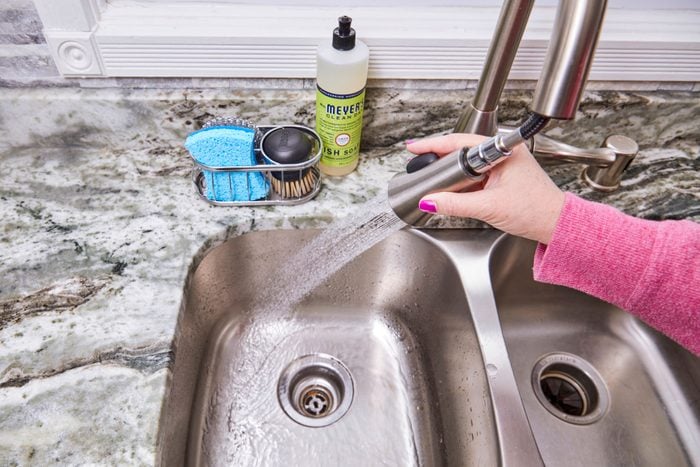
Credit: www.rd.com
:max_bytes(150000):strip_icc()/SPR-how-pro-cleaners-clean-a-sink-11781060-6d7babfdf0074ca79564864a6c7325dd.jpg)
Credit: www.thespruce.com
Frequently Asked Questions
How Often Should I Clean My Kitchen Sink?
Clean your kitchen sink daily to prevent bacteria buildup. Deep clean it weekly using baking soda and vinegar. Regular cleaning keeps your sink hygienic and shiny.
What Natural Products Work Best For Sink Cleaning?
Baking soda and white vinegar are excellent natural cleaners. They remove stains and deodorize without harsh chemicals. Lemon juice also helps to disinfect and add a fresh scent.
How Can I Remove Stubborn Stains From My Sink?
Use a paste of baking soda and water for stains. Apply it, scrub gently with a soft brush, then rinse. For tough stains, vinegar helps break down mineral deposits.
Is It Safe To Use Bleach In Kitchen Sinks?
Bleach can disinfect but should be used sparingly and diluted. Avoid mixing bleach with other cleaners to prevent harmful fumes. Always rinse the sink thoroughly after using bleach.
Conclusion
Keeping your kitchen sink clean is easier than it seems. Small daily efforts bring big results. Use simple tools and natural cleaners for best effect. Regular cleaning stops stains and bad smells fast. A shiny, fresh sink makes cooking more pleasant.
Try these hacks to keep your sink neat and healthy. Clean sinks mean a happier kitchen for everyone. Start today and enjoy a cleaner space tomorrow.