
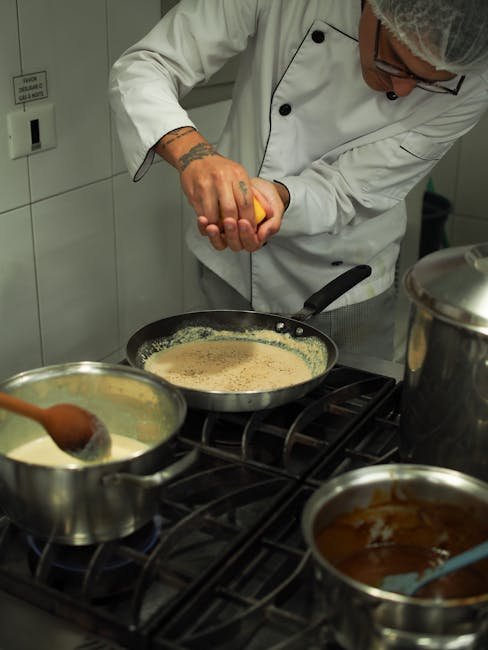
When it comes to making the perfect sauce, the right saucepan can make all the difference. You want a pan that heats evenly, is easy to handle, and helps your sauce reach the ideal texture and flavor.
But with so many options out there, how do you choose the one that fits your kitchen and cooking style? This guide will help you find the perfect saucepan for your sauces, so every dish you create tastes just right.
Keep reading—you’re about to unlock the secret to better cooking with the right pan in your hands.
Material Matters
Choosing the right saucepan is key to making perfect sauces. The material affects heat, taste, and cleaning.
Different materials offer different benefits. Knowing these can help you pick the best one for your needs.
Stainless Steel Benefits
Stainless steel is strong and does not react with food. It keeps sauces tasting pure and does not rust easily.
This material is easy to clean and can handle high heat well. It works on many types of cooktops.
Aluminum For Even Heating
Aluminum heats up quickly and spreads heat evenly. This helps prevent hot spots in sauces.
- Lightweight and easy to handle
- Affordable and widely available
- May need a non-stick or anodized coating
- Can react with acidic foods if not coated
Copper’s Superior Conductivity
| Feature | Benefit |
| Heat Conductivity | Very fast and even heating |
| Temperature Control | Precise cooking control |
| Cost | More expensive than other materials |
| Maintenance | Requires polishing to avoid tarnish |
Copper pans look beautiful but need more care. They suit cooks who want control over heat.
Non-stick Options
Non-stick saucepans make cooking and cleaning easy. They stop sauces from sticking and burning.
They usually have a coating that wears off over time. Use wooden or silicone tools to protect the surface.
Size And Capacity
Choosing the right saucepan size helps you cook sauces better. The size affects heat distribution and cooking time.
Knowing the capacity you need can save energy and improve your cooking results.
Small Saucepans For Precision
Small saucepans hold about 1 to 2 quarts. They are perfect for making small portions and thick sauces.
- Ideal for melting butter or heating small amounts of liquid
- Easy to control temperature and prevent burning
- Great for sauces that need constant stirring
Medium Options For Versatility
Medium saucepans usually hold 3 to 4 quarts. They work well for most everyday cooking tasks.
| Capacity (Quarts) | Best Use |
| 3 | Cooking sauces for 2-3 people |
| 4 | Simmering soups or stews |
Large Saucepans For Bulk Cooking
Large saucepans hold 5 quarts or more. They are good for cooking large amounts of sauce or boiling pasta.
- Useful for family meals or batch cooking
- Requires more heat and longer cooking time
- May be harder to stir evenly
Handle Comfort And Safety
Choosing the right saucepan means thinking about how the handle feels. Comfort and safety help you cook without stress. A good handle protects your hand from heat and slips.
Handles come in many styles. Some are made for easy grip, others for heat protection. Knowing what to look for helps you pick the best saucepan.
Ergonomic Designs
Ergonomic handles fit your hand shape well. They reduce strain during long cooking times. Soft grips and curved shapes make holding easier.
- Curved handles follow the natural hand curve
- Soft-touch materials add comfort
- Balanced weight improves control
- Long handles keep hands away from heat
Heat-resistant Handles
Heat-resistant handles keep your hands safe from burns. They stay cool even when the pan is hot. Materials like silicone and bakelite do this well.
| Material | Heat Resistance | Durability |
| Silicone | High | Good |
| Bakelite | High | Very Good |
| Stainless Steel | Low (unless insulated) | Excellent |
| Wood | Moderate | Fair |
Secure Grip Features
Secure grips stop the pan from slipping out of your hand. Textured surfaces and finger guards add safety. Look for handles with these features.
- Textured or rubberized grip zones
- Finger guards to prevent slipping
- Non-slip coatings
- Wide handles for better hold
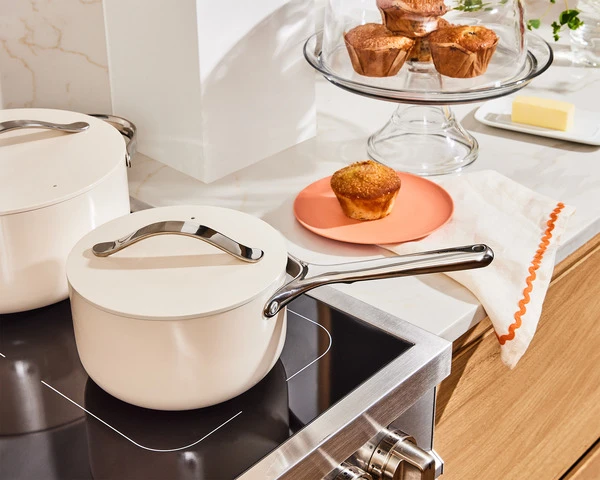
Credit: www.carawayhome.com
Lid Considerations
Choosing the right lid for your saucepan affects cooking results. Lids control heat, moisture, and steam while cooking sauces.
Different lids suit different cooking needs. Knowing the types helps you pick the best one for sauces.
Glass Vs. Metal Lids
Glass lids let you see inside without lifting the lid. This helps keep heat and moisture in the pan. Metal lids are usually heavier and fit tightly.
- Glass lids allow monitoring without heat loss
- Metal lids retain heat better
- Glass lids may be less durable
- Metal lids often fit snugly and last longer
Vented Lids For Steam Release
Vented lids have small holes or vents to release steam. This stops sauces from boiling over. It also controls moisture levels during cooking.
| Benefit | Effect on Sauces |
| Steam release | Prevents overflow and mess |
| Moisture control | Keeps sauce from getting too watery |
| Better temperature control | Helps avoid burning or sticking |
Tight-fitting Options
Tight-fitting lids seal the saucepan well. They keep heat and moisture inside. This is good for slow cooking and thick sauces.
Tips for choosing tight-fitting lids:
- Check if the lid sits flush on the pan
- Look for silicone or rubber edges for a better seal
- Test the lid fit before buying if possible
Heat Distribution And Retention
Choosing the right saucepan is important for making sauces. Heat distribution and retention affect cooking results. Good heat control helps sauces cook evenly.
A saucepan with poor heat control can burn sauces or cook them unevenly. Understanding these factors helps pick the best pan.
Conductivity Factors
Conductivity means how well a pan moves heat from the stove to the food. Different materials conduct heat differently. Copper and aluminum are good conductors. Stainless steel is less conductive but durable.
- Copper heats up very fast
- Aluminum spreads heat evenly
- Stainless steel heats slower but holds heat well
- Non-stick coatings may affect heat flow
Even Heat Distribution
Even heat means the pan heats all parts the same. This prevents hot spots that burn sauce. Saucepans with thick bottoms or layers spread heat better.
Multi-layer pans combine metals to improve heat spread. This helps sauces cook smoothly without sticking or burning.
- Look for pans with thick or layered bases
- Flat bottom pans sit well on the stove
- Heavy pans reduce hot spots
Heat Retention For Consistent Cooking
Heat retention means how long a pan holds heat. Good retention keeps cooking steady. Sauces need steady heat for smooth texture.
Heavy pans like cast iron hold heat longer. This helps keep temperature steady even when adding ingredients.
- Heavy pans keep heat steady
- Thin pans lose heat quickly
- Consistent heat prevents sauce from breaking
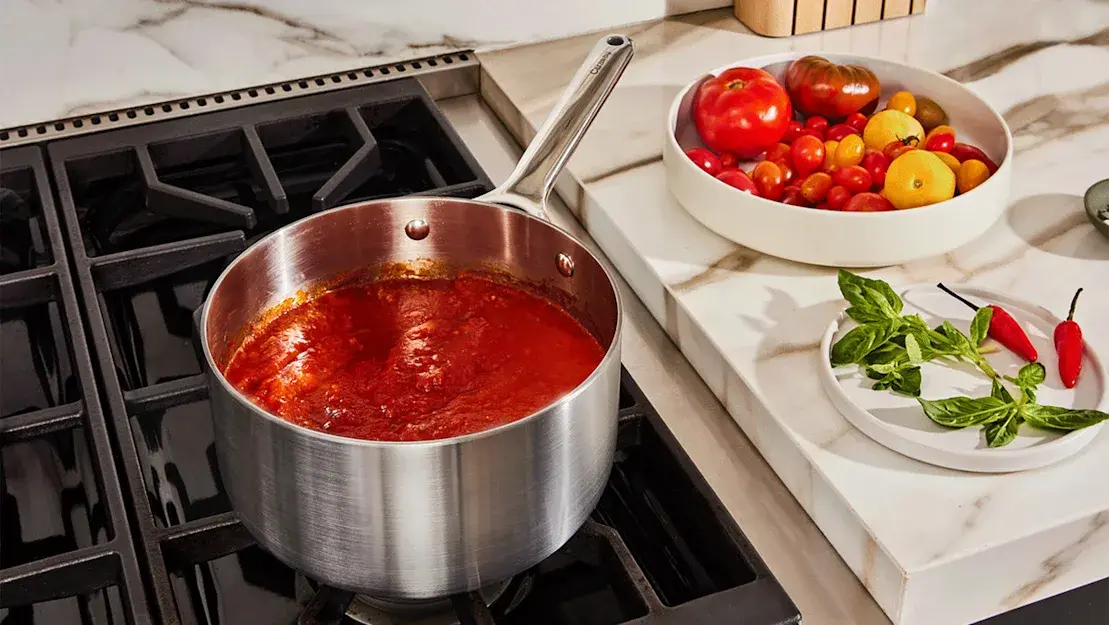
Credit: www.carawayhome.com
Maintenance And Durability
Choosing the right saucepan for sauces means thinking about how to keep it clean and how long it will last. A good saucepan should be easy to care for and strong enough to handle daily cooking.
Durability ensures your saucepan stays useful and safe over time. Maintenance helps keep it working at its best without extra effort.
Ease Of Cleaning
A saucepan that cleans easily saves time and effort. Non-stick surfaces often make cleaning simple by stopping food from sticking.
Look for saucepans that are dishwasher safe. This feature adds convenience and keeps your cookware spotless.
- Non-stick coatings reduce scrubbing
- Dishwasher safe materials save time
- Rounded edges prevent food buildup
- Removable handles can help clean hard spots
Scratch Resistance
Scratch resistance protects the saucepan’s surface and helps it last longer. Scratches can cause food to stick and damage coatings.
Hard materials like stainless steel and anodized aluminum resist scratches better. Avoid metal utensils to keep surfaces smooth.
- Choose materials with tough surfaces
- Use wooden or silicone utensils
- Check if the coating is scratch-resistant
- Avoid abrasive cleaners
Longevity And Warranty
Longevity means the saucepan will work well for many years. Look for products with strong materials and solid construction.
A good warranty shows the manufacturer trusts their product. It can protect you if the saucepan breaks or wears out too soon.
- Pick saucepans with stainless steel or heavy-gauge bases
- Check warranty length and coverage
- Read reviews about long-term use
- Maintain the pan as recommended to extend life
Budget-friendly Choices
Choosing the right saucepan for sauces does not have to be costly. Many affordable options deliver great results without breaking the bank.
Understanding what to look for helps you pick a pan that suits your cooking style and budget. This guide covers key points to consider.
Affordable Yet Effective
Basic stainless steel saucepans often provide good heat distribution and durability at a low price. Non-stick pans can also work well for easy cleaning.
- Look for pans with thick bases to prevent hot spots.
- Choose sizes that match your usual sauce portions.
- Check if the pan is oven safe for more cooking options.
- Read reviews about durability and performance.
Investment Pieces
Spending a bit more on a high-quality saucepan can save money in the long run. Good pans last for years and improve cooking results.
| Material | Price Range | Benefits | Drawbacks |
|---|---|---|---|
| Stainless Steel | $$ | Durable, non-reactive, easy to clean | Can have uneven heat without layered base |
| Hard-Anodized Aluminum | $$$ | Good heat conduction, scratch-resistant | Usually not dishwasher safe |
| Copper Core | $$$$ | Excellent heat control | Expensive, requires polishing |
Balancing Cost And Quality
Finding the right balance means considering your cooking needs and how often you use the saucepan. Sometimes mid-range options offer the best value.
Here are tips to balance cost and quality:
- Decide how often you will use the pan for sauces.
- Set a clear budget before shopping.
- Look for brands with good warranties.
- Test the pan’s weight and handle comfort.
- Consider pans with multi-layer bases for even heat.
Expert Recommendations
Choosing the right saucepan is key for making smooth, tasty sauces. The right pan helps control heat and cooking times.
Experts suggest looking at materials, size, and brand to find the best saucepan for sauces.
Chef-endorsed Brands
Top chefs prefer saucepans that heat evenly and last long. They often pick brands known for quality and durability.
Brands like All-Clad, Le Creuset, and Mauviel get high marks from chefs worldwide for their saucepans.
- All-Clad: Known for stainless steel and even heating
- Le Creuset: Famous for enameled cast iron durability
- Mauviel: Loved for copper pans with quick heat control
Top-rated Saucepans
Many saucepans get high ratings for good heat control and easy cleaning. Size and handle design also matter.
- Stainless steel pans with aluminum cores heat fast and evenly
- Non-stick pans help with sauces that stick or burn easily
- Copper pans allow precise temperature changes
- Look for pans with comfortable, heat-resistant handles
User Reviews And Feedback
Users share their experiences to help others choose the right saucepan. They often note how pans handle sauces and clean up.
- Many users like pans that heat evenly without hot spots
- Some report non-stick coatings wear off after months
- Durability and easy cleaning are top user concerns
- Users appreciate pans that fit well on all stove types
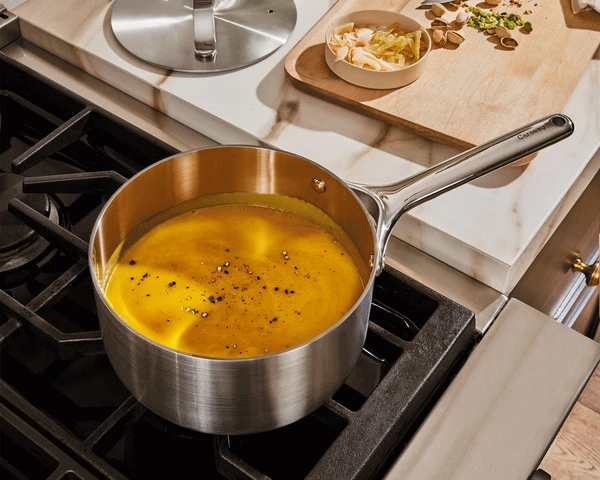
Credit: www.carawayhome.com
Frequently Asked Questions
What Material Is Best For A Saucepan For Sauces?
Stainless steel with an aluminum core is ideal. It heats evenly and prevents hot spots, ensuring smooth sauce cooking. Non-reactive surfaces maintain sauce flavor and color.
How Do I Choose The Right Saucepan Size?
Choose a saucepan size based on sauce quantity. A 2 to 3-quart pan suits most sauces. Smaller pans suit small batches, while larger ones handle big portions.
Are Non-stick Saucepans Good For Making Sauces?
Non-stick pans are easy to clean and prevent sticking. However, they may not brown ingredients well, affecting flavor depth in some sauces.
Can I Use A Saucepan On Any Stovetop?
Check if the saucepan is compatible with your stovetop type. Induction requires magnetic bases, while gas and electric work with most pans.
Conclusion
Choosing the right saucepan makes cooking sauces easier and better. A good pan heats evenly and stops sauces from burning. Think about the size and material that fit your kitchen and needs. Simple care keeps the pan in top shape for a long time.
With the right saucepan, your sauces will taste great every time. Enjoy cooking and experimenting with different flavors. A small choice can make a big difference in your meals. Keep these tips in mind to find your perfect saucepan.