
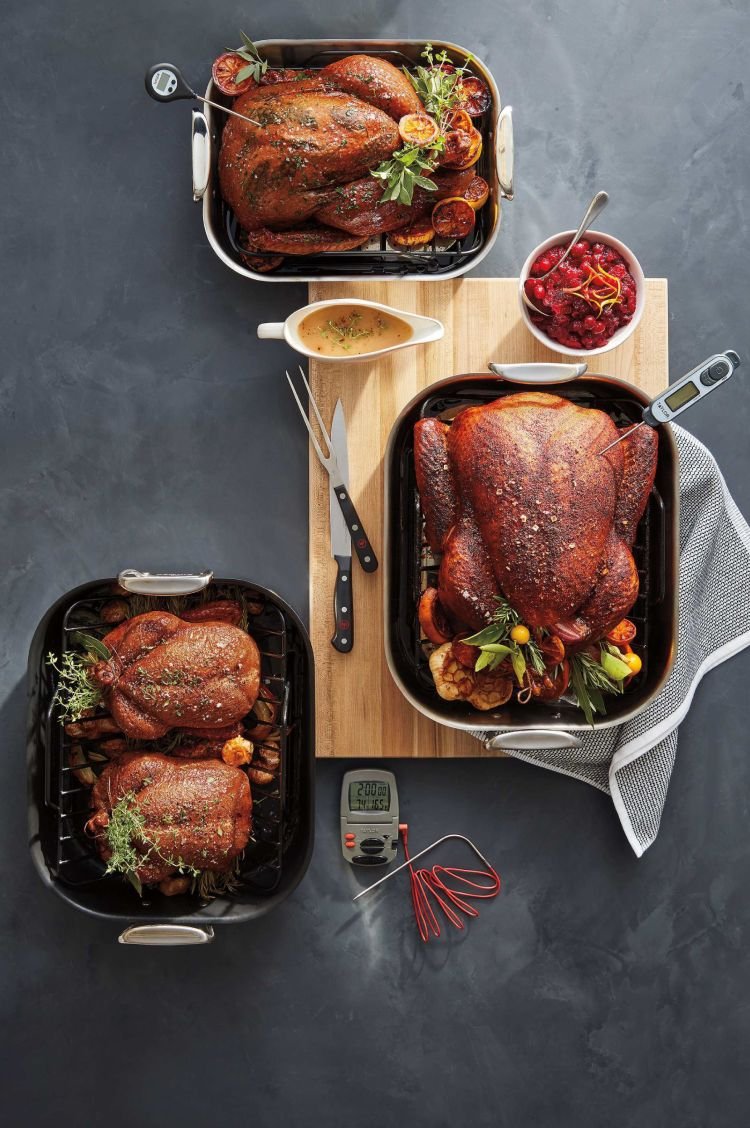
Choosing the right roasting pan for your turkey can make all the difference between a dry, overcooked bird and a juicy, flavorful centerpiece. You want your turkey to come out perfectly browned on the outside and tender on the inside.
But with so many options on the market, how do you pick the best one for your needs? You’ll discover exactly what to look for in a roasting pan so you can cook your turkey with confidence and impress your guests every time.
Keep reading to find out how the right pan can transform your holiday meal.
Credit: www.consumerreports.org
Types Of Roasting Pans
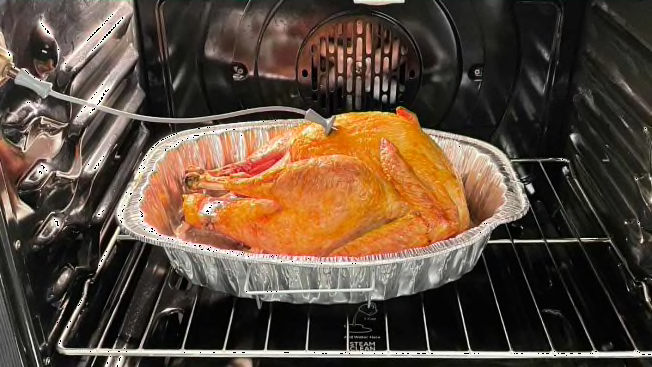
Choosing the right roasting pan helps cook your turkey evenly. Different pans offer unique features and benefits. Knowing the types can make your cooking easier.
Roasting pans come in various materials and sizes. Each type affects how heat moves and how much turkey you can cook. Let’s explore these details.
Materials And Their Benefits
Roasting pans are made from different materials. Each has pros and cons that affect cooking and cleaning.
- Stainless Steel:Durable and resists rust. It heats evenly and is easy to clean.
- Aluminum:Lightweight and heats quickly. It can warp but often has a non-stick coating.
- Ceramic:Offers even heat and adds style. It can be heavy and fragile.
- Non-stick:Prevents food from sticking. Easy to clean but can scratch easily.
- Cast Iron:Holds heat well and cooks evenly. It is heavy and needs seasoning.
Size And Capacity Considerations
Choose a pan size that fits your turkey and oven. The right size helps cook the bird evenly without crowding.
| Pan Size | Turkey Weight | Oven Fit |
| 12 x 16 inches | 10 to 14 pounds | Fits most standard ovens |
| 14 x 18 inches | 14 to 18 pounds | Requires a larger oven |
| 16 x 20 inches | Over 18 pounds | Best for large ovens or commercial use |
Key Features To Look For
Choosing the right roasting pan for your turkey makes cooking easier. The right pan helps cook the turkey evenly and keeps it juicy. It also fits well in your oven and is easy to handle.
Two key features to check are the handles and the rack options. These affect how you cook and how easy it is to use the pan.
Handles And Their Importance
Good handles help you lift and move the pan safely. They should be strong and easy to grip, even with oven mitts. Handles that stay cool are better to avoid burns. Wide handles give more control when carrying a heavy turkey.
- Strong and sturdy handles prevent accidents
- Cool-touch handles protect your hands
- Wide handles offer better grip and control
- Securely attached handles avoid wobbling
Rack Options And Their Advantages
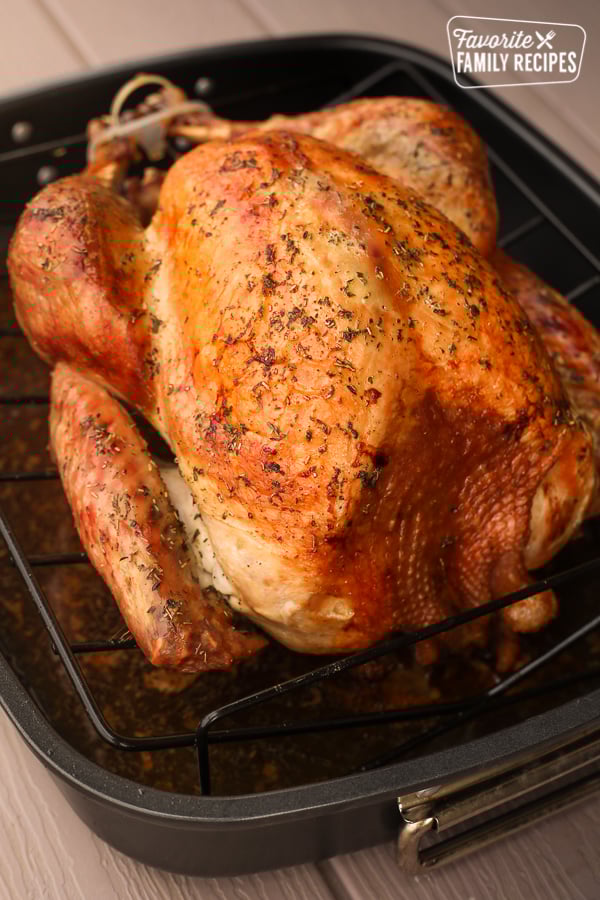
A roasting rack lifts the turkey off the pan. This helps heat reach all sides for even cooking. It also keeps the turkey out of its drippings. Some racks are adjustable or removable. This adds to their usefulness.
| Rack Type | Benefit |
| Flat rack | Simple and easy to clean |
| V-shaped rack | Keeps turkey stable and elevated |
| Adjustable rack | Fits different turkey sizes |
| Non-stick rack | Prevents sticking and eases cleaning |
Comparing Popular Brands
Choosing the right roasting pan can make your turkey cook evenly. Different brands offer various features and prices. Knowing what each brand offers helps you decide.
This guide compares popular roasting pan brands. It looks at budget-friendly and premium options. You will find details on materials, size, and ease of use.
Budget-friendly Options
Budget-friendly roasting pans offer good quality without a high price. They usually come with basic features but still provide solid performance.
- Brand A:Non-stick coating, lightweight, dishwasher safe.
- Brand B:Stainless steel, affordable, good heat distribution.
- Brand C:Aluminum, budget price, easy to clean.
Premium Choices
Premium roasting pans have extra features for better cooking results. They often use high-quality materials and come with accessories.
| Brand | Material | Features | Price Range |
|---|---|---|---|
| Brand X | Copper | Even heat, heavy-duty, oven safe | High |
| Brand Y | Cast iron | Durable, excellent heat retention, non-stick | High |
| Brand Z | Stainless steel with rack | Includes roasting rack, dishwasher safe | Medium-High |
Credit: www.walmart.ca
Maintenance And Care Tips
Choosing the right roasting pan for turkey is only the first step. Proper care helps keep your pan in good shape. This guide covers cleaning and storage tips.
Taking simple actions after use can make your roasting pan last longer. Follow these easy steps to maintain your pan’s quality.
Cleaning And Storage Advice
Clean your roasting pan soon after cooking. This stops food from sticking and stains from forming. Use warm water and mild soap.
Avoid steel wool or harsh scrubbers that can scratch the pan. Soft sponges or cloths work best. For tough spots, soak the pan in warm soapy water first.
- Wash immediately after use
- Use mild soap and warm water
- Use soft sponges or cloths
- Soak for stuck-on food
- Dry completely before storing
- Store in a dry place to avoid rust
Extending The Life Of Your Pan
Handle your roasting pan gently to avoid dents. Avoid metal utensils that can damage the surface. Use wooden or silicone tools instead.
Regularly check your pan for scratches or rust. If you see rust, clean it with baking soda paste and rinse well. Keep your pan dry after washing.
- Use gentle utensils
- Check for damage often
- Remove rust promptly
- Keep pan dry after cleaning
- Store pans separately to avoid scratches
Expert Tips For Perfect Turkey Roasting
Choosing the right roasting pan is key to cooking a juicy turkey. It helps cook the bird evenly and makes cleanup easier.
This guide shares tips on temperature, timing, and seasoning to get the best results from your pan.
Temperature And Timing
Set the oven temperature between 325°F and 350°F for even cooking. A roasting pan with a rack allows heat to circulate around the turkey.
Check the turkey’s internal temperature with a meat thermometer. The thickest part of the breast should reach 165°F.
- Start roasting breast side up
- Allow 13 minutes per pound at 350°F
- Use a rack to avoid soggy skin
- Let the turkey rest 20 minutes before carving
Seasoning And Flavor Enhancements
Season the turkey inside and out for full flavor. Use salt, pepper, and herbs like rosemary or thyme.
A roasting pan with deep sides catches drippings for gravy. Add vegetables like onions and carrots to the pan for extra taste.
- Rub butter or oil under the skin for moist meat
- Stuff the cavity with aromatics like garlic and lemon
- Baste the turkey every 30 minutes for browning
- Use pan drippings to make rich gravy
Credit: www.favfamilyrecipes.com
Frequently Asked Questions
What Size Roasting Pan Is Best For A Turkey?
Choose a roasting pan that fits your turkey comfortably. It should allow space for heat circulation. Typically, a 16×12 inch pan suits most turkeys. Ensure it has high sides to prevent spills and accommodate basting juices.
Should I Use A Non-stick Or Stainless Steel Pan?
Stainless steel pans are durable and distribute heat evenly. Non-stick pans prevent sticking but may not brown the turkey well. For best results, opt for a heavy-gauge stainless steel roasting pan with a rack.
Is A Roasting Rack Necessary For Cooking Turkey?
Yes, a roasting rack lifts the turkey above the pan. This promotes even cooking and crisp skin. It also prevents the bird from sitting in its juices, avoiding sogginess.
Can I Use An Aluminum Roasting Pan For Turkey?
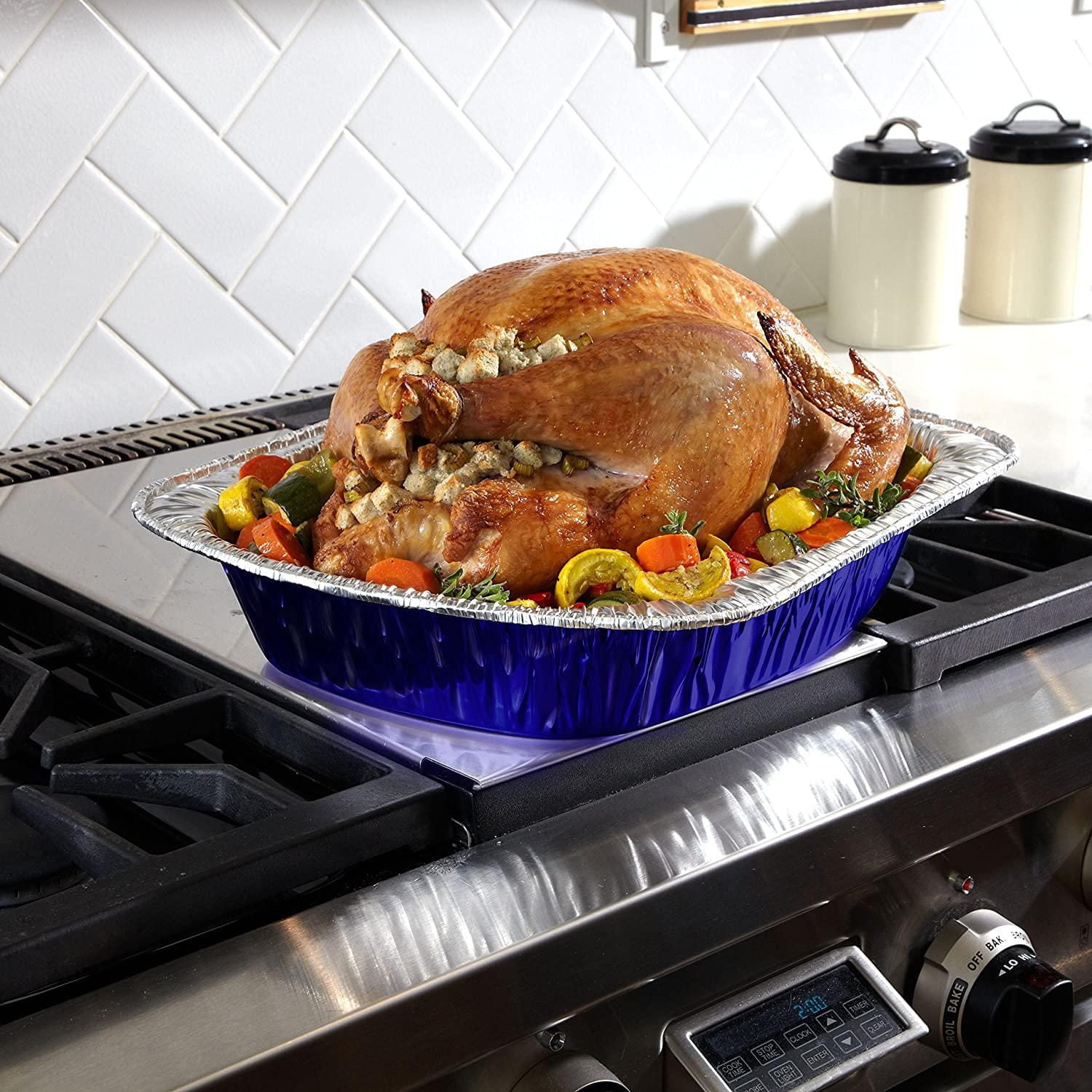
Aluminum pans conduct heat quickly but may warp under high temperatures. They are lightweight and affordable but less durable. For consistent results, choose a heavy-duty aluminum pan or stainless steel option.
Conclusion
Choosing the right roasting pan helps cook your turkey evenly. A good pan holds heat well and fits your oven size. Think about material, size, and ease of cleaning. These factors affect how your turkey cooks and tastes. A sturdy pan makes roasting less stressful and more fun.
Take time to pick one that suits your needs best. Your turkey will turn out juicy and delicious. Enjoy your meal and the cooking process. Simple choices lead to great results.