
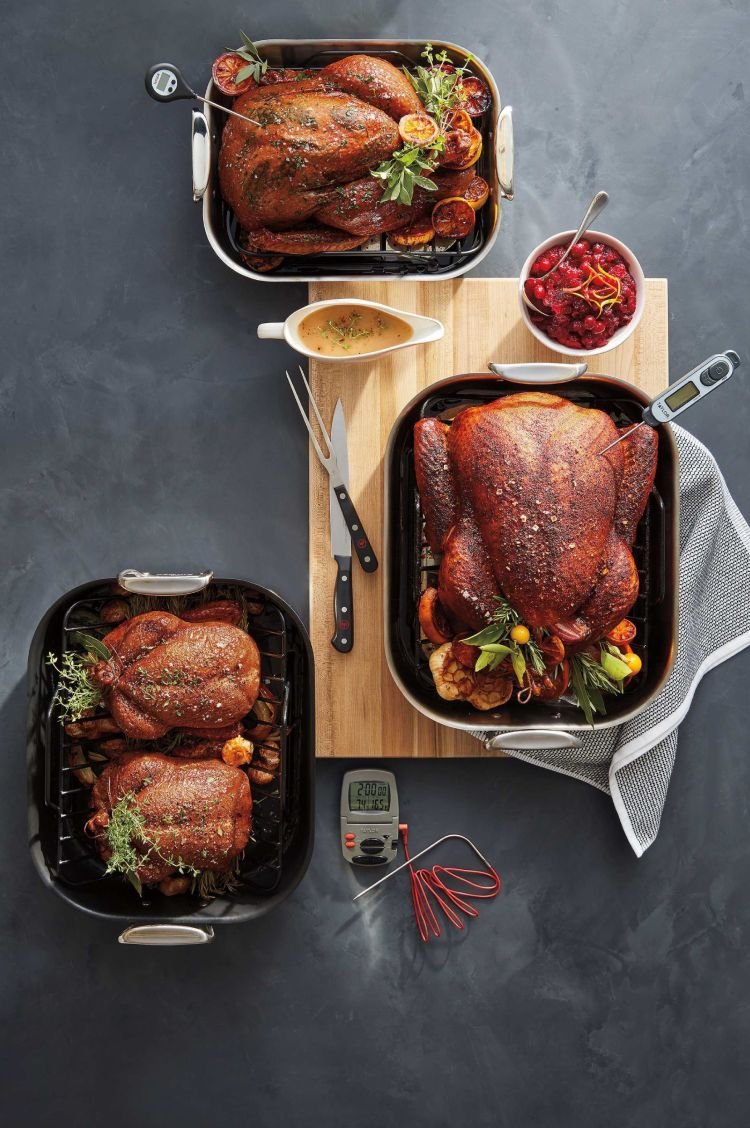
When it comes to roasting your favorite meals, the right roasting pan can make all the difference. You want something that cooks food evenly, is easy to clean, and fits perfectly in your oven.
But with so many options out there, how do you choose the best one for your kitchen? In this guide, you’ll discover simple tips to help you pick a roasting pan that suits your cooking style and needs. Keep reading, and soon you’ll be roasting like a pro with the perfect pan by your side.
Credit: www.tasteofhome.com
Types Of Roasting Pans
Choosing the right roasting pan helps cook food evenly. Different pans suit different cooking needs. Understanding types helps pick the best one.
Roasting pans come in various materials, sizes, and shapes. Each type offers unique benefits for your kitchen.
Materials And Their Benefits
Roasting pans are made from different materials. Each material affects heat, cleaning, and cooking results.
| Material | Benefit | Consideration |
| Stainless Steel | Durable and resists rust | May have hot spots |
| Aluminum | Heats quickly and evenly | Can warp under high heat |
| Ceramic | Good heat retention | Fragile and heavy |
| Non-stick Coated | Easy to clean | Coating may wear off |
Size And Shape Considerations
Choose a pan size that fits your oven and food amount. Shapes affect cooking style and heat distribution.
- Rectangular pans hold whole birds or large cuts.
- Square pans fit smaller ovens or less food.
- Deep pans catch juices and prevent spills.
- Shallow pans allow better browning and crisping.
Versatility In Cooking
A good roasting pan works for many dishes, not just roasts. Look for pans with features that add cooking options.
- Removable racks help cook meat evenly and keep it out of fat.
- Oven-safe lids allow slow cooking and moisture control.
- Handles should be sturdy for easy lifting.
- Some pans double as serving dishes for convenience.
Factors To Consider
Choosing the right roasting pan makes cooking easier and better. There are a few key factors to look at before buying one.
These factors affect how well your food cooks and how long the pan lasts. Understanding them helps you pick the best pan for your needs.
Heat Conductivity
Heat conductivity means how fast and evenly the pan heats up. Good heat conductivity helps food cook evenly and prevents hot spots.
- Materials like copper and aluminum have high heat conductivity.
- Stainless steel heats slower but is more durable.
- Non-stick coatings may affect heat transfer.
Durability And Maintenance
A durable roasting pan lasts many years without damage. Maintenance includes how easy it is to clean and care for the pan.
| Material | Durability | Maintenance |
| Cast iron | Very high | Needs seasoning |
| Stainless steel | High | Dishwasher safe |
| Aluminum | Medium | Hand wash recommended |
| Non-stick | Low to medium | Avoid metal utensils |
Weight And Handling
The pan’s weight affects how easy it is to handle, especially when full of food. Look for a balance between sturdy and light.
- Heavy pans hold heat well but can be hard to lift.
- Lighter pans are easier to move but may heat unevenly.
- Handles should be comfortable and secure.
Features Of A Good Roasting Pan
A roasting pan helps cook meat and vegetables evenly. Choosing the right one makes cooking easier and tastier.
Look for features that improve heat distribution, durability, and convenience in the kitchen.
Non-stick Coatings
Non-stick coatings stop food from sticking to the pan. They make cleaning simple and fast.
Good coatings should resist scratches and last through many uses. Some pans use ceramic or Teflon coatings.
- Easy food release
- Simple to clean
- Scratch-resistant
- Safe for oven use
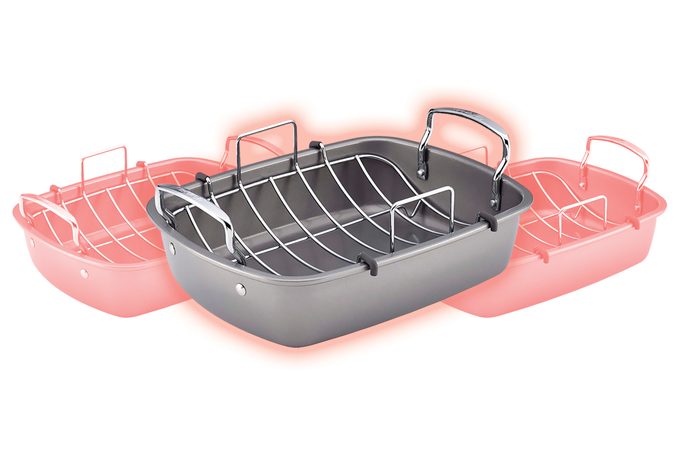
Racks And Inserts
Racks lift food off the pan’s bottom. This lets heat circulate around the meat for even cooking.
Inserts can catch drips or separate vegetables from meat. Look for sturdy racks that fit well.
- Elevate food for better heat flow
- Keep food out of fat drippings
- Easy to remove and clean
- Fits securely inside the pan
Handles And Lids
Strong handles make moving the pan safe and easy. They should stay cool or be heat resistant.
Lids help keep moisture in. A tight-fitting lid locks steam inside for juicier results.
- Durable and sturdy handles
- Handles that stay cool to touch
- Tight-fitting lids to trap moisture
- Oven-safe lids and handles
Credit: hestanculinary.com
Matching Pans To Recipes
Choosing the right roasting pan makes cooking easier and tastier. Different recipes need different pans. This helps food cook evenly and keeps flavors locked in.
Knowing which pan to use saves time and gives better results. Let’s look at how to pick pans for various dishes.
Meat And Poultry
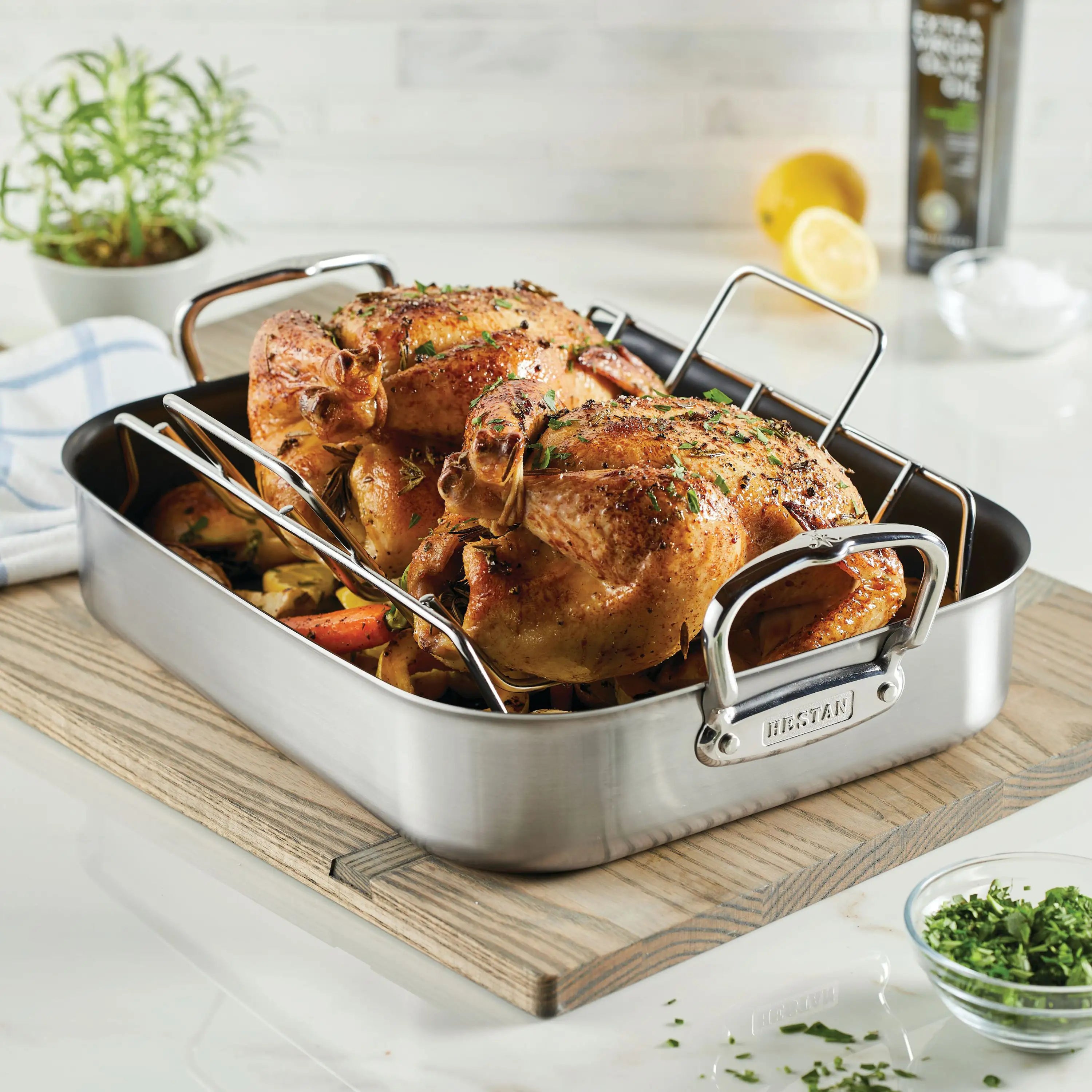
For roasting meats and poultry, a heavy-duty pan with a rack is best. The rack keeps the meat raised, so heat circulates evenly. Look for pans with deep sides to hold juices and prevent spills.
- Use stainless steel or cast iron for even heat.
- Choose a pan with a non-stick surface for easy cleaning.
- Pick a pan size that fits your meat without crowding.
- A roasting rack helps cook meat evenly and crisps skin.
Vegetables And Side Dishes
Vegetables and side dishes cook best in pans that spread heat well. Shallow pans allow moisture to escape, giving a nice roast. Glass or ceramic pans work well here.
| Pan Type | Best For | Notes |
|---|---|---|
| Glass | Roasted vegetables, casseroles | Retains heat, easy to monitor cooking |
| Ceramic | Gratins, baked sides | Even heating, attractive for serving |
| Shallow metal | Roasting potatoes, mixed veggies | Heats quickly, browns well |
Specialty Dishes
Specialty dishes like lasagna or stuffed peppers need pans that hold shape and heat well. Deep pans prevent spills and keep layers intact.
Here are tips for pans suited to specialty dishes:
- Use deep ceramic or glass pans for layered dishes.
- Choose pans with straight sides to keep fillings inside.
- Non-stick pans help with sticky ingredients.
- Metal pans heat faster but may brown edges quickly.
Budget And Brand Options
Choosing the right roasting pan depends on your budget and preferred brands. Different options suit different needs and price ranges.
Understanding high-end and affordable choices helps you pick the best pan. Trusted brands offer quality and reliability.
High-end Choices
High-end roasting pans offer durability and excellent heat distribution. They often come with extra features like non-stick coatings and tight-fitting lids.
- Made from heavy-gauge stainless steel or copper
- Includes oven-safe handles
- Designed for even cooking
- Usually backed by strong warranties
Affordable Alternatives
Affordable pans provide good value for home cooks. They may have simpler designs but still work well for everyday roasting.
| Material | Price Range | Durability |
| Aluminum | Low | Moderate |
| Non-stick steel | Low to Mid | Good |
| Enamel-coated | Mid | Good |
Trusted Brands
Many brands have built reputations for making quality roasting pans. Choosing a trusted brand ensures better results and longer use.
- Check customer reviews before buying
- Look for brands with good warranties
- Consider brands known for kitchen tools
- Compare prices across trusted sellers
Care And Maintenance Tips
Keeping your roasting pan clean and well-maintained helps it last longer.
Proper care also ensures better cooking results every time you use it.
Cleaning Techniques
After cooking, soak your roasting pan in warm, soapy water to loosen food.
- Use a soft sponge to avoid scratching the surface.
- For tough stains, apply baking soda paste and let it sit.
- Rinse thoroughly to remove all soap and residue.
- Dry the pan immediately to prevent rust or water spots.
Storage Solutions
Store your roasting pan in a dry place to avoid moisture buildup.
| Storage Tip | Benefit |
|---|---|
| Keep pan in a cabinet with good airflow | Prevents rust and mold growth |
| Place a paper towel inside before stacking | Absorbs moisture and protects the surface |
| Do not stack heavy items on top | Avoids dents and warping |
Extending Lifespan
Use your roasting pan carefully to keep it in good shape for years.
- Avoid sudden temperature changes to prevent warping.
- Use wooden or silicone utensils instead of metal ones.
- Season your pan if it is made of cast iron or carbon steel.
- Follow the manufacturer’s instructions for special coatings.
Common Mistakes To Avoid
Choosing the right roasting pan is important for cooking success. Some mistakes can ruin your meal or damage your pan.
Knowing what to avoid helps you pick a pan that works well and lasts a long time.
Overcrowding The Pan
Putting too much food in the roasting pan stops heat from moving around. This causes uneven cooking.
Give each piece space so it cooks properly and gets a nice brown color.
- Avoid stacking food on top of each other
- Use a bigger pan if needed
- Leave space between pieces for air flow
Ignoring Weight Limits
Roasting pans have weight limits that protect their handles and structure. Too much weight can bend or break the pan.
Check the pan’s weight capacity before cooking a heavy meal like a large turkey or roast.
- Look for manufacturer weight guidelines
- Use pans with strong, secure handles
- Lift the pan carefully when full
Choosing The Wrong Material
Different materials heat food in different ways. Some materials can cause burning or slow cooking.
Pick a material that matches your cooking style and oven type.
| Material | Good for | Drawbacks |
|---|---|---|
| Stainless Steel | Even heating, durable | Can stick without nonstick coating |
| Aluminum | Heats quickly | Can warp at high heat |
| Ceramic | Retains heat well | Can crack if dropped |
| Nonstick | Easy to clean | Coating can wear off |
Credit: www.surlatable.com
Frequently Asked Questions
What Materials Are Best For Roasting Pans?
Stainless steel and cast iron are top choices. They distribute heat evenly and resist warping. Non-stick coatings ease cleaning but may wear out. Choose based on your cooking style and maintenance preference.
How Do I Choose The Right Size Roasting Pan?
Select a pan that fits your oven and food comfortably. It should hold your meat without overcrowding. A larger pan allows better air circulation and even cooking.
Are Roasting Pans Dishwasher Safe?
Many stainless steel and non-stick pans are dishwasher safe. However, hand washing extends their lifespan. Check manufacturer guidelines to avoid damage from harsh detergents or high heat.
Can Roasting Pans Be Used For Other Cooking Methods?
Yes, roasting pans are versatile. Use them for baking, broiling, or braising. Their durable construction handles high heat, making them useful beyond roasting.
Conclusion
Choosing the right roasting pan makes cooking easier and tastier. Think about size, material, and handles for your needs. A good pan helps cook food evenly and cleans up fast. It also fits your oven well and lasts long. Simple choices lead to better meals every time.
Keep these tips in mind for your next roast. Cooking becomes fun and stress-free with the right tools. Your kitchen will thank you.